Weekend Getaways
7 Must-Visit National Parks in Thailand and How to Explore Them
Escape Bangkok for Thailand’s 7 best national parks. Discover wildlife, culture and ...




Who should open the new edition of The Future List?
It’s a question that has been stuck in my mind since we launched the latest Future List last week. There are so many people who deserve recognition, each pushing themselves and finding their own ways to shape Thailand for better. But one story keeps coming back to me.
Thinking about the List, I’ve started to see it as a process of curation. Researching, getting to know people, gathering their stories and translating their ideas. Somewhere along the way, I begin to see a parallel in one particular place.
That place is All Kinds. Bringing together local products from across Thailand, the company takes an everyday approach to retail with a focus on the people and ideas behind what we buy.
Now, with its second branch at theCOMMONS Cloud 11, Chanya “Ping” Songthumjitti and Maytika “Pim” Laddakom are taking that idea further. For this year’s first Friday Future Lister, we sat down with Ping and Pim to talk about All Kinds, the makers they work with and what it means to build something with intention in Thailand today.

“All Kinds is a space where like-minded people who are passionate about what they do can have a place to express that passion. At the same time, it’s a space for people who care about how they live and what they choose to use to meet others who share the same intentions.”
All Kinds began in 2021, during the pandemic, as the team looked for ways to support Thai makers and entrepreneurs through an uncertain time. Ping and Pim were there from the start, helping to create a space where thoughtful products could be seen and their stories could be shared.
The first store opened at theCOMMONS Thonglor with three four-month rotations around the environment, wellness and society. Some early makers remain part of the All Kinds story, including Jaikla, one of our Future Listers last year, and sarr.rai, a 2024 Future Lister.
Today, All Kinds has a more permanent everyday selection with six-month rotations that make room for new products and makers. The format keeps the space fresh while putting new names and stories in front of more people. At its heart, All Kinds remains a place where local makers and curious people can meet and discover something new.
Ping:
“I’ve been drawn to Thai-made products since my university years. As more Thai brands emerged, I had more opportunities to discover not only their products, but also the people behind them and their connections to local communities.”
Ping works as Brand Manager, which shapes both creative direction and the stories behind each project.

Pim describes her:
“She is very explorative and creative. She initiates a lot of creative projects and makes sure the message comes through visually.”
While Ping leads the creative side, Pim looks after the business as Managing Director. The two roles work closely together.
Pim:
“We don’t want to put numbers in a frame before we start. If Ping finds a community she really wants to work with, we give her the space to explore it. We believe that if the product is good and the idea has a real reason to exist, the business will follow.”
Unlike Ping, she did not start with a particular interest in local products. It was through All Kinds that she began to see its wider social impact.

Curation starts with curiosity. Whether Ping and Pim discover a brand themselves or a brand reaches out, they look beyond the product to understand the people, process and story behind it. They value local knowledge, thoughtful production, quality and products that have a real place in everyday life.
Their selection can range from everyday products to ideas rooted in local knowledge. One example is the monk’s alms bowl community, where handmade alms bowls have been made for more than 200 years. Each household keeps the craft within the community. It has also adapted the tradition, making smaller bowls for jewellery and other everyday uses.

“I used to think local wisdom had to be craft or something you bought as a gift. But after working with more communities, I realised that the best way to keep local wisdom alive is to make it part of everyday life. It doesn’t have to be modernised. It just needs to be something people can use every day.”
That idea sits at the heart of All Kinds: to value the knowledge and stories behind a product while giving them a place in contemporary life.


Sustainability is another part of that consideration. Rather than looking for a simple definition of what is or isn’t sustainable, they value brands that show awareness of their materials, sourcing and impact and are transparent about the choices they make. One example is a brand that uses cowhide. While leather itself may not be considered sustainable, they look at where the material comes from and whether the brand can show that it is responsibly sourced.
“We used to see sustainability as black and white, but it’s much more complicated than that. A material may not be 100 percent sustainable, but that doesn’t mean the intention behind it has no value.”
That same transparency carries through to how they communicate with customers. They want people to understand what they are buying through clear, honest stories without dressing anything up.
Apart from that, they also look for ways to help local products find new forms. One example is sampannee, a traditional Thai sweet from Ban Jong Dee in Songkhla, which became part of their New Year collection through a collaboration with Kintaam, a Chiang Mai ice cream sandwich brand. They gave the traditional sweet a fresh presentation with new packaging and a new mould that featured words connected to Songkhla, while keeping the original recipe and sun-drying process. It became a way to introduce the local sweet through a new format while keeping its roots intact.
The story does not stop once a product reaches the shelves. Ping and Pim also make sure the people in the store understand why each item is there, so they can share its story naturally with customers. Each product comes with its own story and Ping passes these details on to the front-of-house team. The aim is not to sell through a polished pitch, but to explain what makes a product thoughtful, where it comes from and why it matters.
“It also comes back to how we choose something. We always ask ourselves whether the team in the store can explain why it is good. If the story is clear and strong, they can share it naturally.”


The space itself also helps tell those stories. The All Kinds team chooses materials and objects that reflect local culture, from the traditional chess tables that remind them of daily Thai life to furniture made from recycled construction waste. Even the coasters and placemats carry a story. All Kinds is working with a women’s weaving community in Chanthaburi to explore natural dyes such as turmeric as an alternative to chemical colours. It is still an experiment, but one that opens up a conversation about how products can be made differently.
“The things we choose for the store, beyond the products themselves, can become another way to tell a story. At the very least, they create a conversation with customers.”
Online, Ping and Pim follow the same idea. Around 80 percent of their content focuses on products and the stories behind them, while the rest gives a glimpse into the people and moments that pass through the store. They also share deeper stories about a product’s journey, such as how they discovered salt from Nan and why its local community matters.
The goal is simple: All Kinds should feel like a place where people can discover something, not just a place to shop.
It is a small change, but an important one. The more local the audience becomes, the more All Kinds can speak in a way that feels familiar while staying true to the people and stories behind the products.
Over time, Ping and Pim have found more ways to bring the ideas behind All Kinds outside the store. Community events and brand collaborations give makers, partners and customers a chance to meet, exchange ideas and realise they are not working towards change alone. One moment that stayed with them came from a maker who had been with All Kinds from the beginning.
“It made us realise that sometimes just meeting people who are trying to do the same thing can give each other energy.”
A memorable project was at Bangkok Design Week, where All Kinds worked with Vanich House in Talat Noi on an installation about visible and invisible waste from production. More recently, RIN, a café created with Roots, brings the same ideas closer to everyday life through something as simple as eating and drinking.

“We don’t want to feel like we are an ‘eco’ store because the reality is much more complicated than that. Every time we work with a community, we learn about their limitations and opportunities.”
Perhaps the next step is not about opening more stores, but expanding the space itself: taking what All Kinds has learned and finding new ways to make those ideas part of everyday life.
“We learn together and grow together. All Kinds is a space where people can come in, learn something from us and hopefully we can learn something from them.”


Escape Bangkok for Thailand’s 7 best national parks. Discover wildlife, culture and ...
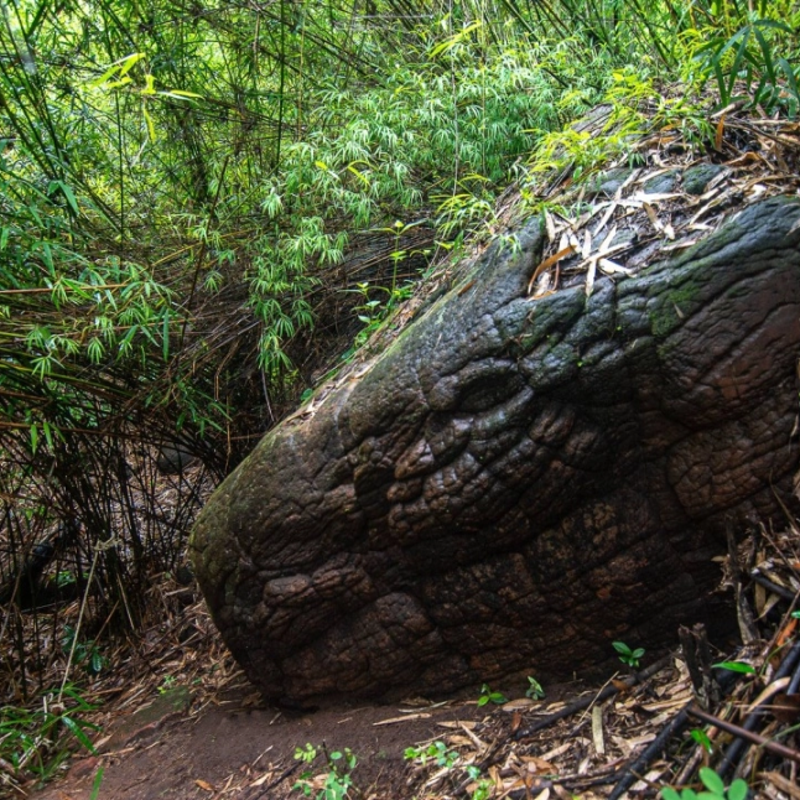
A detailed guide to hiking the Naga Cave, combining physical challenges with ...

Thai filmmaker Apichatpong “Joe” Weerasethakul receives France’s highest honour, the Legion of ...

Sailorr and Molly Santana’s black grills fuse hip-hop swagger with homage to ...
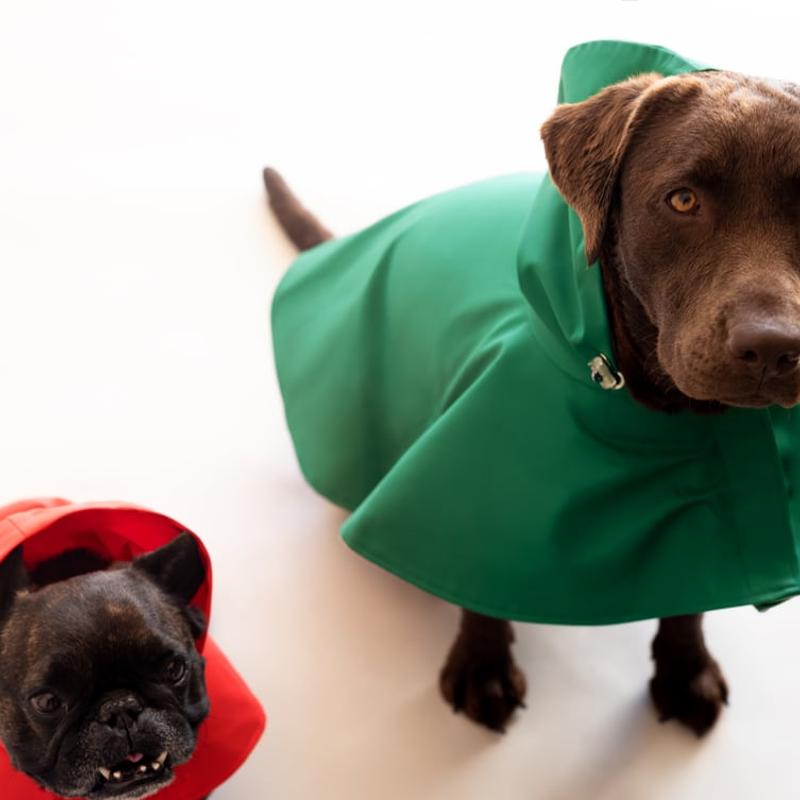
Treat your favorite furry companion some stylish goods Did you ever think ...
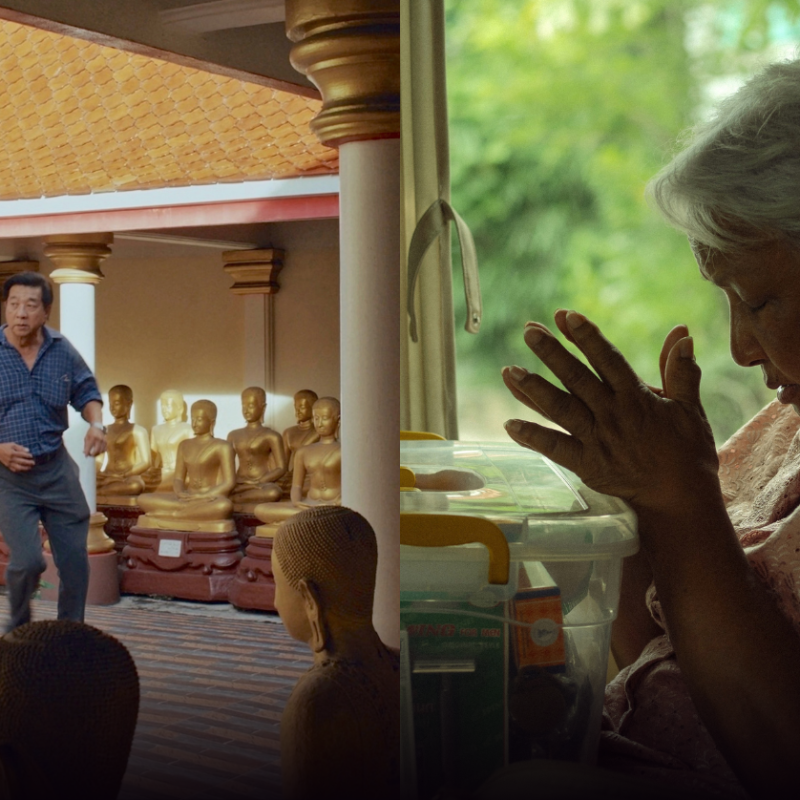
Tanat Sangaramya reviews 9 Temples to Heaven, Sompot Chidgasornpongse's new film on ...
Wee use cookies to deliver your best experience on our website. By using our website, you consent to our cookies in accordance with our cookies policy and privacy policy


