Weekend Getaways
7 Must-Visit National Parks in Thailand and How to Explore Them
Escape Bangkok for Thailand’s 7 best national parks. Discover wildlife, culture and ...




Inspiration can come from almost anywhere: a passing encounter, a half-forgotten memory or something that stays with us long after we wish it wouldn’t. The moments that find their way into art are not always beautiful. Some are painful, unsettling or even a little absurd. Yet these darker corners of life can reveal something that a prettier picture might leave unseen, opening up questions about who we are and how we live with one another.
Araya Rasdjarmrearnsook finds much of her artistic language in these complexities. Through video, installation, sculpture and writing, she explores memory, femininity, illness and life at society’s margins, balancing tenderness with unease and dark humour. We look at the ideas behind her work, how art can reshape our understanding of the world, and where to see her work in Bangkok.
Araya graduated in printmaking from Silpakorn University and won her first national art prize in 1980. A year later, she held her first international display. In 1990, she earned an MFA in Graphic Art from Hochschule für Bildende Künste Braunschweig in Germany. She returned to Germany in 1993–1994 to study conceptual sculpture, a turning point that led her beyond printmaking and into video, installation, sculpture and writing.
Her work has been shown at the Venice Biennale and documenta, and is held in collections including the Guggenheim in New York and M+ in Hong Kong.

Araya spent decades teaching at Chiang Mai University’s Faculty of Fine Arts, where she established Thailand’s first undergraduate programme in Multidisciplinary Art. Now retired from teaching, she continues to live and work in Chiang Mai. Her home and studio also serve as a shelter for dozens of stray dogs, some of which have found their way into her art.
One of Araya Rasdjarmrearnsook’s most recognised works, Two Planets, has featured in major international exhibitions, including the 2010 Sydney Biennale and dOCUMENTA (13) in 2012. The video series explores a cultural collision between Western masterpieces and everyday life in rural Thailand.

Araya places reproductions of famous European paintings in rural settings, from bamboo groves and riverbanks to open fields. The works include Édouard Manet’s Le Déjeuner sur l’herbe, Jean-François Millet’s Des glaneuses, Pierre-Auguste Renoir’s Bal du moulin de la Galette and Vincent van Gogh’s La méridienne, dit aussi La sieste, d’après Millet. Local villagers gather to discuss the paintings in their own words, often with humour and curiosity.
These encounters challenge the authority of Western art history and the idea that a masterpiece has one fixed meaning. Araya invites audiences to reconsider how culture shapes our understanding of art and whose interpretations receive recognition.
In The Class, Araya turns a hospital morgue in Chiang Mai into a classroom. She lectures six unclaimed bodies on death, its philosophical meanings and its place in cultural and religious beliefs.

The scene is unsettling, with moments of dark humour that expose the limits of our usual ways of talking about mortality. The work tackles society’s discomfort with mortality and its treatment of the dead.
First presented at the 2005 Venice Biennale as part of the Thai Pavilion, The Class reflects Araya’s wider interest in overlooked lives and the dignity often denied to those society leaves behind.
Araya’s relationship with the dozens of stray dogs she shelters in Chiang Mai has become part of her artistic world. These connections came together in The Bouquet and the Wreath, her first large-scale survey exhibition at MAIIAM Contemporary Art Museum in Chiang Mai, which ended in May 2026. Spanning 45 years of her practice, the show included Dog’s Palatial Castle, a sculptural work featuring portraits of her dogs, both living and deceased.

If you’d like to see Araya’s work in Bangkok, Giving Life at Dib Bangkok offers another look into her world. Here her works explore birth, death and the connections between them through personal experiences of loss, family and companionship. The event runs from 22 October 2026 – 3 May 2027.

In The Birth I and The Birth II, two swaddled figures curl into fetal positions, their forms suggesting both a womb and a tomb. The prints draw on Araya’s own childhood: her mother died during childbirth when she was three, and her stepmother died the same way three years later. These early losses left her with an intimate understanding of how birth and death can exist side by side.

Nearby, Dinner with Cancer (Rebirth) revisits an earlier work inspired by her father’s battle with cancer. The installation incorporates a bed and medical equipment from the hospital where he received treatment, recalling the time they spent together there. In the video Reading Inaow for a Female Corpse, Araya reads Thai literature to a deceased woman. Her attention questions the idea of corpses as something to fear, while exploring the power of words to reach across boundaries of life and death.

Two sculptures of her dogs, Noo-Nil and Aram, bring her relationship with animals into the exhibition.
Across these works, Araya finds meaning in places we might instinctively turn away from and asks us to look beyond discomfort and find meaning in the lives and experiences we often overlook.

Escape Bangkok for Thailand’s 7 best national parks. Discover wildlife, culture and ...

Two icons of modern art come together at Dib26’s Muse: Beyond Human, ...
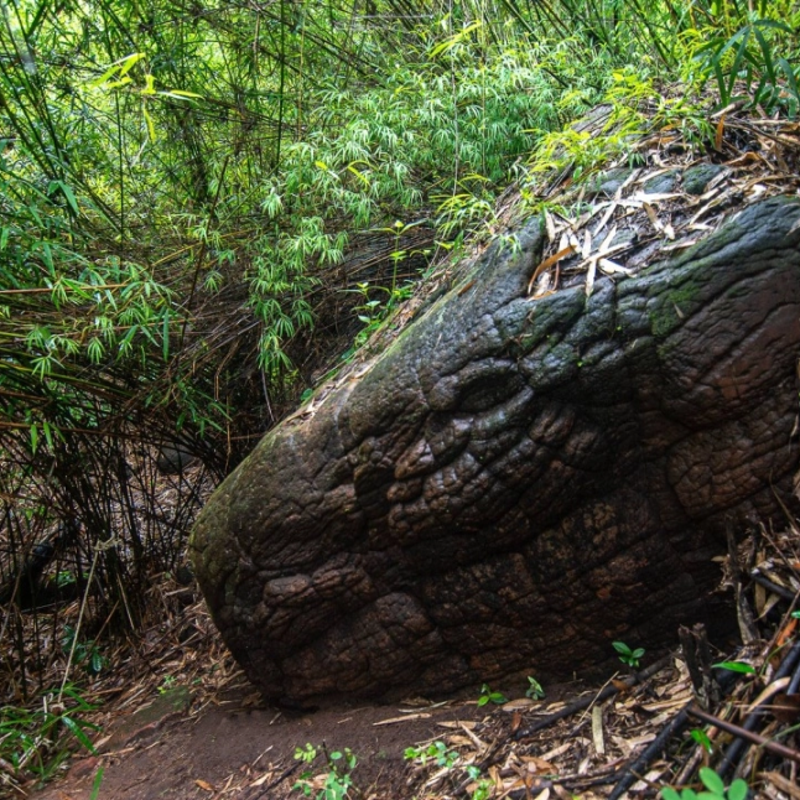
A detailed guide to hiking the Naga Cave, combining physical challenges with ...

Sailorr and Molly Santana’s black grills fuse hip-hop swagger with homage to ...
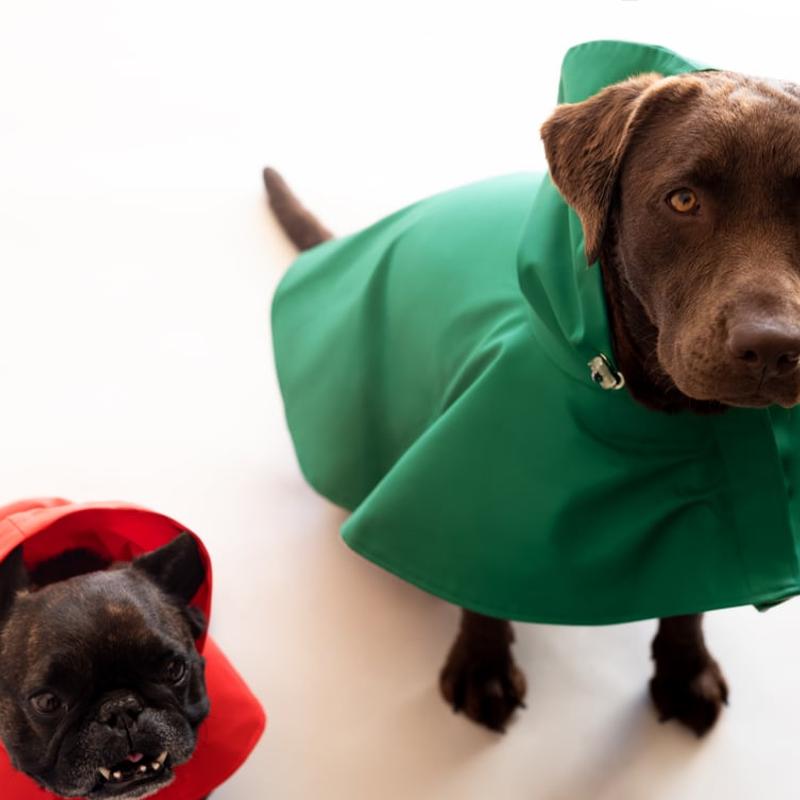
Treat your favorite furry companion some stylish goods Did you ever think ...

Thai filmmaker Apichatpong “Joe” Weerasethakul receives France’s highest honour, the Legion of ...
Wee use cookies to deliver your best experience on our website. By using our website, you consent to our cookies in accordance with our cookies policy and privacy policy


