
Weekend Getaways
7 Must-Visit National Parks in Thailand and How to Explore Them
Escape Bangkok for Thailand’s 7 best national parks. Discover wildlife, culture and ...



Puma’s Meditation in Motion puts running and inner focus in the same frame. For its latest campaign, Puma India brings 40 Buddhist monks from Thiksey Monastery in Ladakh into the story, with the monks wearing the brand’s Deviate PURE NITRO™ running shoes. The campaign arrives ahead of the 13th Ladakh Marathon, taking place from 10-13 September 2026.
The Ladakh Marathon is held at some of the highest altitudes of any major marathon, with its races taking place in and around Leh at roughly 11,000 feet above sea level. Its most demanding event, the 122-kilometre Khardung La Challenge, begins in Nubra Valley and climbs toward Khardung La, reaching altitudes of around 17,600 feet.
At that altitude, the race becomes about more than distance. The thin air slows the body down, makes every breath count, and demands a different kind of focus. It is this idea that Puma brings into its campaign.
Shot at a monastery and across the Ladakh landscape, the campaign draws a connection between two practices that initially seem worlds apart: running and meditation. Puma frames both around focus, discipline and the ability to remain present.
The contrast gives the campaign its visual character. Traditional maroon robes appear alongside modern performance running shoes, creating a meeting point between Ladakh’s Buddhist traditions and contemporary sportswear.
Rather than using the monastery simply as a backdrop, Puma places the monks at the centre of the campaign. Their daily practice becomes a way of exploring the same qualities demanded by long-distance running: patience, control, concentration and inner discipline.
In that sense, the campaign is doing something more interesting than simply saying that running can be meditative. Puma has been associated with the Ladakh Marathon since at least 2024, supplying race-day apparel and specialised gear, so the relationship with the event is not new. What feels different here is where Puma chooses to take the story.
Puma moves away from the familiar language of performance, flexibility and technical innovation and towards something less tangible: inner discipline. We have seen the brand take a much more fashion-led approach in campaigns such as its work with Rosé of BLACKPINK. In Ladakh, however, the product is placed in a very different cultural vocabulary.
The monks bring something a performance shoe cannot communicate through product features alone: focus, discipline and a different approach to mental wellbeing. The shoe does not become technically better in that setting; what changes is how the product is perceived.
And that is where the campaign becomes worth examining. Brands have long borrowed cultural symbols to give products an emotional dimension, but connecting a commercial sports product with Buddhist monastic life carries a different weight. The monastery is not simply a picturesque location, and the monks are not merely visual shorthand for peace. They represent a living tradition with its own meaning and history.
Puma gives the monks a modern sporting language, while the monks give the shoe something product specifications cannot provide
That is what makes the campaign more than a conventional sports endorsement.
For Puma India, that creates a more culturally specific way to position running. The brand is taking a global sports category and giving it a local point of view, making the campaign feel rooted in its setting rather than simply placing a product against a striking landscape.

Escape Bangkok for Thailand’s 7 best national parks. Discover wildlife, culture and ...

Two icons of modern art come together at Dib26’s Muse: Beyond Human, ...
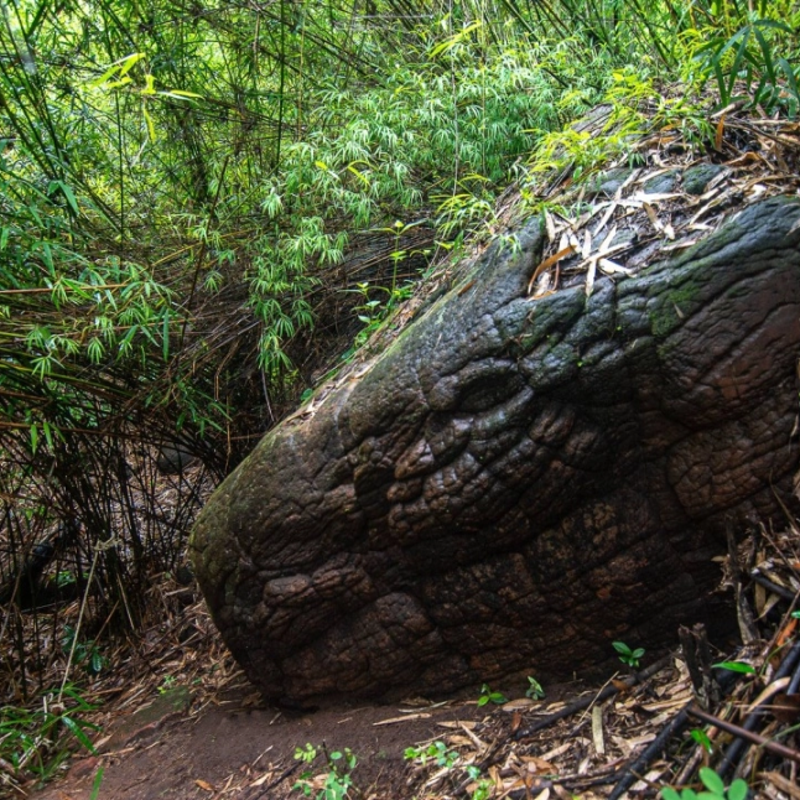
A detailed guide to hiking the Naga Cave, combining physical challenges with ...

Sailorr and Molly Santana’s black grills fuse hip-hop swagger with homage to ...
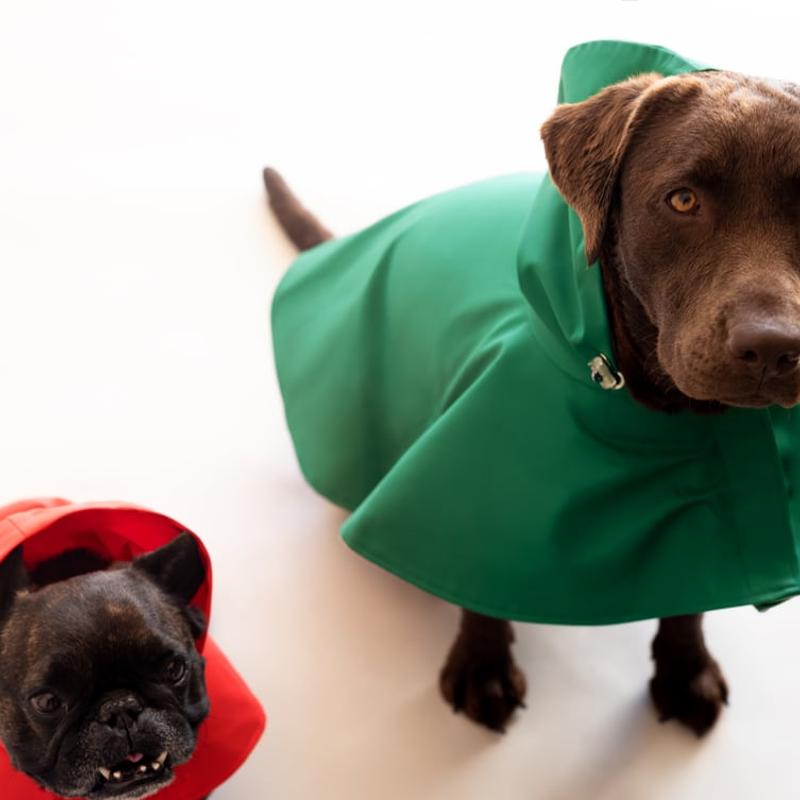
Treat your favorite furry companion some stylish goods Did you ever think ...

Thai filmmaker Apichatpong “Joe” Weerasethakul receives France’s highest honour, the Legion of ...
Wee use cookies to deliver your best experience on our website. By using our website, you consent to our cookies in accordance with our cookies policy and privacy policy


