
Weekend Getaways
7 Must-Visit National Parks in Thailand and How to Explore Them
Escape Bangkok for Thailand’s 7 best national parks. Discover wildlife, culture and ...


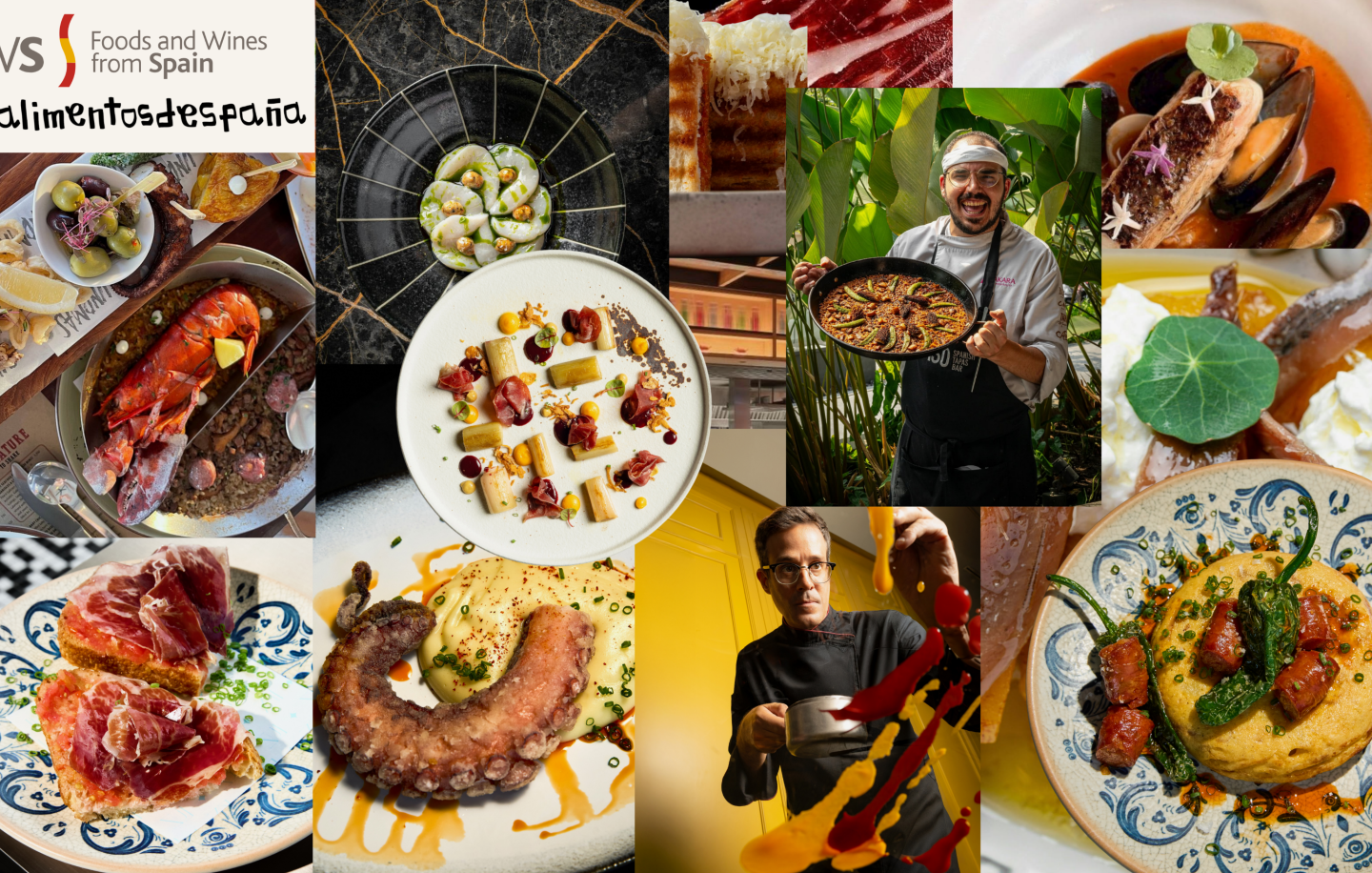
Spain is a country best understood through its food. From sizzling paella and plates of jamón to garlicky prawns, crisp croquetas and seafood fresh from the coast, Spanish cuisine is full of dishes with stories to tell. Sometimes, finding an authentic taste of Spain in Thailand can feel like a challenge. But look a little closer and there’s plenty to discover. There is also plenty of familiar ground for Thai diners. Spain, like Thailand, has a deep relationship with rice, seafood and shared meals. But look closer and its cuisine opens into a much bigger picture, shaped by different regions, climates and centuries of culinary exchange.

Spain’s long coastline brings seafood to the table, while its Mediterranean climate provides olive oil, vegetables and rice. Inland, different landscapes have shaped dishes around what grows locally and what people have cooked for generations. Even the way Spaniards eat tells a story. The tradition of ordering several small plates and sharing them reflects this social side of Spanish food culture, where a meal is as much about being together as it is about what is on the plate.
The Restaurants from Spain certification, created by ICEX Spain Trade and Investment (ICEX), helps diners find them. The seal recognises restaurants around the world that meet specific standards for authentic Spanish cuisine, including the use of quality Spanish ingredients and traditional dishes. In Thailand, these certified restaurants offer a way to travel through Spain without leaving the country. Here are some of the dishes worth knowing and where to try them.

Rice, or arroz in Spanish, is a familiar part of everyday life in Thailand and there’s a surprisingly strong connection to it in Spain too. While bread, pasta and potatoes often come to mind when we think of European food, rice has been part of Spanish cooking for more than 1,300 years. Rice has been cultivated in Spain since the Middle Ages, when it was introduced to the Iberian Peninsula through the Islamic world. Over time, it became an important part of Spanish food culture, particularly in regions where rice cultivation flourished. . Today, Spain is one of Europe’s leading rice producers and arroz remains at the heart of many of the country’s favourite dishes.

Rice in Spain can be the main event, cooked with local ingredients and made for sharing around the table. Paella is its most famous. The name actually comes from the wide, shallow pan used to cook it and its story begins in Valencia, where rice has been part of local cooking for generations. Around the Albufera wetlands, farmers and farm workers made a simple meal with what was available to them, including rice, beans, vegetables, rabbit and chicken. It was cooked over an open fire and shared at the end of the day.
As paella spread beyond Valencia, different versions emerged. Seafood paella became one of the most popular, especially along Spain’s coast, with prawns, mussels, squid and other local seafood taking the place of meat. Its large pan and shareable nature helped turn a local dish into one of Spain’s best-known foods.

But paella is only one way Spain cooks arroz. Across the country, rice takes many forms, from dry and lightly toasted dishes to rich, brothy versions shaped by local ingredients and traditions.
For anyone who loves rice, this is where Spanish cuisine gets interesting. The same grain can become a completely different dish.
Arroz
Recommended dish: Truffle Mushroom Paella
A vegetarian paella with al dente rice, truffle, mixed mushrooms and cheese.
La Cava Phuket
Recommended dish: Arroz Negro
Squid-ink rice topped with succulent Atlantic prawns for a rich seafood dish.
Little Spain
Recommended dish: Crab Paella
A seafood paella that brings Spanish rice together with fresh Thai crab.
Paella House, Tapas Wine & Bar by El Tapeo
Recommended dish: Valencia Paella
Saffron, chicken and sofrito come together in this traditional Valencian-style paella.
Pura Brasa
Recommended dish: Beef Paella a la Llauna
Slow-cooked red-wine beef cheek meets saffron rice in this hearty paella.
Taburete
Recommended dish: Arroz a la Montaña
Rustic mountain rice with pork ribs, chicken, white beans and rosemary.
The Breeza at Meliá Koh Samui
Recommended dish: Seafood Paella
Saffron rice comes with prawns, calamari, mussels, clams and fresh lemon.
UNO MÁS
Recommended dish: Black Ink Paella
Squid-ink rice with snow fish, crispy calamari and creamy garlic aioli.
Walk into a Spanish bar and you may quickly realise that dinner doesn’t always arrive as one big plate. Tapas are more than just a way of serving food and the word itself has an interesting story. Tapa means “lid” or “cover” in Spanish. One popular story traces the name back to the old habit of covering a glass of wine with a small plate or piece of bread. The exact origin is still debated but the name has long been linked to the small dishes we know today.

Tapas grew into much more than a bite to go with a drink. Over time, it became part of everyday social life in Spain, from stopping at a neighbourhood bar for a quick plate to spending an evening with friends over several rounds. Unlike paella, where one large pan brings everyone together around the same dish, tapas fill the table with different flavours. Order a few, put them in the middle and let everyone have a taste.

Spanish omelette may feel familiar to Thai diners as Thailand has its own beloved kai jiao. But the Spanish version takes a very different approach. Made with potatoes, eggs and olive oil and often onion, Tortilla Española is thicker and softer, with the potatoes giving it a hearty texture.

Croquetas are a little taste of Spanish home cooking. They were traditionally a clever way to use up leftovers, with béchamel turning leftover meat or other ingredients into a creamy filling before the croquetas were coated in breadcrumbs and fried. Jamón is one of the most classic fillings but you’ll find versions made with everything from chicken and mushrooms to seafood.

These small green peppers from Galicia are usually fried in olive oil and finished with a little salt. Most are mild but every now and then one comes with a surprising kick. That element of surprise is part of their charm and makes them particularly fun to share.

A simple toasted ham and cheese sandwich, the Bikini is a Barcelona classic. It takes its name from the Sala Bikini nightclub, where the sandwich became popular in the 1950s. Think of it as Spain’s take on a grilled ham-and-cheese, with a crisp golden outside and warm, melted cheese inside.
So where should you start? Here are our picks of certified restaurants and what to order at each one.
Albricias
Recommended dish: Slow-cooked leek with cecina and cherry coulis
The leek is slow-cooked with smoky cecina and bright cherry coulis.
Don Pepe
Recommended dish: Bomba Queso
Crispy croquette filled with four Spanish cheeses and romesco sauce.
El Tapeo
Recommended dish: Croquetas de Jamón Ibérico
Creamy croquettes wrapped with rich, savoury Ibérico ham.
El Willy Spanish Kitchen
Recommended dish: Bikini Ibérico
Crispy bread, Ibérico ham, melted cheese and porcini mushrooms.
La Salada
Recommended dish: Gazpacho
Chilled Andalusian tomato soup with fresh vegetables, olive oil and garlic.
Taberna Jamón Jamón
Recommended dish: Chorizo Omelette
Spanish omelette with farm-fresh eggs, potatoes and homemade chorizo.
Tinto Tapas N Wine
Recommended dish: Jamón con Pan Tomate
Toasted tomato bread topped with slices of Ibérico ham.
In Spain, the sea often tells you what is for dinner. Surrounded by the Atlantic Ocean and the Mediterranean Sea, Spain has a close relationship with its coastline and seafood has long been part of everyday cooking across the country. Fishing communities developed their own recipes around the catch of the day, while trade helped seafood and coastal ingredients travel far beyond the ports where they arrived. Over time, fish and shellfish became part of regional cuisines across Spain, from grilled fish and seafood stews to rice dishes and small plates served at bars.

The seafood changes with the landscape. Galicia in the north is known for shellfish, octopus from the cold Atlantic waters, while the Mediterranean coast is associated with prawns, squid and seafood rice dishes. The Basque Country has a long fishing tradition and Andalusia is famous for fried fish and seafood enjoyed close to the sea. Together, these regions help explain why seafood plays such an important role in Spanish food today.
For many Spaniards, good seafood does not need much. Along the coast, fish and shellfish are often grilled with olive oil, garlic and salt. Grilled prawns, whole fish and squid are common choices, served with bread, lemon and a few simple sides.

Prawns, garlic, olive oil and chilli come together in this much-loved Spanish dish. The prawns cook directly in the hot olive oil, which takes on the flavour of the garlic and chilli. Traditionally served sizzling in a small earthenware dish, it is often enjoyed with bread to soak up the garlicky oil.

Carabinero is a large red prawn prized in Spain for its deep colour and rich, intense flavour. Often grilled a la brasa or a la plancha with little more than olive oil and salt, it is also used in rice dishes, where the heads and shells add a rich seafood flavour.

In Galicia, octopus is part of local food culture and often appears at the small rural pulpería eateries and festivals. It is boiled until tender, cut into thick slices and served on a wooden plate with olive oil, paprika and coarse salt, often with boiled potatoes.

Grilled fish has long been part of life in Spain’s coastal fishing towns, where the day’s catch can go straight from the market to the grill. Whole fish is cooked over charcoal or wood with olive oil and salt, with little else needed.
Below are some suggested restaurants and their seafood dishes.
Bodegas Wine and Restaurant
Recommended dish: Txangurro a la Donostiarra
Basque-style crab made with fresh local Thai blue swimmer crab.
Fuego
Recommended dish: Hamaguri “en Salsa”
Hamaguri clams with white wine, dashi sauce and grilled sourdough.
Latirra
Recommended dish: Carabinero
Charcoal-grilled Mediterranean red prawn with sofrito and béarnaise.
Luz Bangkok Tapas Bar
Recommended dish: Dorada Asada
Mediterranean sea bream with prawns and baked potato.
PaLeTa
Recommended dish: Angulas al Ajillo Gambas
Spanish-style mock elver gulas and prawns sautéed with garlic and dried chilli.
SOPA Restaurant
Recommended dish: Galician Octopus
Tender Galician-style octopus with olive oil, paprika and potatoes.
VASO
Recommended dish: Grilled Seabream
Grilled seabream served with garlic sauce and simple seasoning.
There is more to Spanish food than any one dish or region. If this guide has left you curious to try more, Eat Spain Drink Spain Thailand offers another way to explore Spanish food and wine in Thailand. Organised by ICEX Trade and Investment through the Spanish Commercial Office in Bangkok, as part of the Spain Food Nation campaign, the festival brings together restaurants, producers and partners with special events, menus and experiences centred on Spanish gastronomy.
Keep an eye out for Eat Spain Drink Spain events and participating venues across Thailand.
And the Spanish dining list doesn’t stop here. Cante, Beso Beso, Luma, Amalur, Malamar, Movida, La Feria, Tasca Sabio, Unit 102 – PaLeTa and Malifeta are currently under assessment for the Restaurants from Spain seal, with even more places to explore as Spanish food gains a stronger presence in Thailand.

Escape Bangkok for Thailand’s 7 best national parks. Discover wildlife, culture and ...

Treat your favorite furry companion some stylish goods Did you ever think ...

Japan’s famous Tsutaya Bookstore opens at One Bangkok this October 2026 with ...

L’On Art Festival makes its debut in Bangkok with live painting, workshops, ...

Bangkok’s most expensive business set lunch? Diners at Anne-Sophie Pic at Le ...

Singapore’s Burnt Ends is bringing the fire to Bangkok. Chef Dave Pynt ...
Wee use cookies to deliver your best experience on our website. By using our website, you consent to our cookies in accordance with our cookies policy and privacy policy


