Weekend Getaways
7 Must-Visit National Parks in Thailand and How to Explore Them
Escape Bangkok for Thailand’s 7 best national parks. Discover wildlife, culture and ...


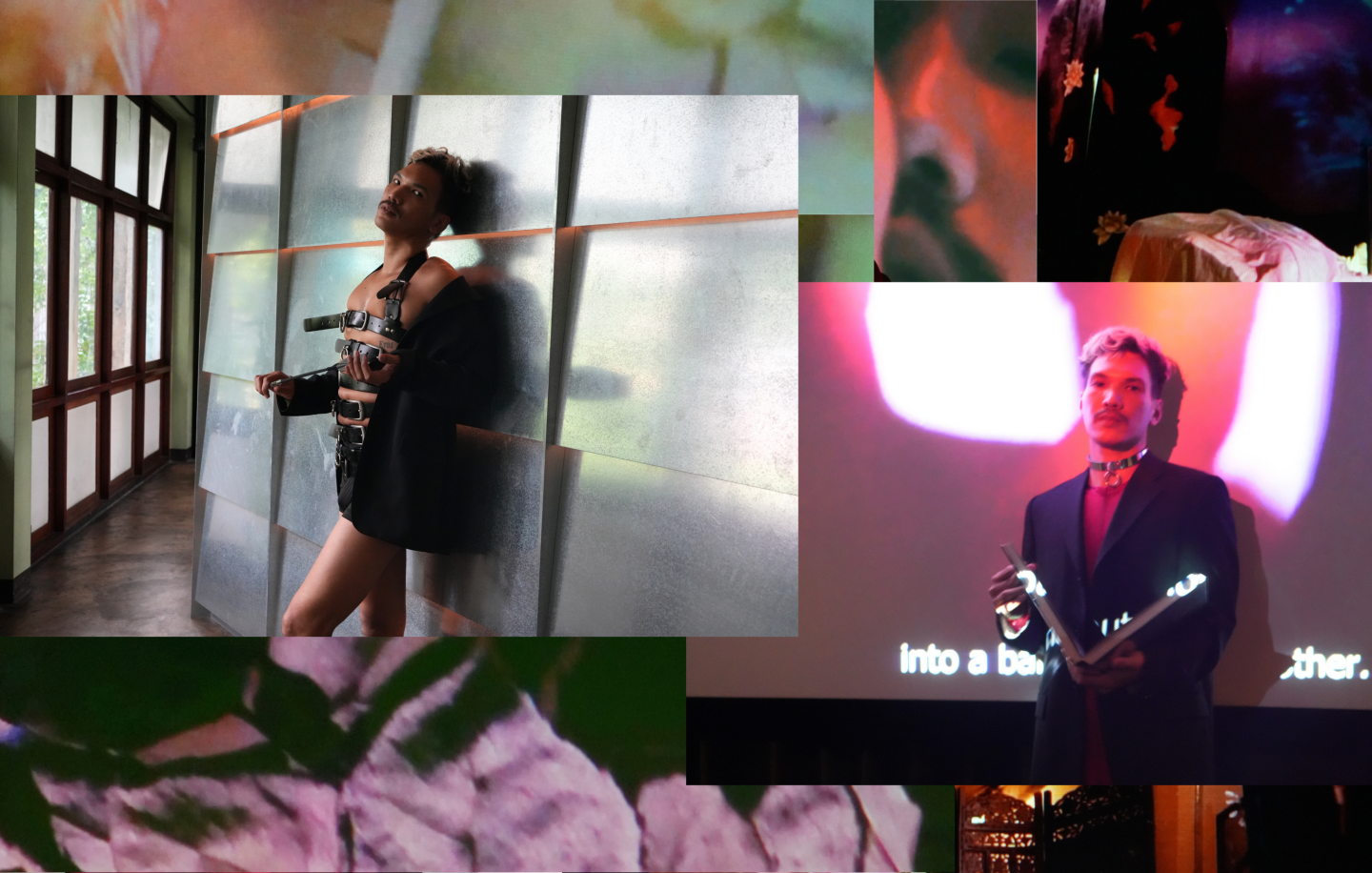

Queer stories deserve queer eyes. Meet the filmmaker who asks who gets to hold the camera.
Pattanapong “Oat” Montien is an artist who has never been bound to a single form. His practice moves between writing, illustration, painting, performance and curation, each becoming a different language to explore identity, desire and experiences that often exist outside the mainstream.
As the founder of Bodhisattava Gallery, Thailand’s first gallery dedicated to Southeast Asian LGBTQ+ artists, Oat has spent years creating space for voices that are often overlooked. His move into filmmaking feels less like a new direction and more like a natural extension of the same instinct: questioning whose stories are preserved, how they are seen and who gets to tell them.
Some artists choose a medium. Others simply follow wherever the story needs to go. Film has become another way for Oat to build worlds, challenge familiar images and look beyond aesthetics into the ideas and histories behind them.
We met Oat at Sala Saneha to talk about his journey into filmmaking and what lies beyond each frame: the memories, questions and perspectives that continue to shape his work.

You may first encounter Oat at a gallery opening, on your social media feed or in a university classroom teaching communication design and art. Whatever the setting, his creative work often explores identity, history and queer experiences. But before filmmaking became part of his practice, he had always seen himself as a storyteller.
“I’ve always known I’m a storyteller. I started as a writer, contributing to magazines. Writing was something I loved but I also illustrated many of my columns, so my words and images were always in conversation with each other.”
The turning point came in 2022 during the Covid-19 pandemic when Oat joined an artist residency at the Patpong Museum. Living inside the museum, he interviewed people connected to the neighbourhood, driven by his fascination with history and personal stories.
“The stories were incredible. I realised that photographs or writing alone weren’t enough. I wanted a medium that could hold everything.”
That experience led to his first film, Patpong Narcissus (2023), a tribute to James Bidgood’s 1971 film Pink Narcissus. With no formal filmmaking background, Oat found himself shooting inside Patpong while the district was closed during the pandemic, giving him rare access to locations that would normally be impossible to film. He credits Michael Messner, founder of the Patpong Museum, for making the project possible.
“I realised filmmaking was amazing. It could preserve so many things without needing a traditional storyline.”
Later in 2023, he returned to filmmaking while creating an exhibition about his late father, who had loved Western films and cowboy culture. Oat responded with a queer cowboy film that reshaped familiar symbols of masculinity through his own perspective.
“I wanted to make a cowboy film but in my own way, that of a queer cowboy.”
Filmed on Super 8 in California’s Pioneer Town, the work explored both his relationship with his father and cinema’s influence on cultural identity. It also deepened his interest in film as a medium that can question ideas about masculinity, history and identity.
“The Ministry of Culture acquired artwork from my cowboy series with total value of THB 1,491,000, and my father was born in 2491. That number 491 was not a coincident!”
His practice continued to grow with 16mm filmmaking workshop and showcase at the Bangkok Experimental Film Festival, curated by Apichatpong Weerasethakul, in 2025. Since then, his work has continued to be screened at exhibitions and film festivals all over the world.
“I guess this was when I realised I had become a filmmaker,”
he laughed.

His transition into filmmaking grew from the same curiosity that shaped his earlier work. The medium has changed but his central questions remain: whose stories are preserved, whose voices are heard and who gets to hold the camera.
“I realised queer people, especially queer Asians, rarely get to hold the camera. Our stories are often told by someone else.”

One thing has remained constant throughout Oat’s practice, even as his medium has shifted from writing and illustration to film. The message always comes first.
“Nothing is made in a vacuum. Every work comes from a particular time and place. You can interpret my work however you want, but you can’t separate it from the context it comes from.”
One work that best reflects this philosophy is Pearl Boy (2025), commissioned for the Thailand Biennale by Thailand’s Ministry of Culture. For Oat, the commission carried a certain irony.
“The Ministry of Culture commissioned me to make an erotic film. I mean… that’s iconic.”
For a queer artist whose work openly explores sexuality, the moment marked a shift in how those stories could be seen.
The film also draws from Oat’s own childhood. He grew up around karaoke bars and nightlife, where his mother worked. By the age of eight, he was already operating the spotlight for performers. The glow of neon lights, glitter and erotic performance became part of his visual vocabulary long before he entered the art world.
Set in Phuket, Pearl Boy tells the story of sex workers through one of the island’s best-known symbols: pearls. Just as a pearl forms through irritation before becoming something luminous, Oat saw a parallel with the lives of many sex workers.
Yet the film refuses to define its characters by hardship. After the credits begin, the protagonist appears walking through the city in daylight, filming herself on a phone with confidence and ease.
“I wanted to show that sex workers have agency. Many people choose this life. They’re not only defined by hardship. They’re entitled to happiness too.”
The film has since screened Thailand International LGBTQ+ TV & Film Festival 2026, TONO festival in Mexico, Xposed Film Festival in Berlin and many more. For Oat, however, Pearl Boy is less about international recognition than reclaiming stories he rarely saw represented while growing up.
The erotic body may be the first thing audiences notice but it is never the final subject.
“I’m trying to build a world that’s more inclusive. I never understood why sex work or being queer should be treated as shameful. They’re part of human life and everyone deserves happiness.”
That same openness shapes his filmmaking.
“Experimental film means I don’t know exactly how it will end. We try something, stay open and see where it takes us.”
This spirit of openness also was at the core of his new film Star Dance made with vintage Super8 camera attached with anamorphic lens. This not simply for their aesthetic, but such analog technique connects to the tradition of queer artists who created extraordinary work with limited resources.

“I think about queer filmmakers I admire like James Bidgood, Derek Jarman and Kenneth Anger. James Bidgood built this magical world inside a tiny apartment in New York. That’s what fascinates me. Queer artists have always created entire worlds with very little. The resources may be limited but the imagination is endless.”
Whether through writing, visual art or film, Oat continues to tell stories that challenge assumptions and create space for voices that have long been overlooked. His work is a reminder that imagination, rather than scale or budget, is often what leaves the strongest impression.


Courtesy of Koktail Thailand
These days, Oat’s practice extends beyond making films. He also wants to create conversations around them.
Later this month, he will start his new project: a controversial lecture series at Sala Saneha, the independent cinema, bookstore, bistro and wine bar on Decho Road. The theme of his lectures will be “On Porn”, as the sessions explore erotic cinema as an art form, tracing the films and filmmakers that have shaped his own practice.


Courtesy of Koktail Thailand
Many of those films, from classics like James Bidgood’s Pink Narcissus to contemporary pieces like Matt Lambert’s Pleasure Park (2020), are rarely screened in Thailand. He hopes more people get the chance to experience them outside internet rabbit holes and late-night searches. The venue itself is part of the appeal. Oat has long championed Bangkok’s growing micro-cinema movement and believes watching a film should feel like an occasion.
“I love micro cinemas. You watch a film, have a glass of wine, sit in a beautiful room and stay afterwards to talk. Cinema becomes an experience.”

The evening blends film excerpts with conversation. Scenes from the filmmakers who inspired him sit alongside clips from his own work, opening the floor for discussion instead of treating cinema as something to passively consume.
When I asked whether filmmaking felt like the next chapter of his career, he laughed.
Yes… which is terrifying. I still feel like an imposter….but I know that I am passionate about this craft!”
Then the conversation drifted back to the question that has quietly shaped much of his work.
“Why are we so embarrassed by porn? We watch it alone behind closed doors, but it’s still cinema. You should be able to watch it with other people, talk about it and critique it like any other film.”

Perhaps that is the thread behind everything Oat creates. Across writing, visual art and film, his work gives overlooked stories a place to exist, shifts the conversation around who holds the camera and shows that every frame carries a point of view.

Escape Bangkok for Thailand’s 7 best national parks. Discover wildlife, culture and ...
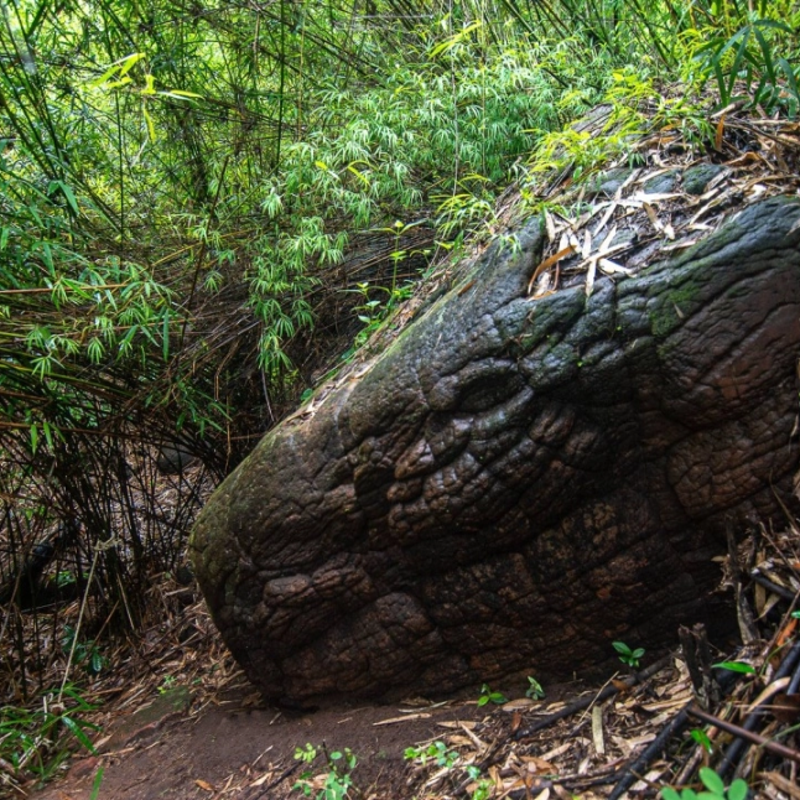
A detailed guide to hiking the Naga Cave, combining physical challenges with ...

Sailorr and Molly Santana’s black grills fuse hip-hop swagger with homage to ...
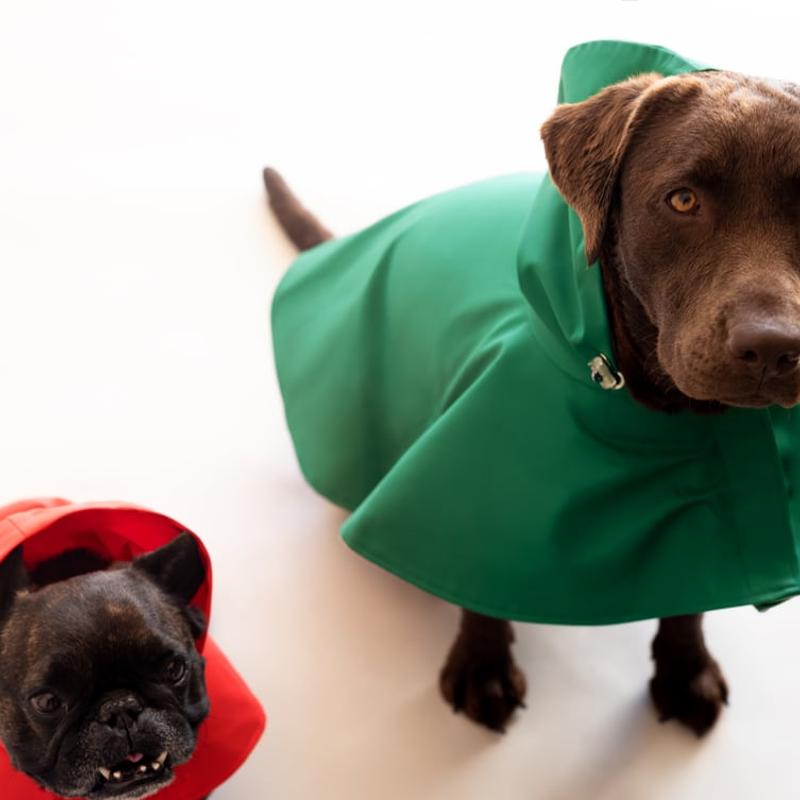
Treat your favorite furry companion some stylish goods Did you ever think ...

Thai filmmaker Apichatpong “Joe” Weerasethakul receives France’s highest honour, the Legion of ...

Koktail celebrates the sixth edition of The Future List with 100 Future ...
Wee use cookies to deliver your best experience on our website. By using our website, you consent to our cookies in accordance with our cookies policy and privacy policy


