
Weekend Getaways
7 Must-Visit National Parks in Thailand and How to Explore Them
Escape Bangkok for Thailand’s 7 best national parks. Discover wildlife, culture and ...


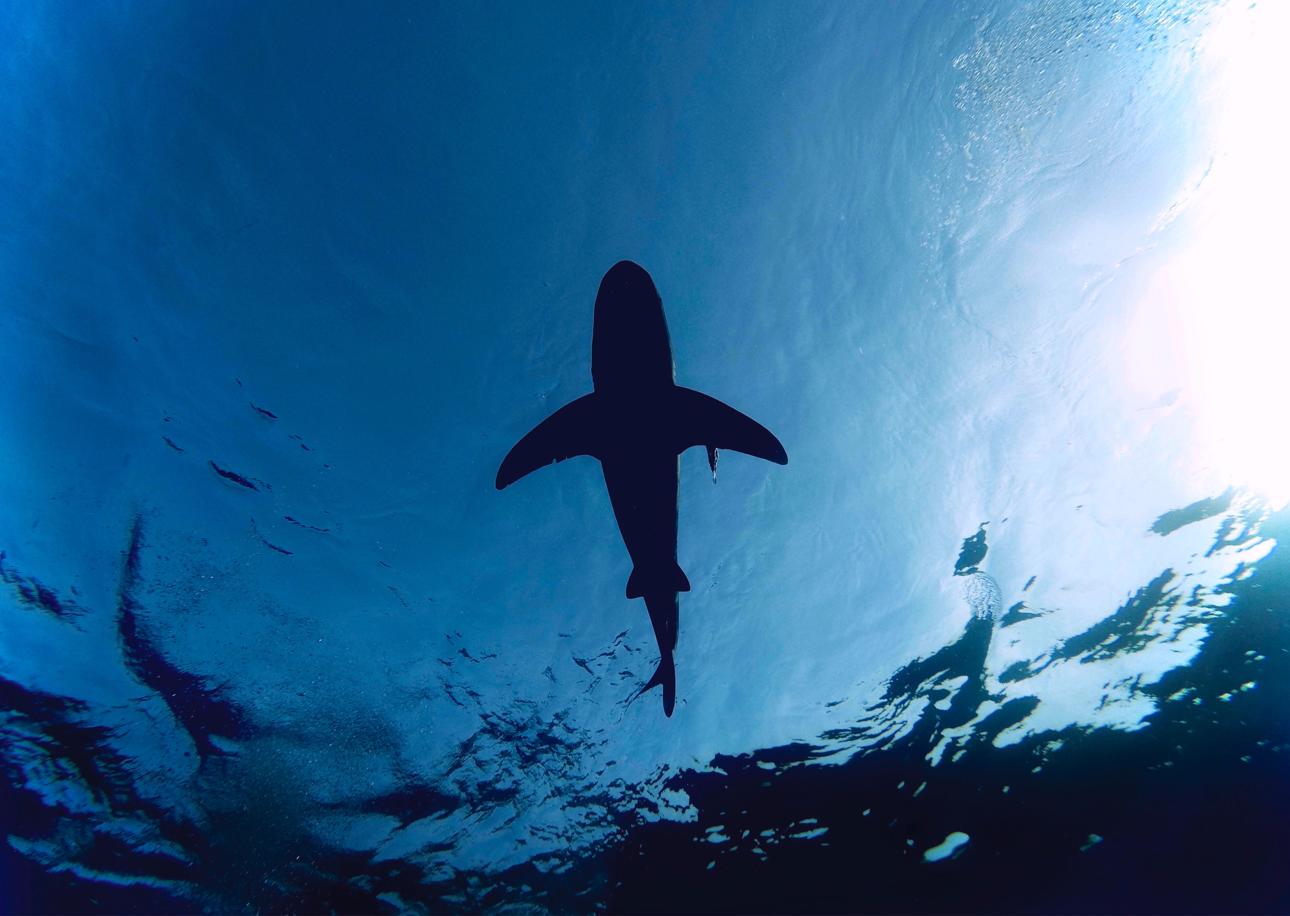
Hawaii just became the first state in the USA to ban shark fishing. As of January 1st, 2022, it has been illegal to knowingly capture, entangle, or kill any species of shark in the Aloha State.
Act 51, also known as House bill 533, was signed into law by Governor David Ige—one of several bills aimed at protecting aquatic resources in the state. The announcement took place on World Oceans Day, with Ige taking the opportunity to detail challenges associated with climate change, such as reduced marine biodiversity and reef bleaching. In 2010, Hawaii was also the first state to ban the sale, trade, possession, and distribution of shark fins.
Lawbreakers will face heavy fines for each offense—$500 (16,365 baht) for the first, $2,000 (65,463 baht) for the second, and $10,000 (327,315 baht) for each following offense.
The new law is a crucial step to protecting native wildlife. Each year, around 100 million sharks are killed. That’s literally 200 sharks per minute. These creatures have occupied the oceans for 450 million years, and have survived four mass extinction events. Humans have failed to realize we do more harm than good by removing sharks from the ocean.
In marine ecosystems, sharks are the apex predators. They keep the fish populations in check. A drop in the shark population causes an increase in the population of one or more of the sharks’ prey species, leading to a depletion of natural resources.
According to a recent study, coral reefs may also benefit from the protection of sharks. The loss of sharks has been shown to trigger an increase of smaller predators that prey on herbivorous fish. Without enough grazers left, algae can quickly overgrow a coral reef—which will ultimately reduce biodiversity and decrease the resilience of the reef to disturbances such as coral bleaching and storms.
Sharks also play an essential role in the carbon cycle, since they help support healthy seagrass by preventing overgrazing. Carbon is absorbed and stored in vast amounts by seagrasses, which blocks greenhouse gas from warming the atmosphere. Sharks store a lot of carbon in their own bodies too. By removing large fish like sharks or whales, the ocean’s capacity to store carbon will be reduced by millions of tons, accelerating the global warming process.

Escape Bangkok for Thailand’s 7 best national parks. Discover wildlife, culture and ...

Treat your favorite furry companion some stylish goods Did you ever think ...

Japan’s famous Tsutaya Bookstore opens at One Bangkok this October 2026 with ...

From fish sauce cookies to mala ice cream, discover the strange and ...

L’On Art Festival makes its debut in Bangkok with live painting, workshops, ...

From Chanel in Bangkok to Dior with A24, luxury enters new cultural ...
 English English
  Thai
Thai
Wee use cookies to deliver your best experience on our website. By using our website, you consent to our cookies in accordance with our cookies policy and privacy policy


