Weekend Getaways
7 Must-Visit National Parks in Thailand and How to Explore Them
Escape Bangkok for Thailand’s 7 best national parks. Discover wildlife, culture and ...




Modern life runs on convenience. We order takeaway, grab a coffee on the way to work and rely on packaging that makes it all possible. But convenience comes at an environmental cost. Much of this packaging is used only once before it is thrown away, adding to a growing mountain of waste. As consumption continues to rise, the challenge is to find materials that serve the needs of modern life without placing such a heavy burden on the environment.
Premjit “Wu” Nualchawee sees this as an opportunity to rethink the materials we use and the resources we often overlook. Her work explores alternatives to conventional packaging and aims to make more responsible materials a practical part of everyday business and consumption.
With an academic background in engineering and business management, Wu has built a career that bridges technical knowledge and commercial operations. She studied Industrial Engineering at Kasetsart University before completing further degrees in Engineering and Industrial Management at Chulalongkorn University and Engineering Business Management at the University of Warwick in the UK.
Over the past 17 years, she has gained international experience across the food and beverage, manufacturing and sustainability sectors. Her career included a role at Nestlé, where she worked in corporate operations performance and strategic deployment across the Asia-Oceania region. She later moved into international food and beverage trade, with experience across markets such as Australia, Japan, China, the United States and Scandinavia.
These roles gave her a broad understanding of commercial operations and the challenges companies face across different markets. They also brought her closer to the environmental cost of everyday products. She became particularly concerned about the amount of plastic waste generated by packaging, which she saw as an area where companies could make a meaningful difference.
In 2017, Wu founded HLM Corporate Co. Ltd., which established ZERRA as its brand for sustainable packaging and environmental solutions. The company draws on research and expertise from around the world to create solutions for different industries and applications. Its work includes BioKorn, a brand focused on bio-based polymers as alternatives to conventional plastics, as well as advanced materials designed to biodegrade naturally on land and in marine environments. HLM also works with local communities to create environmentally friendly packaging for the hospitality sector. Other innovations include technology that produces drinking water from air, which can help companies reduce their reliance on bottled water and single-use plastic containers.

While HLM focuses on developing environmental materials and technologies, ZERRA brings these ideas into the marketplace through a model that connects farmers, local communities and corporate customers. The brand works with farmers to source agricultural by-products that might otherwise go to waste, then works with scientists and designers to turn them into higher-value products, including packaging for food service, retail and hospitality businesses. The model also creates jobs, particularly for women, and additional income opportunities for farmers. International technology and research partnerships help bring new biomaterials and solutions to market.
Beyond product development, ZERRA works with communities to put sustainable practices into action. At the 2025 Loy Krathong Festival in Sukhothai, HLM Corporate joined the Baan Baan Sukhothai initiative to help create a more environmentally responsible festival market. The project introduced biodegradable food containers and worked directly with local vendors to encourage alternatives to plastic packaging.


ZERRA also distributed and demonstrated eco-friendly containers, installed signs to promote waste reduction and sorting, and helped establish separate areas for organic and recyclable waste. A carbon footprint assessment was also planned after the event to support future sustainability efforts.
The project reflects ZERRA’s commitment, which extends beyond developing biodegradable materials to encouraging more responsible choices in everyday life. By working with vendors and local communities, the brand hopes to make sustainable practices easier to adopt and create a model that other markets and festivals can follow.

Through ZERRA Impact, the company extends this vision beyond individual products. It brings together technology, industry and community participation to support circular economies and more responsible supply chains. The ambition is to make environmental progress part of how companies operate while creating lasting value for local livelihoods.
By combining international expertise with Thailand’s agricultural resources, Wu is helping bring practical alternatives to market for businesses and communities.


Escape Bangkok for Thailand’s 7 best national parks. Discover wildlife, culture and ...

Experience BBC Planet Earth III Live in Concert at Wat Arun on ...

Experience the magic of Vijit Chao Phraya 2026, as Bangkok's iconic river ...
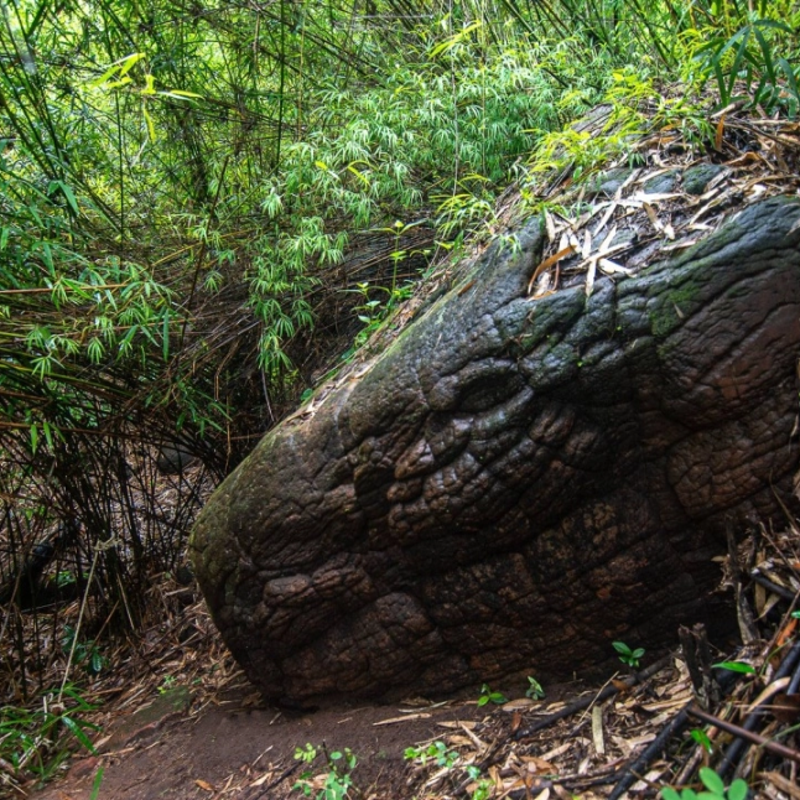
A detailed guide to hiking the Naga Cave, combining physical challenges with ...

Sailorr and Molly Santana’s black grills fuse hip-hop swagger with homage to ...

The timeless elegance of Thailand’s beloved queen, whose grace and vision shaped ...
Wee use cookies to deliver your best experience on our website. By using our website, you consent to our cookies in accordance with our cookies policy and privacy policy


