Weekend Getaways
7 Must-Visit National Parks in Thailand and How to Explore Them
Escape Bangkok for Thailand’s 7 best national parks. Discover wildlife, culture and ...




Bangkok’s matcha trend may have peaked in 2025, but Sorawit “Jew” Phankasem was already betting on it in 2020, when he founded MTCH™, one of the city’s early specialty matcha cafés.
Today, the drink is everywhere, from neighbourhood cafés to dedicated tea bars. Thailand has also become one of Japan’s biggest markets for matcha, with Jew seeing an opportunity that goes beyond the current hype.
“Did you know that Thailand is the fourth-largest importer of Japanese matcha powder in the world?”
For Jew, the bigger question is what Thailand can do with that appetite. He wants to raise the bar for specialty tea and put Thailand on the map as a destination for matcha lovers.
Jew started his business in 2019, after working in fashion and retail and completing a master’s degree in the UK. He left his office job to help with the family business, and that gave him time to think about what came next. He wanted to build something of his own, with an idea he genuinely cared about at its centre. Once something catches Jew’s interest, he tends to go deep.
“I first tried matcha when I was in grade 10, more than 20 years ago. I remember thinking it was really delicious. It was so different from the iced tea I was used to.”
One cup led to another. Then came the questions. Why does one blend taste completely different from the next? What changes when it comes from a different region or producer? Jew spent years tasting, studying and learning how to prepare the tea, with his curiosity eventually taking him to Uji, Japan, one of the world’s best-known matcha-producing regions.
“At first, it was simple. Matcha tastes good, has a beautiful colour and smells great. But once you learn more, there is so much more to appreciate. The more you understand what goes into high-quality tea, the more you value it.”
By the time Jew began planning his business, Bangkok already had plenty of good matcha, but it was often one option among many on a menu. He wanted to give the tea more room to shine, creating a place where people could explore its flavours, origins and nuances. As one of Bangkok’s early matcha spot owners, he started MTCH before the drink went viral, with the aim of sharing his passion and helping others discover what makes each cup special.
“Ja-ae also doesn’t drink coffee, so we had to think about what kind of café we could build together. Matcha was something we both connected with.”
He opened MTCH™ with his wife, Chetthida “Ja-ae” Netmukda, and chose a location close to their home in Ari in 2020. The first idea was simple: bring matcha lovers together.
Jew kept pushing his own knowledge further. He tasted, studied, travelled and asked questions, then went back with better ones.
“When I first went to Kyoto more than 10 years ago, I wanted to see what a city known for tea was really like. Then I started getting to know people and asking if I could visit their tea fields.”
The more he learnt, the deeper the rabbit hole went. Many producers come from families that have grown tea for generations. Tea is tied to their land, their family and their identity. Jew found that connection just as important as the green tea itself.
“Matcha is an ingredient, but it also comes with a culture built around it. Sometimes those two things feel inseparable. Good tea is supposed to belong in a tea ceremony, but if we see matcha simply as a good ingredient, we can do much more with it. It becomes a medium that can reach more people and create a new way of enjoying tea.”
That idea also shaped the way Jew built MTCH™. He wanted the experience to feel simple and relaxed. No dress code, no special occasion and no need to know your way around tea. Green tea could be part of everyday life, with the ingredient itself as a starting point for people to discover something more.
The same thinking goes into the menu. A serious tea drinker can explore different products, while someone new to it can find an easy place to start. Even two friends with completely different levels of interest should be able to find something they enjoy.

The pricing follows the same principle. MTCH™ keeps the profit per cup consistent rather than applying the same markup to every tea. That means a more expensive, higher-quality matcha can stay within reach instead of becoming disproportionately expensive. Customers can move up the menu and explore better tea without feeling like the price suddenly puts it out of reach.
Jew describes the tea he serves as a luxury product, with some cups priced between THB 140 and THB 250 for competition-grade powder. Even at that level, he believes the quality makes the price fair. There is room for the drink to be taken seriously without making it feel overpriced.
That balance between quality and accessibility has become one of MTCH™’s strongest business ideas. It has also helped the brand stand out in Bangkok’s crowded matcha scene. MTCH™ was named Best Specialty Matcha 2024 – 2025 at the GrabThumbsUp Awards 2025, recognition that suggests there is room for a serious tea business without making tea feel intimidating.
If you look for MTCH™, you’ll notice that its cafés are not tucked inside shopping malls. Each has a place within a neighbourhood, with its own character and rhythm. Ari, Sukhumvit, Sathorn, Ratchaphruek and now Song Wat each offer a different expression of the brand.
Jew sees having a standalone space as an important part of the experience. Away from the constraints of a mall, he has more freedom to shape the atmosphere, from the music and lighting to the materials and the way people move through the space. Every detail helps communicate what MTCH™ stands for.
“When we have our own space, we can express ourselves much more. If we want to communicate what the brand is about, we need a space where we can control that atmosphere.”
Rather than repeating one design across every branch, Jew lets the surroundings guide each one. The Song Wat branch is a good example. MTCH™ rented the front of a local home and adapted it while preserving its original character. The bar counter is designed like a small house, complete with a roof, while the original house number remains on the window. The space feels at home in Song Wat, where old buildings sit alongside cafés and everyday neighbourhood life. Its design gives the property a new purpose while keeping its history in view.
Sathorn has a different feel. When Jew first saw the corner space inside a guesthouse, it reminded him of the small shops he had come across on the streets of Osaka. Exposed pipes, structural columns and visible building systems became part of the design. The result looks nothing like Song Wat, yet both spaces reflect the same approach by letting the location shape the café.
This has become part of MTCH™’s design language, where contemporary ideas meet older spaces and familiar details take on a new life. Each branch offers a fresh interpretation of the brand, shaped by the character of its surroundings. Jew also views this exchange as part of what makes Bangkok’s café culture exciting. Fresh concepts inspire other businesses and invite people to rethink what a café can be.
Jew hopes Thailand can become known for its tea and café culture, even though matcha itself originates in Japan. That ambition also informs MTCH™’s approach, with standalone branches shaped by their neighbourhoods and designed to give people a reason to visit.
“Thailand is both a producer and a consumer. We grow tea and coffee, and we also have a strong café culture. I think that combination gives us a real advantage.”
“Thailand imports a huge amount of matcha, which shows how strong the market is here. People are now coming to Thailand specifically to visit matcha cafés, taste the tea and see how we do things.”
Local tea producers are also beginning to experiment with Japanese-style powdered tea made from Thai-grown leaves, although production remains limited. Jew sees potential in the wider experience Thailand can offer, from the quality of its cafés to the creativity of their menus and the people who shape the culture around tea.
“Take Dirty coffee, for example. It started at one café in Tokyo, and now you can find it almost everywhere. I’d love to see the same happen with this Japanese tea. Imagine travelling to South Africa one day, walking into a matcha café and finding a cold-whisked matcha latte on the menu, knowing that the idea actually came from Thailand.”
MTCH™’s locations offer one way to discover that experience. From Ari to Song Wat, each branch reveals a different side of Bangkok. Visiting them becomes a way to explore the city itself, one neighbourhood and one cup at a time
“As a brand, we still have the same passion because we believe there is more room for the market to grow. Looking at the bigger picture, I want Thailand to become a destination for people who love tea. People travel to Australia for its coffee and café culture, even though it isn’t necessarily where coffee originated. I’d love to see the same happen here, with people thinking, ‘If I want to drink really good matcha, I should go to Thailand.’”
.

Escape Bangkok for Thailand’s 7 best national parks. Discover wildlife, culture and ...
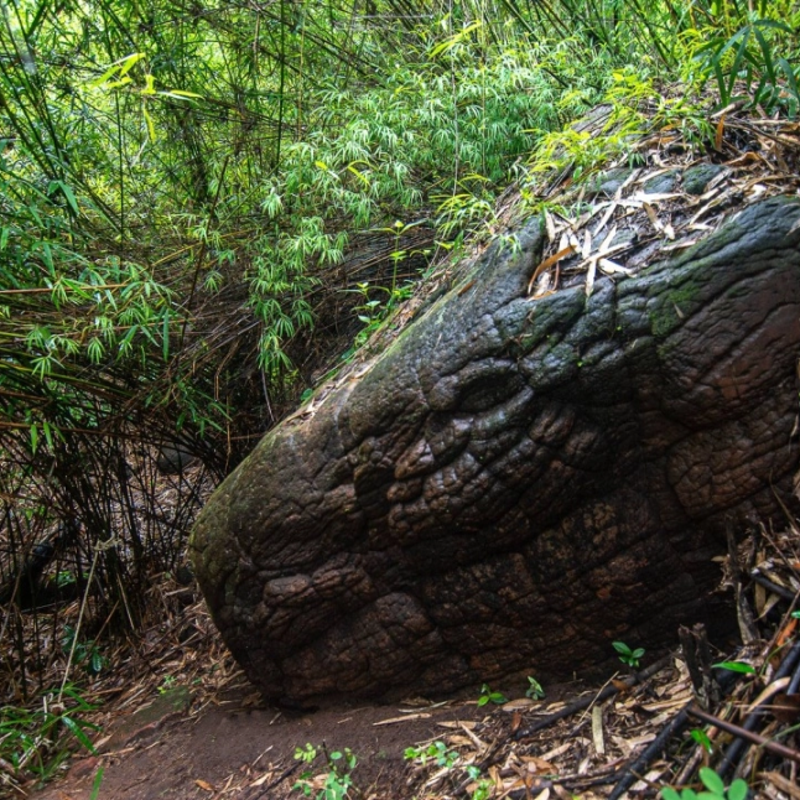
A detailed guide to hiking the Naga Cave, combining physical challenges with ...

Sailorr and Molly Santana’s black grills fuse hip-hop swagger with homage to ...

Treat your favorite furry companion some stylish goods Did you ever think ...

Thai filmmaker Apichatpong “Joe” Weerasethakul receives France’s highest honour, the Legion of ...

Explore seven Bangkok spots for cured beef sandwiches, from wagyu pastrami and ...
Wee use cookies to deliver your best experience on our website. By using our website, you consent to our cookies in accordance with our cookies policy and privacy policy


