
Weekend Getaways
7 Must-Visit National Parks in Thailand and How to Explore Them
Escape Bangkok for Thailand’s 7 best national parks. Discover wildlife, culture and ...



The medical alert bracelet has changed faster than most family conversations about it. The chunky beige plastic band that defined the category for decades has given way to slim metal cuffs and leather straps. Discreet wearables that pass for a watch from across the room have taken over. The shift has caught many adult children off guard.

Image courtesy of Life Assure
Alt text: A Life Assure medical alert wristband shown close-up
One option that has drawn steady attention is Life Assure medical bracelets, a Canadian product line built around discreet, jewelry-style devices. The bracelets carry fall detection, GPS, and two-way voice. The guide below covers why the wellness-style alert bracelet has gained ground and what families should check first.
The shift is driven by three forces that have lined up at once. First, aging parents have grown more vocal about how their wearables look and feel. Second, sensors and batteries have shrunk to the point that real safety features fit into a wristband. Third, the broader smartwatch wave has trained the eye to expect a slim device on the wrist.
The result is a category that no longer reads as a medical product first. A modern alert bracelet sits closer to a fitness tracker than to a hospital wristband. That visual change matters because it removes the social friction that kept many older adults from wearing the older devices at all.
The wider context shows up in the Public Health Agency of Canada’s seniors falls report, which tracks how common falls become with age. A bracelet that gets worn every day is the only one that helps when a fall happens.
Six features have become standard on the better wellness-style alert bracelets.
The full kit usually includes the bracelet, a charger, and a base unit that extends coverage at home.
A wellness-style alert bracelet fits into a routine that already includes a wearable. A parent who already wears a step counter or smartwatch puts the bracelet on at the same time. The drawer, the charger, and the habit are the same. The friction is small once the muscle memory forms.

Image courtesy of Life Assure
Alt text: The full Life Assure medical alert kit laid out
The bracelet sits alongside other low-key wellness habits. Sunscreen, hydration reminders, and gentle exercise all share the same shelf. The design language has moved closer to those products on purpose. The shift away from clinical aesthetics is part of what makes a bracelet stick on the wrist past the first week.
Older adults in modern Bangkok wellness culture are weaving more wearables into their day. The Disney Run Bangkok 2026 is one example where they turn up wearing the same devices they keep at home. The alert bracelet rides that broader wave.
A short pre-purchase pass covers the questions worth asking.
The wider context fits inside Statistics Canada’s women in Canada older women report. The data lays out how common falls and mobility limits become with age. The same multi-generational dynamic plays out in Asian family settings. Chill-day Bangkok restaurants draw mixed-generation diners on a weekend and show the everyday version of that pattern.
A short pass covers the choices worth confirming before placing the order.

Image courtesy of Life Assure
Alt text: A Life Assure GPS-enabled medical alert device on a table
The wellness-style alert bracelet wins because the parent actually wears it. The older devices spent too many days in a drawer because they read as medical equipment. A modern bracelet that looks like a regular wearable stays on the wrist through the shower, the garden, the morning walk, and the evening read.
The safety case is straightforward. A fall that goes unnoticed for hours becomes a serious problem. A fall caught in the first minute usually does not. The bracelet that gets worn every day is the bracelet that catches the fall, and the design shift is what gets it on the wrist in the first place.
Most are designed for all-day wear. Modern straps weigh under 50 grams and use breathable materials. Wearers who already use a fitness tracker rarely notice the extra band.
Not the better models. A bracelet with built-in cellular and GPS works anywhere the cellular network reaches. Wi-Fi can supplement coverage indoors but is not strictly required.
Reliability has improved sharply over the past few years. Modern sensors and software catch most genuine falls and produce fewer false alerts than earlier models. Tuning the sensitivity to the wearer’s daily movement pushes accuracy higher.
Yes, on most modern models. A shower-proof rating is now standard on wellness-style bracelets. Showers and bathrooms are common fall spots, so the ability to wear the device there matters.

Escape Bangkok for Thailand’s 7 best national parks. Discover wildlife, culture and ...

Two icons of modern art come together at Dib26’s Muse: Beyond Human, ...

Sailorr and Molly Santana’s black grills fuse hip-hop swagger with homage to ...

A detailed guide to hiking the Naga Cave, combining physical challenges with ...
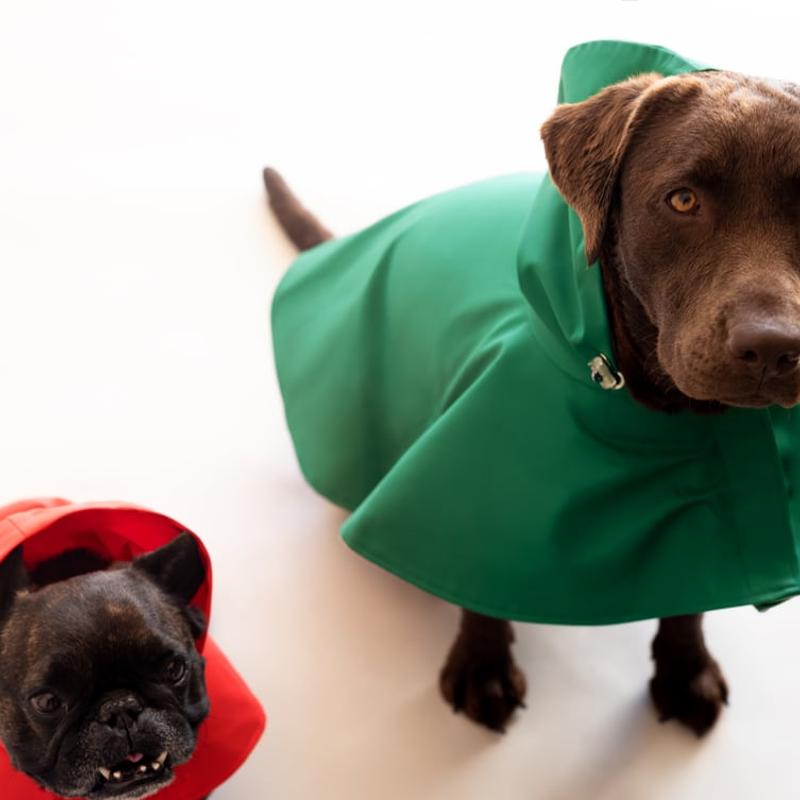
Treat your favorite furry companion some stylish goods Did you ever think ...

Thai filmmaker Apichatpong “Joe” Weerasethakul receives France’s highest honour, the Legion of ...
Wee use cookies to deliver your best experience on our website. By using our website, you consent to our cookies in accordance with our cookies policy and privacy policy


