Weekend Getaways
7 Must-Visit National Parks in Thailand and How to Explore Them
Escape Bangkok for Thailand’s 7 best national parks. Discover wildlife, culture and ...


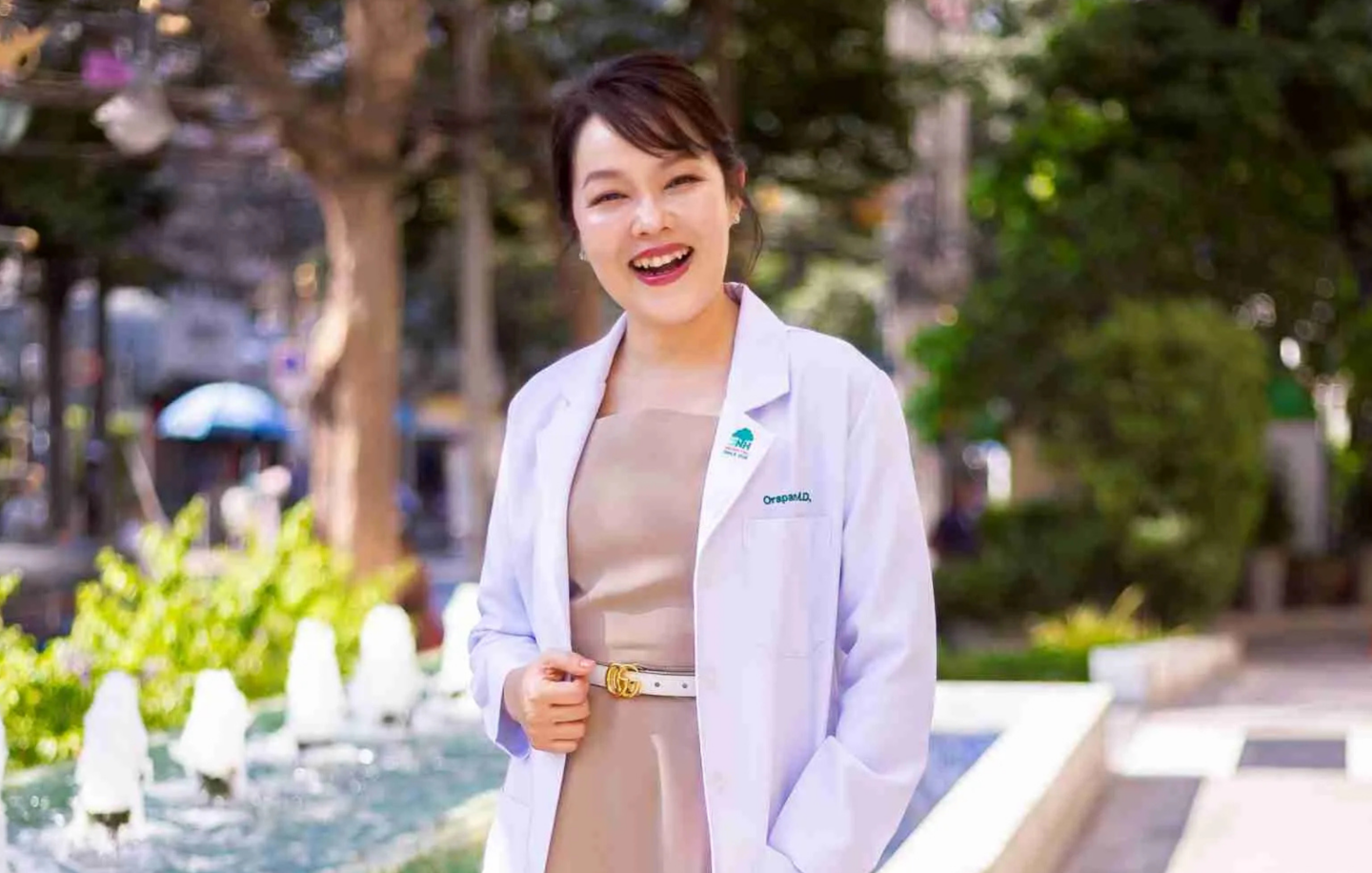

“I want to take care of patients for the rest of my life.”
The sentence sounds simple, almost like a promise made in passing. Yet behind it lies a way of thinking about medicine shaped by the challenges people face every day. What happens when treatment is too expensive, when symptoms become difficult to manage at home or when medical information is hard to understand? These questions have guided Professor Dr Orapan “Ann” Poachanukoon’s work for more than two decades.
Known as “Ann Asthma”, she has dedicated her career to improving life for people with allergies and respiratory conditions. Through her work, we explore how that lifelong commitment has shaped her approach to treatment, research, education and patient support.

Ann’s journey into medicine began with her father, who took her to pay respects to the statue of Prince Mahidol, known as the Father of Thai Medicine. She loved volunteering at rural camps and dreamed of becoming a rural doctor to serve communities with limited access to healthcare.
During medical school, allergy and immunology was a small field that received little attention. Ann initially considered emergency medicine because of its fast-paced environment, but soon realised that the demanding hours might be difficult to sustain throughout her career.
Today, Ann is a professor at Thammasat University’s Faculty of Medicine and director of its allergy centre.
“The main reason I moved beyond treating patients one by one was that I wanted to help more people. I realised that by teaching medical students and training them to become good doctors, I could reach many more patients than I could on my own.”
She also works in research and innovation at BNH Hospital. Medical outreach programmes in underserved communities allow her to stay connected to the original reason she entered the profession: making healthcare more accessible to those who need it.

Alongside her teaching role, Ann continues to see patients at Thammasat University Hospital. There, she met people with asthma who struggled to afford spacers, devices that help them use inhalers effectively. Although healthcare benefits covered many treatments, some essential equipment remained beyond their reach.
“I’m someone who doesn’t give up easily and enjoys solving problems. When I realised that many patients couldn’t afford the equipment they needed, I thought we should find a way to make a simple, locally developed alternative ourselves.”
She worked with the father of a young asthma patient, an engineer at the National Science and Technology Development Agency, to improve the design. Their prototype won awards in South Korea and Switzerland. The recognition attracted support from the Thailand Plastics Institute and led to the development of the more durable Thai Kit Spacer.


Courtesy
Ann distributes the devices through medical outreach programmes and community hospitals nationwide, with a particular focus on children and older adults who need additional support when using inhalers. The project reflects her belief that the cost of essential equipment should not prevent people from managing their condition.


Courtesy of Asthma Talks by Dr.Ann FB
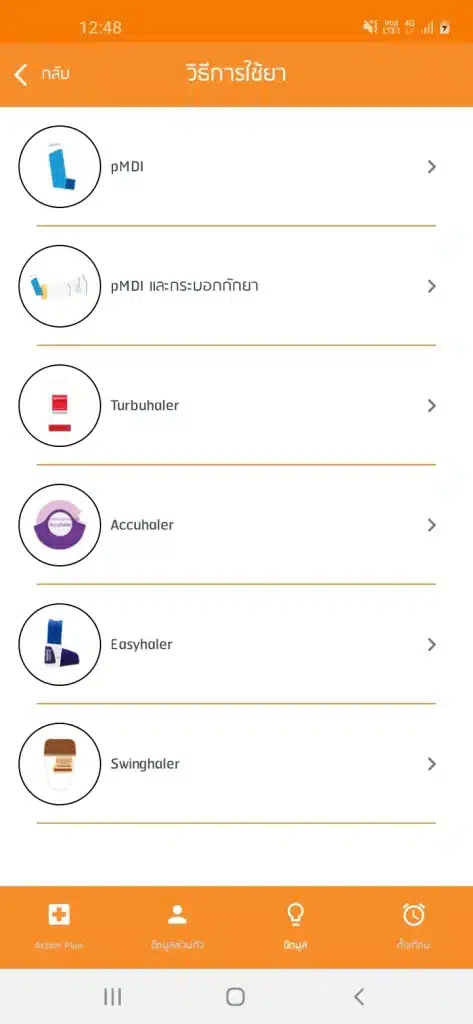
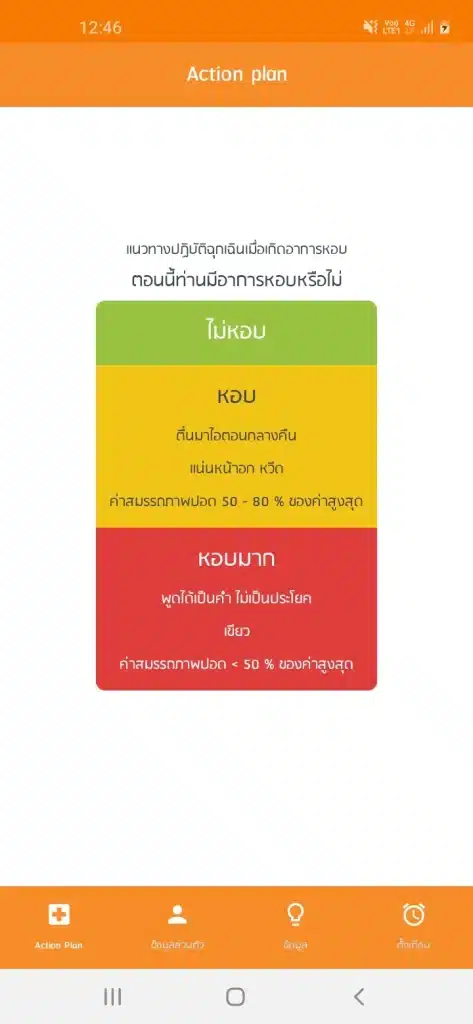
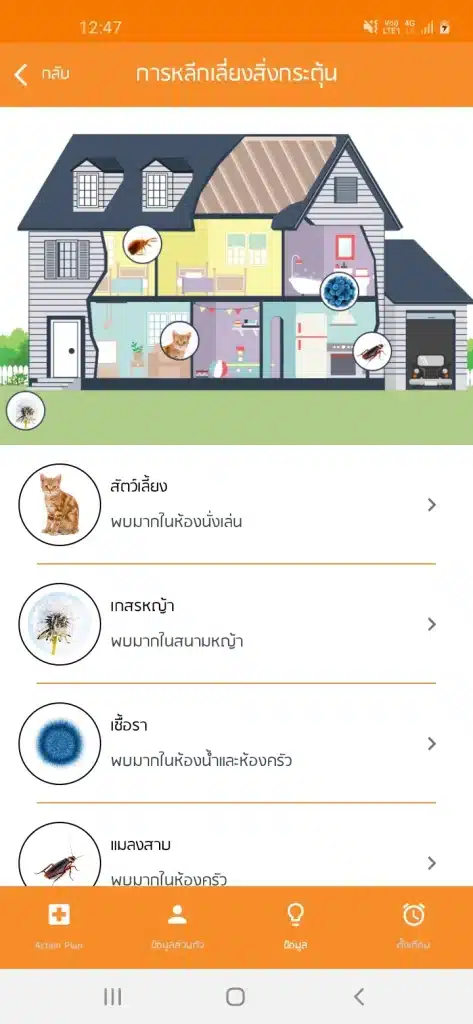
Ann’s idea for an asthma action-plan app came from observing patients who struggled to manage severe attacks. After one older patient arrived at hospital too late to be saved, she began looking for ways to help patients respond before an attack became critical. Printed action plans were easily lost, so she moved the guidance to patients’ phones.
“The plan explains what to do when symptoms worsen, how to care for yourself and when to go to hospital. Patients often lose the leaflets, so I decided to develop an app that keeps the plan on their phones.”
An engineering professor whose child had asthma joined the project, alongside private-sector sponsors. The app helps patients manage symptoms, use inhalers correctly and recognise when to seek medical care.
Courtesy of Asthma Care App
“When you set out to help others, people who share that intention often come into your life. I feel lucky to have met so many people willing to help make this app possible.”
Her work as a medical lecturer also opened the door to research into Thai herbal medicine that could meet modern pharmaceutical standards. Her research led her to plai, a Thai plant traditionally used in massage and other treatments.
Working with a formulation from pharmacist Thaweepol Dechatiwong Na Ayutthaya, she spent around 10 years on laboratory studies, preclinical research and clinical trials involving patients with allergic rhinitis.
“To gain acceptance from the modern medical community, we had to overcome the challenge of meeting international scientific standards.”
The clinical research involved 300 patients with allergic rhinitis. The medicine eventually received registration from Thailand’s Food and Drug Administration, and Ann transferred the technology to the Government Pharmaceutical Organization (GPO) for production and marketing.
Teaching remains central to Ann’s work. She wants to shape future doctors who combine medical expertise with kindness, responsibility and a genuine commitment to others.
“I don’t focus so much on making students exceptionally capable. What matters more is that they become good people who take responsibility and want to help others. That mindset should be at the heart of being a doctor.”
Ann also shares reliable allergy information through her pocketbook and online platform, Ann Asthma. These resources give the public access to specialist guidance in a field where online information can often be misleading.
Her next project is a holistic health course on sleep, nutrition, exercise and stress management, with a focus on how these habits support overall wellbeing and the management of chronic conditions such as allergies and asthma.
“There are still many gaps in Thai medicine, and I see those gaps as opportunities. When you work closely with patients and teach students, you see problems firsthand. You can turn those problems into research and innovation.”
From accessible treatments to practical tools and patient education, Ann continues to turn everyday healthcare challenges into opportunities for change.


Escape Bangkok for Thailand’s 7 best national parks. Discover wildlife, culture and ...

Two icons of modern art come together at Dib26’s Muse: Beyond Human, ...

A detailed guide to hiking the Naga Cave, combining physical challenges with ...

Sailorr and Molly Santana’s black grills fuse hip-hop swagger with homage to ...

Treat your favorite furry companion some stylish goods Did you ever think ...

Thai filmmaker Apichatpong “Joe” Weerasethakul receives France’s highest honour, the Legion of ...
Wee use cookies to deliver your best experience on our website. By using our website, you consent to our cookies in accordance with our cookies policy and privacy policy


