
Weekend Getaways
7 Must-Visit National Parks in Thailand and How to Explore Them
Escape Bangkok for Thailand’s 7 best national parks. Discover wildlife, culture and ...


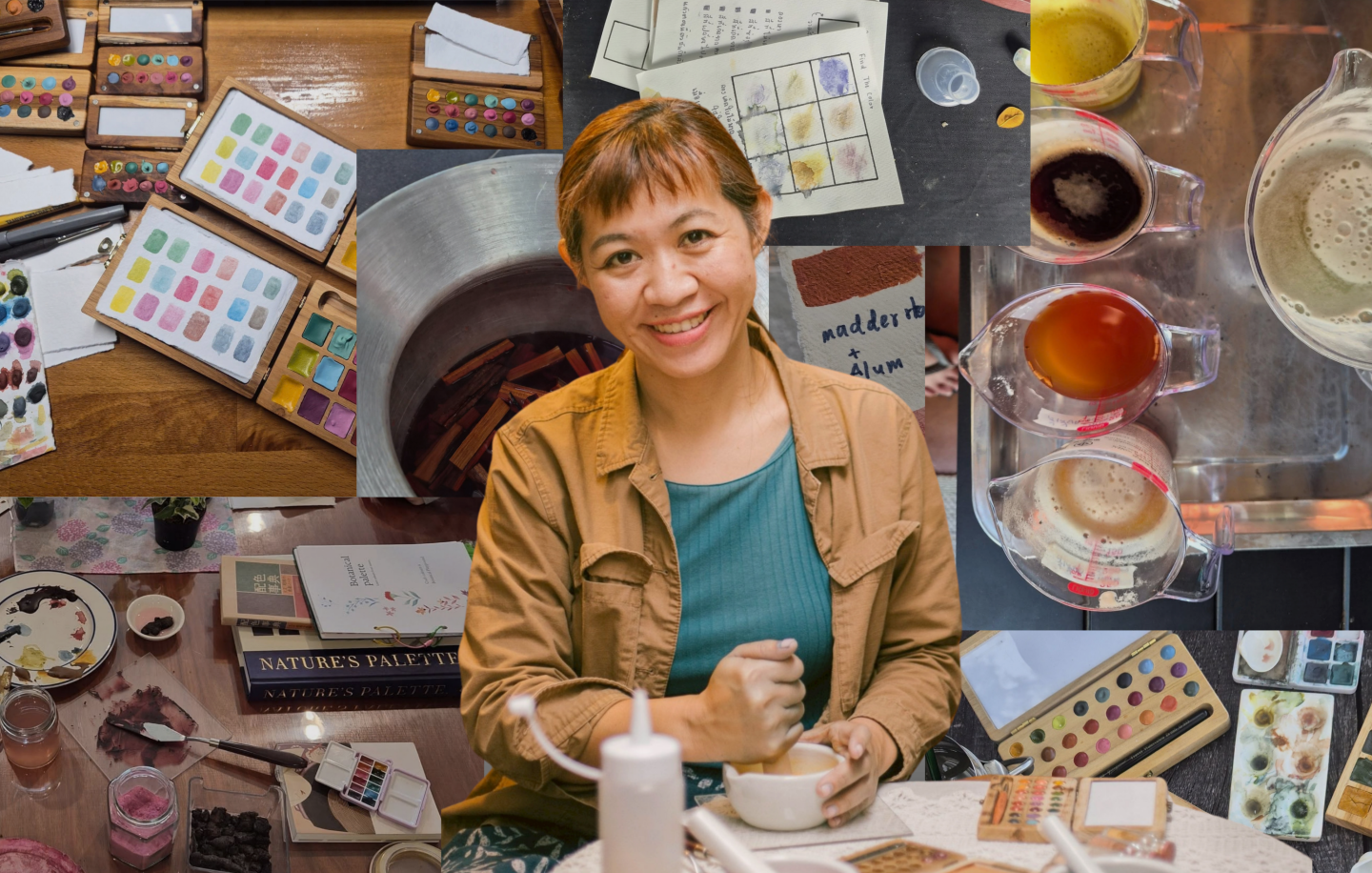
Some knowledge survives in books and archives. Other forms live in the hands of people who know how to make something, passed on through observation and practice.
As traditional colour-making techniques become less familiar, preserving them means understanding the ingredients, skills and knowledge behind each pigment and finding ways for these to survive beyond the people who first created them.
Sakon Nakhon-based artist and researcher Pornpimon “Mew” Mingmitmee explores ideas through Craft Colour, her platform for natural pigments and art materials. She transforms local resources into creative tools and brings attention to the skills and histories behind them. Through her practice, Mew invites us to see colour differently and consider how these techniques can find a place in contemporary creative life.

Growing up in Sakon Nakhon, Mew was surrounded by her family’s textile craft. Her interest deepened through a university project on paint for mural conservation. She saw how modern paints could damage older artworks and wanted to understand the ingredients and processes behind historic colour-making.
“The more research papers, historical documents and books I read, the more fascinated I became with natural pigments. In Thailand, there were many skilled traditional craftspeople, but very little information about the ingredients themselves. There was no clear place where I could go to study how these colours were made, so I decided to continue my studies in India.”
There, her studies covered plant-based and mineral pigments, textile-printing colours, dry pigments, lake pigments made by fixing dyes onto an insoluble base and opaque gouache used in miniature painting inspired by Mughal art.

On her return to Thailand, Mew adapted these historic methods to local plants and resources, laying the foundation for her own natural watercolour practice.
“I believe colour has a deeper purpose. Nature gave us the ability to see colour because it means something to us. Colour already works with our feelings, even when we cannot explain exactly how. You see it in the clothes we choose, the way we dress and even how we do our make-up. Art is only one way we experience colour.”
With Craft Colour, Mew develops natural watercolour sets from what can be found in the surrounding environment, adapting traditional colour-making methods for contemporary artists. The pigments offer names that reflect their origins.

“I wanted to bring back the profession of the colour maker. People didn’t really know what to call it or what the work involved. I started sharing what natural colour was, how it was made and the stories behind it. These techniques had existed for a long time, but much of the process was gradually forgotten as ready-made paints gained popularity. A lot was never recorded.”
She shares her research at selected events and workshops, where participants can try the pigments and learn about their cultural associations.

“Someone once told me that seeing the colours made them want to draw. That was when I felt these colours had done their job.”
Mew hopes to ensure that traditional colour-making remains more than a record of the past. By putting these techniques into use and sharing them with others, she gives them room to evolve and a chance to reach future generations.

“One thing I keep wondering about is why Thailand imports almost all of its high-quality artists’ paper when we have natural fibres like cotton here. I want to explore whether we can use the materials available in Thailand to develop our own paper, giving artists more options and opening up new possibilities for material research.”
Today, Mew continues her research into traditional paper-making techniques, local fibres and natural adhesives derived from fig and wood apple trees. In November, she plans to invite a professor specialising in Japanese paper-making to lead a two-day workshop, alongside experiments with elements sourced in Thailand. The event will bring different approaches together and allow participants to explore paper-making through practice.


Courtesy of Craft Colour
“I hope my work can create opportunities for local makers, artists and small creative businesses by showing that their skills and ideas can become meaningful products and sustainable sources of income. I also want to encourage people around me to experiment, collaborate and recognise the value of what is all around them.”

Escape Bangkok for Thailand’s 7 best national parks. Discover wildlife, culture and ...
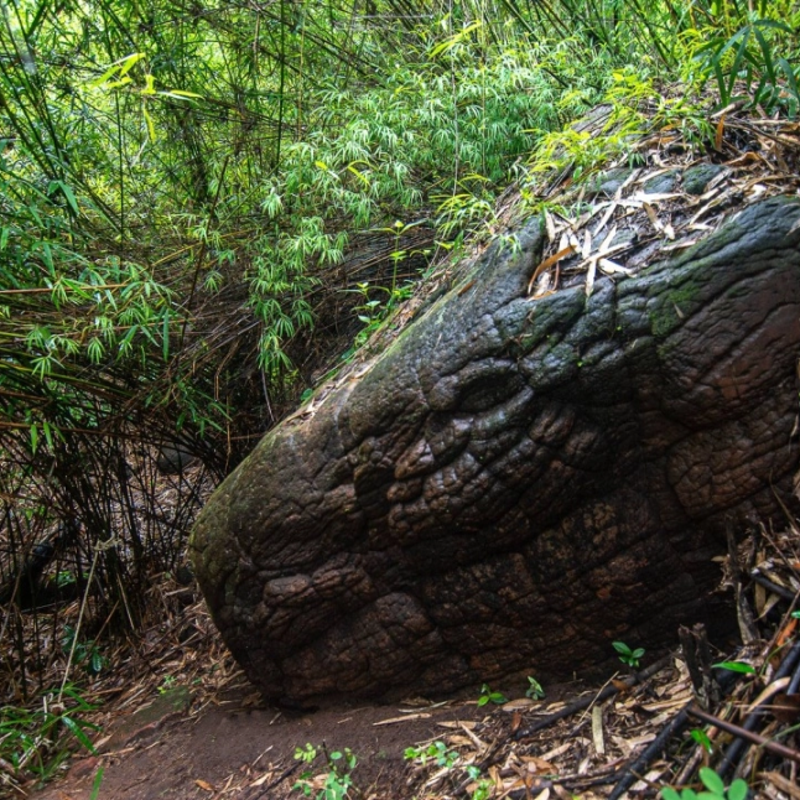
A detailed guide to hiking the Naga Cave, combining physical challenges with ...

Sailorr and Molly Santana’s black grills fuse hip-hop swagger with homage to ...

Treat your favorite furry companion some stylish goods Did you ever think ...

Thai filmmaker Apichatpong “Joe” Weerasethakul receives France’s highest honour, the Legion of ...

Explore seven Bangkok spots for cured beef sandwiches, from wagyu pastrami and ...
Wee use cookies to deliver your best experience on our website. By using our website, you consent to our cookies in accordance with our cookies policy and privacy policy


