Weekend Getaways
7 Must-Visit National Parks in Thailand and How to Explore Them
Escape Bangkok for Thailand’s 7 best national parks. Discover wildlife, culture and ...




Fashion is everywhere, but sometimes it feels like it is moving too fast to mean much. Trends come and go, and we are constantly told what to wear, what looks good and what comes next. But more people are starting to look beyond style. Is it practical? Does it suit real life? Does it have a purpose? One style does not fit everyone and fashion does not have to follow the same formula every time. When everything moves at such a fast pace, maybe fashion needs to slow down a little and give us more reasons to care about what we wear.
Kamonnart “Ong” Ongwandee is someone who makes you look at fashion a little differently. Her experience across fashion, design and sustainability has raised questions about what we wear, where it comes from and what happens when it no longer has a place in our lives. Those questions have shaped the way she sees fashion today, with greater attention to purpose, people, materials and the value behind what we create.
In this story, we explore the experiences and ideas that shaped her perspective and discover why fashion may need to mean more than simply looking good.
Art came first in Ong’s life, long before fashion. As a child, she spent hours drawing, filling notebooks with sketches and even covering walls with her scribbles. She also loved collecting and playing with paper dolls and once imagined that she might grow up to design them. Fashion came later. At first, she thought architecture might be a way to turn her love of art into a career. But while preparing for university, she realised she enjoyed drawing figures much more than cars and trees. She also found herself having fun designing clothes. That was when fashion started to feel like something she could seriously pursue. She entered Chulalongkorn University to study Fashion and Apparel Design, graduating in 2013.
Her interest in materials later took her beyond fashion design. In 2015, she went to London to study textiles at the Royal College of Art. There, she focused on colour, surfaces and materials, with projects that explored how materials could shape people’s experiences of spaces, transport and everyday life.
Ong’s career has since taken her across different sides of fashion and design, including womenswear at Greyhound Original and design research and strategy at FireOneOne. At FireOneOne, she worked on research, workshops and new ideas for products, services and business growth. The experience gave her a broader view of design, where the final product was only one part of the picture. The choices, systems and possibilities behind it mattered too.
From 2021, sustainability became a bigger part of that picture. As Circular Design Program Manager at UN Global Compact Network Thailand, she helped businesses explore circular products and services through programmes developed with CIRCO International and NXPO.
She later worked with CIRCO as a Trainer and Program Manager, helping companies across different sectors find new business opportunities through circular design. The focus was on showing how businesses could create economic value while using resources more thoughtfully and reducing environmental impact.
Her background in fashion at Greyhound still shapes this work. Her knowledge of materials, making and design gives her a practical way to think about waste, resources and how the industry could work differently.
Ong has also been part of Fashion Revolution Thailand, a movement that encourages people to question how fashion is made and consumed. Since the movement became active in Thailand in 2018, she has helped organise and develop activities that bring these questions into everyday life. One of the main messages is simple: Who made my clothes? For Ong, this question is a starting point for looking beyond the finished garment and understanding the people, materials and resources behind it.
Through Fashion Revolution Week, she has helped bring the conversation to the public through Clothe Swaps, talks, film screenings and workshops. The #WhoMadeMyClothes campaign also encourages people to ask brands for more information about the people and processes behind their products.
The work is not about telling people what they should or should not buy. Instead, Ong and the team try to give people more ways to think about their choices. Buying less, swapping clothes, learning about materials and asking where products come from can all be small steps towards more conscious consumption.
Her work with the community also takes the conversation beyond consumers and brands. Activities with textile craftspeople in rural communities give consumers a chance to learn about local materials, traditional skills and those who keep these practices alive. These connections can also create opportunities for communities to earn an income and see new possibilities in the skills and resources they already have.
Through Fashion Revolution Thailand, Ong helps bring these conversations into public spaces and gives people practical ways to engage with questions around fashion, consumption and sustainability.
The conversation around Thai fashion also reaches the question of where the industry should go next. Ong has served on the government’s Soft Power Strategy Committee for the fashion sector, with a focus on strengthening Thailand’s position through creative, high-value and high-quality fashion, alongside a stronger place for slow fashion.
Since January 2026, she has also worked with the Mae Fah Luang Foundation as a Sustainability Strategy, Crafts & Design Specialist. The role brings together sustainability, design and Thailand’s craft heritage, areas that fit closely with her interest in creating value while keeping the people and places behind a product in view.
For Ong, slow fashion can mean more than simply producing fewer clothes. Local materials, traditional skills and craft communities also have a place in the conversation. When these resources receive greater recognition, fashion can create opportunities for people to stay connected to their communities, earn an income and carry knowledge into the next generation.
That vision gives fashion a different measure of success. A good product can still be beautiful and desirable, but it can also have a story, support someone’s livelihood, use resources with care and make sense within the place where it is created. That is the kind of fashion Ong is interested in: creative enough to inspire people, practical enough for real life and thoughtful enough to leave something of value behind.

Escape Bangkok for Thailand’s 7 best national parks. Discover wildlife, culture and ...
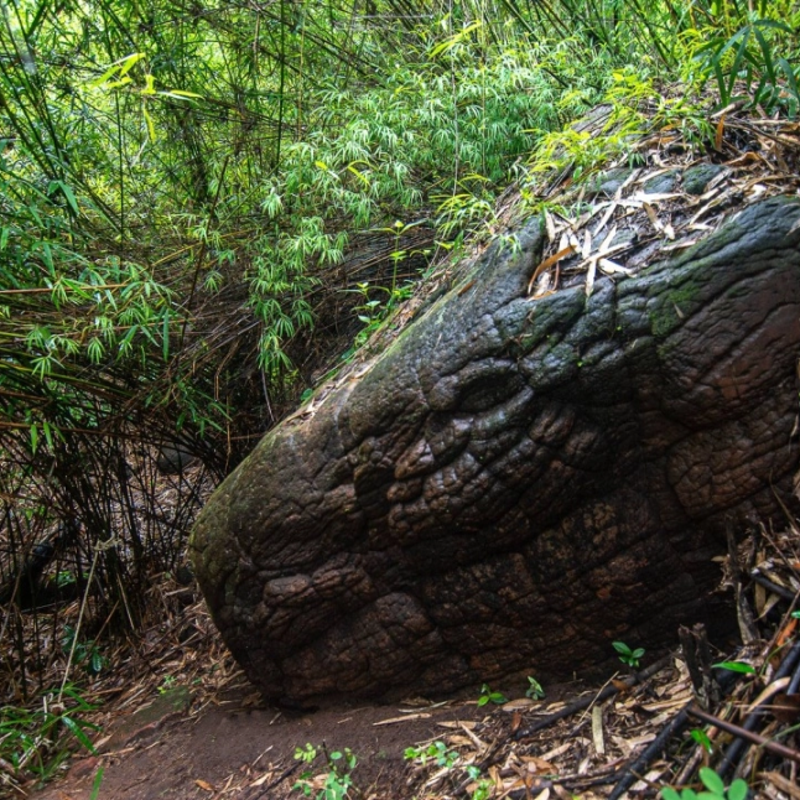
A detailed guide to hiking the Naga Cave, combining physical challenges with ...

From Lisa and Lingling Kwong to Nene Royal and Asian Games champions, ...

Sailorr and Molly Santana’s black grills fuse hip-hop swagger with homage to ...

Thai filmmaker Apichatpong “Joe” Weerasethakul receives France’s highest honour, the Legion of ...
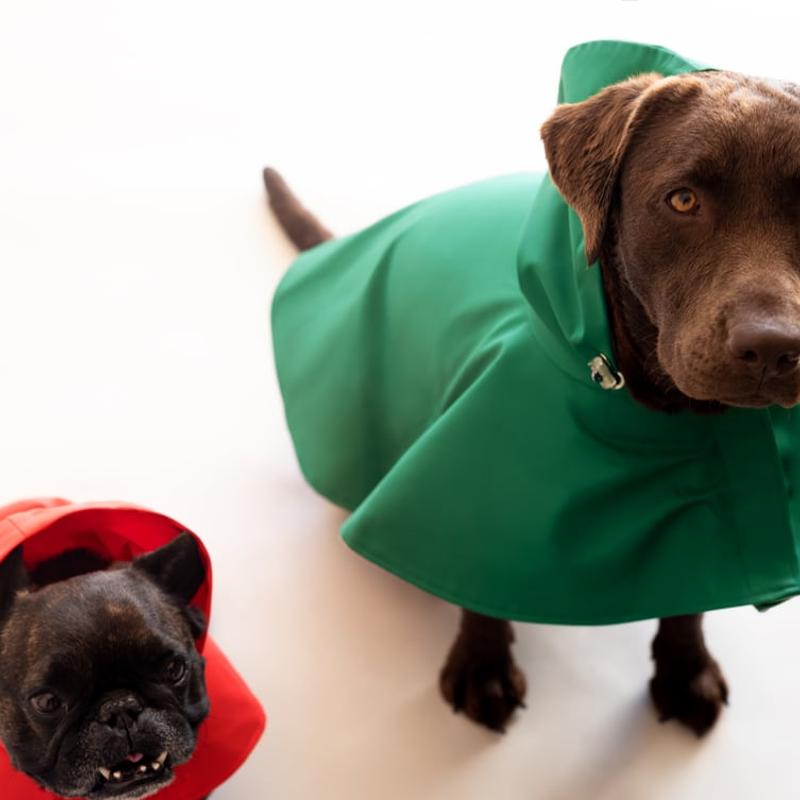
Treat your favorite furry companion some stylish goods Did you ever think ...
Wee use cookies to deliver your best experience on our website. By using our website, you consent to our cookies in accordance with our cookies policy and privacy policy


