Lifestyle
Netflix REEL LIFE Season 4 Opens Applications for Aspiring Film Crew in Thailand
Applications are now open for Netflix REEL LIFE Season 4, offering free ...


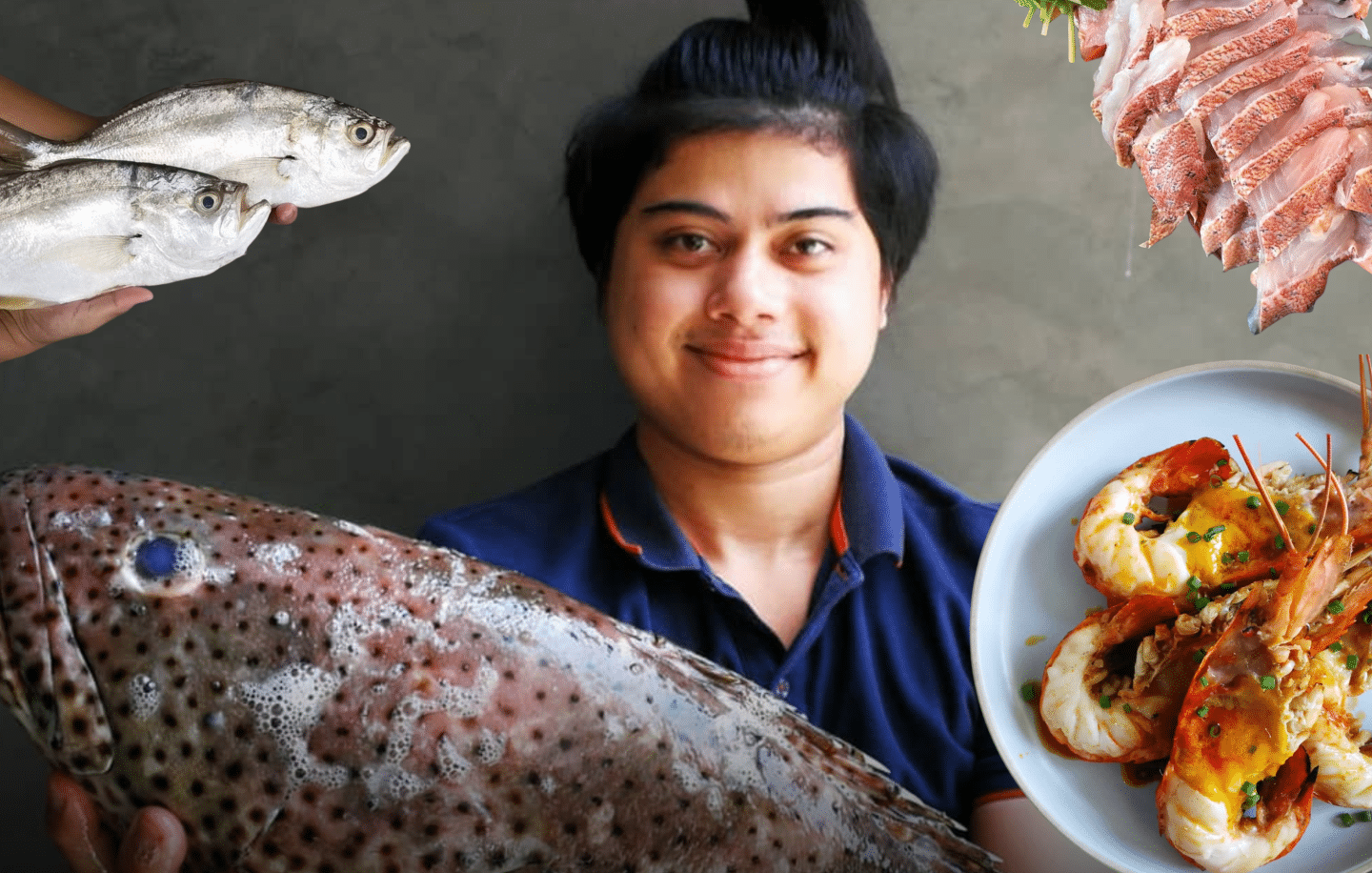

For a long time, conversations around Thai ingredients often centred on what grew from the land. Regional vegetables, native herbs and local produce became symbols of Thailand’s culinary identity. Yet another part of that story has quietly existed alongside them all along: the sea.
Surrounded by coastlines and providing a livelihood for generations of fishing communities,
Thailand possesses an extraordinary diversity of seafood. From the Gulf of Thailand to the
Andaman Sea, fishing communities have long shaped Thailand’s food culture through their
knowledge of seasonal waters and native species.
Today, as more chefs and restaurants turn their attention towards local sourcing and regional authenticity, Thai seafood is receiving renewed recognition. Native fish species once overlooked in favour of imported products are finding their way back onto menus, often becoming the centrepiece rather than a supporting ingredient. Alongside that shift comes a growing appreciation for the people behind them, from fishermen and suppliers to those helping connect local catches with modern kitchens.
This is one side of that story. Behind every fish on the menu is a much longer journey. Kittipong “Kit” Wannaphikhat is helping connect fishermen and kitchens while bringing greater recognition to Thailand’s local seafood.
Before Kit found himself working with fishermen, boats and seafood supply chains, he imagined a future in the kitchen.
As a teenager, Kit had no clear ambition. Then, while approaching the end of secondary school, he found himself drawn to something simple and familiar: food. Everyone eats. Restaurants would always exist. It felt practical, familiar and full of possibility. Curious to see whether he could build a future around it, Kit moved to Bangkok to study culinary arts.
He trained as a chef and spent years moving between restaurants, learning how much of a
dish is shaped long before it reaches the stove. Behind every menu was a chain of people,
places and decisions that most diners never see. The more time he spent in professional
kitchens, the more his attention drifted upstream. Not just to the finished plate, but to the
ingredients themselves. Seafood arrived in different sizes, different qualities and often in
unpredictable quantities. For chefs striving for consistency, it was a challenge that surfaced
again and again. What interested Kit was not only what happened in the kitchen, but where
those inconsistencies came from.
A conversation with a chef brought his attention back to Surat Thani. As they spoke about ingredients, Kit found himself looking differently at the seafood from his hometown and the possibility of bringing it to more restaurant kitchens.
In 2019, that thinking led him to found seafood supplier Tapi Seafood, shifting his focus from
preparing marine products to understanding its journey from the source.
That journey led him to fishing communities across southern Thailand, where he built relationships with fishermen who shared his belief that good seafood and healthy oceans go hand in hand.
The goal was never simply to buy and sell fish. It was to create a system where responsible fishing practices could lead to better quality products, stronger livelihoods and a more sustainable future for the communities behind them.
Rather than treating seafood as a commodity, he approached it like a chef still standing in the kitchen. He knew that freshness, texture and flavour could change dramatically depending on what happens in those first moments after the catch.
Once Kit found fishermen who shared his values, the work became collaborative. They discussed which species to source, which fishing methods were acceptable, and how the catch should be handled from the moment it left the water.
Many fishermen were used to letting fish die gradually on board before sorting them later. He spent significant time sharing a different approach, one that could improve quality, increase value in some cases and create better outcomes for both restaurants and fishing communities.
One technique he began working with was ikejime, a Japanese fish-handling method designed to minimise stress and preserve quality. He worked directly with local fishermen to introduce it as part of a broader effort to improve handling from the moment of capture.
The ikejime process does not allow fish to die slowly on its own after being caught, quickly
interrupting brain and nerve activity instead while the heart continues to circulate blood.
When combined with proper bleeding and careful chilling, it helps preserve freshness,
extend shelf life and maintain the texture valued by chefs.
The method was not immediately embraced by everyone, as it required more time and
effort compared to traditional practices like hauling fish onto ice and sorting them later. In a
country where fishing methods have been passed down for generations, some saw it as
unnecessary complexity. Instead of simply introducing new methods, he focused on learning
alongside the fishermen, sharing knowledge and finding practical ways to improve quality
without losing sight of local realities.
He demonstrated the economic upside through examples. For example, giant trevally might sell locally for around THB 80–120 per kilogram depending on the area, but when handled using live capture and ikejime techniques, it could reach around THB 100–200 per kilogram. The difference reinforced his point that better care at sea could translate into higher value, not just higher effort.
The changes began to reshape the economics of fishing. Better handling improved seafood quality, creating opportunities for fishermen to command higher prices for their catch. Instead of relying on larger volumes alone, they could create more value from what they already brought in from the sea.
When fishermen received higher returns for higher-quality catches, they no longer needed to rely on volume alone. In some cases, smaller catches could generate comparable income, reducing pressure on marine resources while improving livelihoods. Restaurants, in turn, gained access to seafood that met the standards they were looking for.
Over time, Kit realised that no single technique could guarantee quality on its own. Every stage mattered, from the condition of the fish before it was caught to how it was handled, cooled and transported afterwards.
To better understand the process, he spent time on fishing boats and worked alongside fishermen across southern Thailand. What he discovered was that quality is often determined long before seafood reaches a restaurant. Small decisions made at sea could significantly shape the final product by the time it arrived in Bangkok.
Consistent temperature control also became essential, with seafood kept under strict chilled conditions, close to 0–4°C where possible, throughout handling and transportation.
Every improvement, whether on a fishing boat, at a packing facility or in a restaurant kitchen, begins with the same belief: quality is never created in a single moment. It is shaped by countless decisions along the way. Through Tapi Seafood, he continues to connect those decisions together, showing that better seafood starts long before it reaches the plate.
Today, Tapi Seafood supplies restaurants, hotels and select home cooks across Thailand.
Beyond sourcing seafood, Kit sees the work as a way to create stronger incentives for sustainable fishing. When fishermen can earn more from better-quality catches, sustainability becomes economically viable rather than simply environmentally desirable.
He believes this shift creates benefits far beyond individual fishing communities. Consumers gain access to better-quality seafood, fishermen are rewarded for responsible practices, and marine ecosystems are given more opportunity to recover. Rather than relying on larger catches, the focus is on creating greater value from fewer fish.

Applications are now open for Netflix REEL LIFE Season 4, offering free ...

House Samyan Bangkok is bringing back five iconic Wong Kar-wai films lensed ...

Siam Repertory Theatre Company’s Paul Ewing talks to Koktail about staging King ...
Discover 7 exceptional culinary happenings in Bangkok worth ruining your hair for, ...

Bangkok breaks into the global top 10 most expensive cities for the ...
Escape Bangkok for Thailand’s 7 best national parks. Discover wildlife, culture and ...
Wee use cookies to deliver your best experience on our website. By using our website, you consent to our cookies in accordance with our cookies policy and privacy policy

