Weekend Getaways
7 Must-Visit National Parks in Thailand and How to Explore Them
Escape Bangkok for Thailand’s 7 best national parks. Discover wildlife, culture and ...




Bangkok, one of the world’s great food capitals (and it knows it), is packed with Thai restaurants at every turn. But only a select few arrive with such tight, distinctive concepts that they make you pause and reconsider – gently reminding you that Thai cuisine is far too often taken for granted.
Koktail Kuisine’s latest edition spotlights seven Thai restaurants going hard on concept, putting Thai cuisine under a very different kind of spotlight. Here, dishes string together into edible storylines that reflect different facets of the country itself, from memory and place to heritage and imagination.
Chef Tan’s offbeat Thai-Chinese kitchen fuses European technique with local and homegrown produce in a closed-loop system with nature
At GOAT, Chef Parkorn “Tan” Kosiyabong’s Thai-Chinese contemporary cuisine is shaped by a belief that nature is a breathing ecosystem – not a resource to be extracted but one to engage with in balance and reciprocity. Blending European technique with Chinese influence, Chef Tan works with Thai ingredients sourced locally and from his own garden, maintaining a full-circle approach where nothing is wasted. Organic matter is returned to the soil; the guiding principle remains simple: give as much as you take.

26 provinces are condensed into one experience. Trat surprises with brightness: mantis shrimp sweetened by pumpkin and rose petals. The Gulf of Thailand follows, where blue crab straddles between heat and cool cream. Surat Thani pulls the tide deeper with a daily catch, coconut, Hua Hin caviar and Thai sturgeon. Mae Hong Son turns inward, layering cured ham, pork jowl, chive bite and duck egg into silky deliciousness. Surin arrives with intensity: aged Thai wagyu fused with 18 spices, with wild herbs and pickled vegetables.
Soi Ekkamai 10 Yaek 2, Watthana, Bangkok. Tel: +66 65 095 6132. Open Wednesday to Sunday from 6pm-10pm.
Chef Aom elevates Thai street food and forgotten recipes into a history-rooted concept in shellac red and gold, while sourcing ingredients directly from local producers
Named after the zodiac tiger, the birth sign of Chef Sujira “Aom” Pongmorn, KHAAN embodies a fearless and dynamic spirit. The restaurant is built on two guiding ideals: reimagining Thai street food in a sophisticated, almost royal atmosphere and bringing long-forgotten traditional recipes back to life. At KHAAN, the vibrancy of street food meets Thailand’s culinary history. This energy extends into the design language of shellac red and gold – colours that evoke the unbounded creativity behind KHAAN’s cuisine.

The journey begins in miniature: four amuse-bouches, each region-specific. Andaman tiger prawn cuts through with pickled lime and a tomalley cracker. Rice paddy crab follows, folded into sticky rice, soft and saline. From there, fermented sang yod rice meets dry-aged turnip, while Barron Point and Surat Thani oysters plus fermented king oyster mushroom form a combination of brine, depth and earthiness. Seasonal mango is set against Forget Husband sticky rice and mung beans, sweetness edged with mischief.
Soi Somkid, Lumphini, Pathum Wan, Bangkok. Tel: +66 92 441 6547. Open daily from 5pm-1am.
Heritage Thai cooking embraces intentional simplicity expressed through white stone spaces, golden rice motifs and one of the best khao chae in town
Khao takes pride in presenting Thai cuisine through heritage-driven recipes and uncompromising authenticity, embracing a philosophy of “simplicity with meticulous care”. Here, simplicity is intentional – a relaxed confidence that cuts through the excess often associated with conventional fine dining. Its first outpost in Ekkamai reflects this ethos through luminous interiors accented by white stone textures that enrich the atmosphere, while golden rice-inspired details pay homage to the enduring history of Thai cuisine.

At Khao, the focus remains firmly on flavour and tradition. Tom yum features river prawns in a clear broth with a hint of smokiness from grilled seafood. Next comes a Thai-style omelette, airy with a soft finish. Crispy catfish follows, stir-fried in curry paste and punctuated by salted egg yolk that breaks richness against crunch. The sequence closes with sun-dried salted beef, slowly revived in a herbal coconut simmer and served with vegetables that absorb its savoury depth. Otherwise opt for their elaborate khao chae – one of the best in town – a limited-time offering available only until the end of this month.
Soi Ekkamai 10, Watthana, Bangkok. Tel: +66 98 829 8878. Open daily from 11.30am-2pm and from 5.30pm-10pm.
Inside a historic building, Chef Grace crafts Thai dishes built around five sacred ingredients, transforming familiar flavours into something intense, creative and magical
Khao San Sek, by Chef Pichaya “Pam” Soontornyanakij on Songwat Road in Chinatown near her acclaimed Potong, is helmed by Chef Worakarn “Grace” Krittisirikul and builds its identity around a “holy grail” of five sacred Thai ingredients: rice, chilli, coconut, fish sauce and palm sugar, framed through folklore and culinary magic. The notion of spell-casting runs through it, from its name, meaning “sacred milled rice”, to the three-storey mural by JecksBkk that turns the 70-year-old building into something enchanted. At night it seems to glow into existence as if summoned, while its aged structure remains unpolished, part of the illusion itself.

The five sacred ingredients underpin every dish at Khao San Sek. Unlike Potong, Chef Pam’s more conceptual project, this restaurant is rooted in accessible Thai flavour. Its nine-course House Menu stands out with a crispy coconut taco topped with Surat Thani oyster, smoked beef tongue satay, Thai eggplant chilli relish, and a vibrant southern rice salad full of texture. Thai rice wines, including Chiang Mai’s sun pa tong sticky rice sato, complete the pairing. In Chinatown, the setting feels instinctively right – lively, grounded and full of soul.
1121-1123 Song Wat Rd, Samphanthawong, Bangkok. Tel: +66 97 016 9824. Open Tuesday to Friday from 4.30pm-11pm and Saturday to Monday from 11.30am-11pm.
Chef Chumpol’s Thai culinary wisdom transforms regional ingredients into a sensory experience that reflects the country’s gastronomic range
Built on the philosophy of “the wisdom of Thai cuisine”, R-HAAN showcases Chef Chumpol Jangprai’s dedication to expressing the total breadth of Thailand’s culinary landscape. Using exceptional ingredients sourced from across the country, including rare indigenous herbs, the restaurant presents dishes that engage the senses beyond visual artistry alone. The complexity of R-HAAN’s cuisine lies in its celebration of Thailand’s regional diversity, resulting in an experience that is as culturally enriching as it is delicious.

Seasonal rotation defines the menu, but two dishes remain unchanged. The first is a tom yum that omits both coconut milk and chilli paste, instead drawing depth from a concentrated prawn-head broth and a fine blend of herbs. The second: mango sticky rice reimagined into a deconstructed composition, crowned with coconut ice cream in quenelle form. The wine list remains rooted in tradition while being adjusted to match the food’s intensity, with a focus on bright, mineral-driven white wines from Northern Europe.
Soi Sukhumvit 53, Watthana, Bangkok. Tel: +66 95 141 5524. Open daily from 6pm-11pm.
Chef Save’s intimate 14-seat space reshapes Thai tradition through an open kitchen where craft is constantly evolving
RARK, meaning “root” in Thai, feels like one of those rare hidden gems found off the usual dining map – intimate and deeply personal. Its philosophy of authenticity is grounded in tradition, yet allowed to evolve naturally, like roots that anchor before branching outward into contemporary form. Chef-owner Songpol “Save” Barameeanan has created a 14-seat space that feels almost secretive, like stepping into a private garden known only to a few. The open kitchen removes barriers between guest and craft, offering an unfiltered view of every dish as it emerges with precision and care.

Start with coconut pudding served in a fluid style, a take on kanom khrok with prawn, dried coconut, tart apple gel, coconut cream and yoghurt layered together. The menu also includes Thai salads, grilled and fried dishes, stir-fries, curries and soups. A highlight is roasted duck red curry, prepared over four days with curing and sugarcane smoking, then drizzled with a red curry sauce with longkong fruit and a touch of coconut pudding. End with som chun, a cold, refreshing dessert of lychee and mixed tropical fruits.
Soi Phatthana Wet 3, Watthana, Bangkok. Tel: +66 99 693 5474. Open Tuesday to Sunday from 6pm–9pm, and Saturday to Sunday from 12pm–2pm.
Chef Phu captures Southern Thai cuisine’s essence into memory-led, landscape-inspired dishes layered with the region’s signature intensity
At RERN, Southern Thai cuisine is elevated into fine dining without losing its sense of home, still carrying the salt-kissed breeze of the South. Named after the Southern dialect word for “home,” the restaurant is divided into four villas with glass panels framing lush gardens and water flowing beneath, evoking the serenity of Krabi’s Emerald Pool. Executive Chef Phuripat “Phu” Wuttipattananon captures a complete portrait of Southern Thailand, drawing inspiration from all 14 provinces to translate landscape, memory and heritage into flavour.

The tasting menu is structured like an expedition of flavour, opening with crispy bites like flounder with coral curry and pineapple and a spicy sea snail tart, then softening into sang yod rice porridge with clams and coconut milk. A market-style middle follows: taro croquette with crab, Tapi river prawn with rice purée and prawn-fat sauce and crab curry with vermicelli and fried greens. The final Southern spread brings kaeng som with seabass, stir-fried malindjo leaves, cha muang beef broth, turmeric stingray, soy-braised chicken and closes with nam prik plasiab and coconut jasmine rice with shallots.
Soi Phahonyothin 34, Chatuchak, Bangkok. Tel: +66 95 515 5142. Open Tuesday to Sunday from 5.30pm–11pm, and Saturday to Sunday from 11.30am–3pm.

Escape Bangkok for Thailand’s 7 best national parks. Discover wildlife, culture and ...

Two icons of modern art come together at Dib26’s Muse: Beyond Human, ...
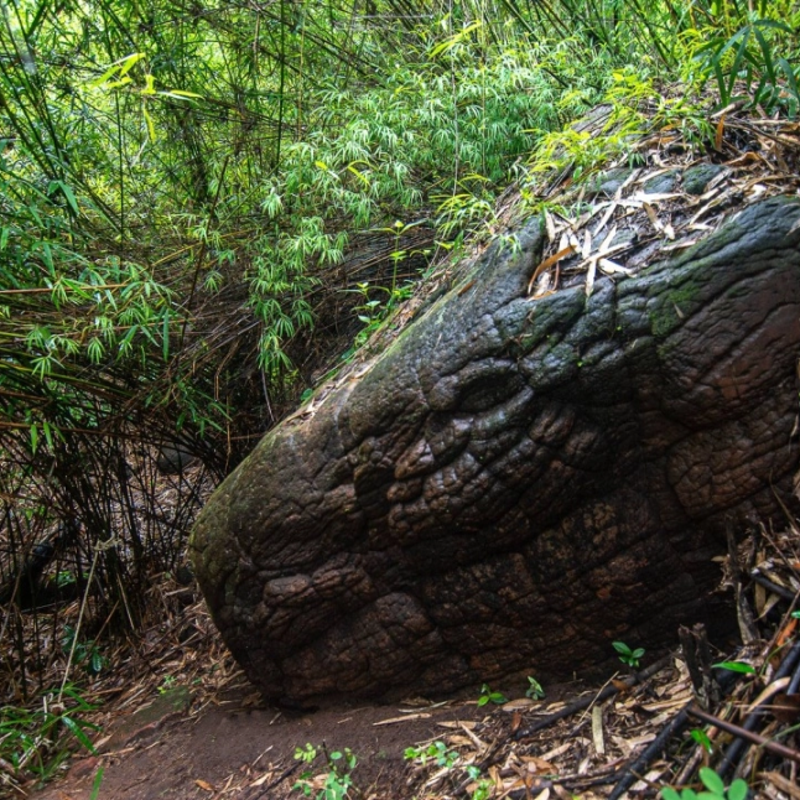
A detailed guide to hiking the Naga Cave, combining physical challenges with ...

Sailorr and Molly Santana’s black grills fuse hip-hop swagger with homage to ...
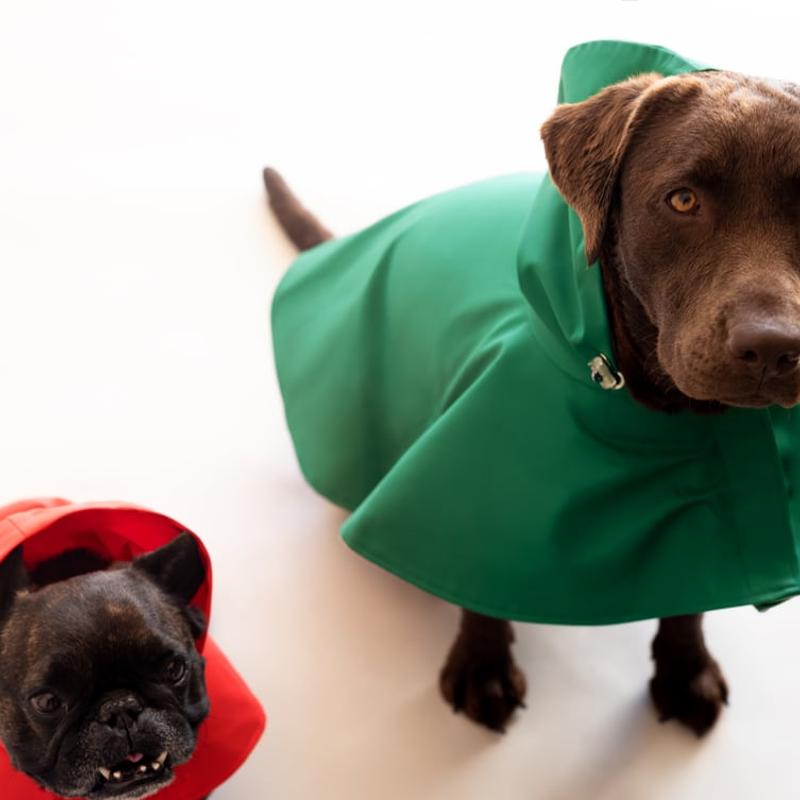
Treat your favorite furry companion some stylish goods Did you ever think ...

Thai filmmaker Apichatpong “Joe” Weerasethakul receives France’s highest honour, the Legion of ...
Wee use cookies to deliver your best experience on our website. By using our website, you consent to our cookies in accordance with our cookies policy and privacy policy


