
Weekend Getaways
7 Must-Visit National Parks in Thailand and How to Explore Them
Escape Bangkok for Thailand’s 7 best national parks. Discover wildlife, culture and ...



It came to me in the middle of an ordinary working day. Nothing special, just a thought while looking at yet another Italian restaurant name. Why is it always nonna? The word appears so often, from Europe to cities such as Bangkok, that it almost fades into the background.
A similar pattern exists in Thai and Thai Chinese food culture, where restaurants and home cooking traditions often refer to ama or grandmother’s recipes. Across Thai eateries as well, “grandma’s recipe” is commonly used to signal traditional cooking methods and family-style food. Different cultures, similar ideas, with the grandmother placed at the centre of culinary memory.
At first, it seems obvious. Nonna means grandmother. It suggests warmth, familiarity and a home-style meal. That is easy enough to accept and move on. But the question did not quite leave. It began to point to somewhere deeper, towards the geography and history of Italy itself.

Look at a map of Italy and the answer starts to shift. The country stretches long and thin, with the Apennine Mountains running down its spine and seas on either side. For centuries, this terrain created natural barriers between regions, keeping communities apart. Travel was not simple. Villages and towns developed on their own terms, using what grew nearby and cooking in ways that suited their surroundings.
What we call Italian cuisine today is not one single tradition. It is a patchwork. Recipes belong to places. A dish common in one area may be unknown in another not far away.
History adds another layer to this. Italy, as a country, is relatively young. It only came together in 1861 during the unification. Before that, it was divided into separate states, each with its own identity. People did not think of themselves as Italian in the way they might today. They thought of themselves as Florentine, Sicilian, Venetian. Food followed that same pattern. It stayed close to home, tied to region and habit rather than any shared national idea.
Within this setting, the home was the centre of cooking. Much of Italy was rural well into the 20th century. Families relied on local produce and seasonal ingredients. Knowledge stayed within the household. It was passed from one generation to the next, not written down but remembered. In many families, it was the older women who carried this knowledge forward, refining it over years of practice.
This is where the figure of the grandmother comes into focus. She was not simply just cooking meals but she was a link between generations and between people and place. Her cooking carried the identity of a region, shaped by its soil, climate and history. Through her, food remained connected to place. A sauce, a type of pasta, a way of preparing vegetables, all of it held meaning beyond the plate. It reflected the land, the climate and the rhythm of life in a particular region.
Migration spread this idea beyond Italy. From the late 19th century onwards, many Italians moved abroad. They brought with them their local recipes and habits rather than a single national cuisine. In new countries, Italian food became associated with family meals and home cooking. Over time, restaurants adopted this image. The word nonna became a way to signal authenticity and tradition, even in places far removed from its origins. It offered a sense of reassurance, a suggestion that the food followed older ways.
Today, when the word appears on a restaurant sign, it does more than name a grandmother. It points to a way of cooking that began in specific places, shaped by distance, history and habit. It suggests food rooted in a specific place, shaped by local conditions and preserved through the family. The term carries meaning not because of sentiment alone, but because of how Italy’s landscape and history formed its cuisine.

Escape Bangkok for Thailand’s 7 best national parks. Discover wildlife, culture and ...

Two icons of modern art come together at Dib26’s Muse: Beyond Human, ...

A detailed guide to hiking the Naga Cave, combining physical challenges with ...

Sailorr and Molly Santana’s black grills fuse hip-hop swagger with homage to ...
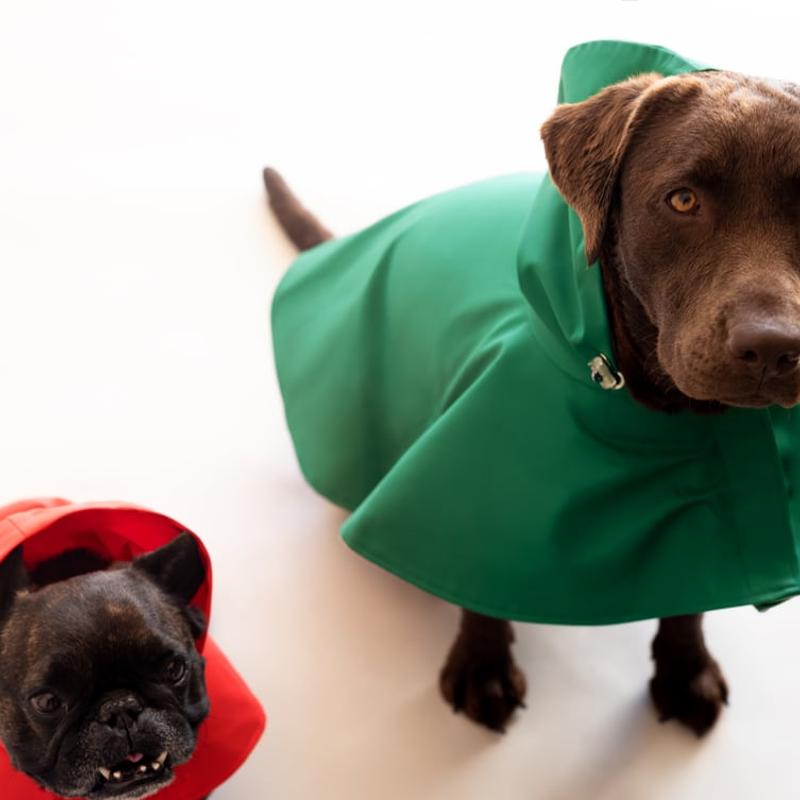
Treat your favorite furry companion some stylish goods Did you ever think ...

Thai filmmaker Apichatpong “Joe” Weerasethakul receives France’s highest honour, the Legion of ...
Wee use cookies to deliver your best experience on our website. By using our website, you consent to our cookies in accordance with our cookies policy and privacy policy


