Performances
Milli Serves Mango Sticky Rice Energy on Show Me the Money 12
Milli has made history as the first international female artist to reach ...


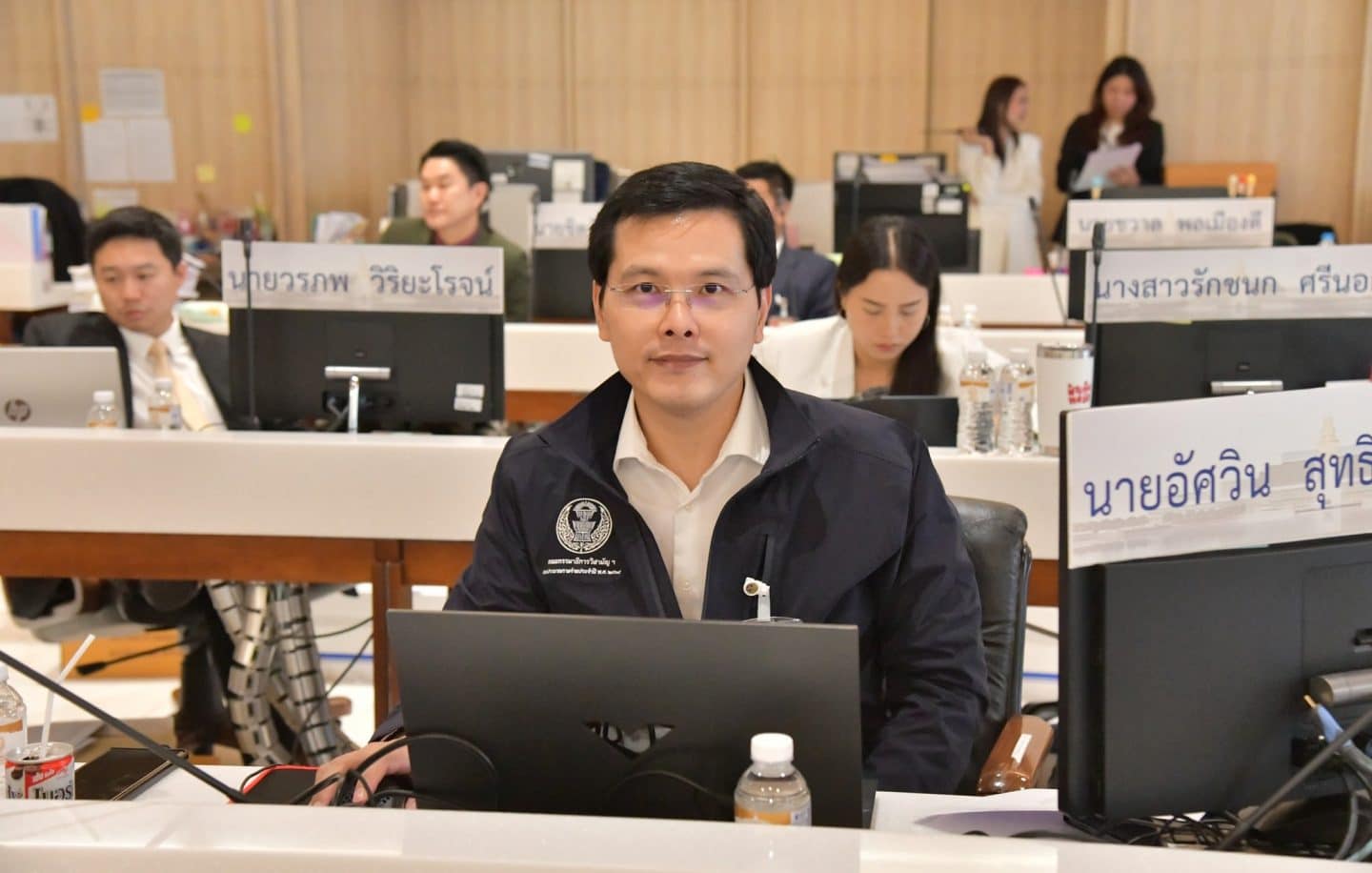

To understand the world, one must look beyond what is visible. Numbers, trends and systems all tell stories about how people live, work and adapt. Economics is one of the languages of these stories. It helps make sense of complexity and turns ideas into something practical that can improve lives.
These ideas come into focus in the field of economic policy, where decisions shape how people experience fairness in daily life. Dr. Autsawin Suttiwichienchot works within this space, where economic thinking connects with real world systems and policies that affect society.
Today we follow the journey, vision and work of Dr. Autsawin to see how his experience can inspire others.
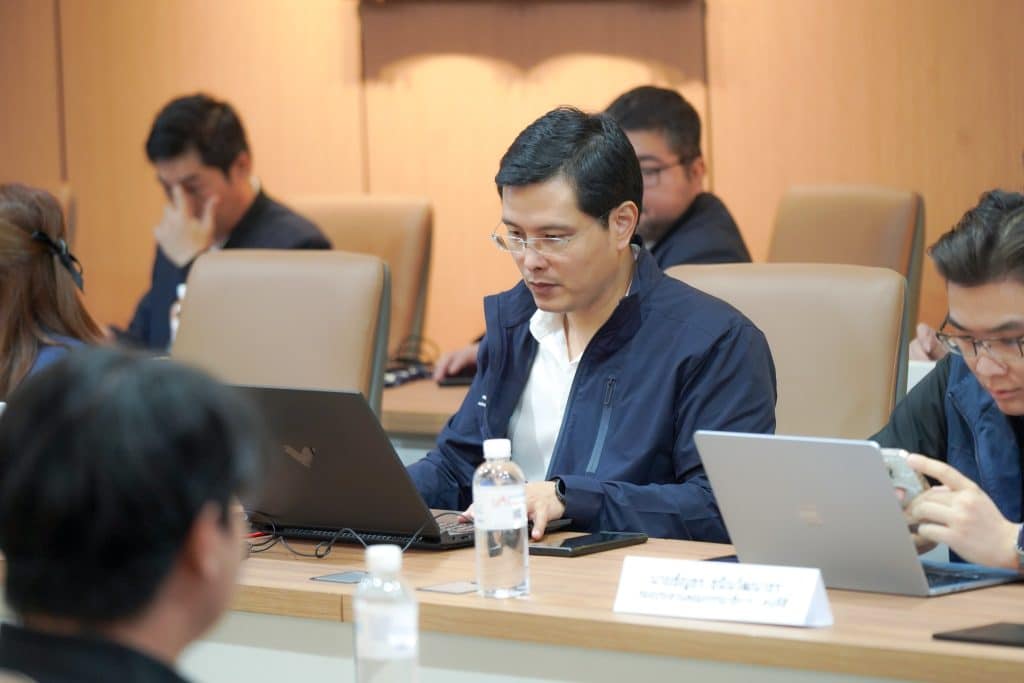
Before economics came into the picture, Dr. Autsawin’s world was shaped by engineering with a Bachelor of Electrical Engineering from Mahanakorn University of Technology and a Master of Engineering Science in Electronics from the University of New South Wales. Over time, his focus shifted from technical questions to real-life concerns about income, costs and opportunity. In searching for answers, he was drawn to economics.
“For me, economics is a branch of science but it is a living science. It is driven by logic and incentives, constantly guiding the forces of demand and supply. The more I study it, the more I am amazed by how these variables can be used to influence behaviour and shape the direction of society.”
He went on to study at Chulalongkorn University, where he earned a Master’s degree in Commerce and Economics, followed by a doctoral degree in Economics at the same university. He threw himself into applying his knowledge with energy and ambition. He wanted to turn ideas into real change that could improve people’s lives.
During his research on the ASEAN Economic Community and Thailand’s labour market, he saw how small policy changes could affect millions. Singapore showed what was possible. From then on, for him economics became a tool to shape society as in a complex system, even strong proposals often struggle to make a real impact.
Eager to deepen his understanding and gain practical experience, Dr. Autsawin worked as Senior Project Manager at the Technology and Innovation-Based Enterprise Development Fund (TED Fund, Ministry of Science and Technology). He then joined Thanachart Bank as an economist before becoming CEO of his own agricultural innovation business, a venture designed to test his ideas in practice while building stability as an entrepreneur.
As Dr. Autsawin moved into business, economic principles influenced how he approaches every decision. His role at Cho-ti Agricultural Innovation, a broiler chicken farm business, reflects how economic thinking applies in a real setting.
The industry is often seen as difficult, risky and hard to grow. Many believe it offers little chance for real progress. With a background in both engineering and economics, he views it differently. Rather than simple livestock farming, he treats it as a closed system, where outcomes depend on how each element is designed and managed.
His focus is on control and precision, shaped by economic thinking as much as operational design. Key factors such as temperature, airflow, humidity, lighting and hygiene are managed to maintain consistency, reduce loss and improve efficiency. With clear procedures in place, the farm runs in a stable system where performance remains predictable and costs stay under control.
At the same time, he recognises that some risks sit beyond their control, such as disease and market shifts. These conditions reinforce a core economic reality: survival depends on how well a system absorbs uncertainty and adapts.
“This experience taught me to understand, on a deeper level, the reality faced by entrepreneurs and farmers. Survival depends on effective management. From a business perspective, I use my broiler farm model as proof that efficiency and fairness can go hand in hand and that this balance creates a more sustainable path forward.”
He sees fairness as equitable, based on a structured incentive system. He uses bonuses and profit sharing linked to farm performance, measured through the feed conversion ratio (FCR), so that workers benefit directly when the system runs efficiently and losses remain low.
“For me, the smartest financial planning is not about pushing for the highest possible profit from labour, but about building a system that everyone wants to sustain. When people see that the company’s success is their success, they protect and support the system. This forms the foundation of the sustainable prosperity I hope to apply locally and nationally.”
“Most people see economics as distant or just about numbers like inflation or GDP. For me, it is about decision making, how people and societies choose under limited resources to get the best outcomes.
A common misunderstanding is that sticking to old ways feels safe. In a fast-changing world, clinging to the past is the real risk and can cause lost opportunities and hold progress back.”
When asked what has shaped his thinking about economics, Dr. Autsawin points to the work of Daron Acemoglu, Simon Johnson and James Robinson, Nobel Prize winners in Economics 2024, as a major influence on his thinking. Their book Why Nations Fail (2012) and related research show that the difference between rich and poor countries comes not from geography or culture alone but from institutions, both political and economic.
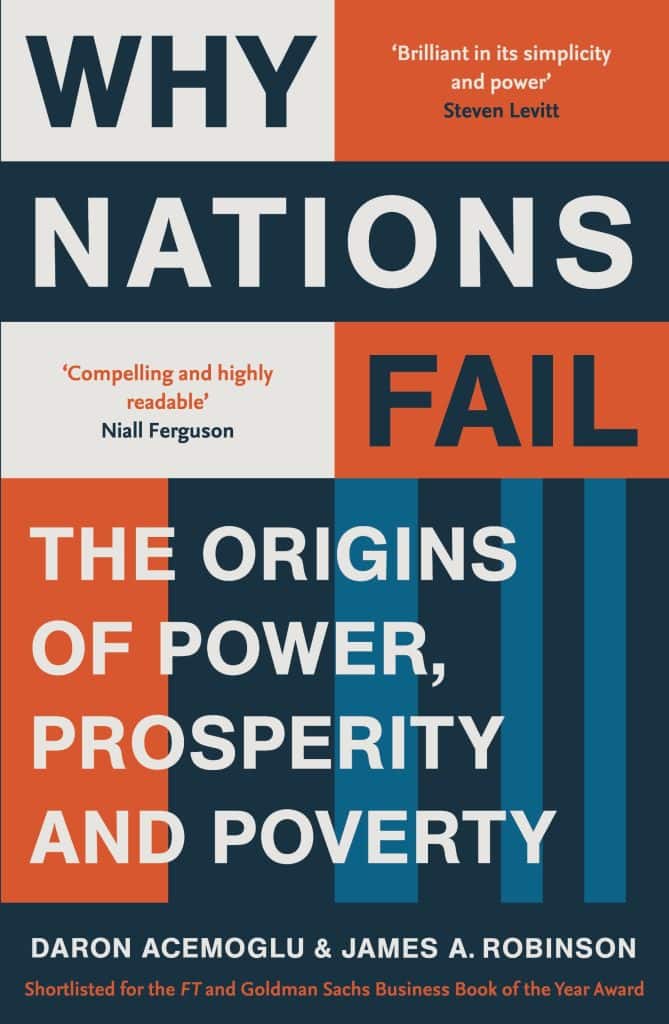
They describe two kinds of institutions. Inclusive institutions allow participation for all, protect property rights and operate with transparency, often leading to sustainable development. Extractive institutions take resources from the majority to benefit a small elite, a pattern that can bring long-term failure.
For Dr. Autsawin, these lessons guide his approach to economics, policy and business that offer insight into how fairness and structure can influence the success of nations.
“Looking at Thailand, I see extractive institutions concentrating wealth in the hands of a few, leaving most people with little opportunity. Acemoglu’s work confirms my belief that real change requires making core institutions truly inclusive so everyone can benefit.”
Even as his business flourishes, his deeper drive to improve society never fades. This motivation has led him to contribute to public service. He applies the same economic thinking he honed in business to policy, seen in the Day-fine reform. Through his work with the People’s Party leader Natthaphong “Teng” Ruengpanyawut, he has helped design a system that adjusts fines based on a person’s ability to pay. Equal fines hit the poor hardest and barely affect the wealthy, failing to create proper incentives. By applying a business mindset of efficiency, fairness and data-driven design to politics, he demonstrates how practical economics can produce real-world impact.
“The most important lesson I want to pass on to the next generation is simple: Don’t just complain about the system, learn to re-engineer it.”
With Natthaphong, Dr, Autsawin is working to build a nationwide network of volunteers, combining knowledge, policy understanding and a willingness to act as both advocates and problem-solvers in their communities.
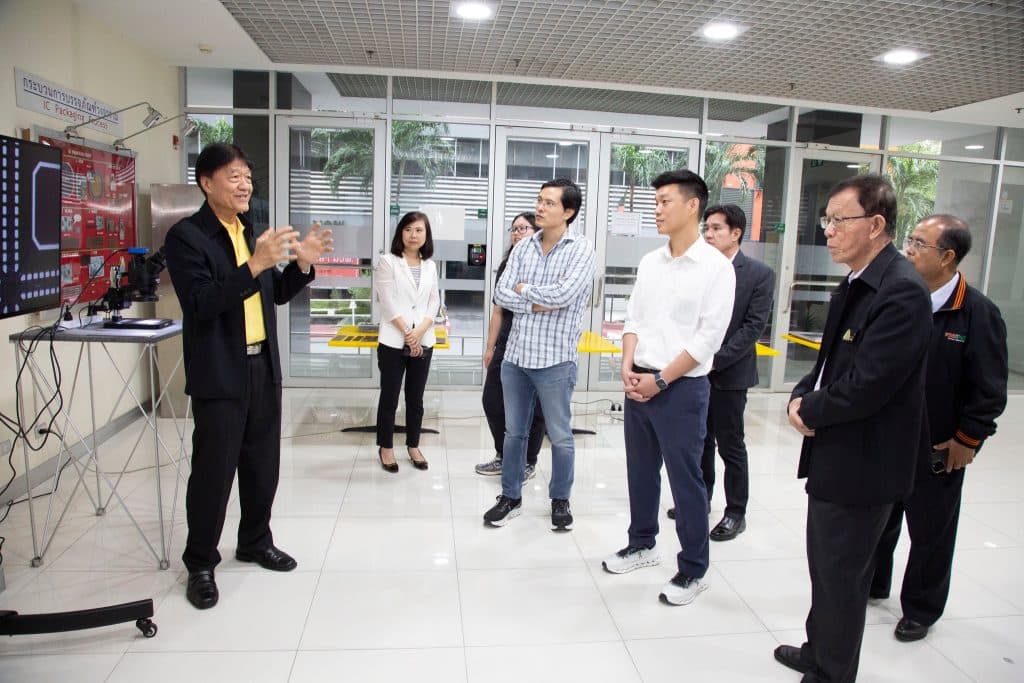
He is driving efforts to connect with local networks in areas where the People’s Party has won elections. The ultimate goal is to show that the power of volunteers, combined with scientific management, can create real, lasting change at the local level. For him, this is the starting point for a more sustainable and people-centred future for Thailand.
“The lessons I want to leave for the next generation come in three parts:
Be a professional with passion. Passion alone cannot change the world. You need deep expertise to see the broken gears in any system.
Believe in data, but feel the people. Let data guide your decisions, but never forget the real human experiences behind the numbers. Policies without empathy are never sustainable.
Start small, impact big. Don’t wait until you have ultimate power to change a country. Test your ideas in small spaces. Small, tangible successes create the spark that inspires millions to tackle bigger systems.”

Milli has made history as the first international female artist to reach ...

Mean girl energy has returned to Hogwarts, and this time, Thai fans ...

These top 5 barber shops in Bangkok are where gentlemen can elevate ...

Wandering around the globe, try out the signature tastes of cultures across ...
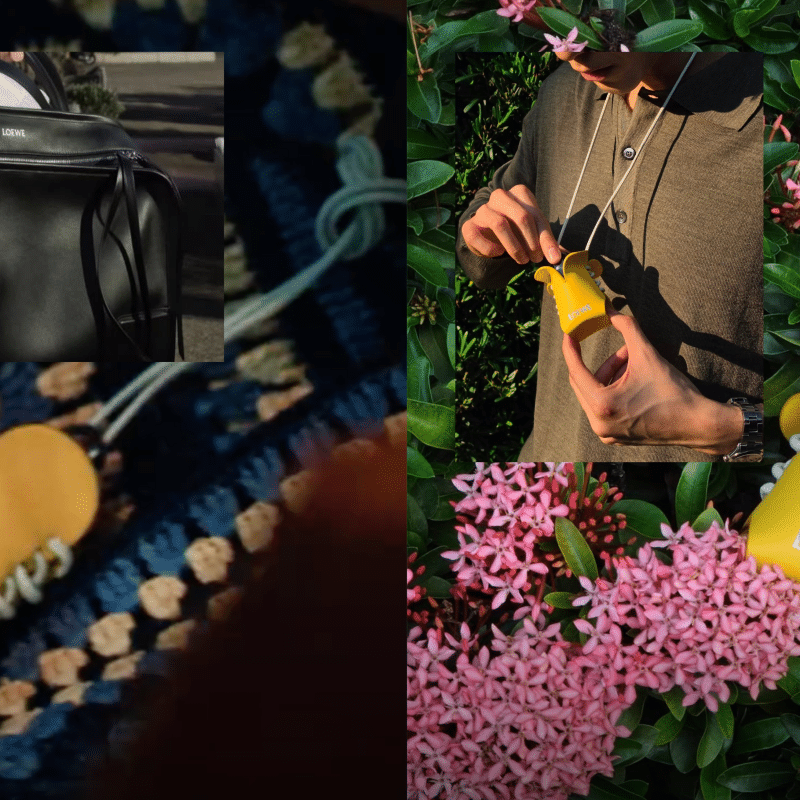
Another Thai floral goes international. Loewe just dropped its Paula’s Ibiza 2026 ...

Following the success of SCOPE Langsuan, one of Bangkok’s most desirable residences, ...
Wee use cookies to deliver your best experience on our website. By using our website, you consent to our cookies in accordance with our cookies policy and privacy policy


