
Films
When Colours Tell Emotions: How Wuthering Heights (2026) Uses Colour as Psychology
In Emerald Fennell’s adaptation of Wuthering Heights, colour is not decorative. It ...



You know that moment when soft air hits your ear, and your brain short-circuits, but in a good way?
Or when your friend pulls apart Velcro very methodically as though they’re defusing a bomb, savouring every tiny rip and pop?
Although your friends might casually refer to it as “tingles,” that static-like, little sensation actually has an official name, and it is more science-backed than you would think.
ASMR, short for autonomous sensory meridian response, is a pleasant sensory experience triggered by specific auditory or visual stimuli.
Low humming, close-up whispering, soft taps on a tabletop or the rough scratch of a worn object.
For some people, those are the sounds that launch them straight into bliss, basically golden retriever levels of joy. Or in other words, “blissed out.”

It’s kind of like goosebumps but way clearer about what it’s trying to do. (With goosebumps, you never quite know.) ASMR sends a soft, fuzzy tingle rolling from your scalp down your neck and along your spine, like a slow wave of tingles galore that washes over you.
The whole thing leaves you calmer, lighter and even euphoric, like instant happiness in low, continuous dosage.
ASMR started as a niche internet curiosity in 2007. Since then, it has become a global phenomenon, whispering its way into most people’s internet lexicon.
Mention ASMR, and everyone nods knowingly, despite having zero idea what the acronym expands to.

While Millennials were the first to fall down the ASMR rabbit hole, Gen Z has since taken up the mantle. For many Zoomers, it’s simply another tool for de-stressing, easing anxiety and drifting off to sleep.
The rising popularity of ASMR among Zoomers reflects the mounting pressure they face in today’s world, whether it be political uncertainty, school expectations or family problems.
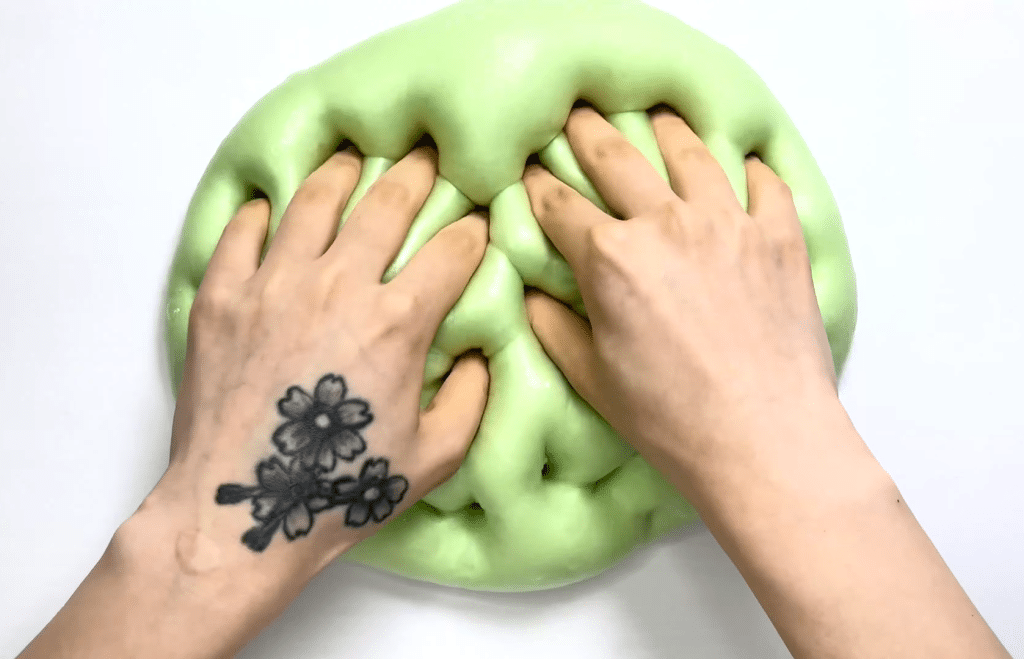
In this sense, ASMR is a form of escapism, like binge-watching a Netflix series or heading off to a pub. ASMR can involve roleplaying, which uses elements of fantasy to distract one’s attention away from the increasingly stressful environment they live in.
Sometimes it can even take the form of mukbang. Many Zoomers tune into it on YouTube. Basically, you watch someone savour every bite like it’s a five-star tasting menu, and somehow your own meal instantly tastes richer and more succulent. Food is soothing, whether it’s on your plate or on your screen.

ASMR hits different for everyone, but the math is the same: find the trigger and catch the tingles. For some, it’s slow, exaggerated chewing. For others, it’s soft whispering that feels like it’s massaging your brain.
We hit Siam Square to find out what noises tickle people? Here are their answers!

In Emerald Fennell’s adaptation of Wuthering Heights, colour is not decorative. It ...

Inside River City Bangkok, a thousand worlds emerge through art, antiques, architecture, ...

Discover how Dr Chaweewan Hutacharern leads FEED Thailand in turning forests and ...

Wandering around the globe, try out the signature tastes of cultures across ...

These top 5 barber shops in Bangkok are where gentlemen can elevate ...
From haunting folklore to modern urban horror, here are 10 Thai horror ...
Wee use cookies to deliver your best experience on our website. By using our website, you consent to our cookies in accordance with our cookies policy and privacy policy


