Wellness
Gentlemen’s Guide: Bangkok’s 5 Best Barber Shops
These top 5 barber shops in Bangkok are where gentlemen can elevate ...


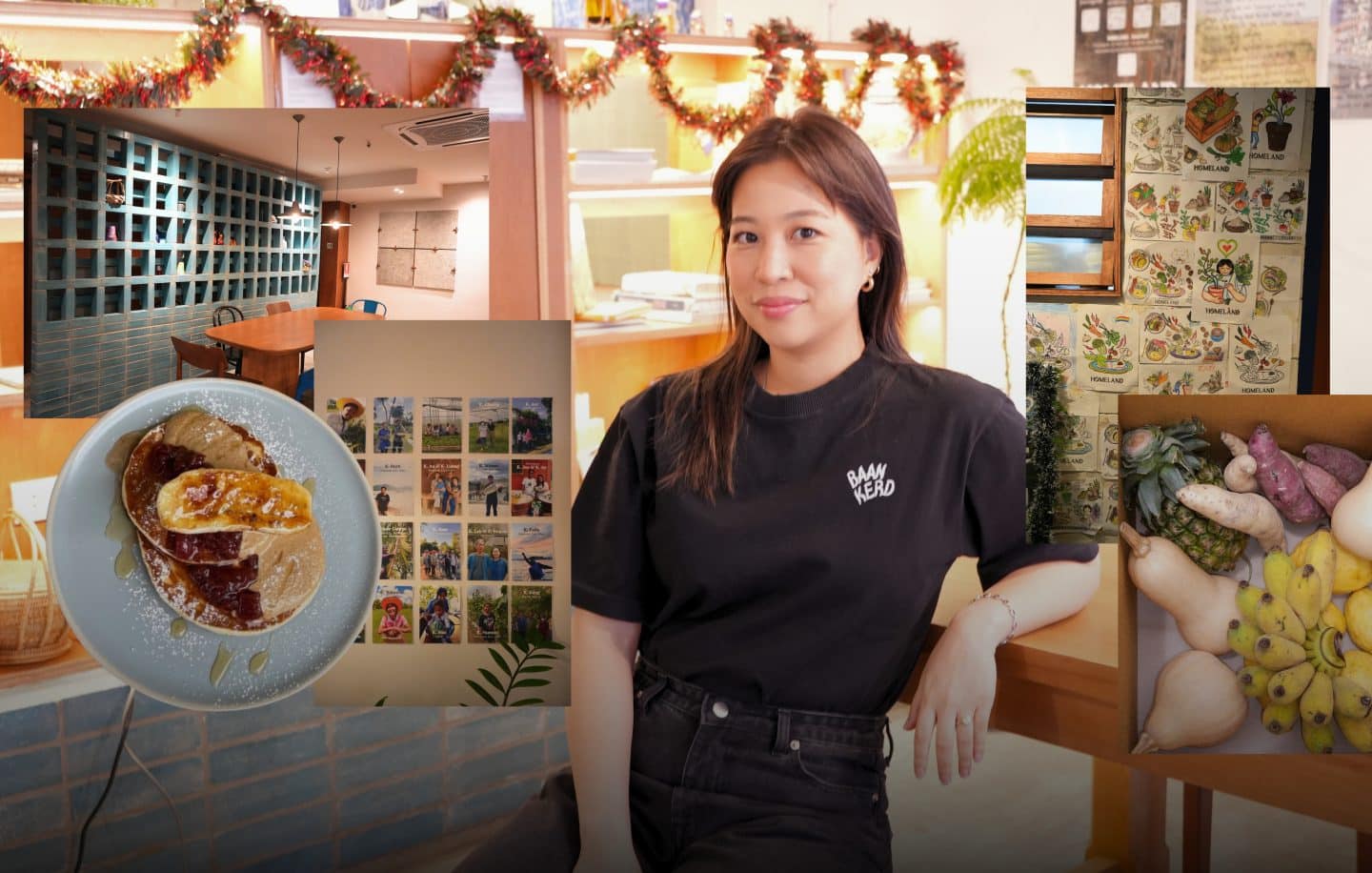

“I just want agriculture to be something cool. We grew up seeing it as something to look down on, but it shouldn’t be. It’s a huge part of all our lives,”
Pattaraporn “Nat” Salirathavibhaga, co-founder of HOMELAND, an online grocery store and café, told us when we visited her café.
Her words point to a broader reality: many people overlook the value of produce grown in their own country. To Nat farmers are far more than suppliers; they’re guardians of land, water and culture. HOMELAND was built on this understanding, with a mission to foster a conscious lifestyle through food and community building in Thailand.
And so begins the story of Nat and HOMELAND.
Graduated from the Columbia School of International and Public Affairs, Nat began by sharing how her journey was shaped by years working with NGOs in New York before returning to Thailand. She saw firsthand how important cross-sector partnerships were in solving complex social issues and began to ask herself: which part of Thai society faces the biggest challenges and also holds the greatest potential for real change? For her the answer was clear: Thailand’s agricultural and food system.
“Thailand has long been called the ‘kitchen of the world’ and when I was growing up, everyone was taught the phrase ‘farmers are the backbone of the nation’. It shaped how I see things. Looking back I realise how essential our food system is economically, socially and in everyday life. Every meal connects us to the communities who produce it, and that connection is what inspired me to understand our food system more.”
When she returned to Thailand she began researching what farmers and small producers actually needed. She discovered that most of them were already skilled and committed to their craft; what they lacked wasn’t knowledge but demand. NGOs could help farmers transition to organic or regenerative practices but without a market willing to pay fairly and understand seasonal variations, nothing would change sustainably. That insight became the spark for HOMELAND.
“We didn’t feel the need to ‘improve’ farmers’ methods of growing or producing because so many groups already do that exceptionally well. What they lacked was someone who understood them when it came to procurement, the fact that flavours change with the seasons or that harvests vary. That kind of market understanding and demand simply wasn’t strong enough among major businesses, especially fast-food chains or even supermarkets.”
Nat wanted to become the bridge between local producers and consumers in the city. This led her to partner with the Sampran model, a well-known network supporting farmers transitioning to organic practices. Together they began with an online grocery store.
“It was tough being entirely online. We couldn’t meet customers or partners in person, so we focused on storytelling and sharing our partner farms’ journeys. Convincing people to believe in us without tangible products was one of the biggest challenges.”
Many farmers were initially hesitant, accustomed to being pressured into strict sizes, quantities and consistency, but meeting Nat in person reassured them. She wanted to work with them, not control them.
From the beginning, she coined the term “conscious purchasing” to describe HOMELAND’s approach. HOMELAND focuses on paying farmers fairly, letting them propose their own prices, understanding seasonal variation, accepting that small-scale, organic farming can be unpredictable, and building trust through face-to-face relationships.
“Our partner farmers work closely with nature, adapting where they can but respecting what they cannot control. That’s why conscious purchasing is so important – we adjust to their rhythms rather than forcing uniformity.”
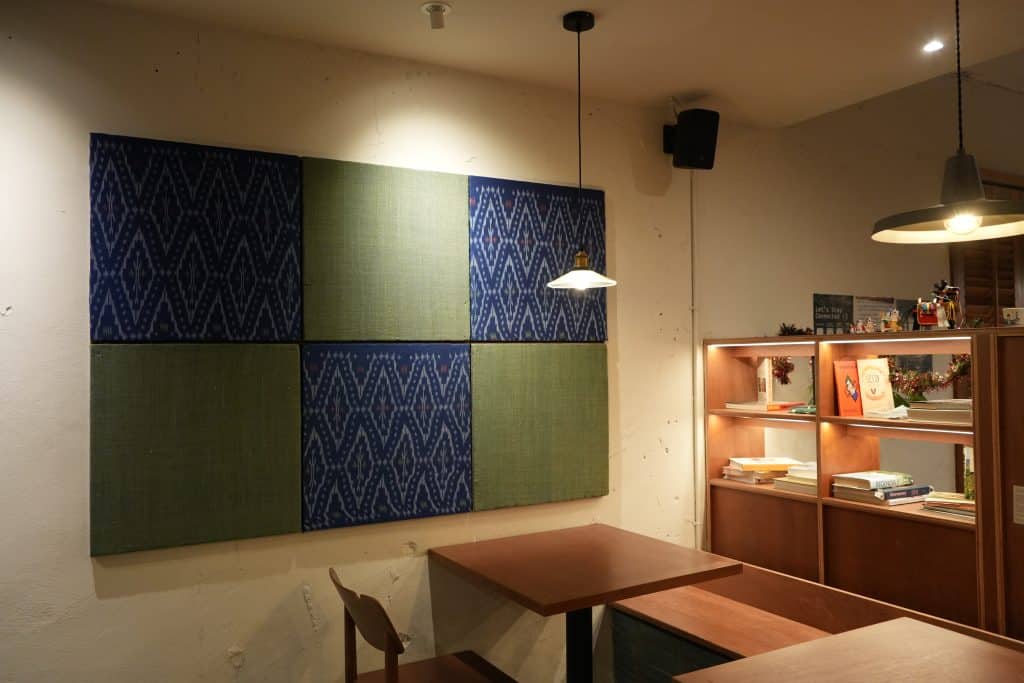
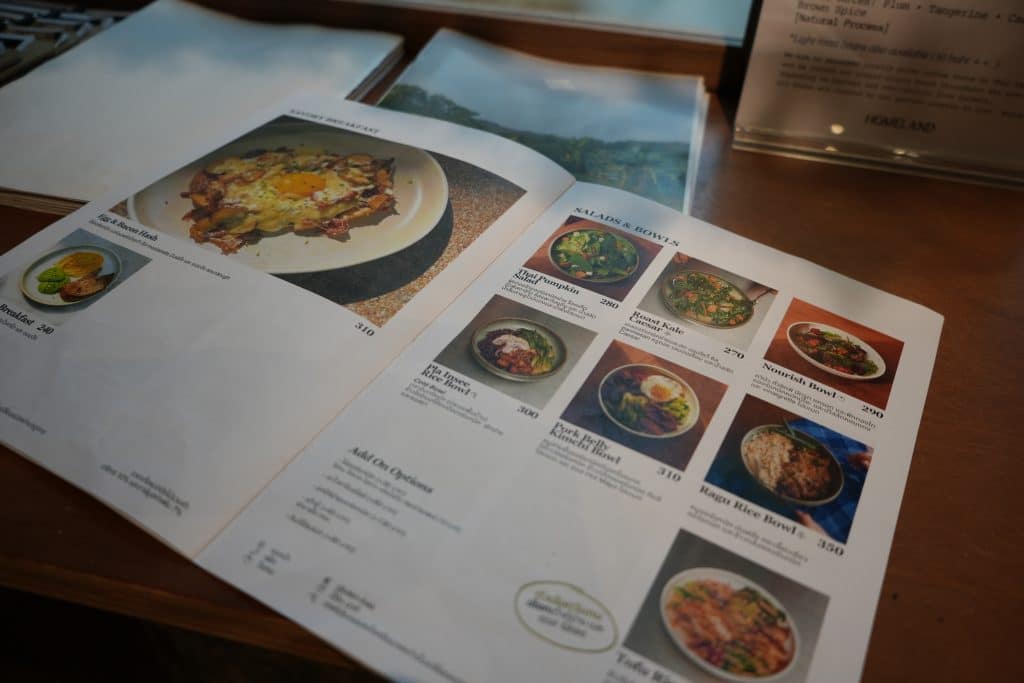
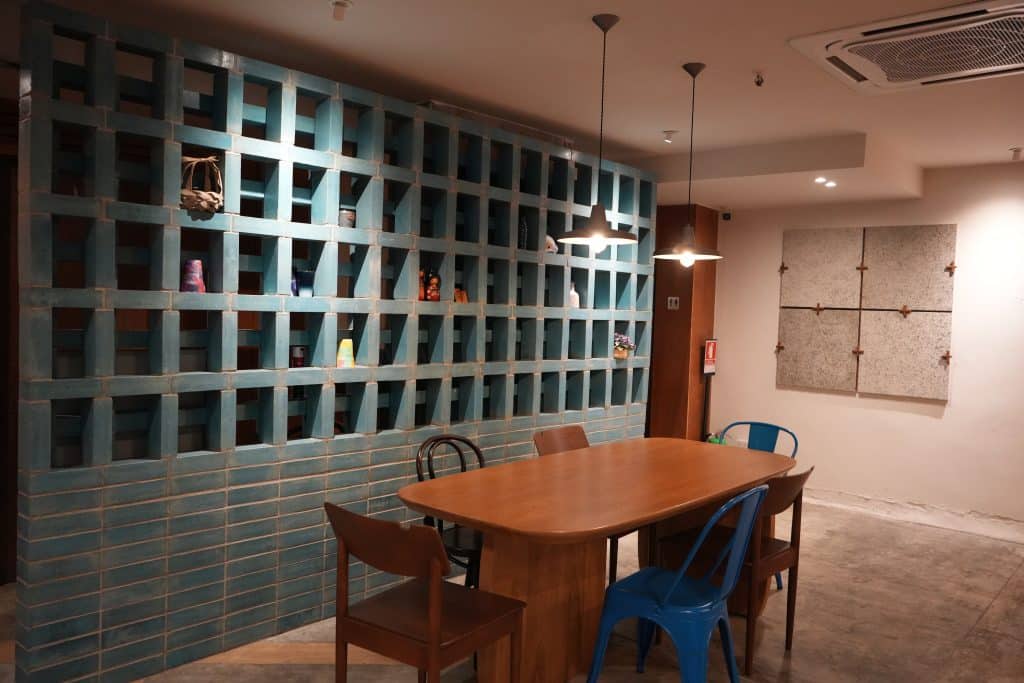
As the website gradually took off Nat decided to open an on-site café, giving visitors a chance to learn more about the farmers’ products while experiencing a contemporary lifestyle.
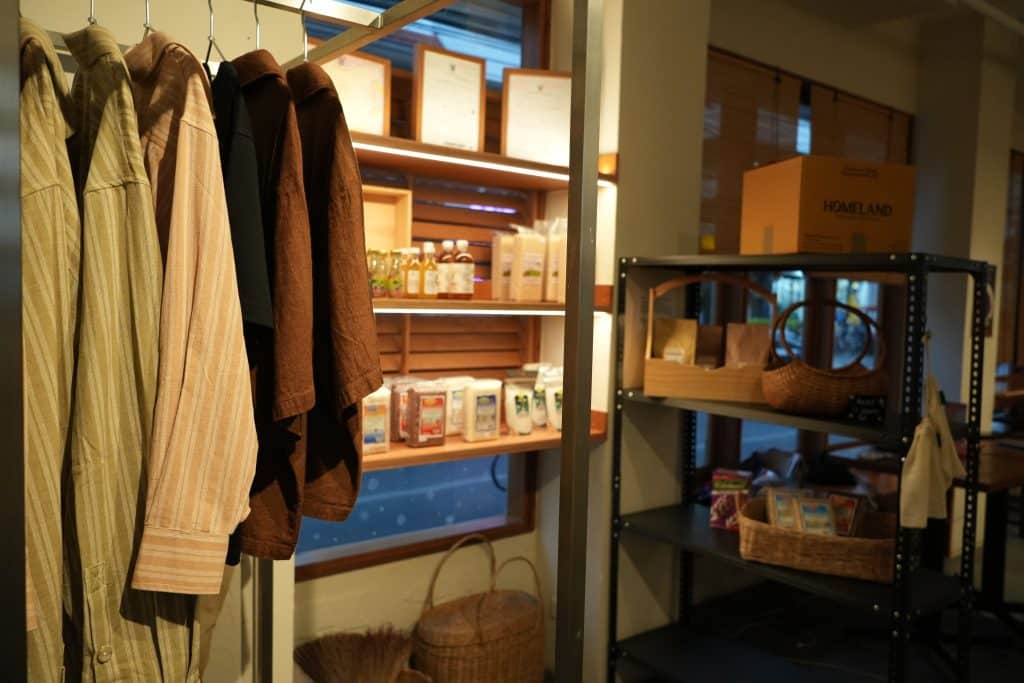
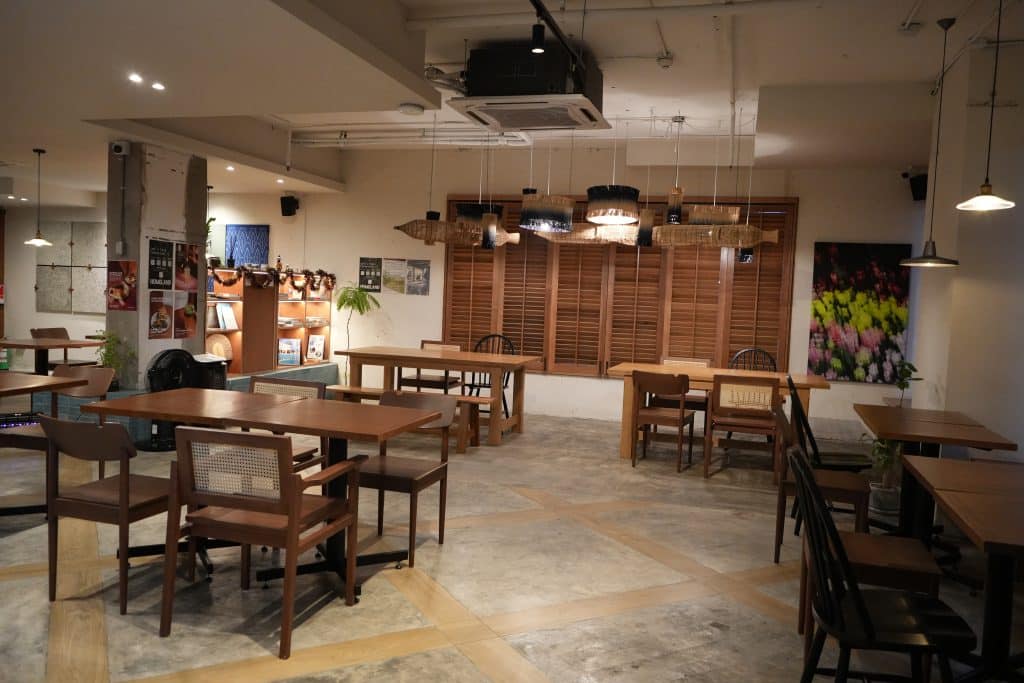
“I work with more than 30 partner farmer groups and they set their own prices while keeping me updated in real time. If cucumbers are delayed or a pumpkin batch turns out less flavoursome because of heavy rain, they tell me right away. Then I relay that to our café team so we can adjust recipes or menus on the spot. That constant back-and-forth is what keeps everything running smoothly.”
Nowadays her approach to HOMELAND is hands-on, combining the worlds of online grocery and café operations into a single, connected system. Her purchasing team sources from partner farmers. This requires constant communication, planning and an understanding of seasonal availability.
Some produce like delicate mulberries can’t survive delivery without processing, so Nat’s team adapts by freezing them or turning them into preserves. Others like roselle require thought about whether customers can prepare them at home, influencing what goes into the online grocery versus the café menu.
This constant balancing act has become part of the café’s character: the front-of-house team regularly communicates with customers about shifts in flavour, seasonal changes or temporary shortages. It’s a rhythm shaped by nature and Nat embraces it as part of the story they serve every day.
“Working directly with producers and making sure they feel comfortable sharing updates affects everything we do. Our business runs on these conversations, knowing what’s coming, what’s possible and how to adapt while staying true to both the farmers and our customers.”
This collaboration allows HOMELAND to deliver food that’s fresh, seasonal and rooted in community, all while maintaining the flexibility to operate both a café and an online grocery with equal care and attention.
“My team always says our kitchen is the hardest they’ve ever worked in,” she laughed.
“I’ve seen customers visit us while pregnant and months later they return with a newborn. Then suddenly that baby is walking,” she said.
“Moments like that remind me why we do this. We’ve become part of their routines, their lives. Becoming a small but steady part of someone’s lifestyle. That’s the most rewarding thing for me.”
Nat shared that the team is stepping into a new chapter. Their original Thonglor branch will close on 26 January and they’re preparing to reopen in Chidlom.
Nat sees it as an opportunity to introduce Thailand’s organic farmers and food culture to a wider audience as Chidlom attracts many tourists.
“We want to be a good representative for what it means to work with Thai farmers,”
she said.
On a lighter note we asked her for her favourite dish as a recommendation:
“I’d say the Thai Sansai pasta. Sansai is originally a Japanese concept of mountain foraged vegetables. It’s something we’re really proud of because it came directly from our field visits. Our farmers have bamboo shoots growing there and even though they had plenty, they never thought we’d want it. So we used that idea to create a Thai Sansai pasta which showcases what already grows naturally in our partners’ forests.”
If Nat weren’t running Homeland, she imagines her life would still orbit the same world: soil, seasons and the people who work closest to them. She laughed when she admitted it but she’s certain she wouldn’t stray far from agriculture.
In another version of her life she sees herself running a quiet farm stay. “Agriculture isn’t one size fits all,” she says. For her the idea of creating a space that blends hospitality, education and the land feels just as meaningful as what she does now.
But whether it’s a café, a field or a farm stay, Nat’s path always seems to lead back to the same place: building connections through food, land and the people who care for both.

These top 5 barber shops in Bangkok are where gentlemen can elevate ...

Set to premiere on 24 April, the Japanese remake of Girl From ...

A cinephile’s guide to eight alternative cinemas in Bangkok worth checking out. ...

Bangkok Horror Film Festival rises again with cult classics, new voices and ...

From pitch-black dining rooms to tables with riverfront views, these spots make ...

Sailorr and Molly Santana’s black grills fuse hip-hop swagger with homage to ...
Wee use cookies to deliver your best experience on our website. By using our website, you consent to our cookies in accordance with our cookies policy and privacy policy


