
Weekend Getaways
7 Must-Visit National Parks in Thailand and How to Explore Them
Escape Bangkok for Thailand’s 7 best national parks. Discover wildlife, culture and ...



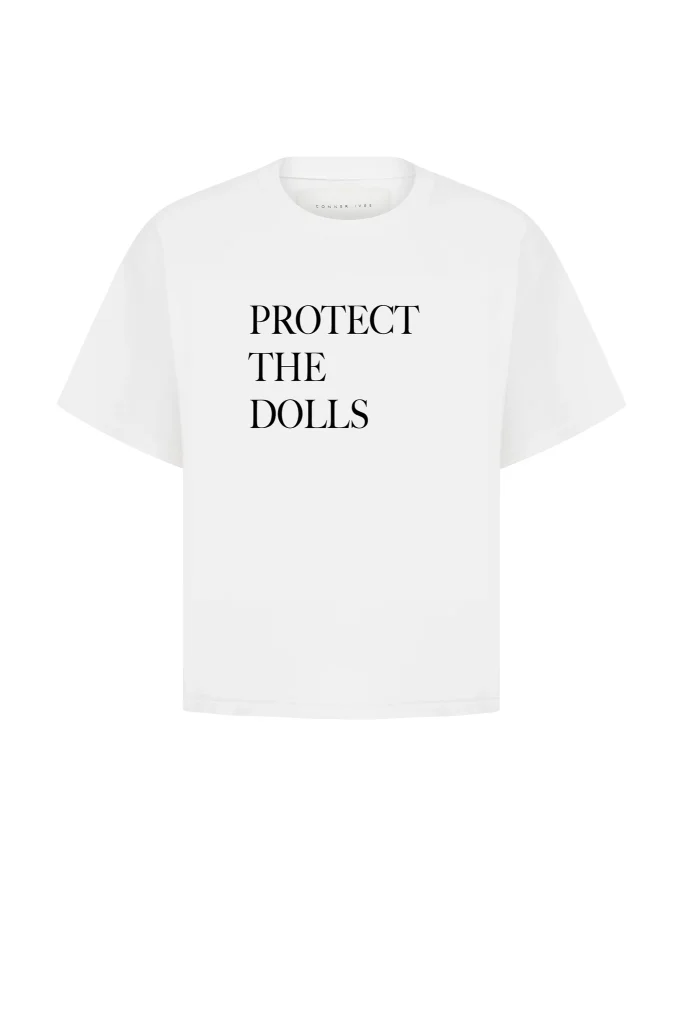
A white tee. A phrase: PROTECT THE DOLLS. It’s cute, it’s chic, it’s Instagram‑ready. You see it on the street, on a runway, on a celeb’s feed. You nod. You like it. But when the cameras fade and the crowds scatter, who’s actually getting protected?

This fashion is rooted in accountability. It’s about what it really means to protect someone when the world is stacked against them. Trends alone won’t save a life if we don’t really understand what we’re talking about.
Who Are the Dolls Really?
The “dolls” started loud, resilient, and defiant in the ballroom. Not a literal ballroom with chandeliers and silk curtains; we are talking underground spaces where Black and Latina queer communities, especially trans women, built their own stages.
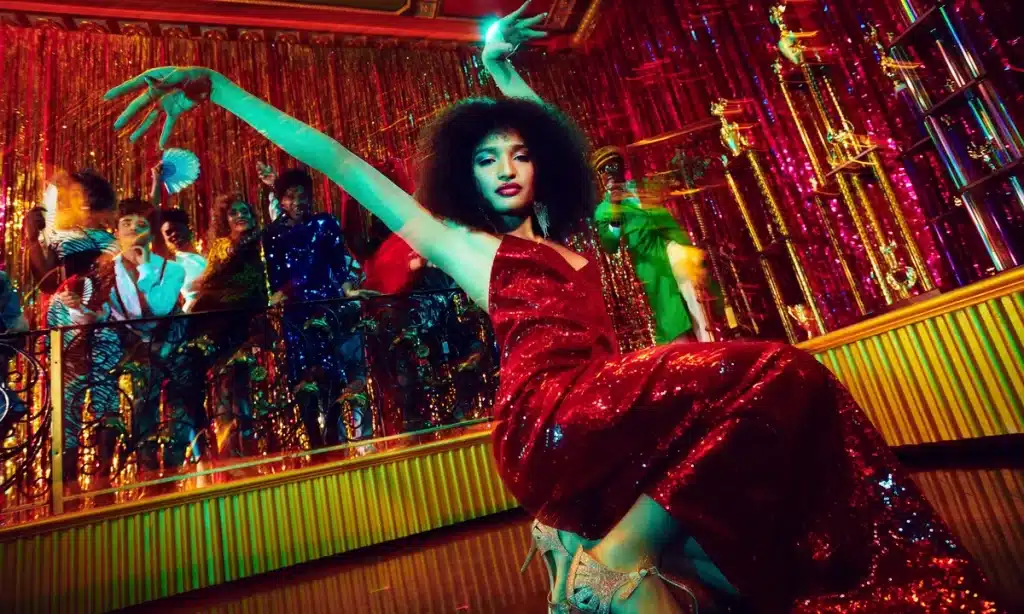
Here identity, artistry, and survival collided. It was a world of competition, performance, and fierce kinship. People “walked” in categories like vogueing, realness, or runway showing skill, style, and audacity. It was a declaration: we exist, we matter, we thrive despite the odds.
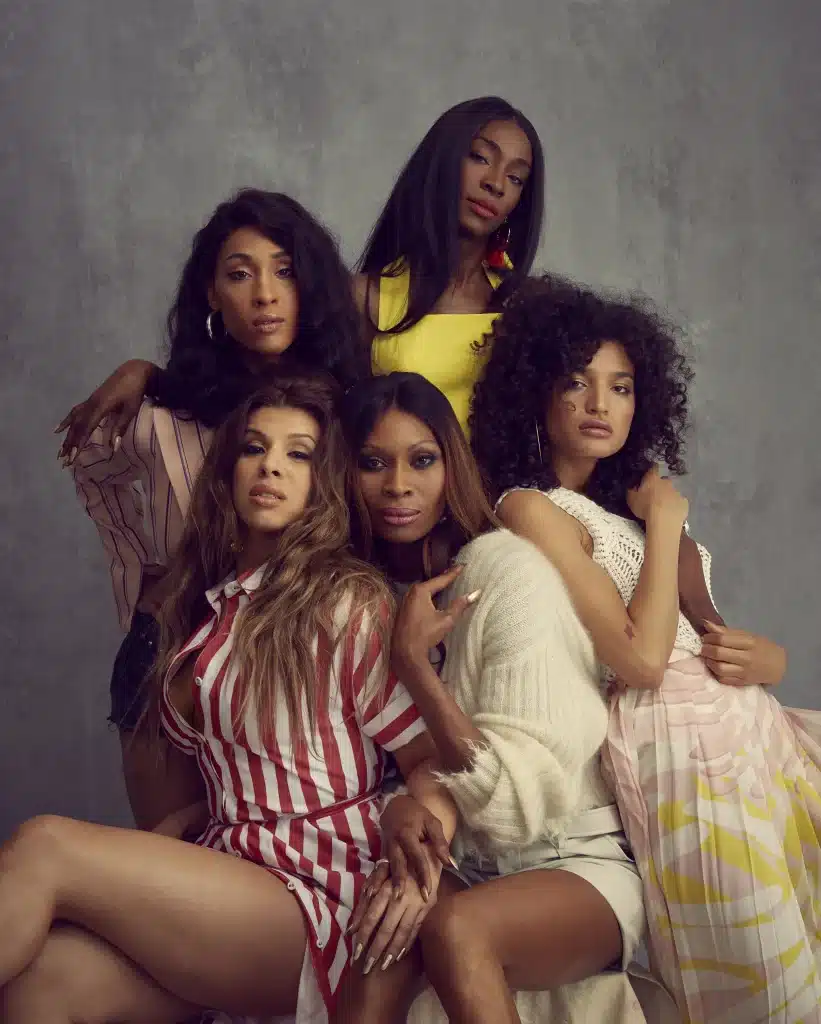
“Doll” was born there as a term of endearment, admiration, and respect. It signaled someone polished, resilient, and seen. Fast-forward to today, the word is everywhere, stretched into pastel-washed slogans, sold as solidarity, but often stripped of context.
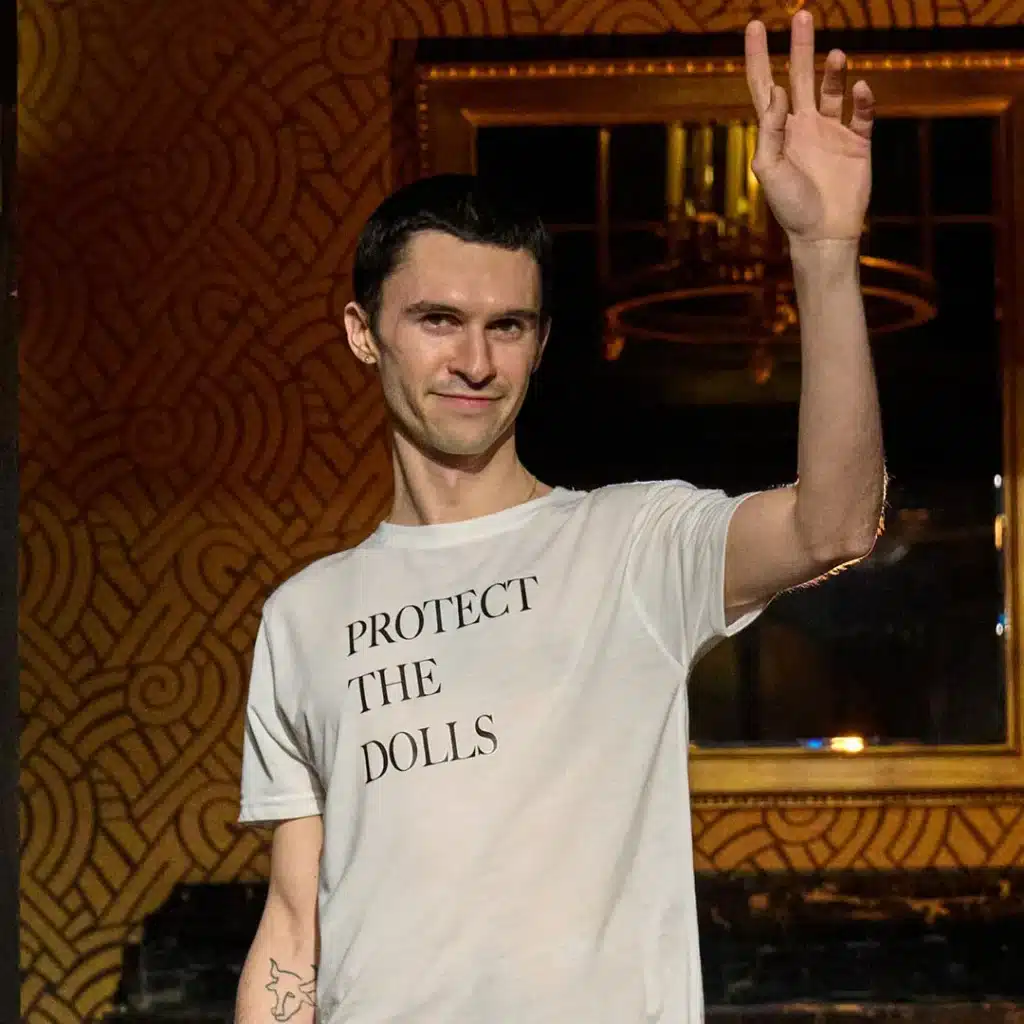
Conner Ives’ tee brought it to London Fashion Week and the dolls appeared on celebrities, feeds, and billboards. But the people behind the term, are they still invisible? Wearing the shirt feels good, but are we acting like the phrase matters too? That is where it gets complicated.

Actually that is the danger. This fashion and this phrase can be performative if they do not connect to action. Safety is not just about “don’t hurt them.” Safety is power, inclusion, and respect. It is not optional. It is radical.
The “Protect the Dolls” Shirt Is
both a statement and a call to action. The “dolls” represent Black and Latina trans women, communities that face disproportionate violence, discrimination, and social invisibility.
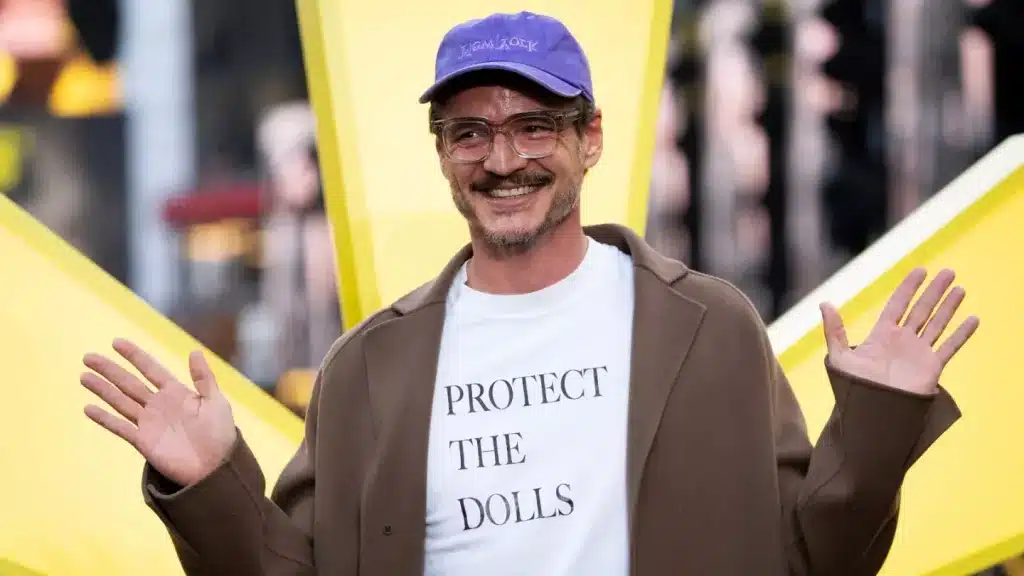
Wearing the shirt can signal recognition of their vulnerability and solidarity, but the real work comes from your actions.
The shirt matters because it asks you to notice power dynamics, challenge who gets sidelined in conversations and spaces, and redistribute resources, leadership, and visibility to those historically excluded.
But trends fade. Hashtags die. Shirts get laundry marks. Lives don’t get do-overs
so move beyond performative allyship and focus on tangible support like funding initiatives, amplifying voices, advocating for healthcare access, voting, and showing up when it truly counts.

Don’t water it down. Let it make you reconsider your influence. Do not let it be performative. Let it turn awareness into accountability and style into real-world protection. Protection is radical, messy, and long overdue.

Escape Bangkok for Thailand’s 7 best national parks. Discover wildlife, culture and ...

A detailed guide to hiking the Naga Cave, combining physical challenges with ...

Sailorr and Molly Santana’s black grills fuse hip-hop swagger with homage to ...
Treat your favorite furry companion some stylish goods Did you ever think ...

Thai filmmaker Apichatpong “Joe” Weerasethakul receives France’s highest honour, the Legion of ...

Explore seven Bangkok spots for cured beef sandwiches, from wagyu pastrami and ...
Wee use cookies to deliver your best experience on our website. By using our website, you consent to our cookies in accordance with our cookies policy and privacy policy


