
Weekend Getaways
7 Must-Visit National Parks in Thailand and How to Explore Them
Escape Bangkok for Thailand’s 7 best national parks. Discover wildlife, culture and ...


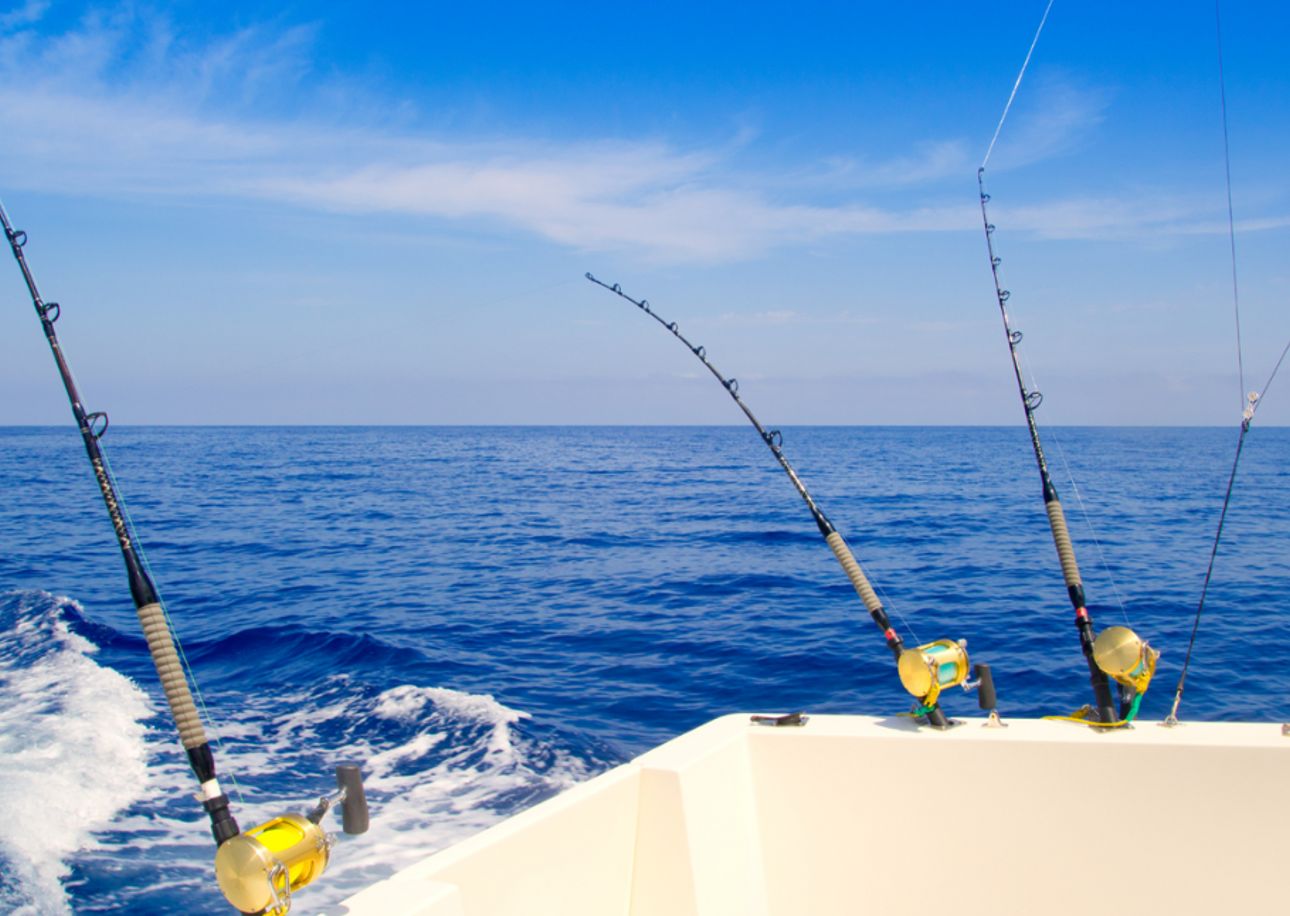
Marine biodiversity is facing threats, with many species edging towards extinction due to overfishing, habitat destruction, and climate change. This issue is particularly pressing in Thailand, where several seafood species are now endangered.
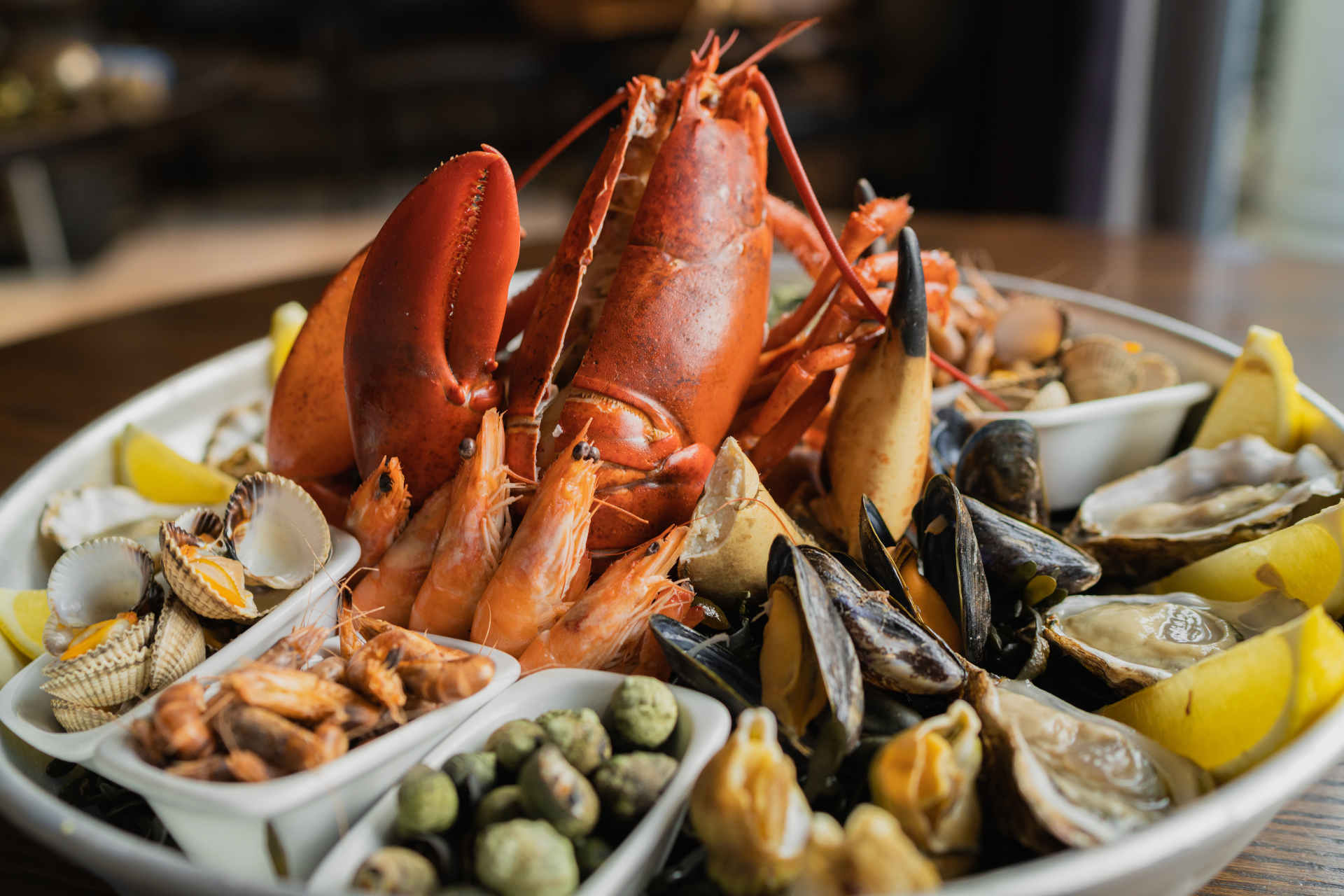
Fine dining establishments are increasingly mindful of sustainability, and are steering clear of these endangered creatures. Protecting marine biodiversity is crucial, especially when it comes to the seafood we consume.
This article covers some of the endangered seafood species in Thailand, underscores the importance of sustainable fishing, and offers guidance on how consumers can make better choices to support the preservation of marine life.
The information on endangered seafood species in Thailand is derived from sources such as the International Union for Conservation of Nature (IUCN) Red List, research articles, and conservation organisations. These sources provide data on the global conservation status of species.
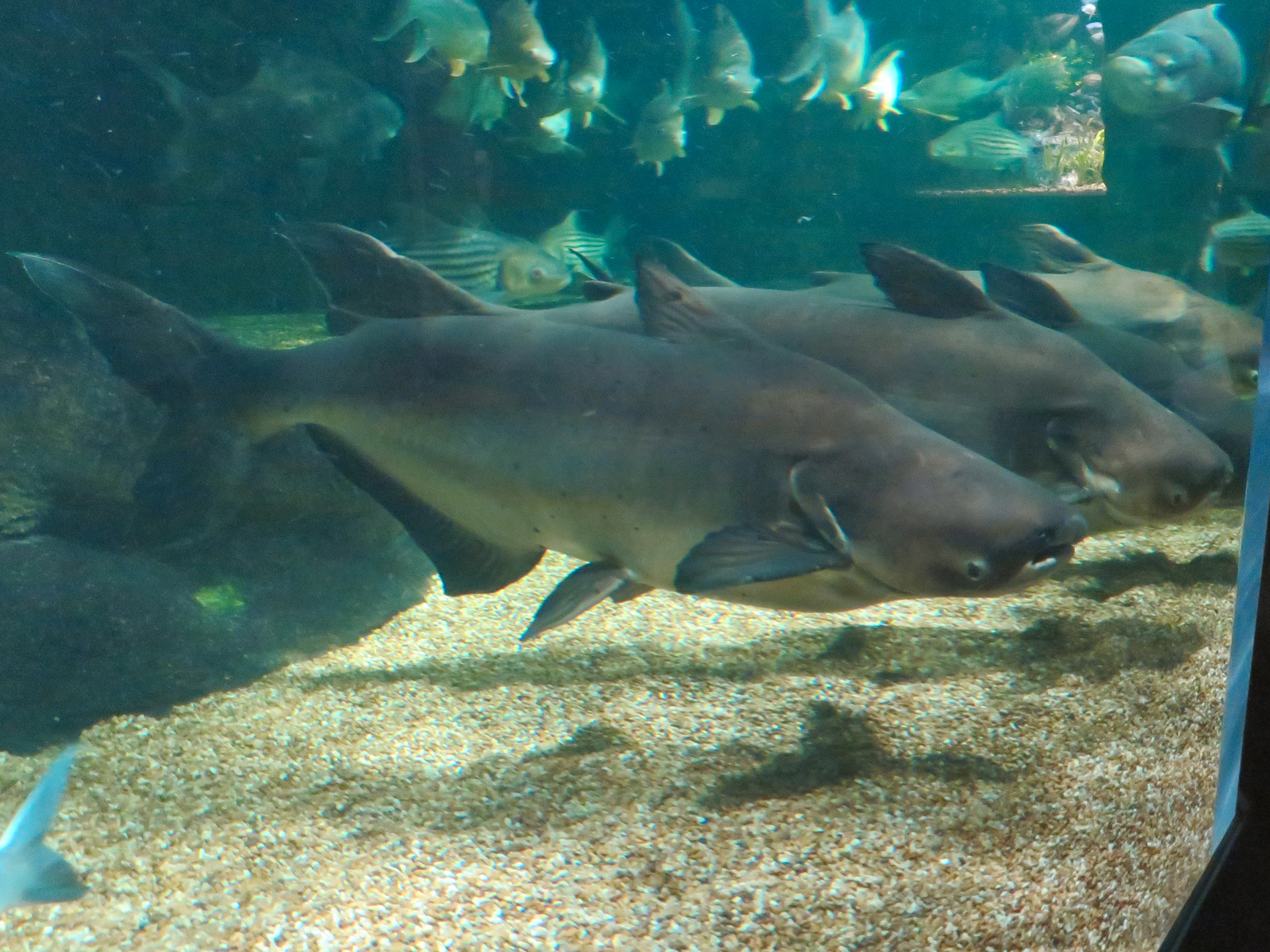
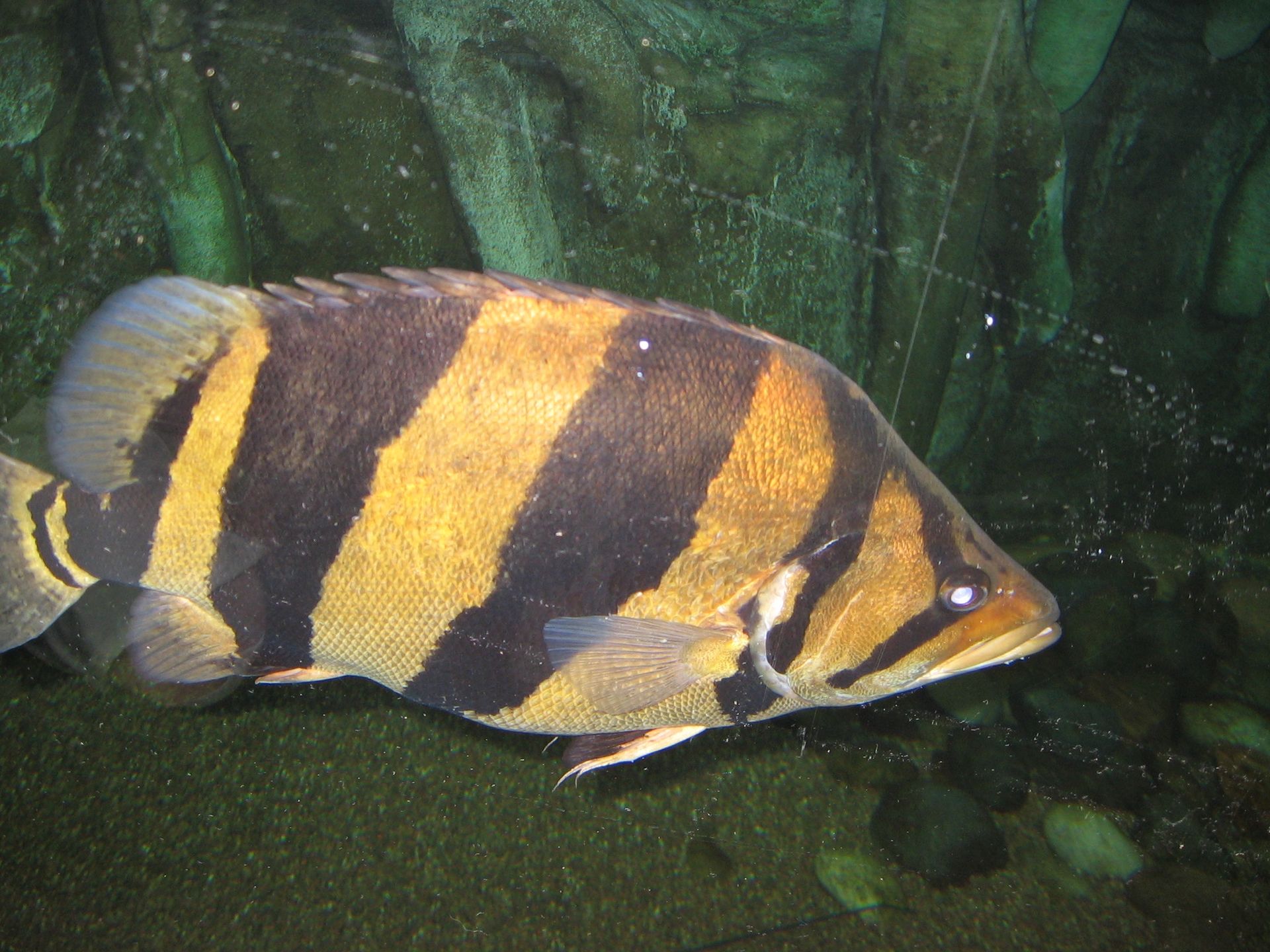
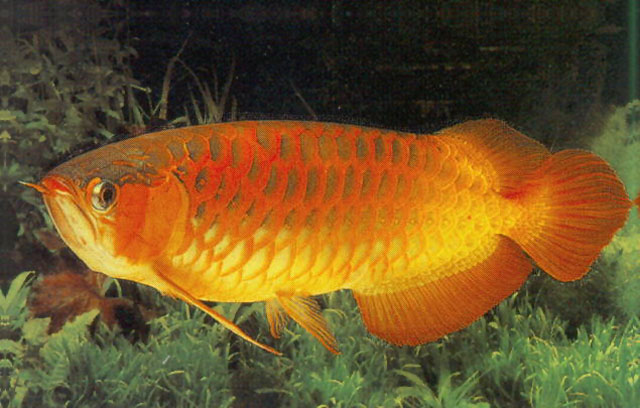
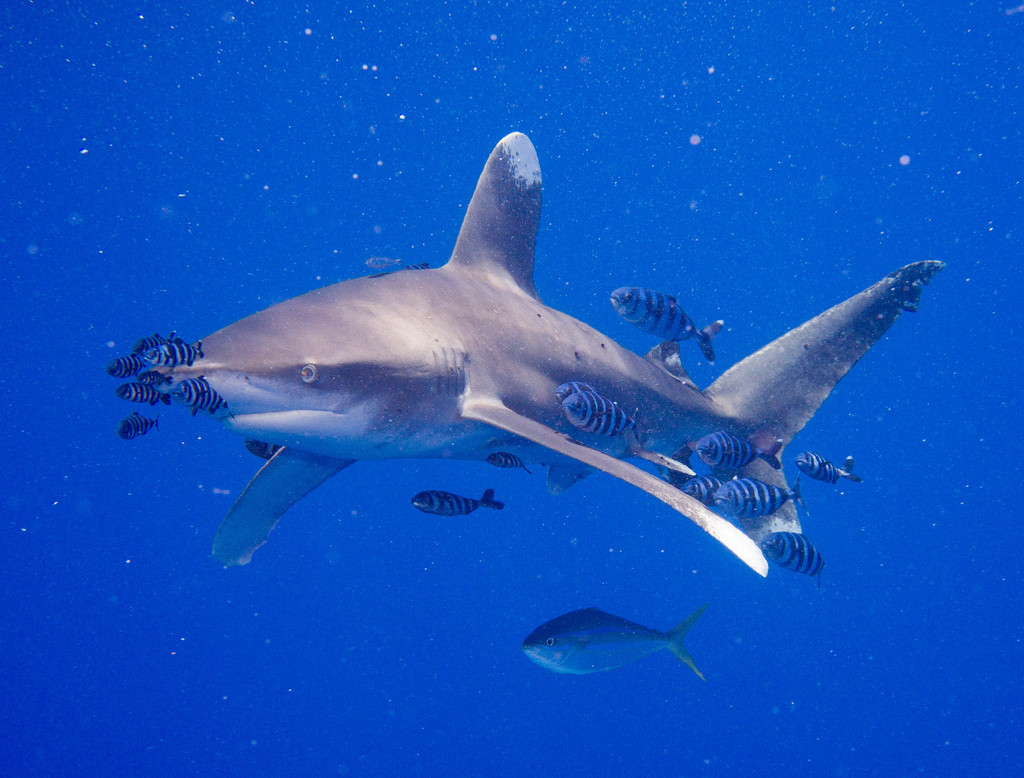
Photo: Courtesy of iNaturalist
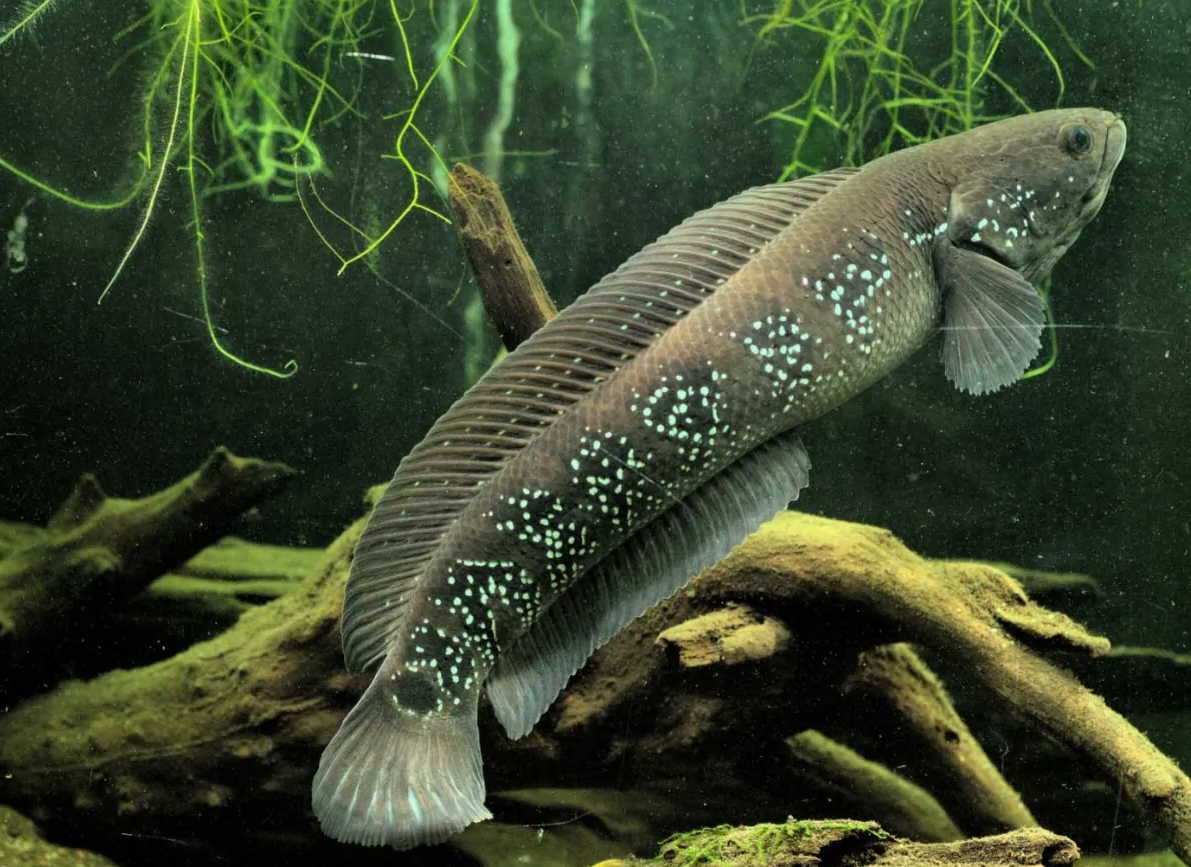
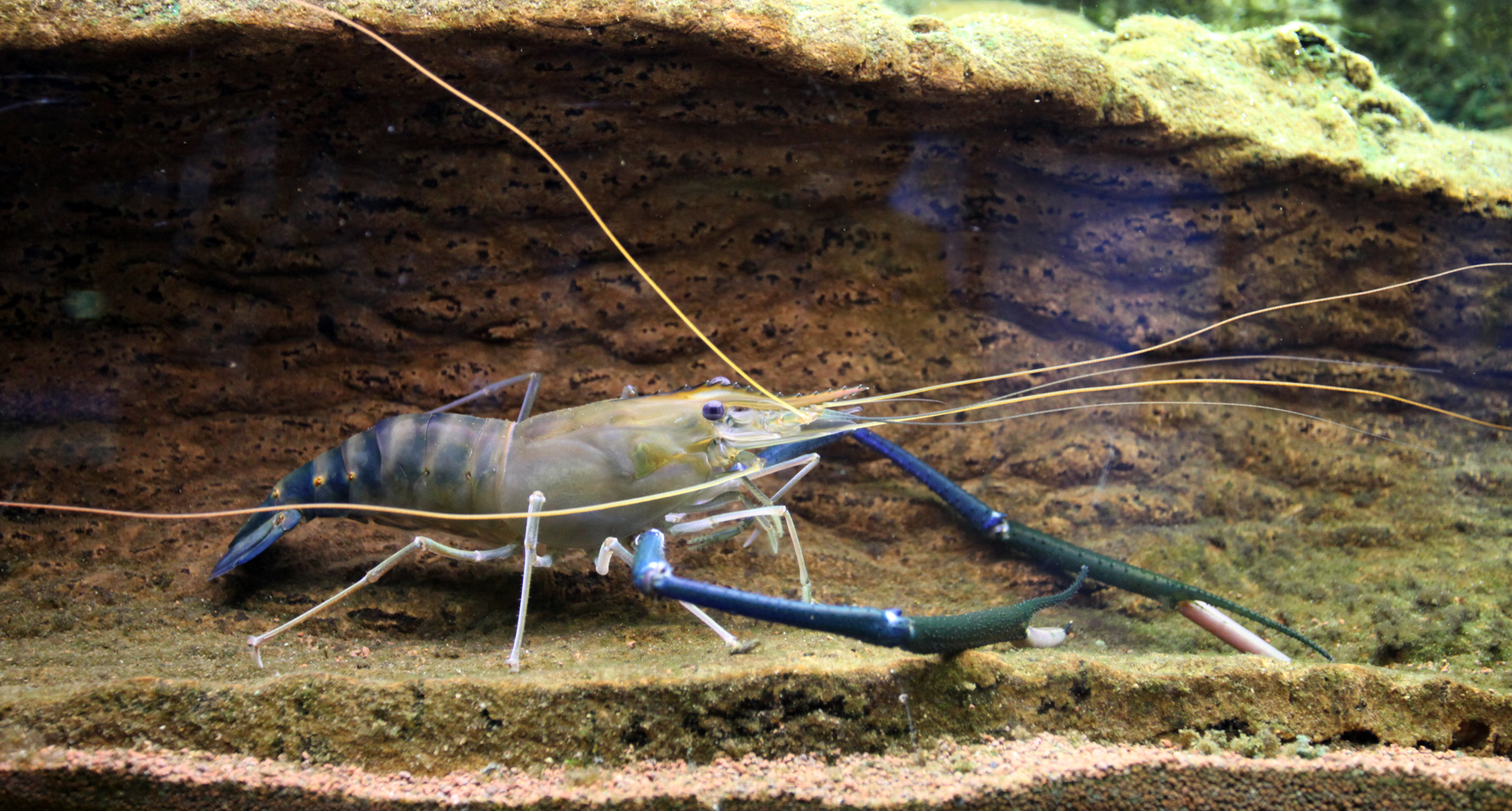
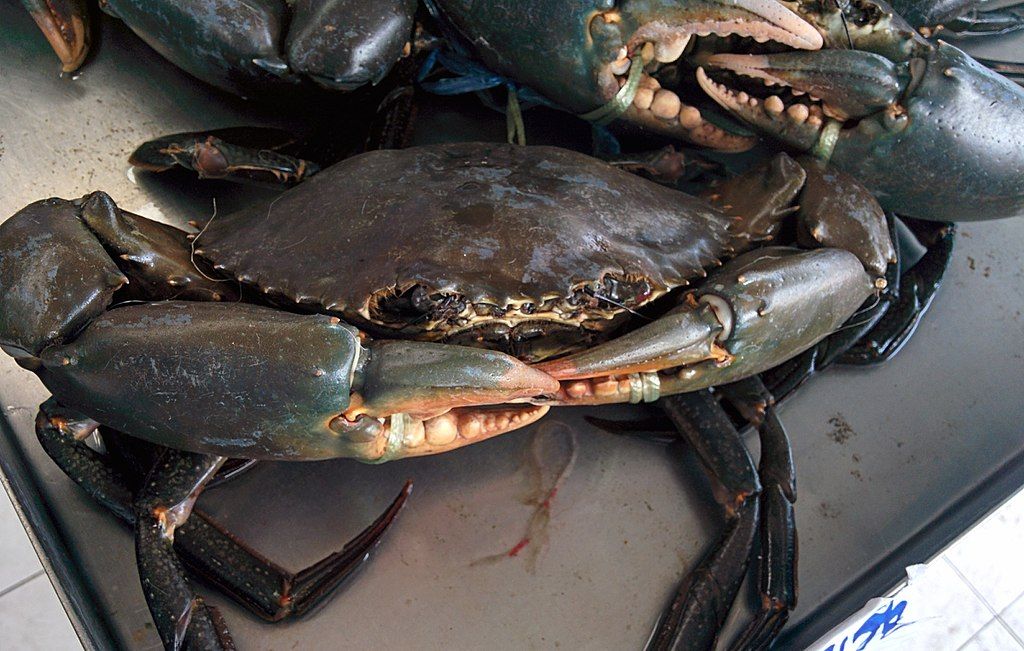
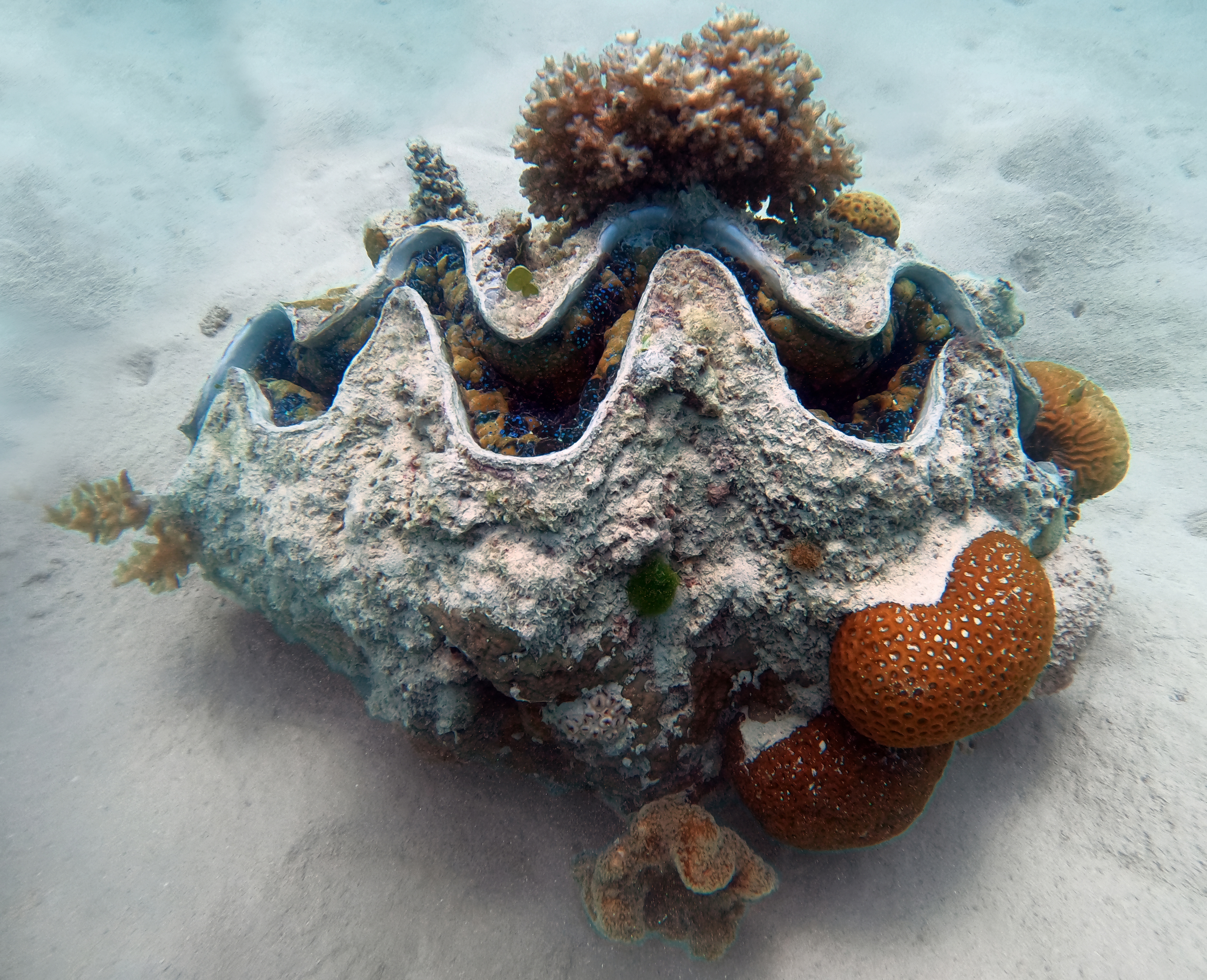
Photo: Courtesy of Charles J. Sharp
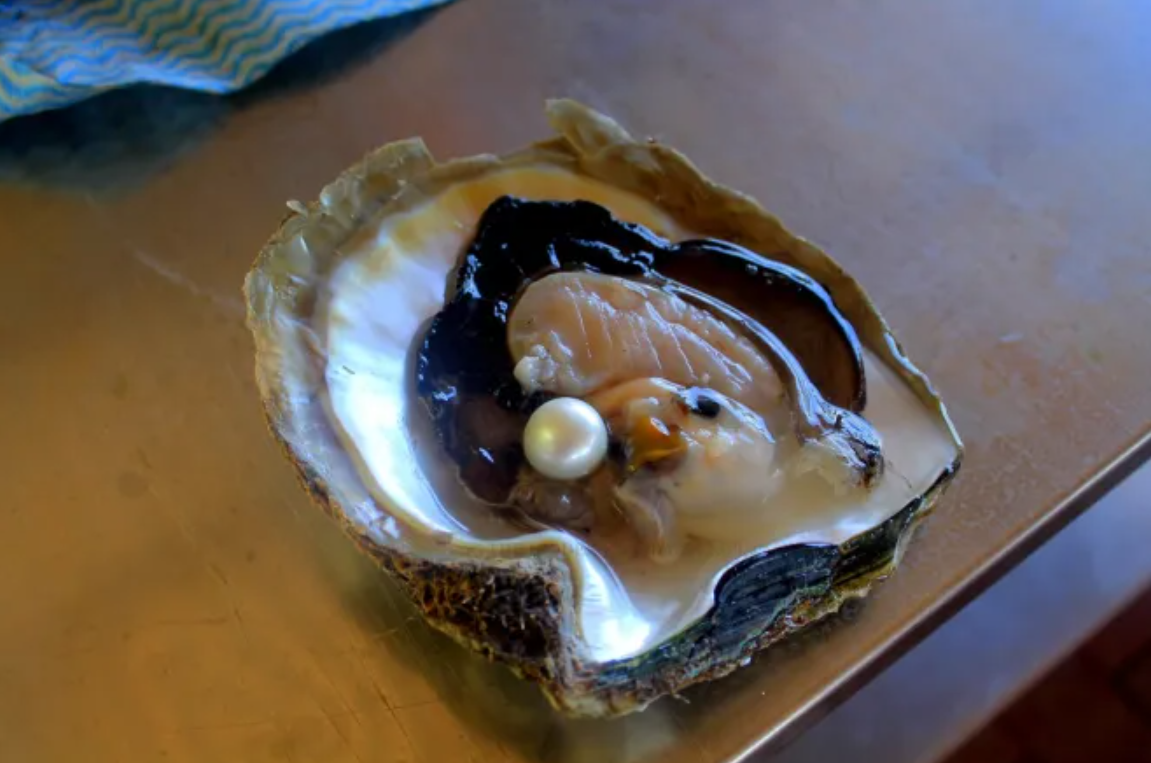
Photo: Courtesy of Willie Creek Pearl Farm
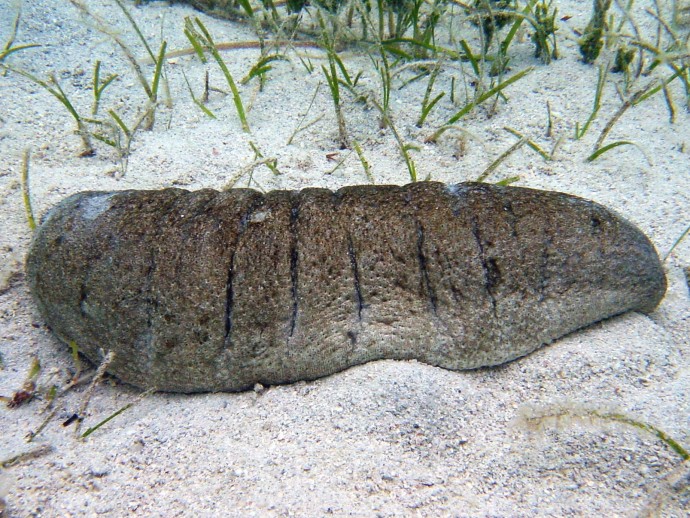
Photo: Courtesy of Steven Purcell
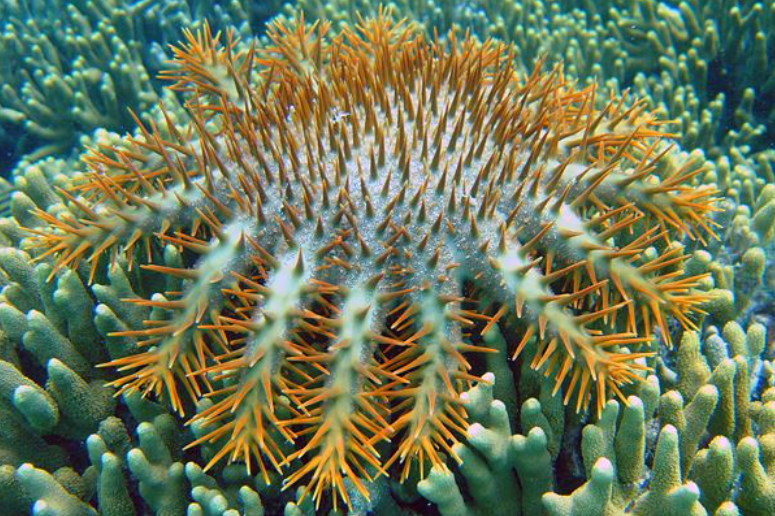
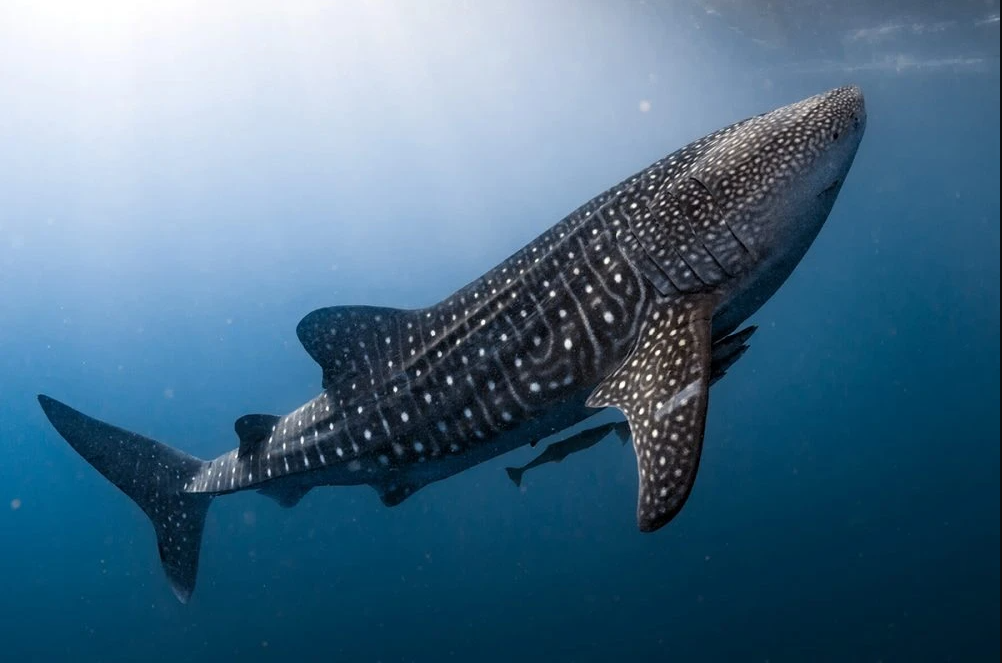
Photo: Courtesy of edgeofexistence
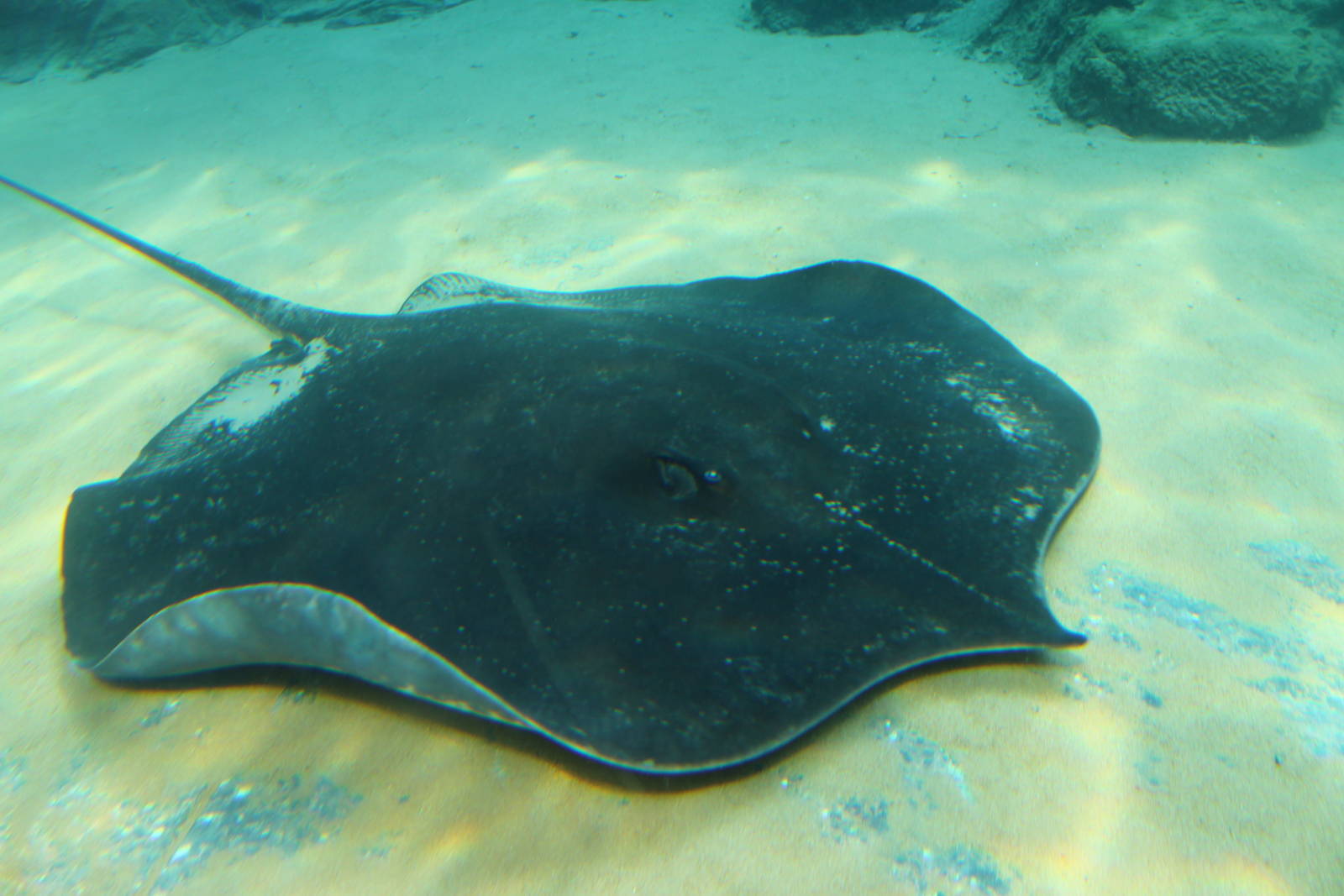
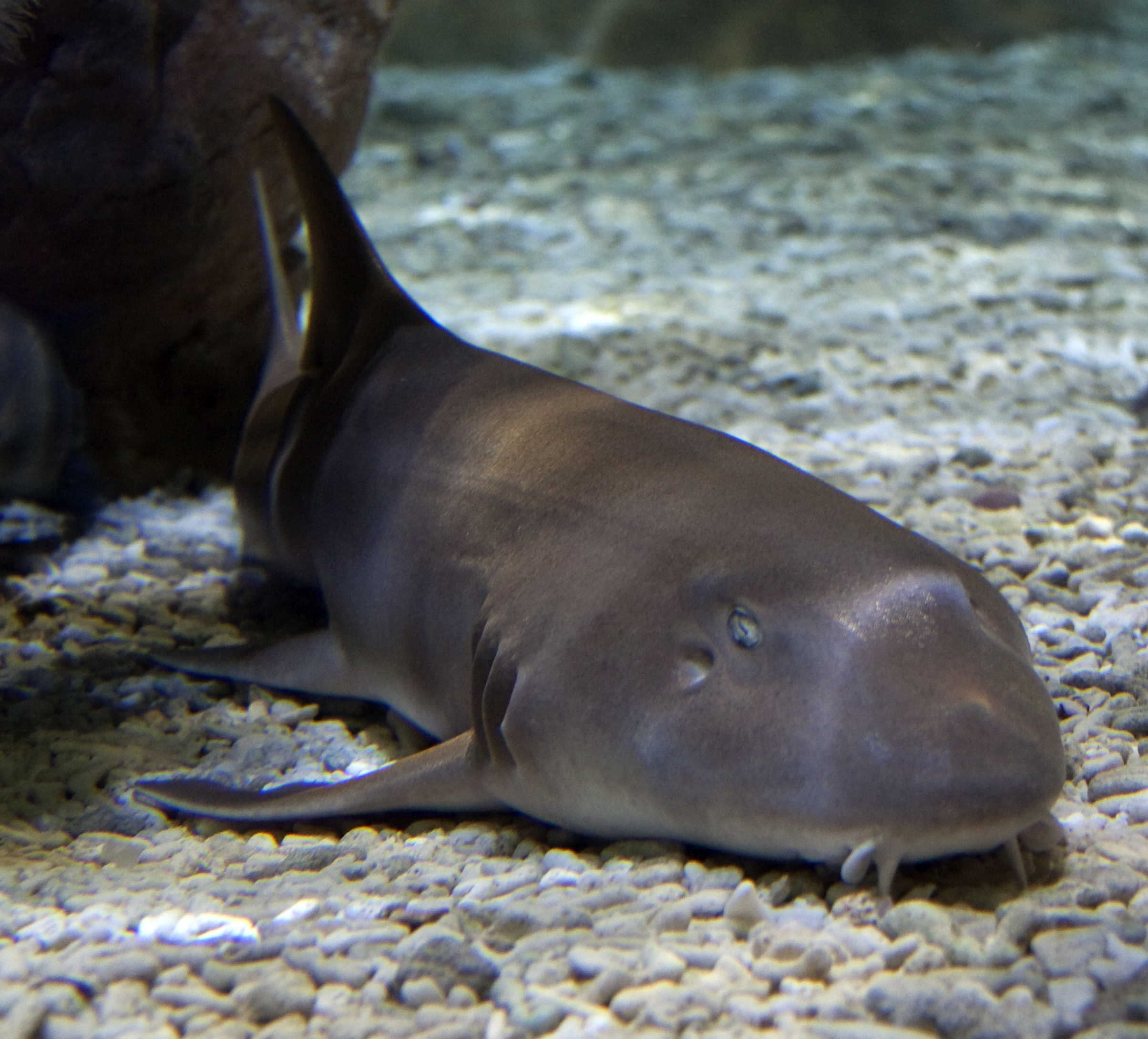
Photo: Courtesy of Tony Hisgett
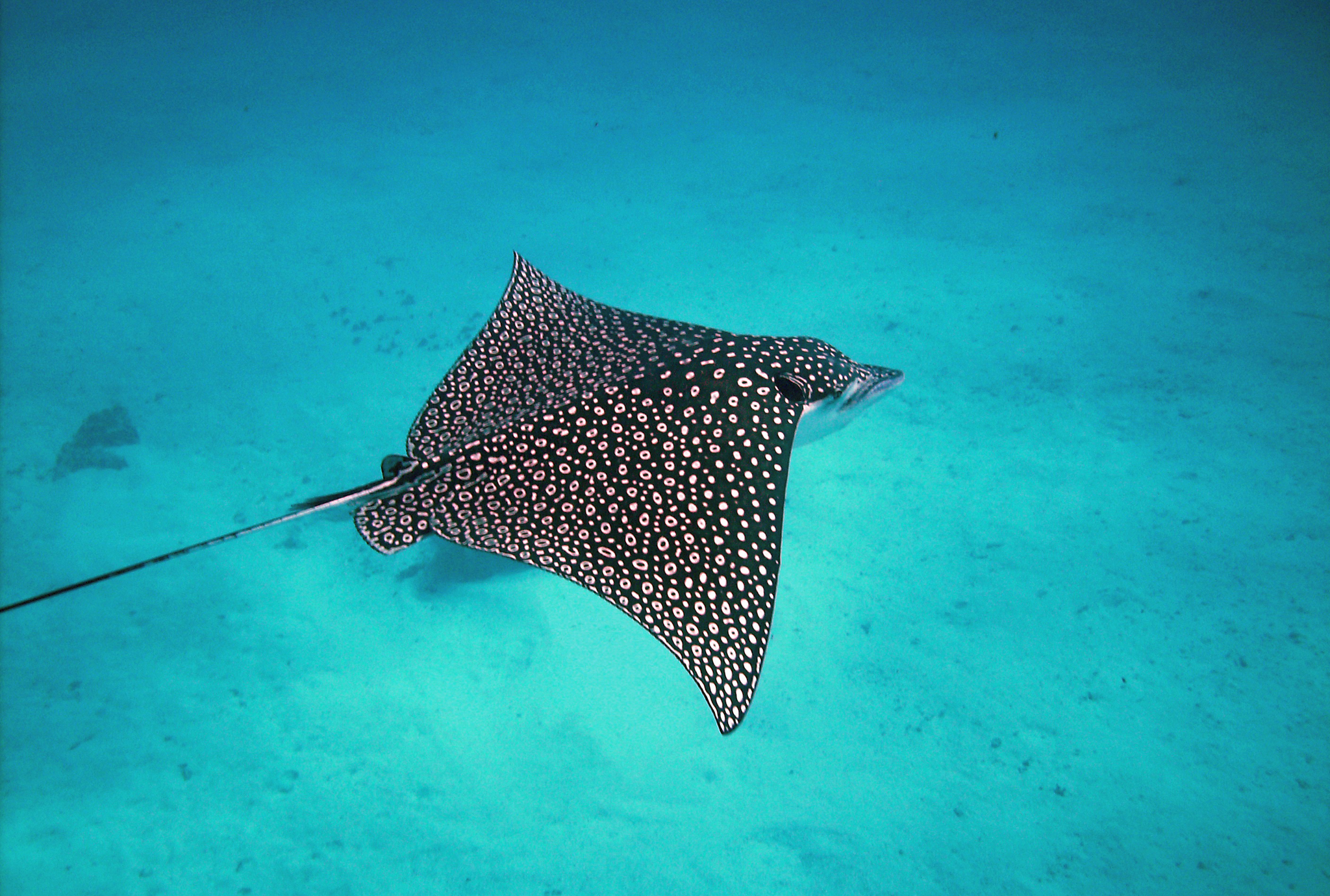
Photo: Courtesy of iNaturalist
Sustainable fishing practices are essential to maintain healthy marine ecosystems and protect biodiversity. Conservation efforts include habitat protection, fishing regulations, and breeding programs. By supporting sustainable fisheries, we can help ensure the livelihoods of local fishing communities and promote long-term economic health.
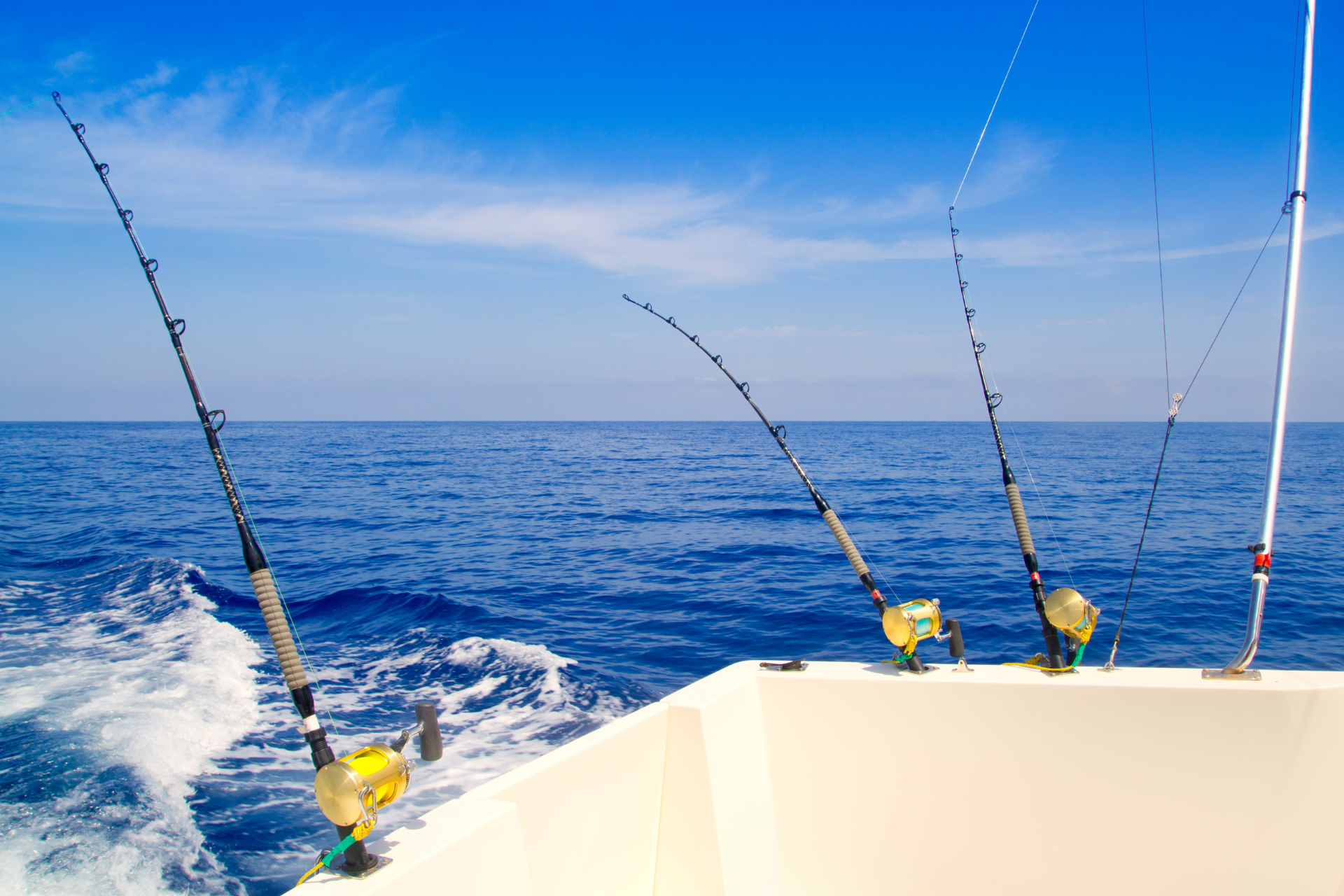
Sustainable seafood is often fresher and free from harmful chemicals and antibiotics commonly used in unsustainable aquaculture. By making informed choices, consumers can contribute to the preservation of marine species and their habitats.
To protect endangered species, adopting sustainable seafood practices is vital. Here are some steps and alternative options to consider:
Choose seafood from local fisheries that follow sustainable practices. These fisheries often employ methods that minimise bycatch and habitat damage, ensuring a healthier marine environment.
Opt for abundant and responsibly farmed species such as tilapia, barramundi, mussels, and farmed oysters.
Prefer seafood caught using sustainable methods such as pole-and-line, handline, and troll fishing. These methods have less impact on the marine environment compared to more destructive practices like trawling.
Look for seafood certified by reputable organisations such as the Marine Stewardship Council (MSC) or Aquaculture Stewardship Council (ASC). These labels indicate that the seafood has been sourced sustainably, giving consumers confidence in their choices.

Escape Bangkok for Thailand’s 7 best national parks. Discover wildlife, culture and ...

Treat your favorite furry companion some stylish goods Did you ever think ...

Japan’s famous Tsutaya Bookstore opens at One Bangkok this October 2026 with ...

From fish sauce cookies to mala ice cream, discover the strange and ...

L’On Art Festival makes its debut in Bangkok with live painting, workshops, ...

From Chanel in Bangkok to Dior with A24, luxury enters new cultural ...
 English English
  Thai
Thai
Wee use cookies to deliver your best experience on our website. By using our website, you consent to our cookies in accordance with our cookies policy and privacy policy


