
Weekend Getaways
7 Must-Visit National Parks in Thailand and How to Explore Them
Escape Bangkok for Thailand’s 7 best national parks. Discover wildlife, culture and ...


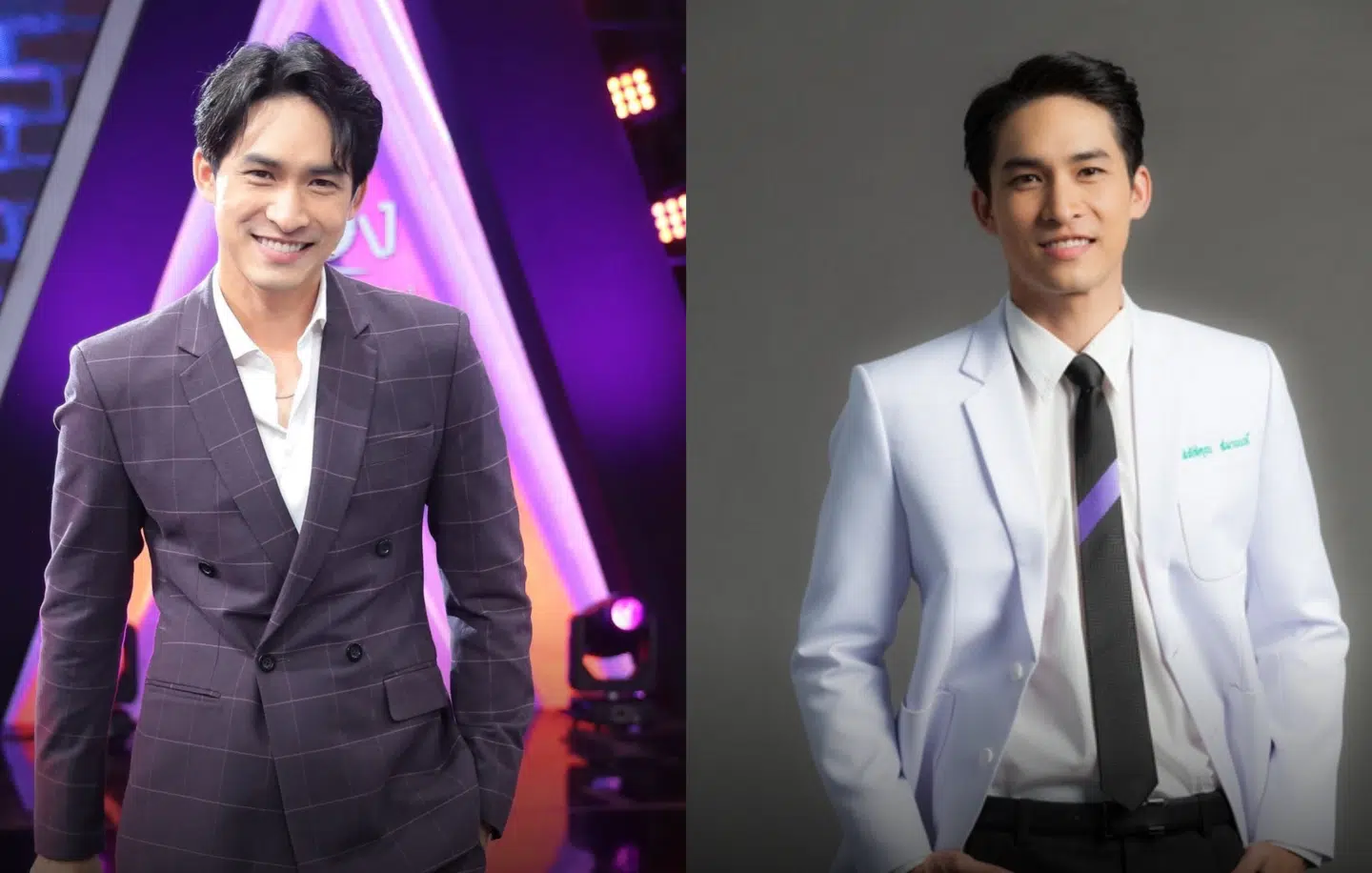
In this edition, we trace a well-known figure whose work extends beyond the screen, someone who seeks to inspire and heal in more ways than one.
Sarawit “Kong” Subun is widely known as an actor, yet another part of his life is rooted in medicine. Balancing both, he has made a firm commitment to using his profession in service of society.
His journey unfolds through two parallel paths, one in the public eye and the other in medicine, a field that has shaped his life long before fame came about.
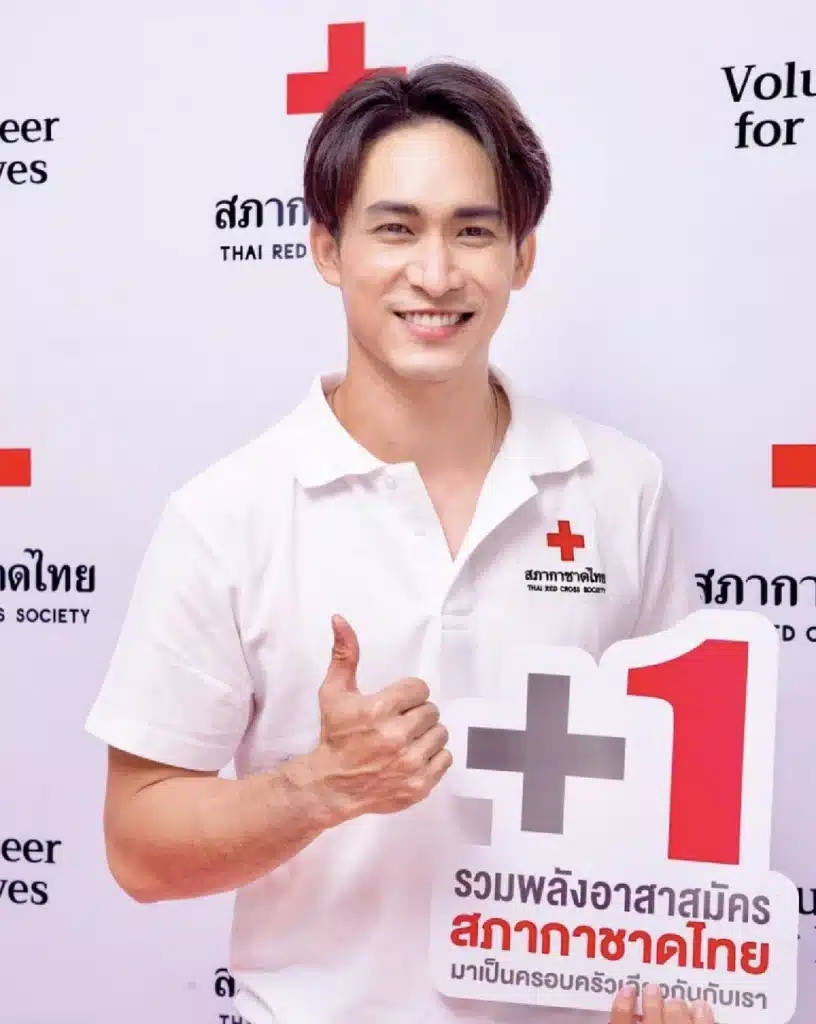
While studying in his fourth year at Phramongkutklao College of Medicine, he joined a charity play for the university’s 30th anniversary. Filming nearby, a television team noticed him and suggested he pursue acting. It suggested a possibility he had not considered before. Meanwhile, a senior acquaintance later submitted his profile to the Male Star Challenge 2006 without him knowing. He later received a call confirming his place in the top 200. He chose to participate with little preparation, progressed through each round and eventually won the Popular Vote.
Following this, Channel 3 approached him and signed him on as an actor. He began as a presenter for entertainment programmes before taking his first acting role in Prik Thai Kab Bai Khao (2008), steadily building his career from there.
Despite growing visibility, his medical path continued without interruption. He studied medicine alongside his entertainment work, carrying both roles in parallel in a way that would later define his professional identity.

Kong’s path to medicine was shaped largely by his parents, who hoped he would pursue the field. Although it was not his first choice, he did not resist it.
In his early years, he was not focused on academics. While studying in lower secondary school in Lopburi, he was more interested in play than planning for a future career. A shift came during his time at Triam Udom Suksa School in Bangkok, when he struggled with biology and performed poorly in an exam. Instead of criticism, he received encouragement from his teacher, which led him to reflect and gradually change his approach to learning. From then on, he became more disciplined and committed.
At the time of choosing a field of study, he considered education, inspired by a teacher he admired, or communication arts, with an interest in directing behind the scenes. Guided by his father’s encouragement, he chose medicine and was admitted to Phramongkutklao College of Medicine.

Phramongkutklao College of Medicine operates within a military system, training students as both doctors and soldiers. Academic standards comply with the Medical Council, while discipline aligns with the Chulachomklao Royal Military Academy. For Kong, this meant carrying two responsibilities at once.
The first year was spent on general sciences at Kasetsart University as pre-med training. From the second to sixth year, he continued medical studies at the main campus near Victory Monument. Before entering his second year, he underwent nearly two months of intensive military training during the summer, requiring both physical and mental adjustment and building lasting discipline.
His experience in medical school grew increasingly meaningful as his commitment deepened and he eventually graduated with first-class honours.
After graduating, he served as a doctor at Fort Chakrabongse Hospital in Prachinburi for one year. Early in his career, he came to understand that medicine carries responsibility beyond knowledge and skill. It is a profession built on trust, where care for others must remain at the centre of every decision.
He later transferred to Thung Si Kan, Don Mueang, Bangkok, working as a military general practitioner under the Medical Inspection Division, Development Command at the Royal Thai Armed Forces Headquarters.

Even in practice, he balanced hospital duties with his work in entertainment. His main responsibility remained medicine, while his work in the industry was arranged around his medical schedule. When conflicts arose, he coordinated shifts with colleagues through mutual understanding within the team.
In his work, he focuses on full commitment once he accepts a role, giving his best while managing time carefully. If uncertain, he prefers not to proceed, valuing clarity and quality over quantity.
Among his experiences, assisting in childbirth remains one of the most meaningful. It leaves a lasting impression through its emotional depth and human connection. He describes it as the moment a mother meets her child, where the baby becomes the centre of her world. Being part of that moment gave him a shared sense of happiness and a deeper understanding of the love a mother holds for her child.
Today, that balance takes a different form. He still attends clinics at the Office of the Permanent Secretary for Defence, operating in an outpatient system connected to Phramongkutklao Hospital, where patients receive consultation and medication within the same day.
As his entertainment schedule became more demanding, he has stepped back from full-time hospital duties but continues to return as a doctor when possible. For Kong, medicine is not something to leave behind, but something to carry forward. While his work in entertainment comes from passion, being a doctor remains a responsibility, one rooted in knowledge and trust that he believes will stay with him for life.
Without a fixed salary, he continues this work to keep his skills active and remain connected to the profession, while also valuing the collaborative environment among doctors, nurses and staff built on mutual care.

Alongside medicine, his long-held interest in teaching has also developed into speaking engagements. He is often invited to share medical knowledge and life experience with younger audiences, including talks on presentation skills, motivation and community health volunteer work.
Before stepping back from full-time practice, he also completed a short course in acupuncture under traditional Chinese medicine. Today, he uses it selectively alongside modern medicine and physiotherapy, especially for pain and muscular conditions, always after proper diagnosis.
Through these paths, Kong’s journey in medicine extends beyond a fixed role or title, remaining an ongoing practice shaped by responsibility, timing and a continued commitment to care.

Escape Bangkok for Thailand’s 7 best national parks. Discover wildlife, culture and ...

Treat your favorite furry companion some stylish goods Did you ever think ...

Japan’s famous Tsutaya Bookstore opens at One Bangkok this October 2026 with ...

From fish sauce cookies to mala ice cream, discover the strange and ...

L’On Art Festival makes its debut in Bangkok with live painting, workshops, ...

From Chanel in Bangkok to Dior with A24, luxury enters new cultural ...
 English English
  Thai
Thai
Wee use cookies to deliver your best experience on our website. By using our website, you consent to our cookies in accordance with our cookies policy and privacy policy


