Weekend Getaways
7 Must-Visit National Parks in Thailand and How to Explore Them
Escape Bangkok for Thailand’s 7 best national parks. Discover wildlife, culture and ...


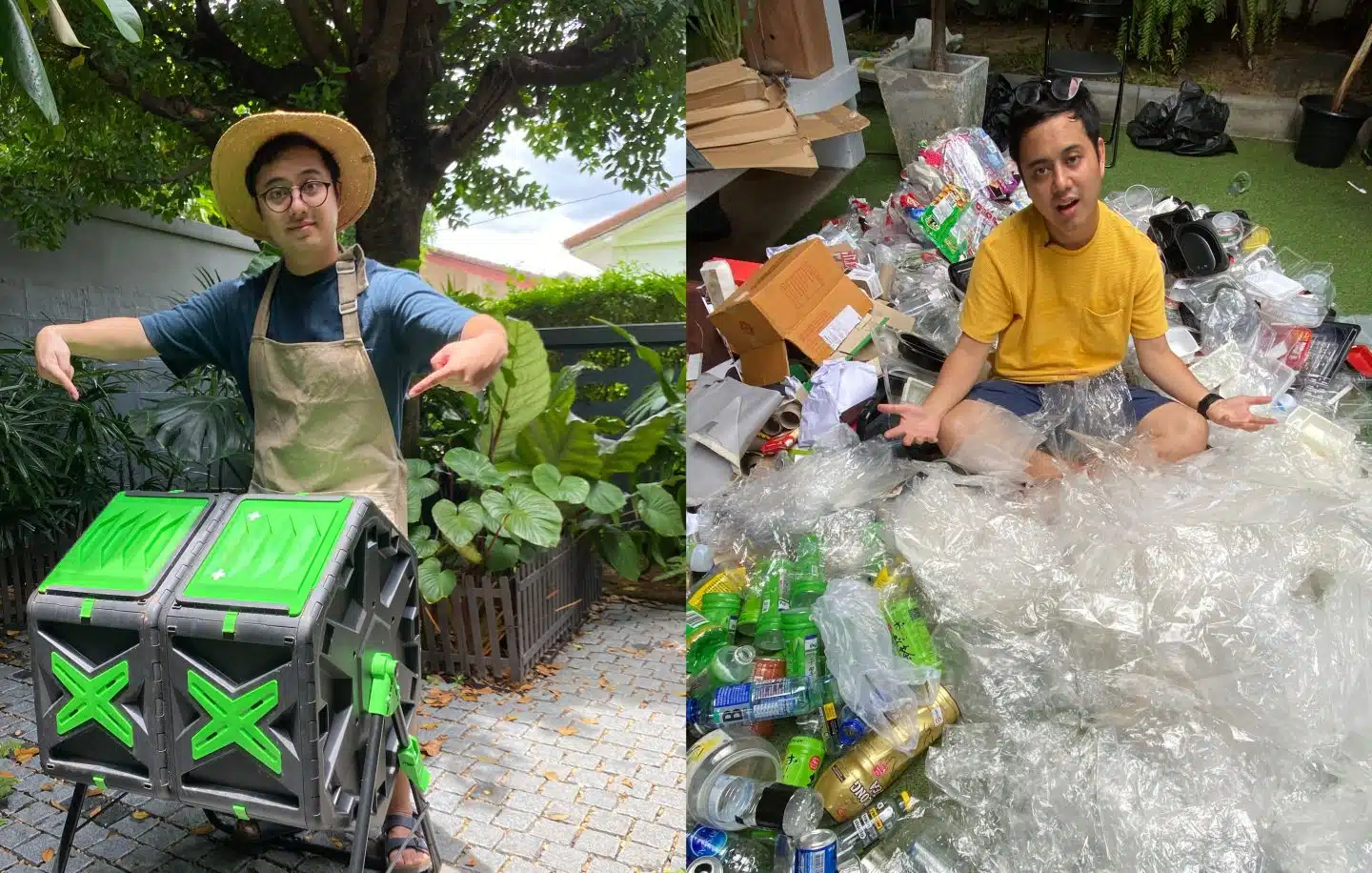

“Do you know that in Thailand there are more than 1,800 landfill sites, nearly 2,000 in total?”
It is the kind of question that makes people pause mid-scroll. And it is exactly how Chanut “Kong” Wudhiwigaigarn, creator of the channel KongGreenGreen, draws his audience in.
For Kong, a strong hook is essential. Environmental content is rarely what people search for, so he begins with something that stops them. But the hook is never just for views. Behind it lies a deeper intention: to help people understand the reality of waste in Thailand.
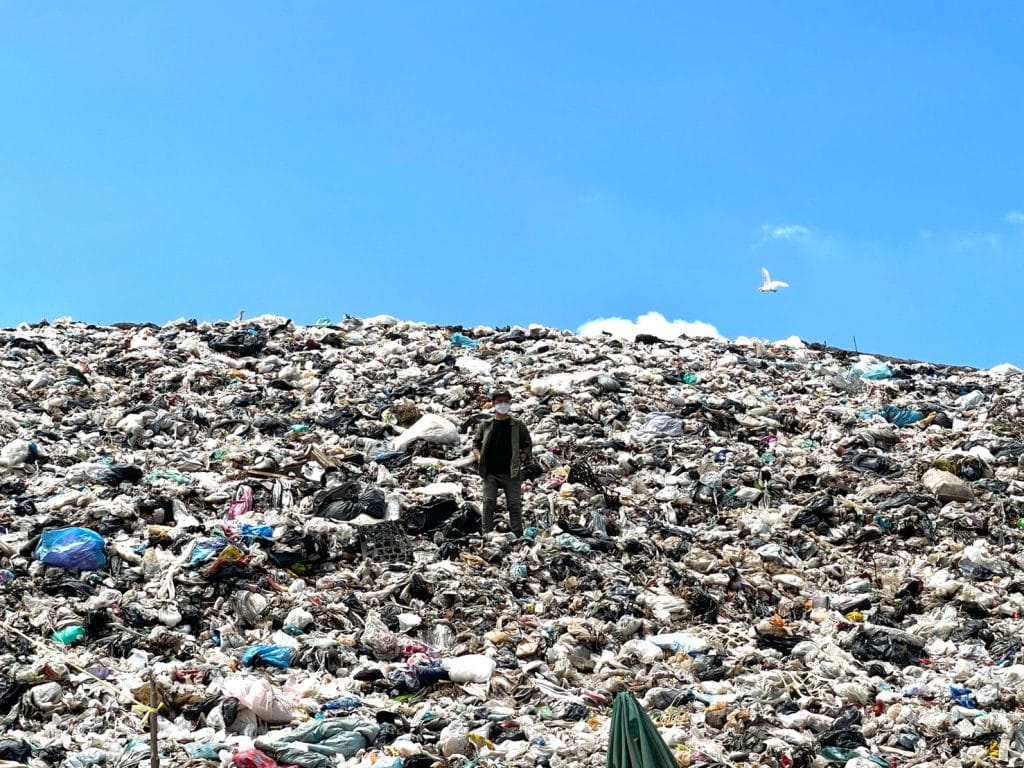
Most landfill sites are open dumps, lacking proper lining to prevent toxic leakage and with limited systems to control fire, odour or contamination of nearby land and water. Waste management remains a serious and often overlooked issue.
Today, we look at his journey and the vision driving him towards a more responsible, zero-waste future.
Although Kong studied Industrial Design at the Faculty of Architecture, majoring in product design with a focus on packaging, his path soon moved into media. After graduation, he worked in production, TV programmes and documentary content.
As far as waste is concerned, Kong started out like many of us. Rubbish was just part of daily life, something you threw away and forgot. He had the chance to see a massive landfill up close when he joined the team behind an environmental television programme called The Green Diary.
“I was shocked. Our waste doesn’t disappear. It piles up into massive heaps, sometimes near farms and water sources. It’s impossible to ignore. When the show ended, I realised I was still invested. It had changed my behaviour, but one question stayed with me: ‘You separate your waste, but then what?’ No one really explains where it goes. So I wanted to be one of the voices helping people understand the system and take action.”
His academic degree was a help. As a packaging major, he studied materials in depth. He learned how plastics are engineered for heat, chemicals or convenience and how packaging is designed to stand out and drive sales. He understands how products are built to sell and how waste is designed into them from the start.
Together, his background in packaging design and his production career, shaped his channel. He knows how products are made and how to tell a compelling story. That mix helps him turn complex environmental issues into content that is clear, engaging and practical.
But beyond the journey, let’s get into what he really wants us to think about. What lies underneath the clips, the hooks and the headlines?
“Materials are still the hardest thing to understand. We use so many in Thailand, and for many of them there’s simply nowhere clear to send them. Even something as small as a silica gel packet — how do you dispose of it? Is it chemical, flammable, biodegradable? ”
He explains that plastic is far more complicated than most people realise. It comes in many numbered types. Even within the same plastic number, items are not always recycled together. The thickness, additives and production process can vary, which affect how they melt and reform in recycling machines.

“Cafés use different types of plastic for the cups of the same drink. Even when they look identical, they are made from different materials. Most of these cups are difficult to recycle properly, so many still end up in the landfill.”
Kong admits that the guidance can sometimes feel overwhelming. He often has to tell people to take packaging apart piece by piece, separating each component carefully.
And perhaps that is why everything feels so difficult to explain in a single post or one short message. The system is layered, messy and full of grey areas. That is exactly why his content exists, to unpack it slowly, story by story, question by question, until it begins to make sense.
“My content won’t make you richer overnight or more attractive. It won’t give you clearer skin or a six-pack. In terms of quick wins, it can’t compete with finance or investment content where the benefits feel immediate. But I want to make people see that this matters just as much, even if the rewards aren’t instant.”
Before we even talk about separating waste, he says the real impact starts earlier, with prevention.
“For me, reduction comes first. Don’t fall for the myth that convenience is necessary. Most of the time, we can live without it.”
He points to simple habits. If you already have a reusable cup and drink coffee every day, bring it to a café. Say no to the plastic bag at the convenience shop. Type “no cutlery, no sauce” when you order delivery, when most homes already have drawers full of unused condiments. He believes habits shape systems. For him, it is simple: plan ahead, carry what you need and question what you are handed. Prevention first. Separation second.

“Sometimes it’s just one sentence that keeps me going. When someone says, ‘We started separating waste at home because we watch you,’ it means so much. Whether it’s a small step at home or a big shift in an organisation, knowing I helped spark that change makes it all worth it.”
Beyond his own channel, he has co-created two television programmes.
Little Hands Can Do: Mue Noo Koo Lok, which has already aired, is a children’s show that takes pupils to landfill sites, follows rubbish collectors and explores the real impact of waste in an engaging, age-appropriate way. His second programme, Jan Nee Mee Rueang Lok (Tales of Taste), which will air on Thai PBS during Songkran, looks at how our everyday food choices are linked to the climate crisis and how small changes on our plates can make a difference.
This year, Kong has also stepped beyond content and into policy.
“I’ve joined efforts to push for a Circular Economy Act. Right now, we place too much hope on consumers. We tell people to separate waste, to try harder, to spend more effort and even money. But there’s no single rule for everyone.”
For him, that is why policy matters. Real change, he believes, must begin at the source with producers, services and a proper waste system. The proposed People’s Circular Economy Bill, shaped by citizens and environmental experts, aims to cut landfill waste and increase recycling.
“I just want to keep sustainability in people’s sight. As long as it stays visible and engaging, when people are ready, they’ll act. My role is to make sure the conversation doesn’t fade and to push it from digital into real action.”


Escape Bangkok for Thailand’s 7 best national parks. Discover wildlife, culture and ...

Treat your favorite furry companion some stylish goods Did you ever think ...

Japan’s famous Tsutaya Bookstore opens at One Bangkok this October 2026 with ...

From fish sauce cookies to mala ice cream, discover the strange and ...

L’On Art Festival makes its debut in Bangkok with live painting, workshops, ...

From Chanel in Bangkok to Dior with A24, luxury enters new cultural ...
 English English
  Thai
Thai
Wee use cookies to deliver your best experience on our website. By using our website, you consent to our cookies in accordance with our cookies policy and privacy policy


