
Weekend Getaways
7 Must-Visit National Parks in Thailand and How to Explore Them
Escape Bangkok for Thailand’s 7 best national parks. Discover wildlife, culture and ...



Bangkok’s food scene rarely stands still. One month it is tasting menus driven by imported luxury, the next it is sourdough obsessions and natural wine. Right now, this moment feels different. Technique is being filtered through terroir, fermentation is treated as craft rather than fashion, cocktails are speaking in colour instead of words, and regional identities are becoming clearer rather than diluted.
These five stories hint at a city that is refining its voice, more confident in how it defines flavour.
One of the most interesting openings is Ebbe Bangkok at Erawan Bangkok. Led by Scandinavian chef Ebbe Vollmer, the restaurant brings Nordic discipline into direct dialogue with Thai terroir. Rather than reproducing a European tasting menu in Bangkok, the kitchen focuses on local produce interpreted through a precise and minimalist lens.
The place is led by a green interior with counter seating that allows guests to observe each course as it is prepared. The tasting menu evolves with the seasons and centres on purity of flavour and ingredient-driven compositions. This opening is not just another fine dining address backed by a famous name. It signals a more mature stage in Bangkok’s dining scene, where technique from abroad is filtered through local produce. International technique is no longer the headline. Instead, it becomes a tool for expressing what Thailand can offer at its best. If the team succeeds in building long-term relationships with Thai farmers, as they intend, Ebbe could become a strong example of how global experience and local sourcing can work together in a meaningful way.


At Opium, Arnon “KK” Hoontrakul and his team have launched Expression Cocktails 2, the latest edition that explores how specific places can be translated into drinks through colour, texture and technique. What is compelling is that they move beyond storytelling through words and instead use colour, shape and technique to express a destination.
Each menu is inspired by a destination including Song Wat, Chiang Mai, Damnoen Saduak (floating market), Hanoi and Sardinia. The drinks are categorised into highball, sweet and sour, and spirit forward styles, yet the visual identity of each place plays a central role. Some drinks present colours that remain clearly separated, echoing rivers, moss or mountain lines. Others blend like watercolour, echoing shifting light over sea and landscape.


Highlights include the Chiang Mai Campfire, built on bourbon infused with dark chocolate, apple vinegar reduction, coffee flower honey and mulled wine, finished with aromatic spices and a brief moment of fire at the bar. From the Sardinia selection, Drinking in Color evolves in flavour over time, with each pour offering a slightly different profile as the liquid continues to infuse, mirroring how light changes the sea during the day.


This collection is divided into Song Wat, Chiang Mai, Floating Market, Hanoi in Four Seasons and Sardinia. Song Wat reflects its riverside character through distinct blocks of blue for the river and green for moss that grows in this old area that do not blend. and green for the moss that grows in this old quarter, which do not blend.Chiang Mai is conveyed through tall vertical forms suggesting mountains, with tones inspired by wood, teak and the gold of temple architecture. Floating Market draws from Damnoen Saduak, where unblended, looping colours evoke fruit piled on boats and the lively freedom of traders selling as they please, offering a scene that feels accessible and vibrant to international visitors. Hanoi in Four Seasons captures the city’s lake, large trees and yellow-brown houses arranged in structured, almost square compositions. Finally, Sardinia, an island in Italy, is rendered in softly blended watercolour tones without strict lines, reflecting the way light continuously transforms the landscape.
The programme also includes non-alcoholic options presented in a stark black-and-white theme, alongside low ABV aperitifs and classic martinis. Food from Potong completes the experience. Altogether, it signals a bar scene that is becoming more conceptual while still paying attention to flavour and balance.
Bread has become one of the most dynamic parts of Bangkok’s casual dining scene. Pinki’s Deli at Earth Ekamai is devoted entirely to sourdough, baked fresh each morning and paired with inventive fillings developed after months of testing.


Four sourdough varieties form the base, from plain and multigrain to Japanese sweet potato and jalapeño with cheese. Signature sandwiches such as a tuna melt with shiso pesto mayonnaise or a brûléed ham and brie show a playful side, yet the structure of the bread remains the foundation, with careful attention to fermentation, crumb and crust.
Before this, Two Men Bagel brought its New York-style bagels from Singapore to Bangkok. Dense and chewy, baked several times daily and sold until finished, the bagels are paired with Bangkok exclusive fillings such as pork jowl with chilli jam. The shop’s industrial space and hip hop influence add character, but the strength lies in consistency and technique.These openings show a growing respect for fermentation and craftsmanship in everyday food. Bread is no longer an afterthought but a destination in its own right.
The upcoming collaboration between Chef Phanuphon “Black” Bulsuwan of Blackitch Artisan Kitchen and Chef Worakarn “Grace” Krittisirikul of Khao San Sek focuses on fermented beans. Although the event has not yet taken place and reservations are filling quickly, it is the idea itself that draws the most attention.
Chef Black is known for his sustainable, hyper-local approach and his confident use of fermentation. Chef Grace’s work at Khao San Sek revolves around five core-sacred Thai ingredients: rice, chilli, coconut, fish sauce and palm sugar. By focusing on fermented beans within this framework, the collaboration highlights how traditional elements can be reinterpreted with contemporary technique.
There is real curiosity around how Chef Black’s fermentation expertise will meet Chef Grace’s creative yet nostalgic Thai flavours. Revisiting such foundations through partnerships like this allows Thai cuisine to keep evolving while remaining rooted in its core. With both chefs bringing strong and distinct identities, this is one event that creates genuine anticipation ahead of time.
Namsu by Rangoon Tea House has announced a new chapter with its move to Soi Sangchai. As Bangkok’s first dedicated Shan izakaya, it introduces flavours from the Burma-Thai-Yunnan borderlands within a format inspired by Japanese drinking culture.
Led by Chef Honey Rae Zenang, whose origin is rooted in Shan and Lai traditions, the kitchen combines fermentation, herbs and seasoning with technique guided by years of experience in Japan and Singapore. Shan yakitori sits at the heart of the menu, accompanied by noodles and small plates designed for sharing.


The sake programme, featuring more than 100 labels, is carefully curated to complement the spice and texture of Shan dishes. With the new space set to include a sake lounge and outdoor seating, the concept leans further into its social identity.
As the relocation unfolds, there is strong excitement to see how the new setting will influence the energy, the atmosphere and the overall experience. A new address often brings a shift in rhythm, and it will be interesting to see how Namsu grows into this next phase.


What excites me most right now is not a single restaurant or bar, but the direction of the scene as a whole. There is a clear push towards identity, whether through terroir-driven fine dining, cocktails shaped by place, serious bread craft, sacred Thai ingredients or cross border regional cuisine. Bangkok is not simply following global trends. It is adapting them, questioning them and, in some cases, setting its own pace. That is what makes this moment worth watching.

Escape Bangkok for Thailand’s 7 best national parks. Discover wildlife, culture and ...

Two icons of modern art come together at Dib26’s Muse: Beyond Human, ...
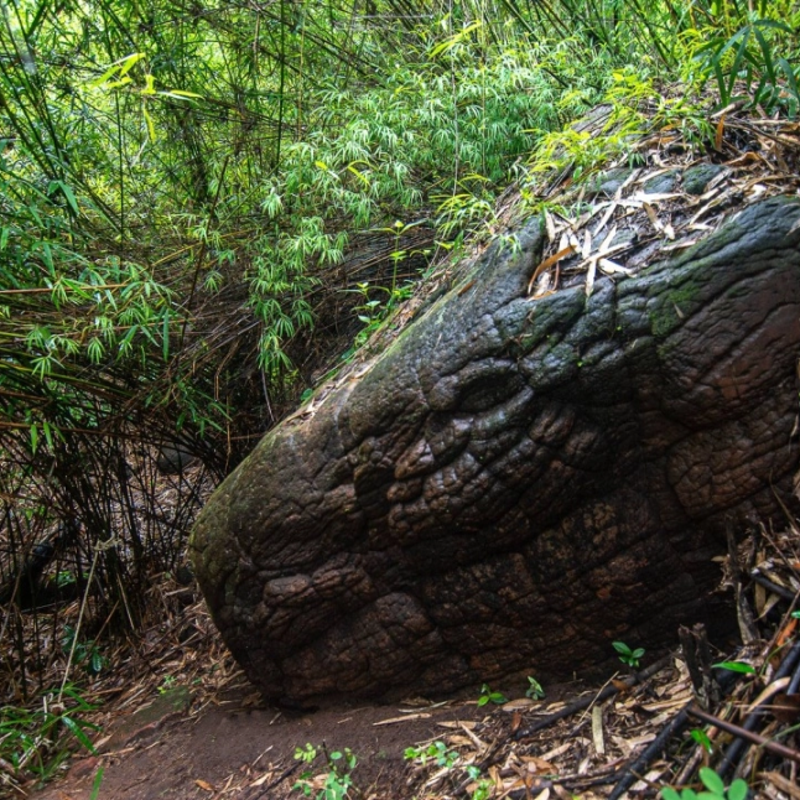
A detailed guide to hiking the Naga Cave, combining physical challenges with ...

Sailorr and Molly Santana’s black grills fuse hip-hop swagger with homage to ...

Treat your favorite furry companion some stylish goods Did you ever think ...

Thai filmmaker Apichatpong “Joe” Weerasethakul receives France’s highest honour, the Legion of ...
Wee use cookies to deliver your best experience on our website. By using our website, you consent to our cookies in accordance with our cookies policy and privacy policy


