Weekend Getaways
7 Must-Visit National Parks in Thailand and How to Explore Them
Escape Bangkok for Thailand’s 7 best national parks. Discover wildlife, culture and ...




Produced by GDH in association with One Cool Connect and JAI Studios, Human Resource follows Fren (Prapamonton “Eing-Aei” Eiamchan), an HR officer who finds out she’s a month into pregnancy, as she tries to navigate circumstances inside and outside the office that keep making life unbearable.
While the subject may strike a nerve for some viewers, it also invites meaningful discussion about class relations. The film marks a growing shift in Nawapol’s career towards more serious drama, moving away from his romantic comedies like Heart Attack (2015) and Fast & Feel Love (2022).

The film is already garnering praise, nominations and awards, most recently the Marc Haaz Award and the International Jury Special Mention at the 32nd Festival International des Cinémas d’Asie de Vesoul.
What truly hooks viewers, however, is not its critical acclaim but how uncannily it reflects the brutal reality of Thailand’s middle-class workforce. The film’s enthusiastic reception among Thai audiences underscores this relatability. Many viewers see themselves in these characters – trapped in polite emails, performance reviews, financial anxieties and emotional compromises while toiling away in a relentless corporate world. It is this sense of (self-)recognition that gives the film its lasting impression.

The central conceit of the film lies in its English title: humans as mere fodder for the ominous capitalist machine, as a pool of resources that can be drained at any time.
There’s no real villain in Human Resource, at least not in anthropomorphic form. Nawapol’s anger is palpable, but it’s directed at the economic system to which we are all subject rather than a secret cabal of elites or some well-off individual alone.
Here are five scenes in Human Resource that feel a little too familiar – everyday moments many viewers may recognise all too well.

Pimmada “Pim” Chaisakaoen of PiXXiE plays a fresh graduate coming in for an in-person interview. Full of enthusiasm, she’s quick to accept a low salary just to land the job. Her world slowly darkens as she goes into sink-or-swim mode. Later, she’s shown crying in an elevator, implying she has been scolded and physically abused by her superior. Her smile is now crooked.

Many first-jobbers start eager and willing to settle, only to be confronted by harsh truths. Sometimes eagerness doesn’t translate into excitement, but rather a desire to escape immediate joblessness after university. Fueled by the toxic push for constant productivity, many first-jobbers dive headfirst into work and end up burned out down the line.
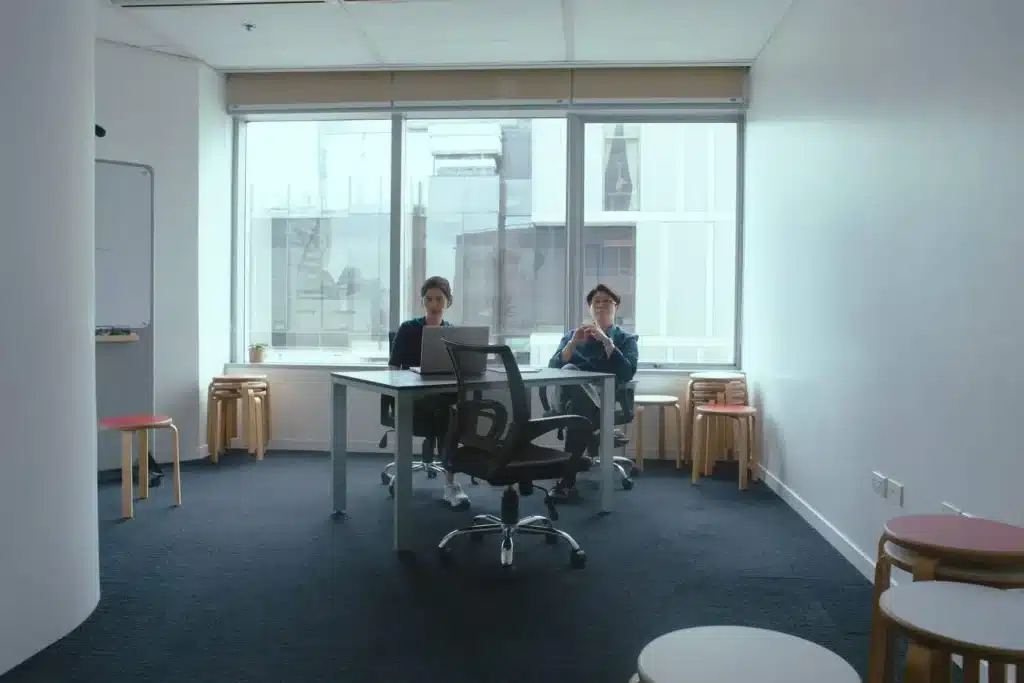
Throughout the film, Fren and her colleague Tenn (Chanakan “Atom” Rattana-udom) work to find a replacement for the vacant position. After a series of unqualified applicants, Tenn revises the job posting, changing the work schedule from five days to six, believing it’s better to be upfront with applicants.

The company that they work at has normalised days off to an extent that time off has been cut down to just one day. In reality, many positions now require employees to work on weekends, even though the original job description promised a five-day work week. Like in baseball, there are many unspoken rules that employees are made to acknowledge. These rules often go unquestioned.
To find a replacement (a young, digital-savvy one, that is), Fren is tasked with editing a fun recruitment video. In Thailand, companies are increasingly using TikTok to recruit by posting slick, attention-grabbing videos about company culture. But reality often disappoints. These posts are more focused on selling a perfect image than showing the reality of overwork and burnout.
Fren and her husband Tayme (Paopetch “Petch” Charoensook) live in a high-rise condominium accessed by a narrow soi. Almost every day, they encounter motorcyclists illegally riding against heavy traffic, often sparking road rage and emotionally charged confrontations.

We all know the feeling: you follow the rules, and someone else breaks them without a second thought. Moral superiority kicks in, tempers flare and suddenly, violence feels one bad decision away. With both sides convinced they’re right, understanding never even gets a share. Most of the time, the real culprit is poor urban planning.
Fren’s pregnancy triggers in Tayme a building panic. Before the child is even born, he is already scouting schools, convinced that the public education system failed him and determined that his child will not suffer the same fate, no matter the cost.

The international school Tayme and Fren apply to has a year-long waiting list, yet the deposit is due immediately. Choosing to pay it forces them to delay Fren’s plan to quit her job. The financial strain makes it impossible now. This is where the film shows that every choice made within the system is dictated by the system itself. Escape was never an option.

The short answer is yes. Although Human Resource focuses solely on the middle class, it teaches audiences a thing or two about their lives, putting their everyday struggles into perspective. Nawapol’s courage to spark a conversation about class is admirable. Few Thai films dare to even broach the subject at all.
Human Resource is now playing in theatres.

Escape Bangkok for Thailand’s 7 best national parks. Discover wildlife, culture and ...

A detailed guide to hiking the Naga Cave, combining physical challenges with ...

Sailorr and Molly Santana’s black grills fuse hip-hop swagger with homage to ...

Treat your favorite furry companion some stylish goods Did you ever think ...

Thai filmmaker Apichatpong “Joe” Weerasethakul receives France’s highest honour, the Legion of ...

Your guide to Bangkok in October, with Halloween events, art exhibitions, film ...
Wee use cookies to deliver your best experience on our website. By using our website, you consent to our cookies in accordance with our cookies policy and privacy policy


