Weekend Getaways
7 Must-Visit National Parks in Thailand and How to Explore Them
Escape Bangkok for Thailand’s 7 best national parks. Discover wildlife, culture and ...


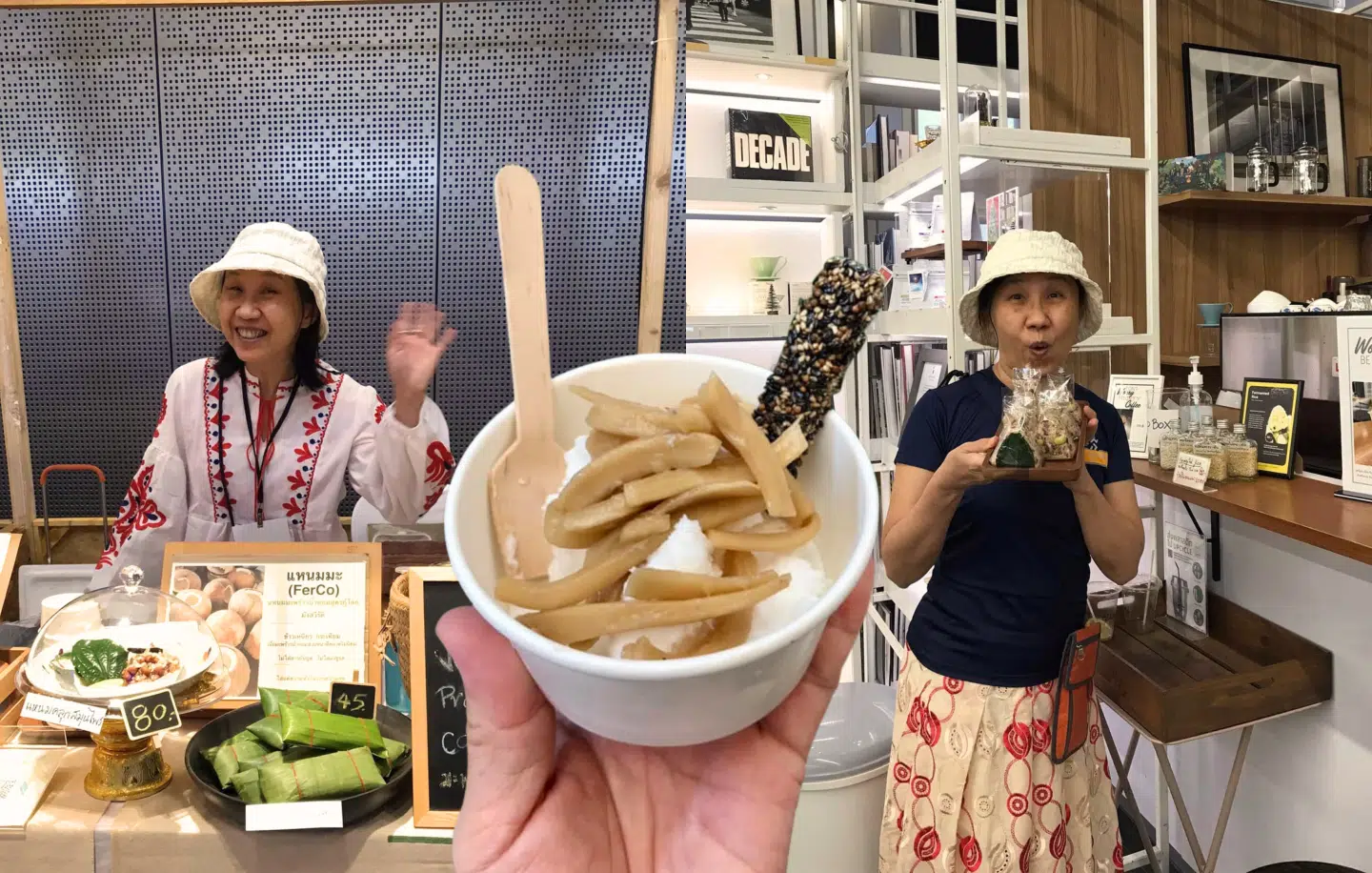

Good food should care for the body and respect the planet. What we eat shapes our energy, our well-being and the world that supports us. When food supports personal health and the health of the planet at the same time, it becomes an act of responsibility, repeated at every meal.
Today, we look at one example of someone whose path took her overseas for studies, initiated more awareness of the environment around her and resulted in a strong urge to return home to make a difference, even in small ways. This is the path of Pavida “Vida” Kritasaran.

Driven by a desire to bring attention to Thailand’s often overlooked local ingredients, she founded Watthudibniyom. Through the brand, she gives new life to discarded coconuts by turning them into Bicogurt, a nutritious plant-based yoghurt. In this story, we explore her journey, the choices she made and the ideas that continue to shape her work.
The name Watthudibniyom comes from a quiet play on words. In Thai, it twists the meaning of wutthuniyom, or materialism, not to reject it but to turn it inside out. The focus moves away from consumption and towards the worth of raw ingredients and where they come from. This way of thinking mirrors Vida’s own path.

Vida’s relationship with sustainability did not arrive as a sudden decision. It grew during her time in Australia studying for a master’s degree in Sydney, where care for the environment is a part of everyday life. Simple habits such as refusing plastic bags and choosing seasonal food instead of crops forced to grow outside their natural cycle changed the way she thought and lived. Over time, sustainability shifted from a passing interest to something that felt like a part of who she is.
After her return to Thailand, Vida took on a senior role in digital media. She pushed for campaigns that spoke about sustainability, though resistance soon followed. At that time, many leaders still viewed green ideas as costly rather than necessary. She chose to retire in order to deepen her understanding of organic living and desire to commit fully to this path.
Another reason behind Bicogurt comes from Vida’s own health conditions. She lives with multiple allergies, including lactose intolerance. Products that contain milk in any form often cause discomfort. She also avoids fermented foods, as certain types of yeast trigger allergic reactions. Skin irritation often comes from sensitivity to yeast and fungi, while refined sugar and many carbohydrates worsen symptoms, as sugar feeds both yeast and mould.
One of the key recommendations from her doctor was probiotics, beneficial microorganisms that help reduce allergy symptoms from within. Coconut water was also suggested as part of her diet.
That choice led her across the country to farms and fields. She met growers, built trust and studied organic agriculture. A visit to a coconut farm revealed a similar pattern: farmers harvest coconuts for the water and cast aside the flesh. Vida felt pain, not only as an observer but as a consumer who had played a part.
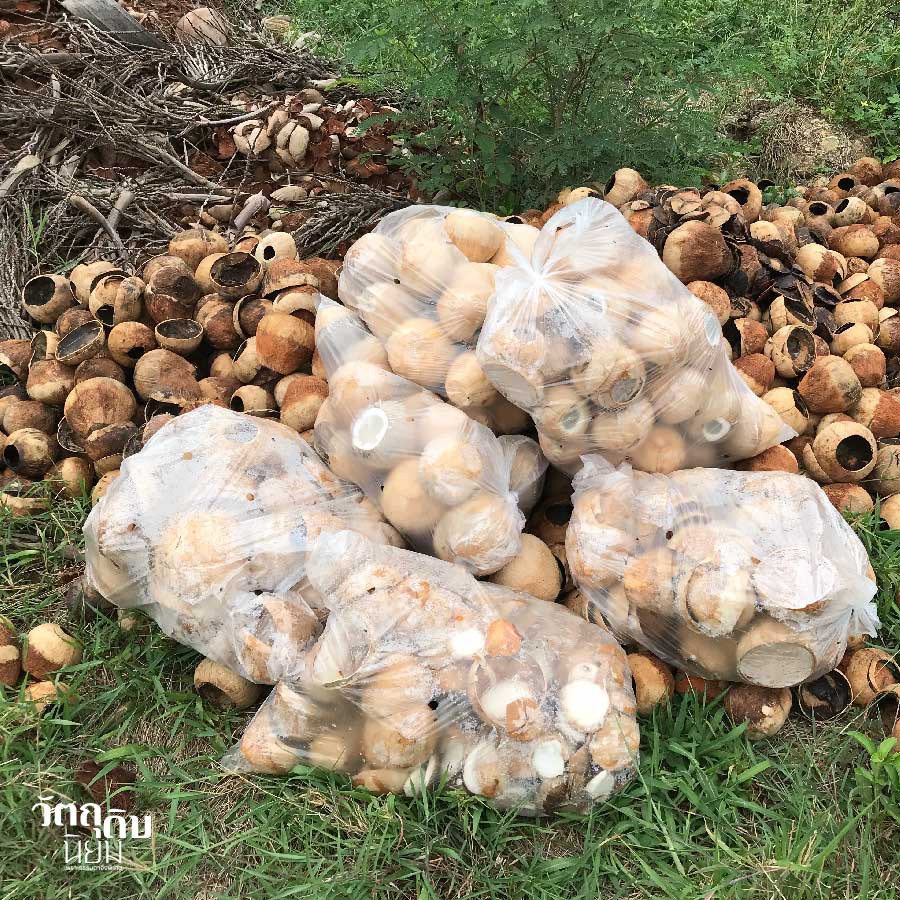
The visit to the coconut farm marked a turning point. Vida discovered that farms focused on bottled coconut water value fully grown aromatic coconuts for their clear and sweet water, while the thick and firm flesh often fails to meet market demand. Farmers place these coconuts in plastic bags and leave them to pile up, which creates waste and takes up space within the farm. After speaking with the farmers, she asked to take some of the leftover coconut flesh with her. Back in her kitchen, she tested ideas and searched for ways to give new meaning to what others had overlooked.
That moment gave rise to Biocogurt, a plant-based yoghurt that pairs probiotics with discarded coconut flesh. What once counted as waste found new value, rooted in respect for food, farmers and the land itself.
Vida explored several ideas before the right one revealed itself. Candied coconut led to heavy competition and constant explanation, as her version used no preservatives and could not last like others on the shelf. Dried coconut and desserts brought high costs and limited reach. None felt right.


Courtesy of Watthudibniyom
What changed everything was the coconut flesh itself. It spoils easily and attracts microorganisms. Instead of resisting this, Vida chose to work with it. Fermentation turned the weakest point into a strength and Bicogurt was born.


Courtesy of Watthudibniyom
Unlike most yoghurts, Bicogurt does not use coconut milk. It begins with discarded coconut flesh and adding probiotics to support the body from within. The result suits those who avoid dairy and reflects a gentler way of eating. Its flavour shifts over time, shaped by season and environment.
This reflects what a sustainable cycle truly means and it is hoped more businesses will begin to embrace it. Through conversations with people behind sustainable shops and projects, one idea appears again and again: the taste never stays the same. It shifts with nature, climate and environment. Rather than a flaw, this becomes the point. It asks both makers and consumers to adapt, to accept change and to see variation as value. This way of working may feel unfamiliar, yet it offers a business approach shaped by respect for natural rhythms rather than control.
At Watthudibniyom, the project grows from a belief in working small, local and within reach. Coconut flesh once discarded at organic farms becomes the core material, prepared in clean, manageable spaces with tools found in an everyday kitchen. Production stays close to real demand, while existing delivery networks allow the yoghurt to travel without unnecessary movement or excess.


Courtesy of Watthudibniyom
For Vida, the abundance of coconut flesh does not signal waste but possibility. Giving new value to what is often overlooked remains a mission she continues to carry forward. Today, Watthudibniyom extends this care even further with creations such as fermented aromatic coconut, gentle on the body and welcoming to those who choose a vegetarian path.

Through simple, thoughtful choices, her work suggests that change can begin with small acts of care and grow into something beneficial for both people and the planet. From noticing small details in everyday life while living in Australia to her commitment to environmental action back home, Watthudibniyom stands as an example of how mindful ideas can turn into sustainable practice.


Escape Bangkok for Thailand’s 7 best national parks. Discover wildlife, culture and ...

Treat your favorite furry companion some stylish goods Did you ever think ...

Japan’s famous Tsutaya Bookstore opens at One Bangkok this October 2026 with ...

From fish sauce cookies to mala ice cream, discover the strange and ...

L’On Art Festival makes its debut in Bangkok with live painting, workshops, ...

From Chanel in Bangkok to Dior with A24, luxury enters new cultural ...
 English English
  Thai
Thai
Wee use cookies to deliver your best experience on our website. By using our website, you consent to our cookies in accordance with our cookies policy and privacy policy


