
Weekend Getaways
7 Must-Visit National Parks in Thailand and How to Explore Them
Escape Bangkok for Thailand’s 7 best national parks. Discover wildlife, culture and ...


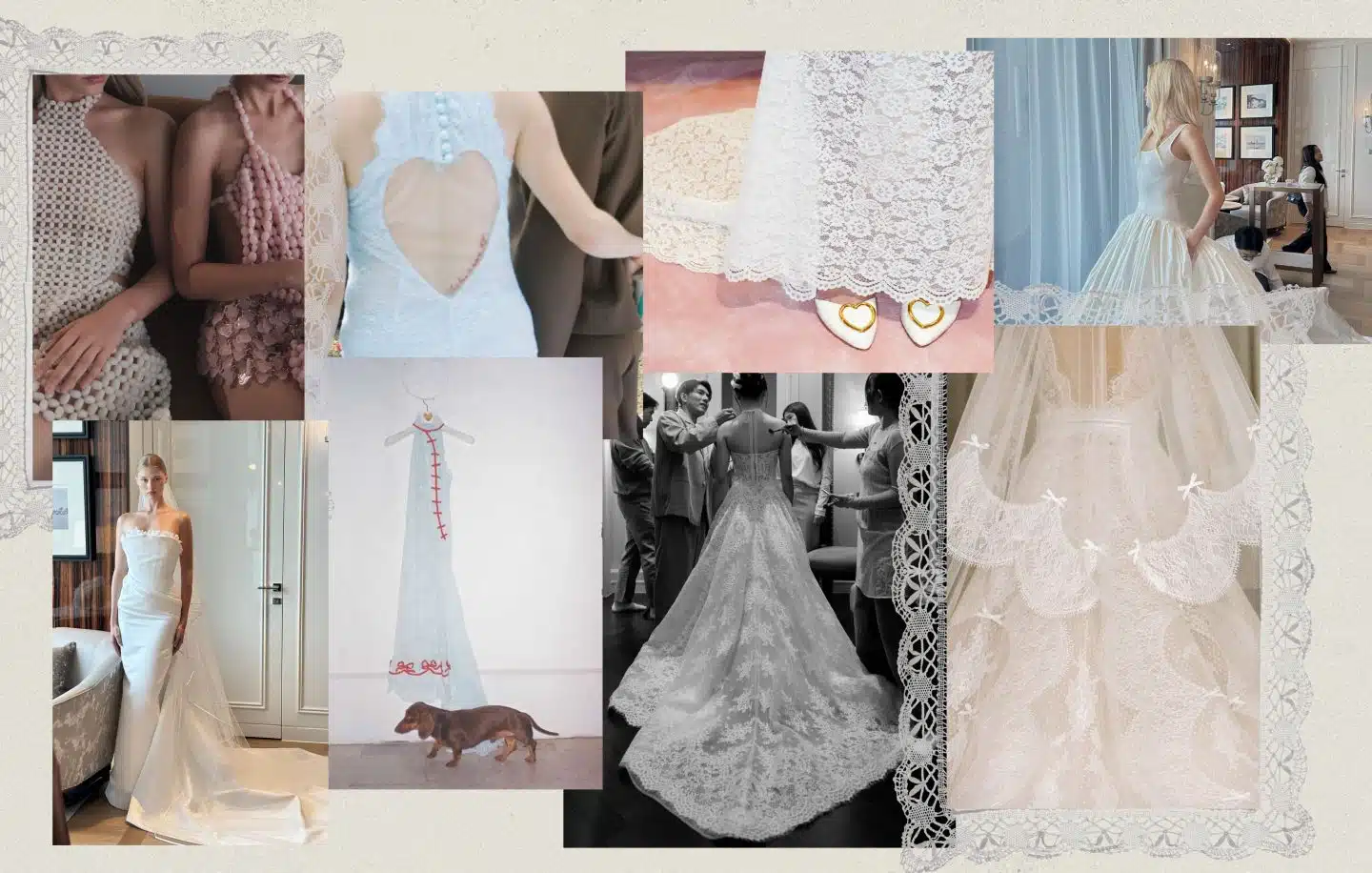
Wedding dress culture moves very differently from runway fashion. While fashion week thrives on speed, spectacle and constant change, bridalwear exists in a much slower and more personal rhythm. Trends still exist, of course, but they move softer, shaped less by seasonal cycles and more by emotion and personal interpretation.
That shift feels especially visible during this time of year. While May to August may not exactly be the peak wedding season in Thailand, it’s definitely the preparation season. Pinterest boards multiply, bridal appointments fill calendars and wedding research becomes part-time behaviour for many brides-to-be.
At the same time, bridal collections themselves seem to be moving in that same direction too. Across timelines, celebrity weddings and recent collections alike, one thing has become clear: brides are no longer searching for just the “perfect dress” but for details, silhouettes and styling choices that feel connected to their own story. Here, we explore the wedding dress trends making their way into brides’ inspiration moodboards, each carrying meanings that go beyond aesthetics alone.
This observation recently led Koktail into a conversation with Polpat “Moo” Asavaprapha, founder of Asava Group including White Asava, where we discussed the trends currently shaping bridal fashion today.
“What I see now is that people in this period are looking for something more nostalgic, something that resonates with the past. There’s a stronger vintage feel across weddings, whether it’s the decor, the cake, or especially the gown. These are becoming key elements that brides-to-be are increasingly drawn to and fascinated by.”
There are probably too many reasons to fully explain why vintage aesthetics keep returning over the past few years. Since the post-Covid cottagecore wave, fashion has leaned back towards softness, nostalgia and romanticism. More recently, gothic romance films, dreamy period styling and fashion data from platforms like the Lyst index continue showing romantic-core brands like Chloé having another major moment.
It could also be a response to how technology-heavy everyday life has become lately. As AI, hyper-digital aesthetics and fast-moving trends dominate culture, people seem drawn back towards things that feel emotional, handcrafted and human again. But that’s probably just the surface of it all.
Moo’s observation is valid, that nostalgic pull naturally makes its way into bridal fashion too, especially through lace. Brides lately seem drawn to gowns that feel softer, romantic and slightly old-world, almost like something discovered in a vintage archive or passed down through generations. Delicate embroidery, sheer layering and antique-inspired silhouettes continue taking over bridal moodboards lately.
However, not every bride is fully leaning into vintage lace and gothic romance. Minimal bridal looks still dominate the wedding scene because, honestly, nothing translates elegance quite like simplicity. But minimalism now feels a lot less strict than before. Brides are adding subtle playful details that make the dress feel more personal rather than just “clean girl bridal”.

From a recent preview of White Asava in collaboration with The Ritz-Carlton, Moo’s gowns captured that balance perfectly. The dresses felt soft, playful yet elegant at the same time, especially through the way fabrics interacted with each other. A fuller skirt paired with an effortless top silhouette, delicate lace layering around the chest catching light subtly, and different textures creating small visual illusions without looking overdesigned.

It also proves that minimal bridalwear no longer lives in just one fabric category like silk satin or crepe. The modern minimalist bride still wants personality, just in a quieter way. Instead of loud embellishment, the play now comes through layering, texture and movement.
More brides have been borrowing from the past and reworking it into the present through traditional dress and cultural details. In Thailand especially, elements from Chinese and Thai ceremonial wear have reappeared within modern weddings, even when couples are not necessarily hosting fully traditional ceremonies.
Some brides incorporate Chinese-inspired details through mandarin collars, frog buttons, embroidered silk or gold accents, while others lean into Thai textiles, draped silhouettes or vintage family fabrics. Often, these references appear in second looks, tea ceremonies or pre-wedding shoots rather than throughout the entire wedding itself.
What makes it interesting is how these elements no longer feel separate from contemporary bridalwear. Instead of looking costume-like or overly ceremonial, they are styled in ways that feel subtle. Traditional dress becomes less about strictly following custom and more about reconnecting with identity in a way that still fits the bride’s own aesthetic. For younger couples, tradition now feels less performative and more adaptable to personal style.
Something blue here is not exactly about the traditional Western custom of hiding a tiny blue object somewhere in the wedding look. It’s more about how colour itself has entered the bridal group chat lately.
Across timelines, more brides have been stepping away from strictly classic white and leaning into softer blues, muted pastels, silver tones and even unexpected shades altogether. The shift still feels subtle, but it says a lot about where bridal fashion is heading. Brides now seem more open to treating the dress as an extension of personality rather than sticking to one fixed idea of what a wedding gown should look like.
Thai designers are reflecting this shift as well. PIPATCHARA’s latest bridal collection moves away from classic white and into softer pastel territory, introducing a garden of pink-toned wedding dresses that reflects how bridalwear has become more playful with colour.
Pipatchara “Petch” Kaeojinda, one of Koktail’s Future Listers 2025, also released the wedding collection through the brand’s signature Infinitude element, this time blending gradient shades of pink directly into the gowns. The result still feels romantic and bridal with a fresher and more contemporary softness.
But overall, everything circles back to the real question: what does the bride actually want to say yes to? More than following trends, weddings today feel increasingly centred around personal expression. The dress is no longer just about aesthetics, but about reflecting the person wearing it.
As Moo puts it,
“I think when we talk about wedding gowns, the trend now is that people don’t really focus on trends anymore. I think they focus more on themselves.”
And honestly, you can see that shift everywhere now. Vows stitched onto veils, tiny hidden details only the couple understands, references tied to memories, inside jokes or personal stories shared within close circles. Weddings today feel way more intimate and story-driven than before. Beyond the Pinterest boards and aesthetics, the dress starts becoming emotional too. In many ways, that is what weddings have always been about in the first place: a ceremonial reflection of love.

What’s also interesting is how social media plays into this. When brides, especially influencers and celebrities, document their wedding journeys online, they often explain the meaning behind every choice. Why they chose a certain fabric, why a specific flower mattered, or why the dress was designed a certain way. Piece by piece, it all starts connecting like a puzzle. The wedding no longer feels centred around aesthetics alone, but around storytelling and creating a visual reflection of their relationship in today’s lens.
Says Moo,
“I think with White Asava’s latest collection, we try to have more silhouettes and different craftsmanship for the bride to see different types of women, different dreams and different kinds of brides, including different body types as well. The inspiration for us will always start from the bride.”
Maybe that’s the real wedding trend right now. Not one specific silhouette or fabric, but personalisation itself. Brides are no longer dressing to fit into one idea of bridalwear. More than any single silhouette or fabric, personal storytelling now feels like the foundation of modern weddings.

Escape Bangkok for Thailand’s 7 best national parks. Discover wildlife, culture and ...

A detailed guide to hiking the Naga Cave, combining physical challenges with ...

Sailorr and Molly Santana’s black grills fuse hip-hop swagger with homage to ...
Treat your favorite furry companion some stylish goods Did you ever think ...

Thai filmmaker Apichatpong “Joe” Weerasethakul receives France’s highest honour, the Legion of ...

Explore seven Bangkok spots for cured beef sandwiches, from wagyu pastrami and ...
Wee use cookies to deliver your best experience on our website. By using our website, you consent to our cookies in accordance with our cookies policy and privacy policy


