
Weekend Getaways
7 Liminal Spaces in and Around Bangkok That Feel Straight Out of the Backrooms Movie
Dead malls. Abandoned cubicles. Forgotten industrial zones. To mark the release of ...


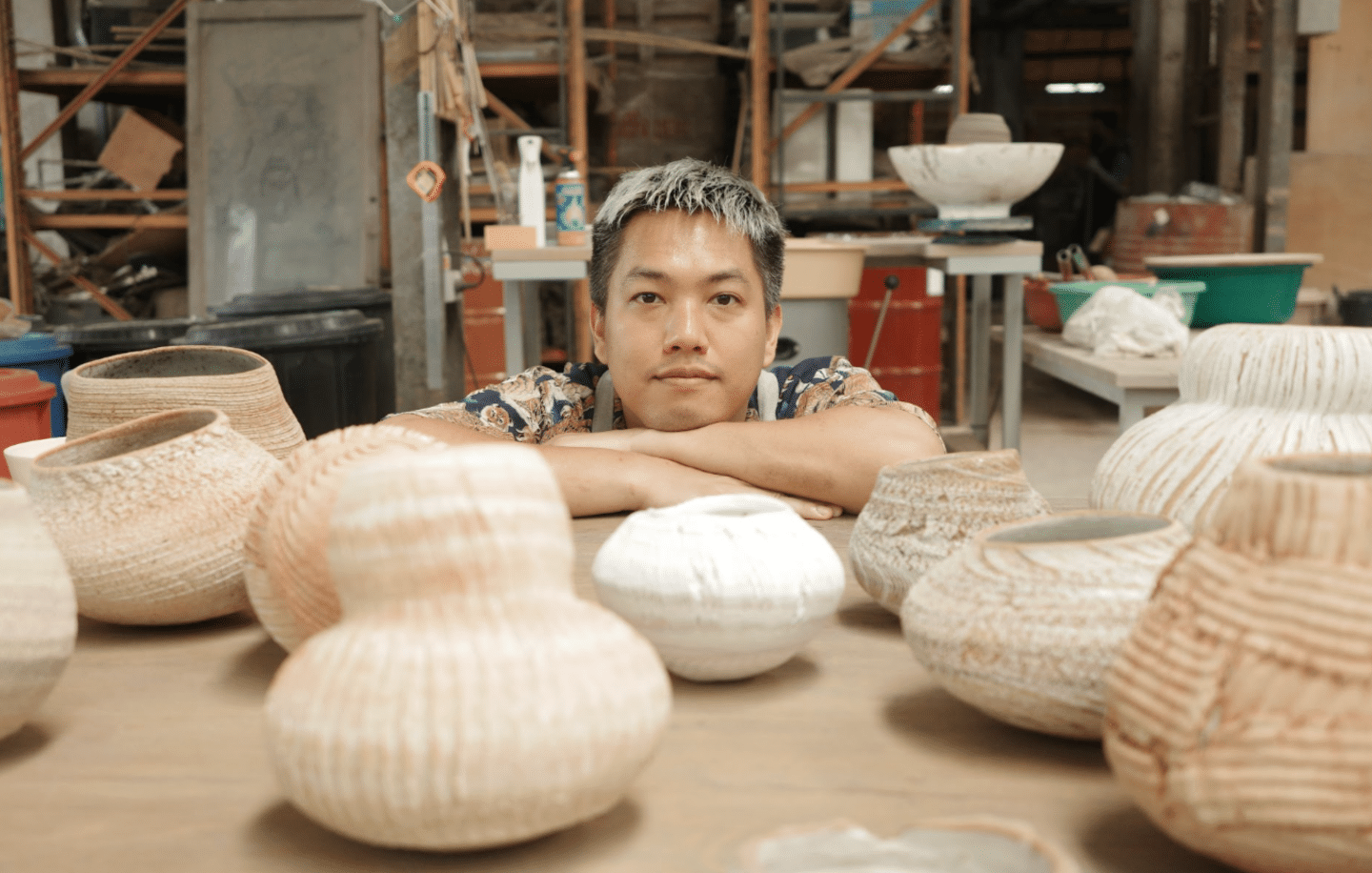
For today’s Friday Future Lister, we’re keeping things short and sharp as the story is packed with creativity, passion and vision from this ceramic artist, along with plenty of inspiration along the way. Mo Jirachaisakul is the kind of artist who makes chaos feel calm. The more a material resists him, the more he leans in. Across art, ceramics and design, he transforms cracks, accidents and imperfections into something unexpectedly alive. Beyond beauty, it is his vision that gives each work its direction and life.
He puts it simply:
“I want to know where everything comes from, how to create from its own origin and how to understand its context. I’m a total material nerd.”
Koktail caught up with Mo to talk about his practice, curiosity and why losing control is often where the best work begins.
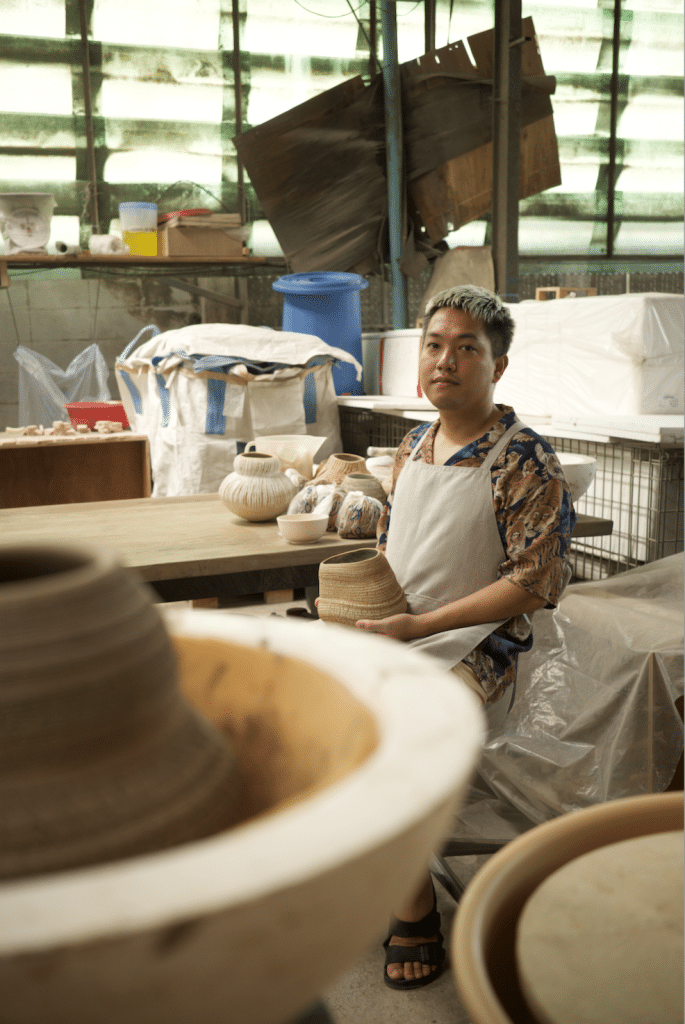
What first pulled Mo toward ceramics was failure. Growing up, he excelled academically and rarely struggled in school. Ceramics became one of the first things he simply could not master.
“Even when my professor showed me, I still couldn’t follow. It felt like the first real challenge in my life. But at the same time, I kept thinking, ‘why is this material so fun?’”
Instead of discouraging him, the difficulty pulled him deeper into the material. Working with clay made him feel grounded and connected to something physical and natural. Growing up around his father’s furniture factory also shaped how he understood design early on. Surrounded by leftover wood, bricks and workers building furniture from scratch, he began seeing design as tied as much to process and construction as to beauty itself.
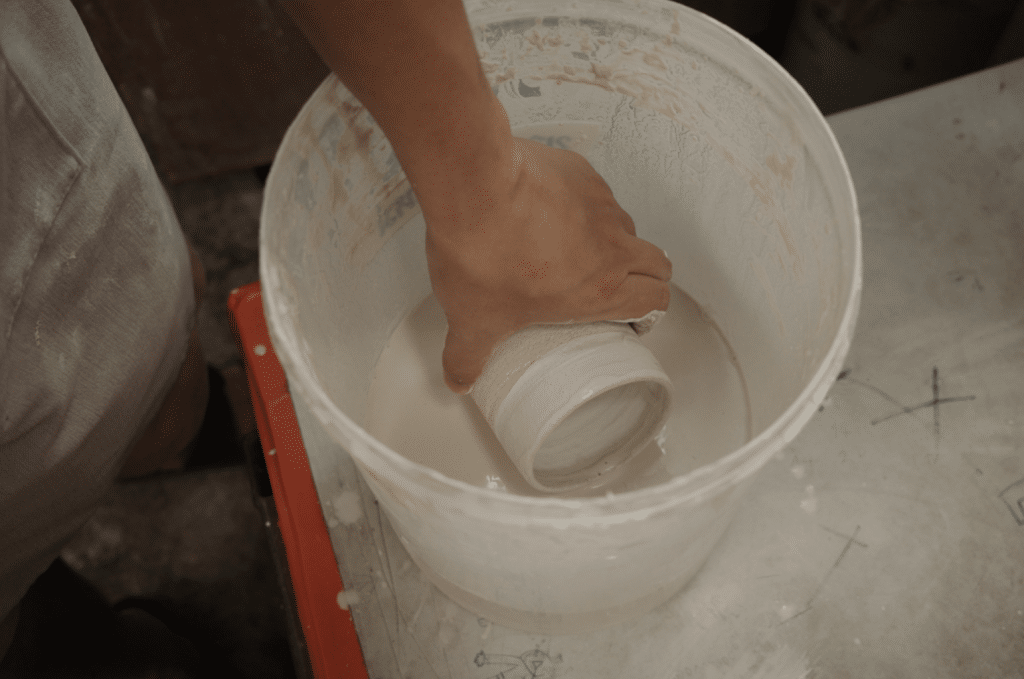
After graduation, Mo spent a year at the factory before realising he no longer wanted to remain a generalist. He committed to ceramics and later pursued a Master’s degree in Ceramics and Glass in the United Kingdom before returning to Thailand to establish his own studio while also working at his father’s factory.
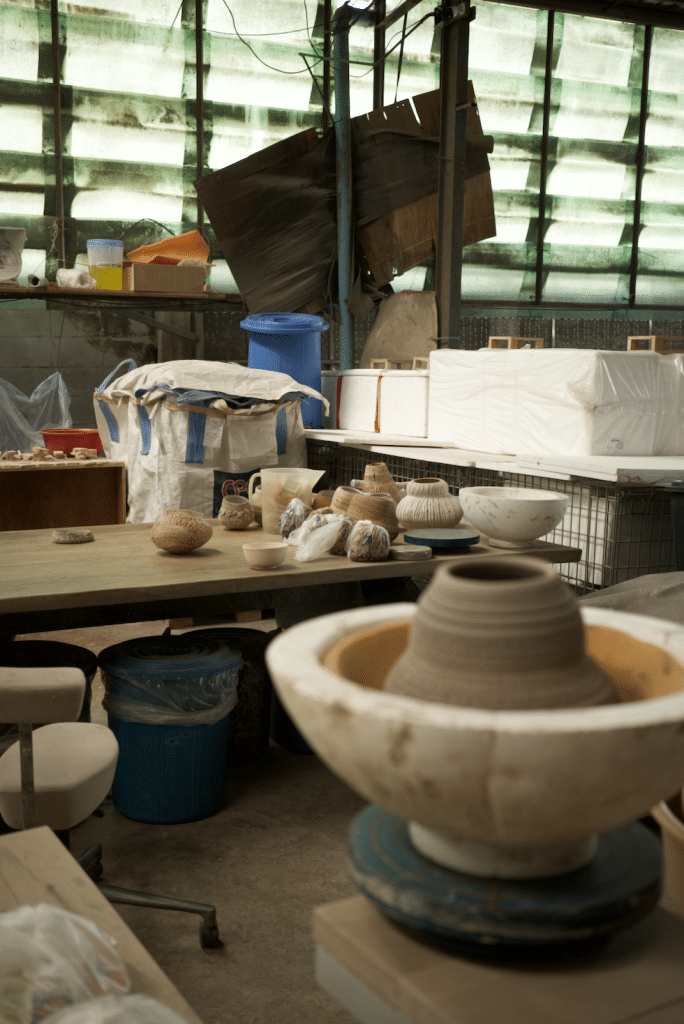
“My approach to design always starts with context. I need to understand who the work belongs to and where it will live before deciding what it should become.”
He gave us an example of this context-based approach in a recent ceramic wall project. Mo spoke with the client’s mother about her life and memories. After learning her family name meant “green”, he built the piece around green ceramic tiles so it would feel naturally connected to the home.
“In my art practice, I think a lot about where materials come from and the energy they carry into the final work.”
As a self-described material nerd, he goes deep into the materials he works with and the energy they carry. The idea is most visible in Rta , a ceramic series built around finding order inside chaos. Rather than controlling every outcome, he lets the material lead, allowing clay to crack, shift and reveal its own form through the process. Each material expresses its own energy, while he responds and carves along the way.
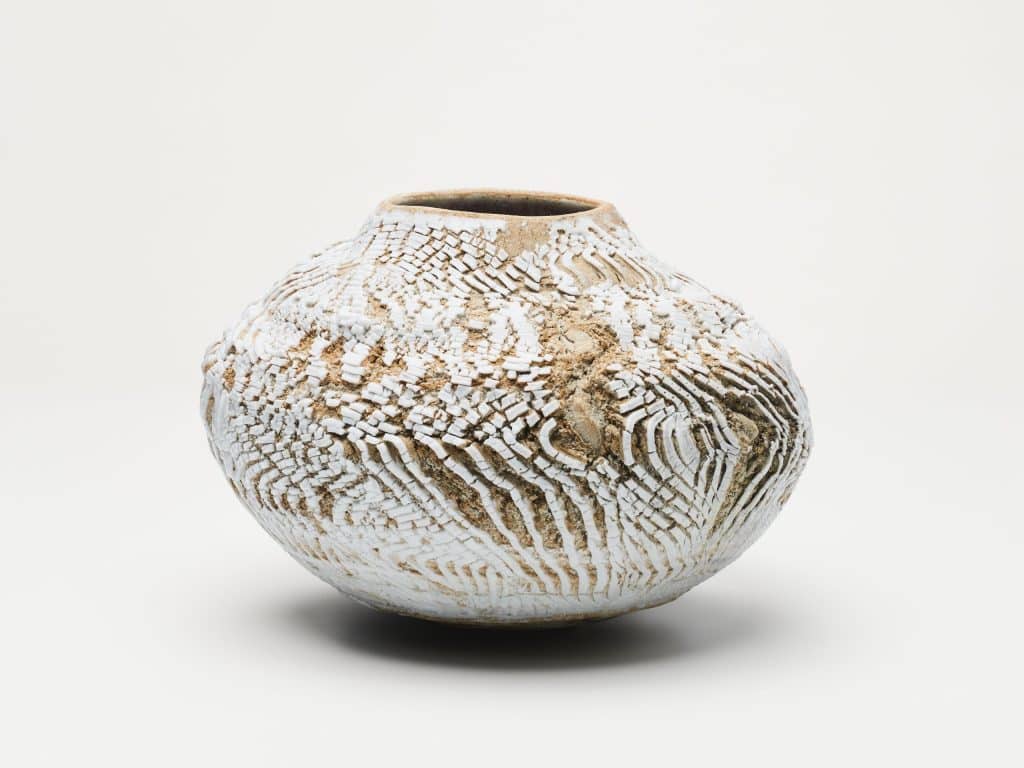
“I’m the opposite of a control freak. The moment I can fully control something, I lose interest in it.”
The works begin as tall clay cylinders carved by hand before being pushed open from the inside. As the surface breaks apart, hidden textures and colours emerge from tension already held within the clay. No piece can ever fully repeat itself. For Mo, the process is more about reacting to what the material becomes.
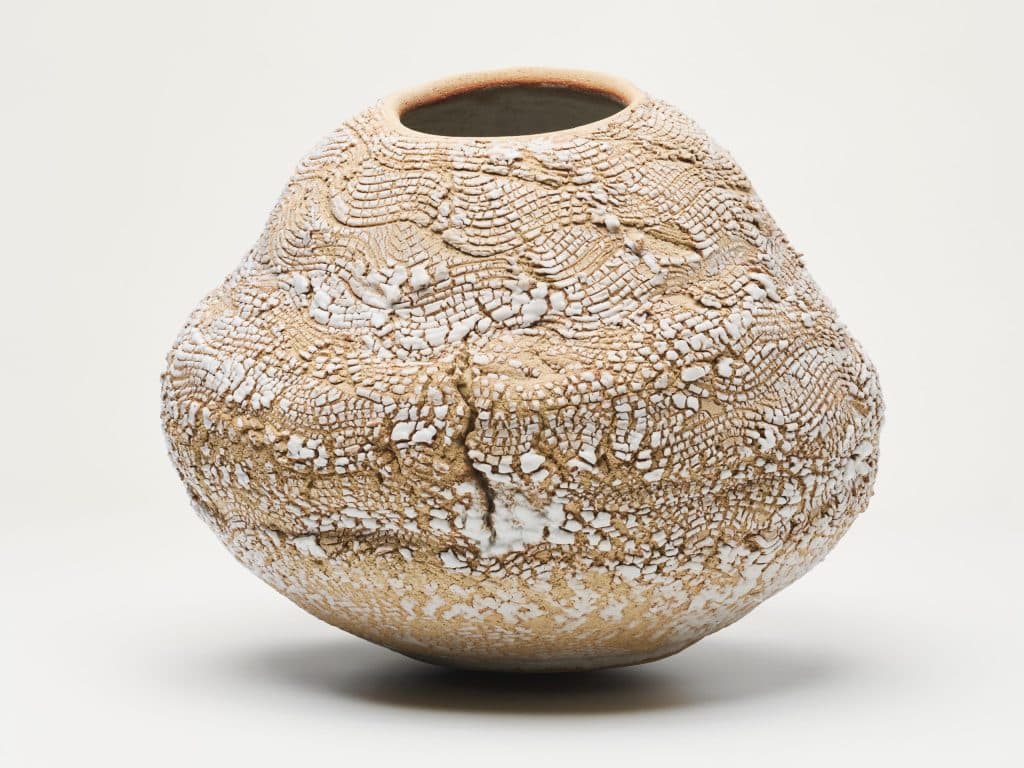
“I never tried to make the work feel Thai, but people kept seeing it anyway. A monk once told me one of my pieces reminded him of ancient pottery found near his temple. Others said the carved patterns looked like Ban Chiang ceramics. That’s when I realised Thai-ness doesn’t always need to be forced into the work. Sometimes it just appears naturally through the material and the way you make things.”
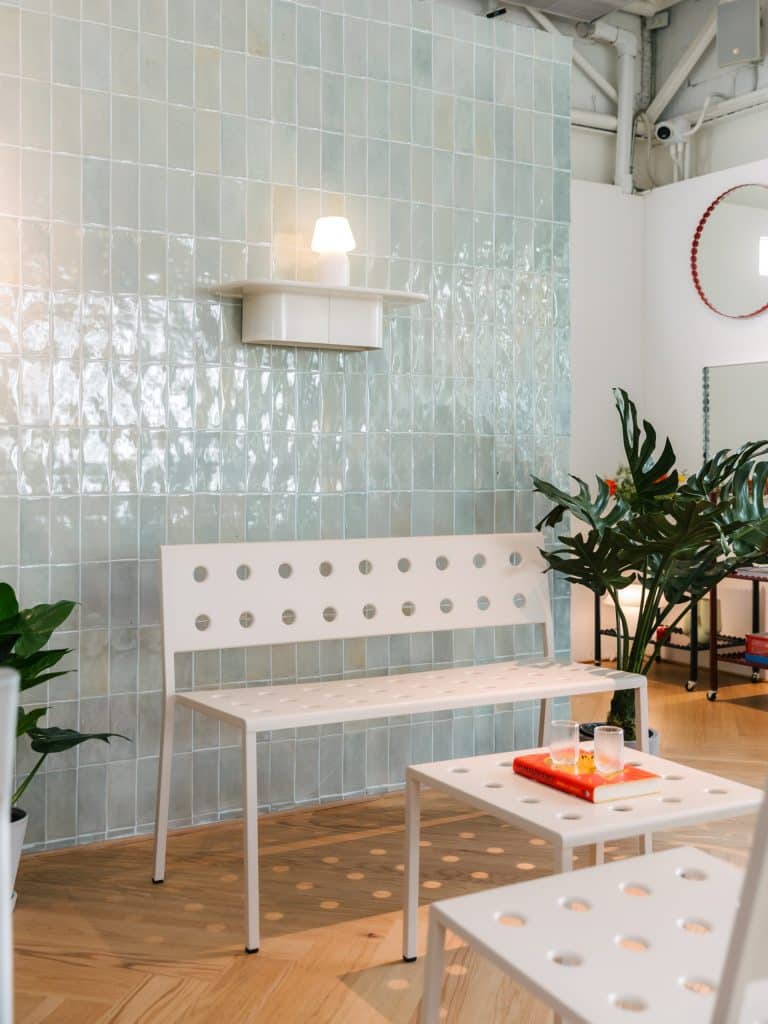
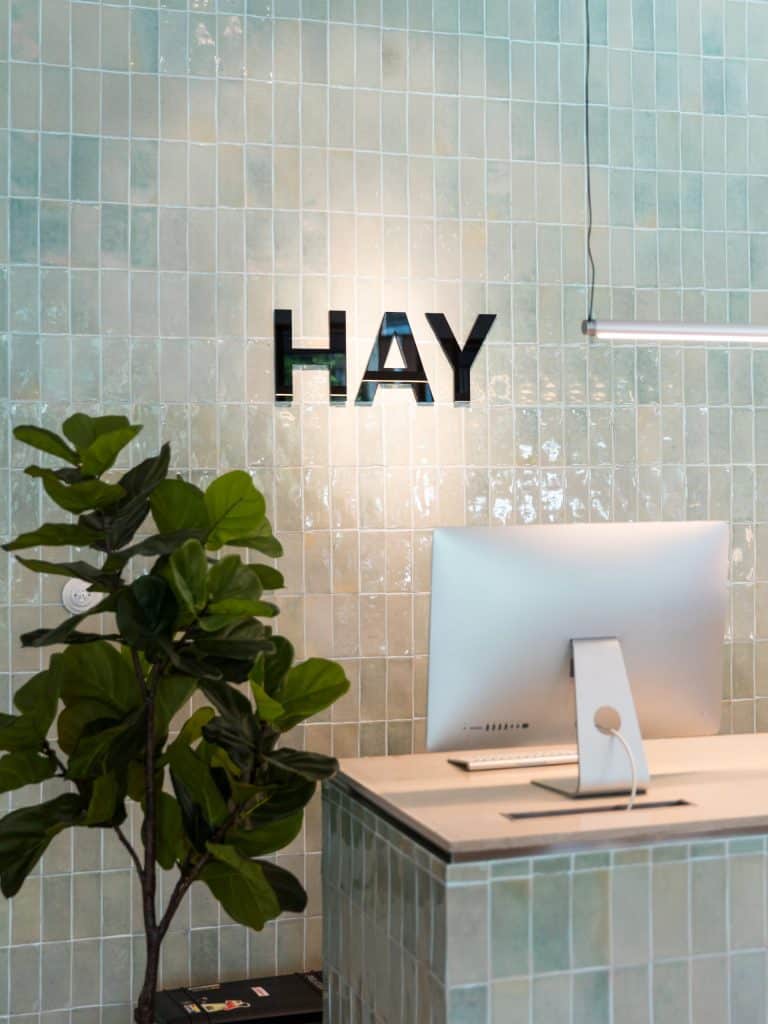
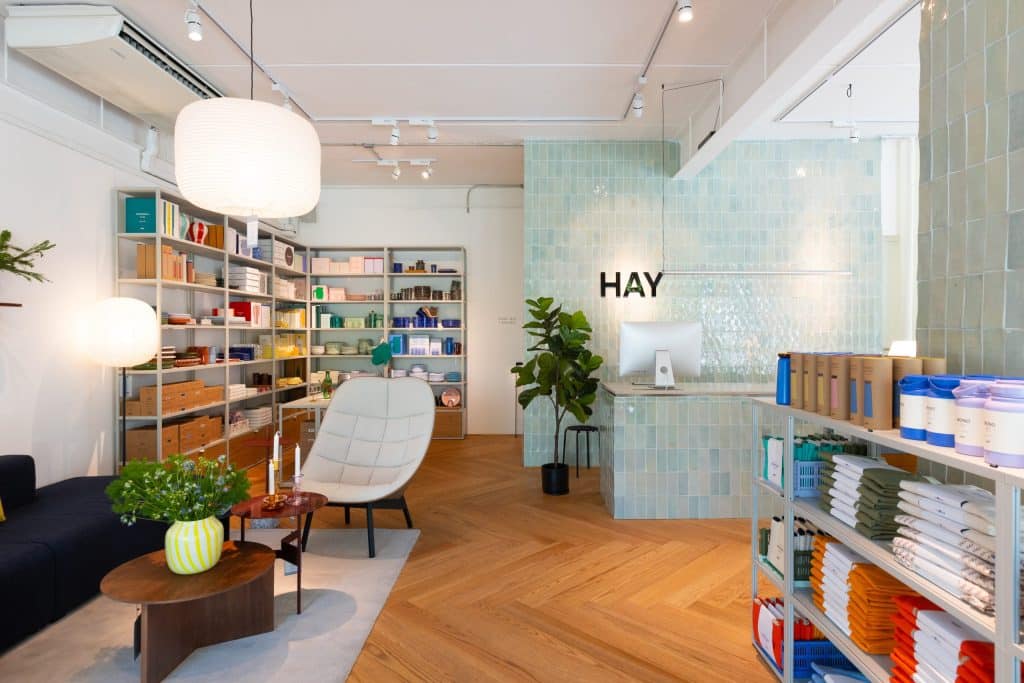
One project that reflects this thinking was Mo’s collaboration with HAY, the Danish contemporary furniture and home decor brand at Warehouse 30. The brief was simple: create something that felt both modern and Thai.
Courtesy of Mo Jirachaisakul
At first, Mo designed something far more chaotic and decorative. But after presenting it, he realised it felt too heavy for HAY’s clean aesthetic. That pushed him to rethink Thai-ness beyond traditional patterns.
While walking by the riverside near Warehouse 30, he became drawn to reflections on the water. That image stayed with him. For Mo, water already carries a deep connection to Thai life, from trade and transport to daily rituals shaped around rivers. Instead of ornamental language, he turned to something more minimal and atmospheric.
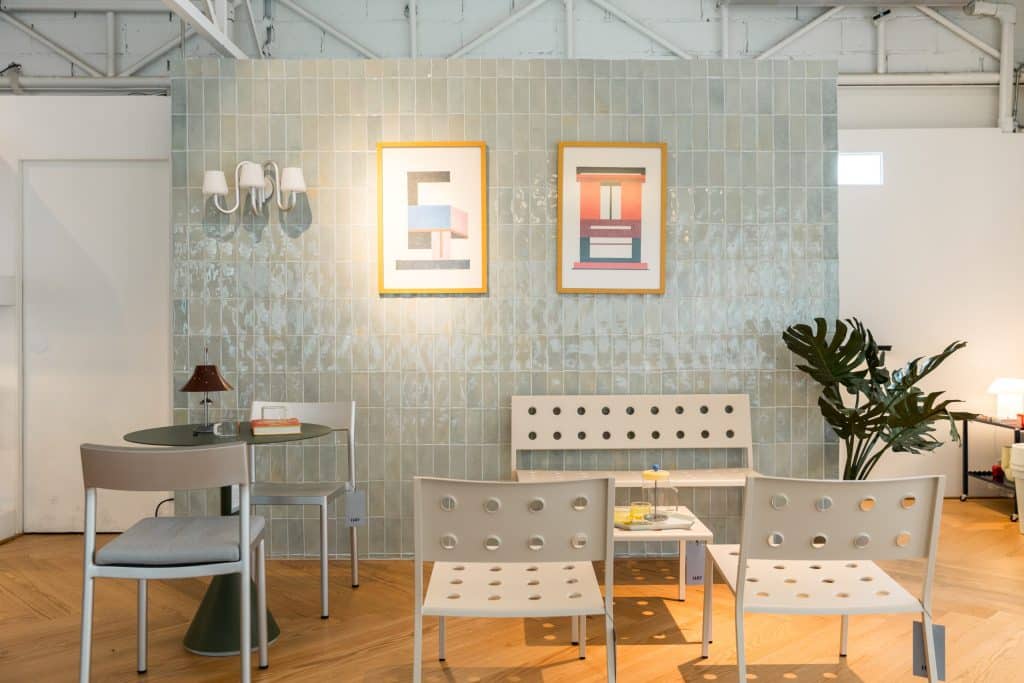
The final design used softly curved ceramic tiles that caught and reflected light like moving water. As sunlight shifted, the surface changed, echoing the rhythm of the river beside the space.
“Thai-ness doesn’t only mean traditional patterns. It can be water, food, festivals or joy. Sometimes it’s loud and obvious. Sometimes it’s so subtle you almost don’t notice it. Thai identity exists on a whole spectrum.”
One of the most meaningful projects in Mo’s career began when he was invited to create ceramic works for Wat Arun.
“The moment it was finished, I felt like I could die happy. It was one of those life checklist moments I never expected to happen this early.”
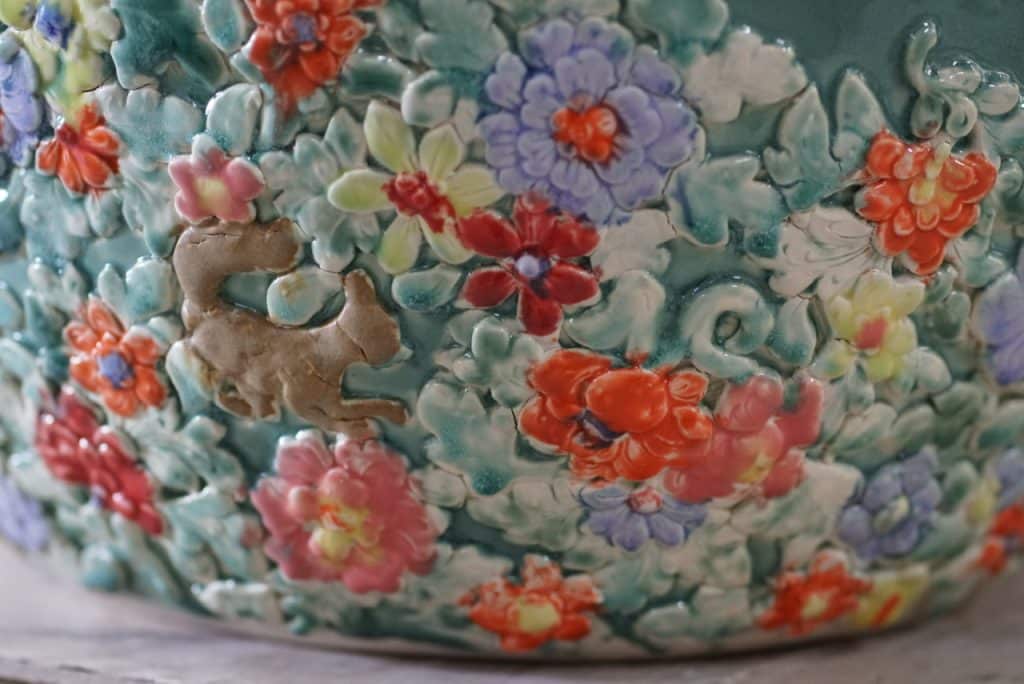
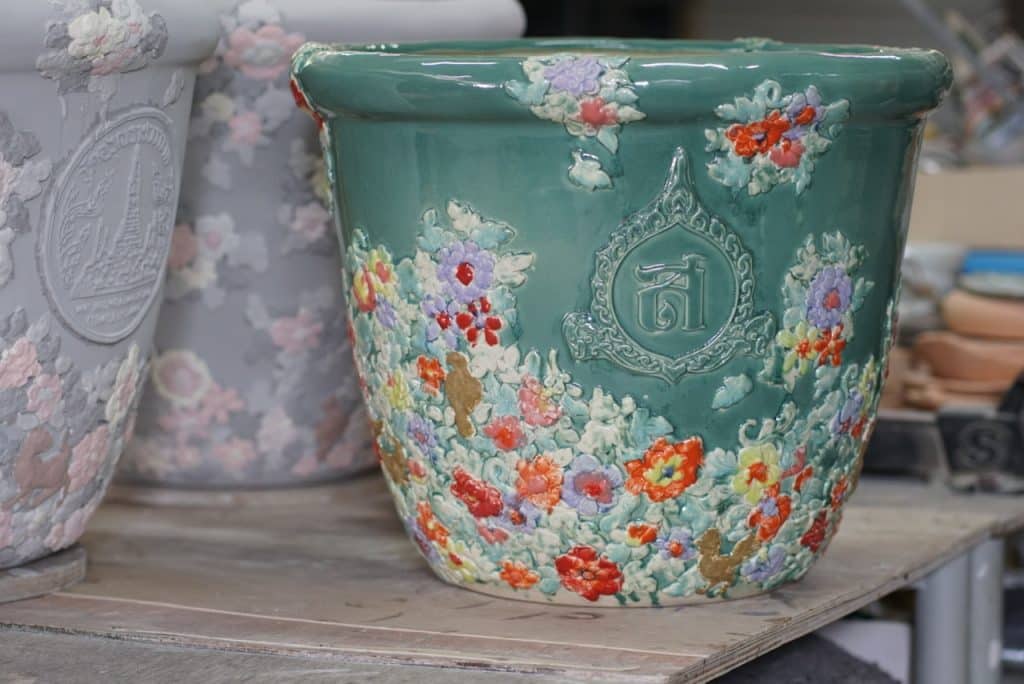
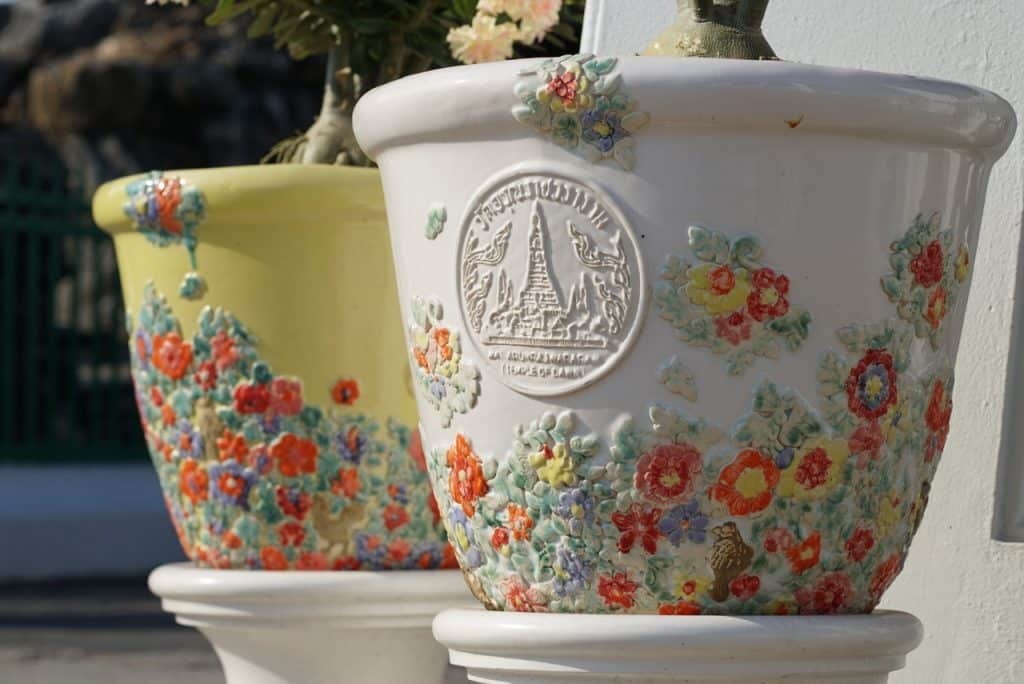
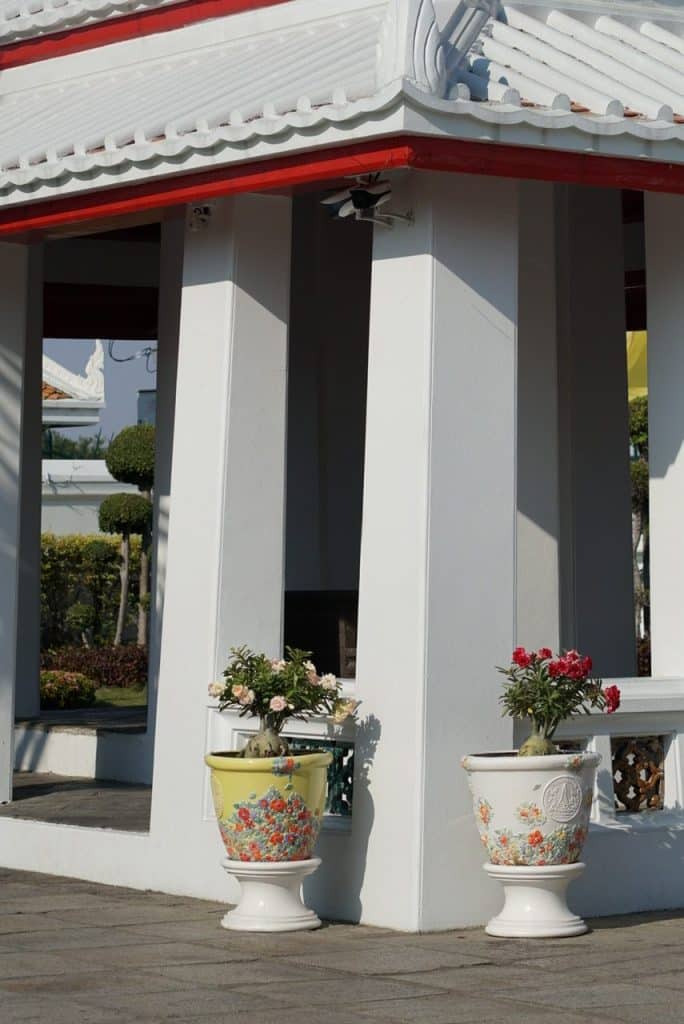
For the first ceramic pot collection, Mo spent days walking the temple grounds looking for overlooked details. Instead of focusing on the main pagoda, he became drawn to floral ceramic patterns on the temple walls. Then he noticed something strange: every flower was upside down.
Courtesy of Mo Jirachaisakul
After asking a monk, he learned the inverted flowers symbolised blossoms falling from heaven during sacred moments in Buddhism. The idea stayed with him. He transformed the falling flowers into ceramic patterns that scatter and fade across the pots like drifting petals.
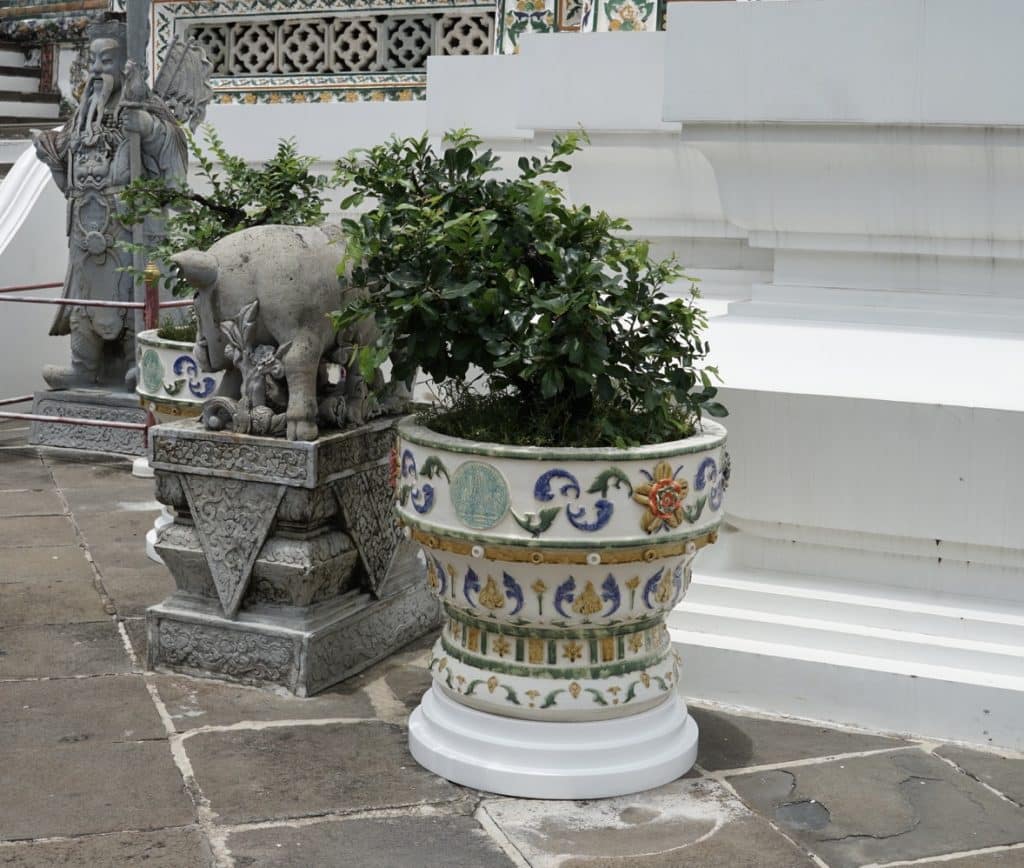
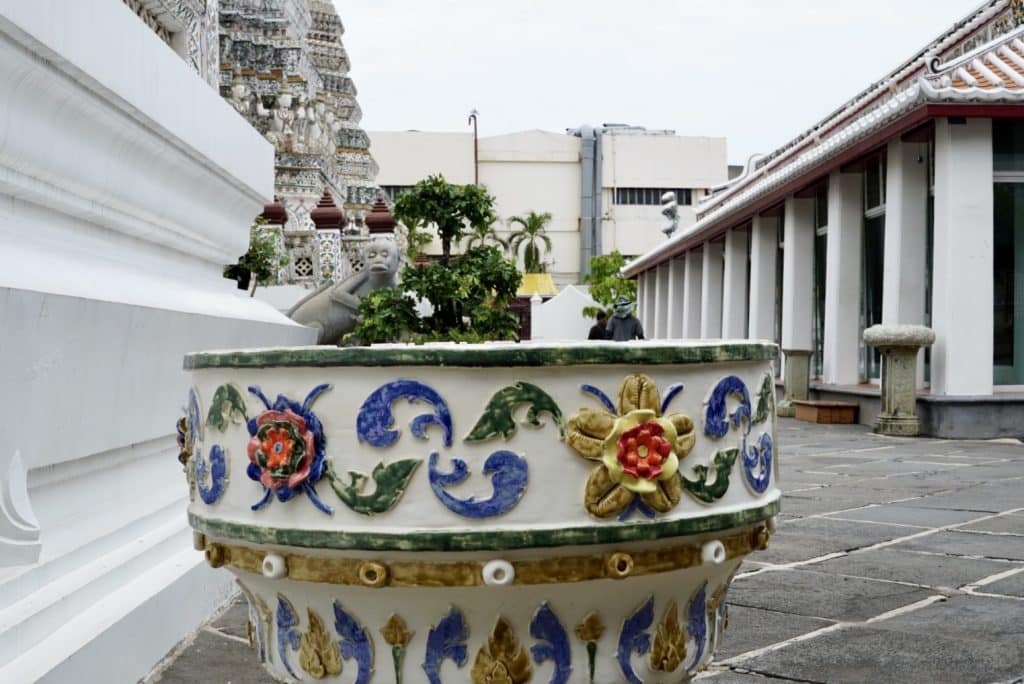
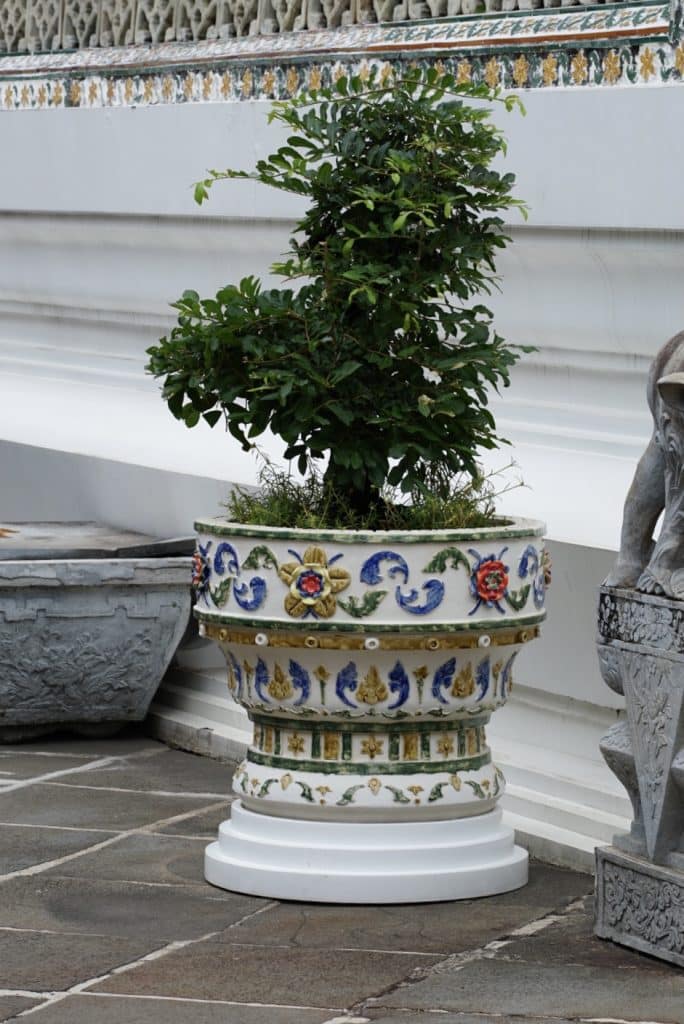
The second series became the Grand Pagoda planter. Rather than copying motifs, Mo reworked 200-year-old ceramic details through contemporary techniques. The final pieces carried the rhythm of the original architecture, while modern firing methods ensured durability for long-term outdoor use.
Courtesy of Mo Jirachaisakul
“Ceramics naturally prefer smooth surfaces, so these forms were extremely difficult to make. The more movement I added, the more they cracked. I spent almost a year experimenting with moulds, coiling techniques and drying control so everything would set evenly. It took a long time to engineer, but I was happy with the result.”
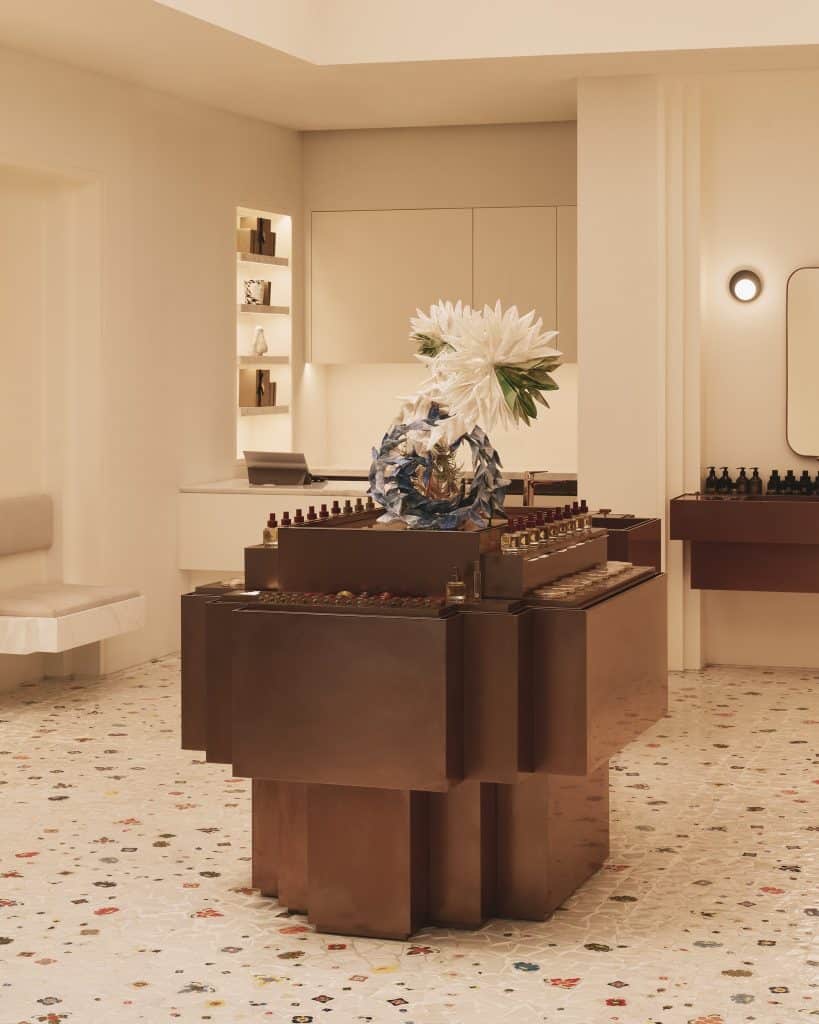
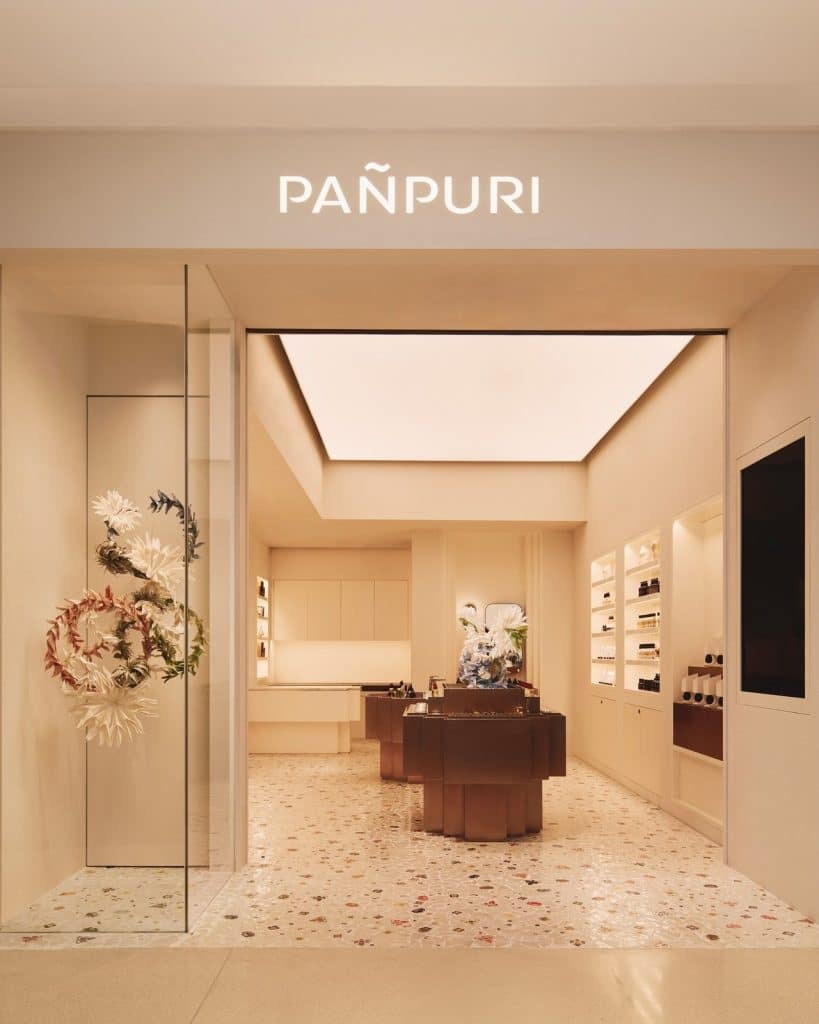
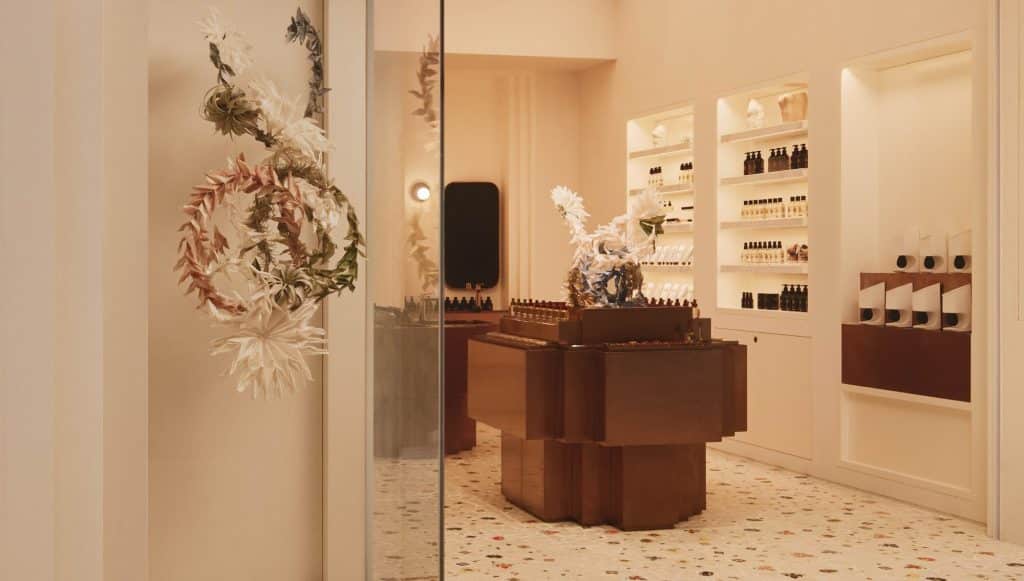
The Wat Arun collection later led to a collaboration with skincare and fragrance brand PANPURI, which asked Mo to bring the atmosphere of the temple into one of its stores. Around the same time, he was experimenting with glazing techniques inspired by Thai patterns and CNC methods from his family’s furniture factory. After seeing both directions, PANPURI asked him to merge them into a spatial design inspired by the temple’s colours and textures.
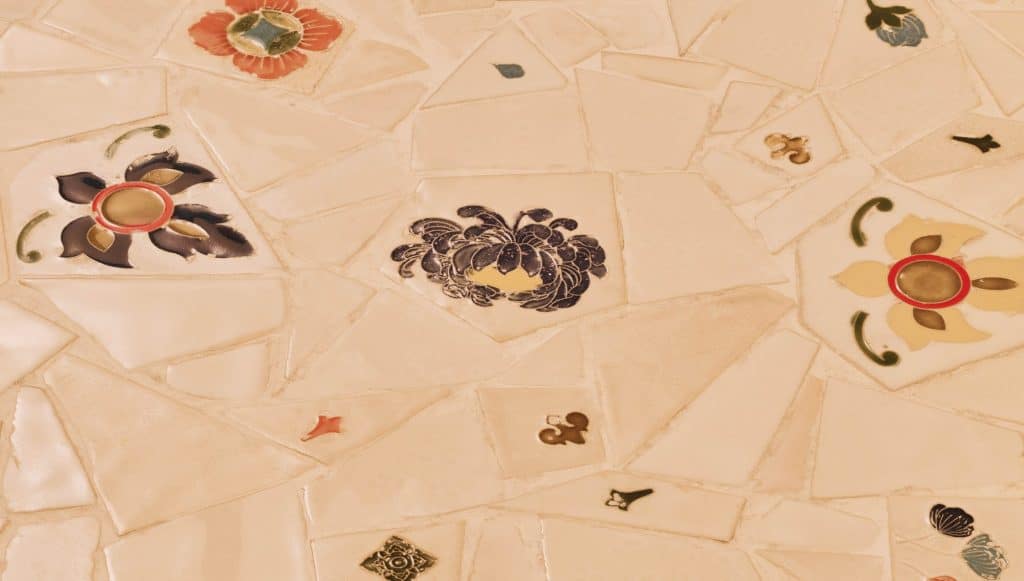
Courtesy of Mo Jirachaisakul
What feels most aligned with Koktail in Mo’s work is how sustainability appears naturally through the way he thinks, not as branding. Not every project begins with a grand concept. Sometimes it starts with irritation over waste. Throughout the conversation, one thing is clear: Mo does not approach sustainability as a design trend.
“I don’t really like calling myself a sustainability artist. I just hate wasting things. Every material takes so much time and energy to exist, so I always feel there’s still potential inside what people throw away.”
That mindset runs through much of his work. In Rta, he combines fresh clay with leftover scraps from his studio instead of discarding failed pieces. Other experiments include glazes made from ash from grilled chicken shops and furniture made from recycled wine bottles. At the same time, he remains critical of upcycling that creates harder-to-break materials.
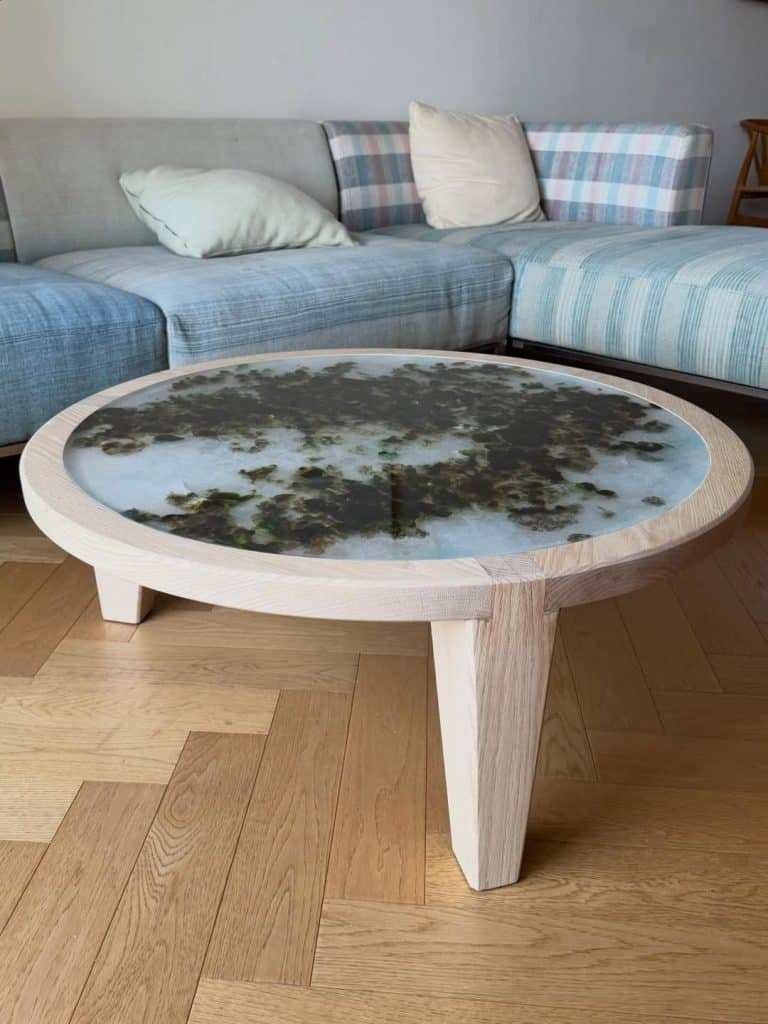
“A lot of upcycling creates things that are harder to break down later. I try to make things that can still return naturally to the environment rather than become permanent waste.”
“If there’s one thing I hope for, it’s that someone wakes up, looks at one of my objects and feels like they’ve already seen something beautiful that day.”
As his work continues to evolve across ceramics, furniture and material experimentation, the next thing Mo wants to focus on is not scale or bigger concepts, but craftsmanship itself. While much of his practice has been driven by ideas, context and storytelling, he now finds himself drawn back toward the slower process of training the hand.
“I think now I just want to get better at the craft itself. Less thinking, less concepts. I just want to practise using my hands more.”
Craftsmanship is learnt through repetition and direct work with materials, not instruction. Small shifts in pressure, timing and touch change everything, and that unpredictability is what keeps him engaged.
Dead malls. Abandoned cubicles. Forgotten industrial zones. To mark the release of ...
Brunch is a global mood – and it’s anything but lazy. Discover ...

A look at the little things that make Thai celebrities unforgettable beyond ...

Wandering around the globe, try out the signature tastes of cultures across ...

Sailorr and Molly Santana’s black grills fuse hip-hop swagger with homage to ...
These top 5 barber shops in Bangkok are where gentlemen can elevate ...
Wee use cookies to deliver your best experience on our website. By using our website, you consent to our cookies in accordance with our cookies policy and privacy policy


