
Weekend Getaways
Naga Cave: An Eye-opening Hike to See the Mythical Serpent
A detailed guide to hiking the Naga Cave, combining physical challenges with ...


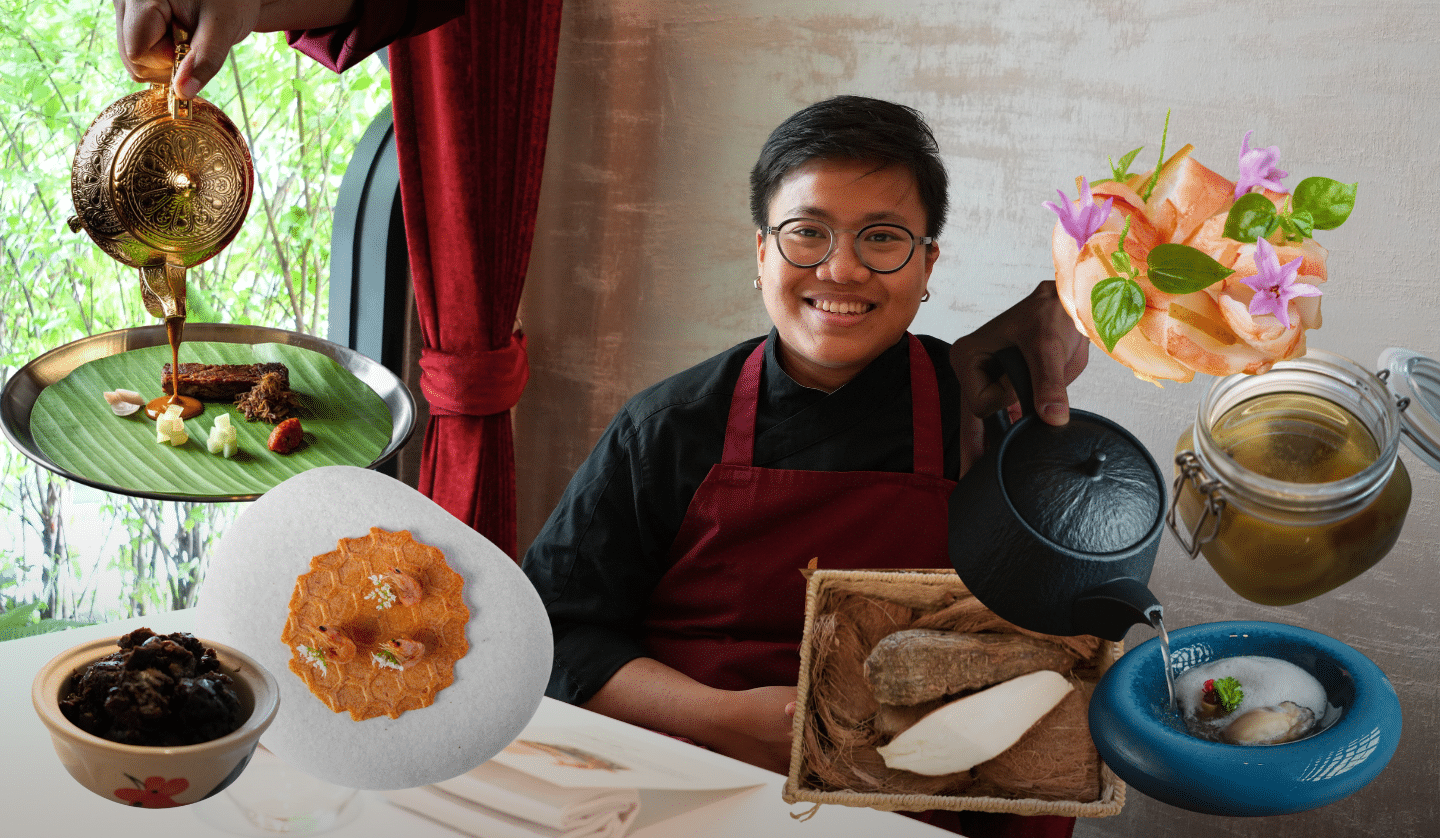
“Food is a canvas for creativity. It’s not just lines or colours. Every element must work together, making diners wonder how these flavours come together in unexpected ways. I focus on local, high-quality ingredients and surprising combinations that delight the senses. Every dish is art, carefully composed so that when you taste it, you feel the chef’s vision. Art has no boundaries, no fixed form, and the same is true of food.
Today we take readers to Khaan on Soi Som Kid, where vision and creativity come to life through Chef Sujira “Aom” Pongmorn. Moving room by room, we discover how her imagination and philosophy flow seamlessly into every corner of the restaurant.
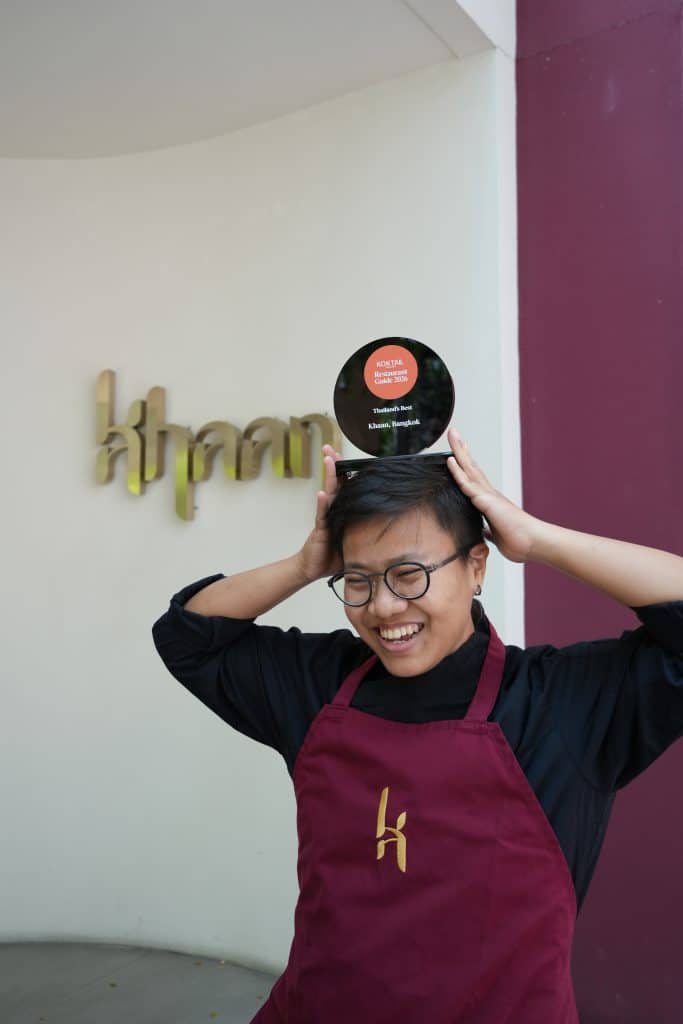
The moment we arrive, the restaurant breathes her story. At the door, Chef Aom speaks of the first steps of her culinary journey, the experiences that inspire Khaan and the lessons that shape her vision. The entrance becomes a prelude, an introduction before the flavours and spaces inside reveal themselves.
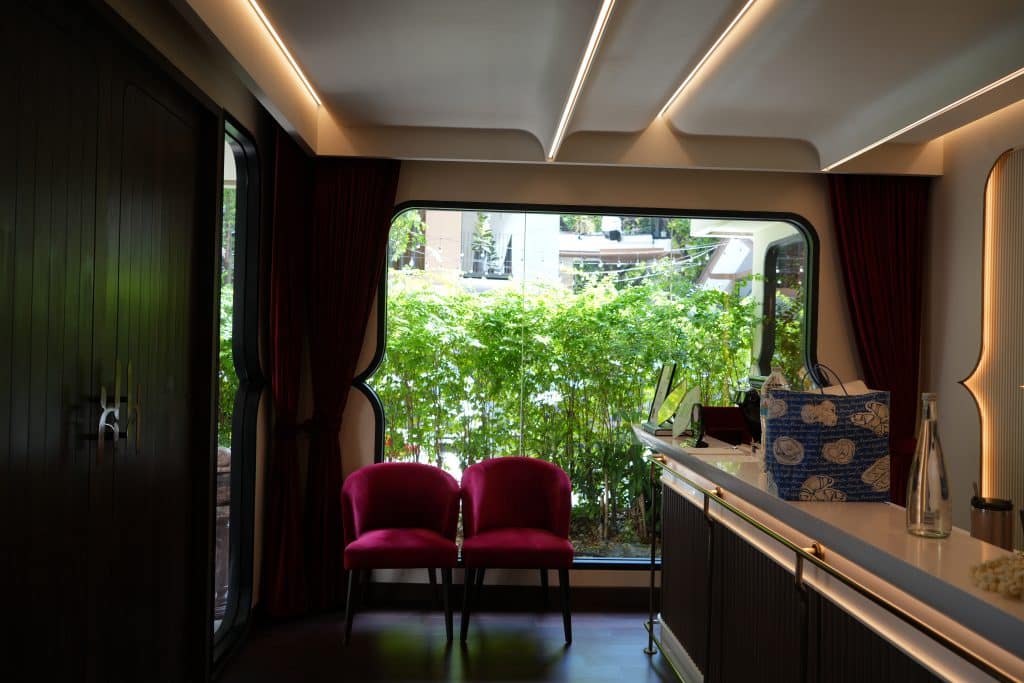

“My first time cooking was when I was six. My father was unwell at home and I was hungry. He said he couldn’t get up and told me to cook by myself. I found some eggs and asked if I could make an omelette. I didn’t even use a fork to beat the eggs, but I used my hands. I added a bit of this and a bit of that. My father just let me experiment. That was my first real experience in cooking.”
From that early experience, a passion for cooking took root. After secondary school, she realised a desire to pursue what she loved rather than years on subjects she wasn’t interested in. She attended a one-year programme, combining practical training with real-world experience.
“When asked who in my family inspired me most, I’d say my father. He has a natural talent for cooking. Even though he is from central Thailand, he would seek out northern friends to learn dishes like nam ngiao soup to truly understand each recipe. Ingredients were measured by feel rather than grams, teaching me to trust my palate and sense what a dish needed.
My aunt also inspired me in another way. In our big family, leftovers never went to waste. She turned them into new dishes. I used to wonder why we couldn’t find these meals outside the home and as I got older, I realised the dishes I loved were often transformed from yesterday’s leftovers.”
She later trained at the Mandarin Oriental Hotel, gaining general professional experience and then at Sra Bua by Kiin Kiin, the first Thai restaurant in the country to offer molecular cuisine, and later worked with Chef Pongtawat “Ian” Chalermkittichai. It was at Sra Bua and with Chef Ian that she first engaged with Thai cuisine, while her formal training in international cuisine, including French and Mediterranean, provided a strong foundation.
“I used to think Thai cuisine was all about carving and ornate presentation and I didn’t have that skill. Then I experienced Thai cooking at Sra Bua and later with Chef Ian, and it opened my eyes. I realised authentic Thai food doesn’t need rigid presentation. That perspective made me fall in love with Thai cuisine and eventually led me to start Khaan.”
Khaan is a love letter to her family and to the richness of Thai cuisine. Its zero-waste approach reflects her aunt’s style of transforming leftovers, while the focus on local ingredients and cultural traditions echoes her father’s influence. Everything comes together in perfect harmony.
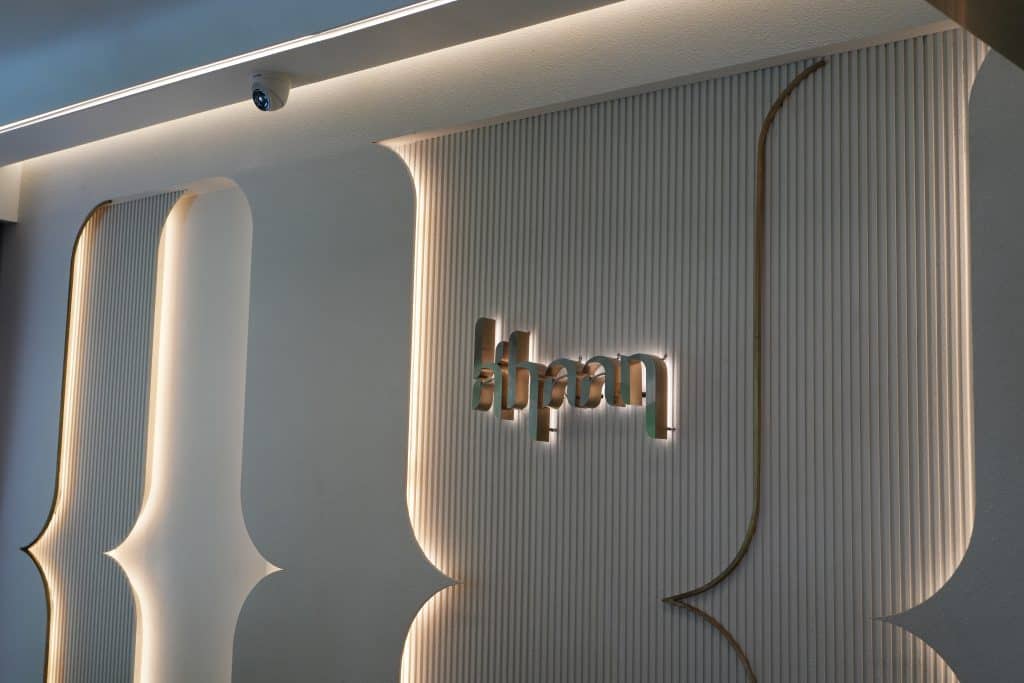
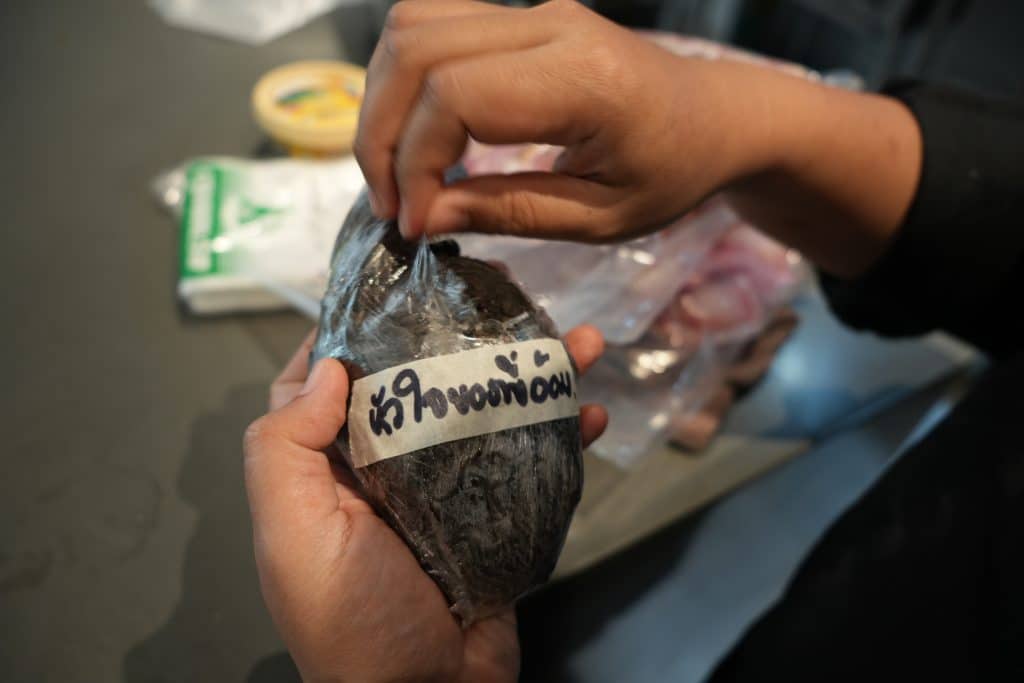
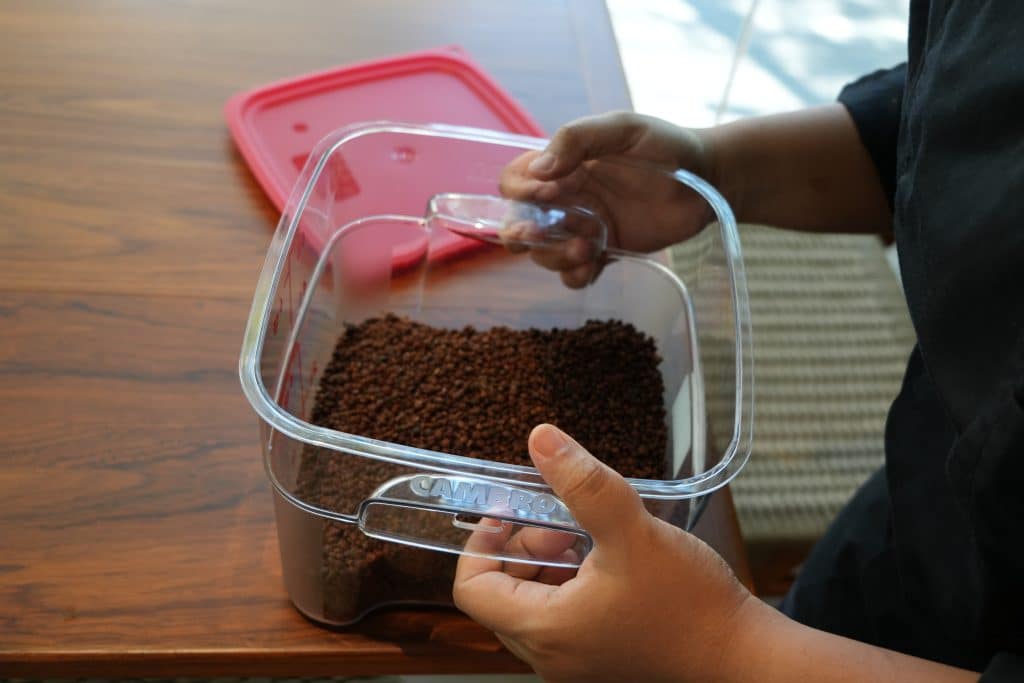
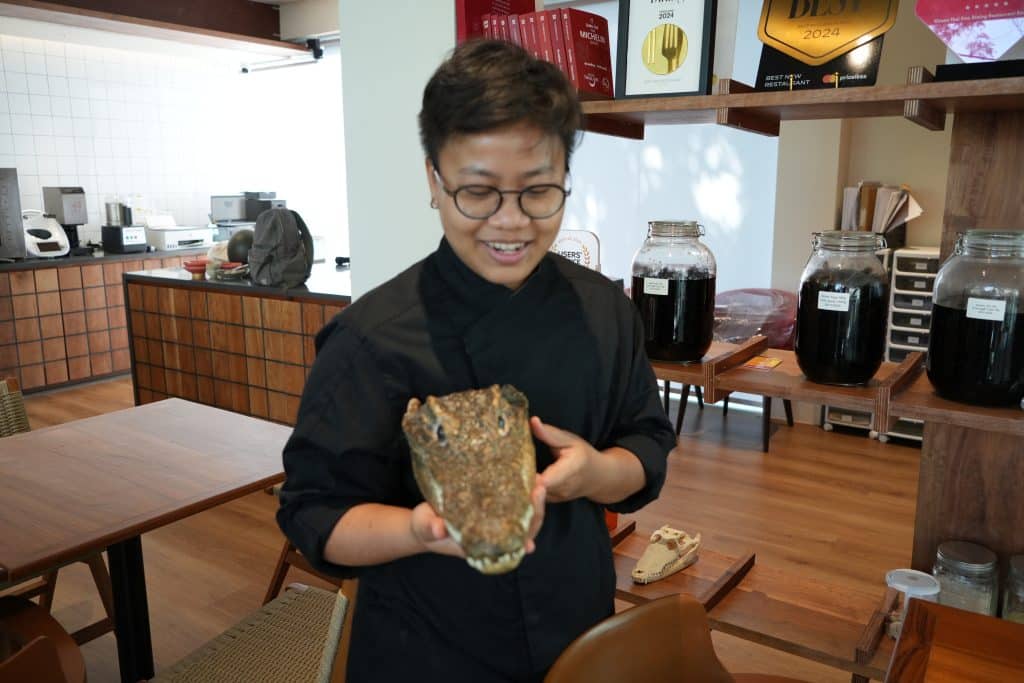
The next room we visit is her lab, where every ingredient comes to life before reaching the plate. Boxes of produce and jars of fermentation surround us, with local ingredients taking centre stage at the heart of it all.
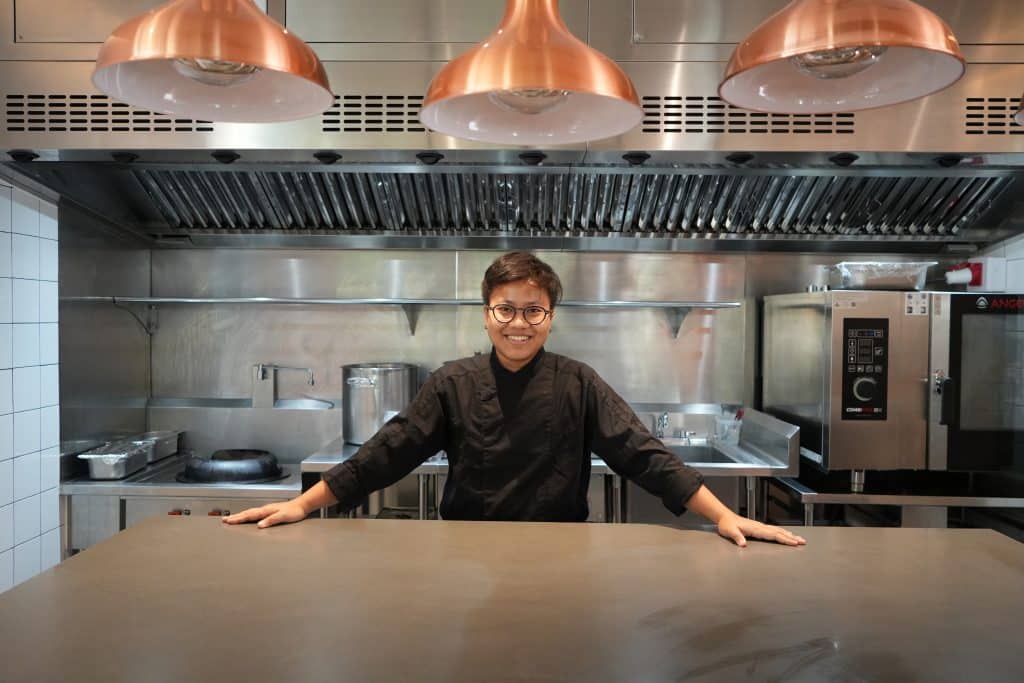
Here she moves through the kitchen, introducing each ingredient as if it were one of her children, sharing the story behind it with care. She speaks of her journeys across Thailand to find the finest produce, her love for experimenting and her dedication to supporting local communities.
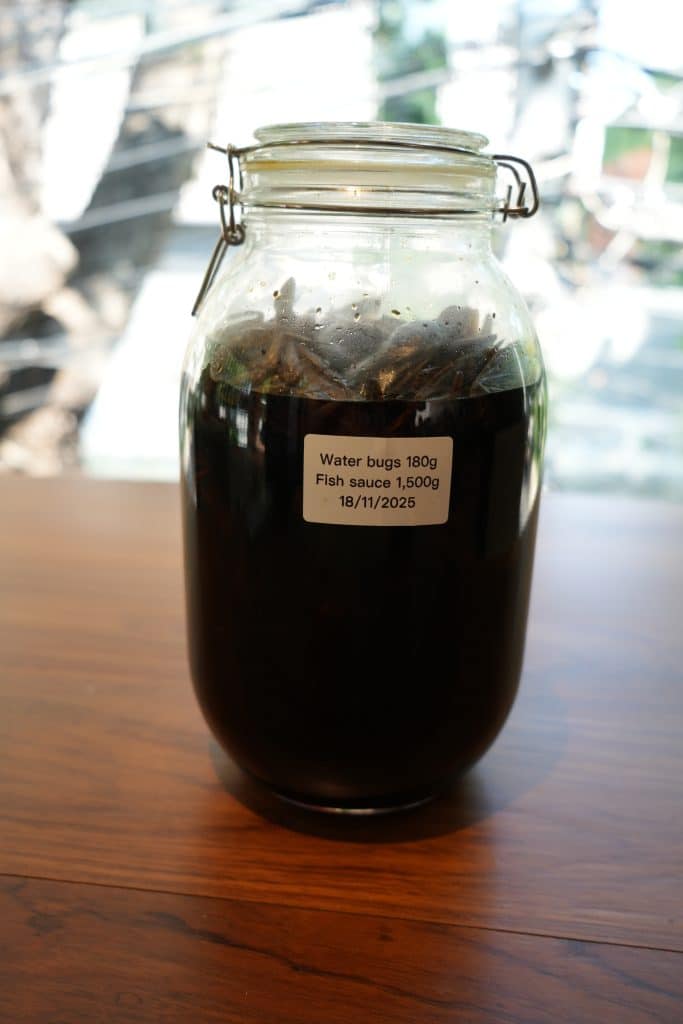
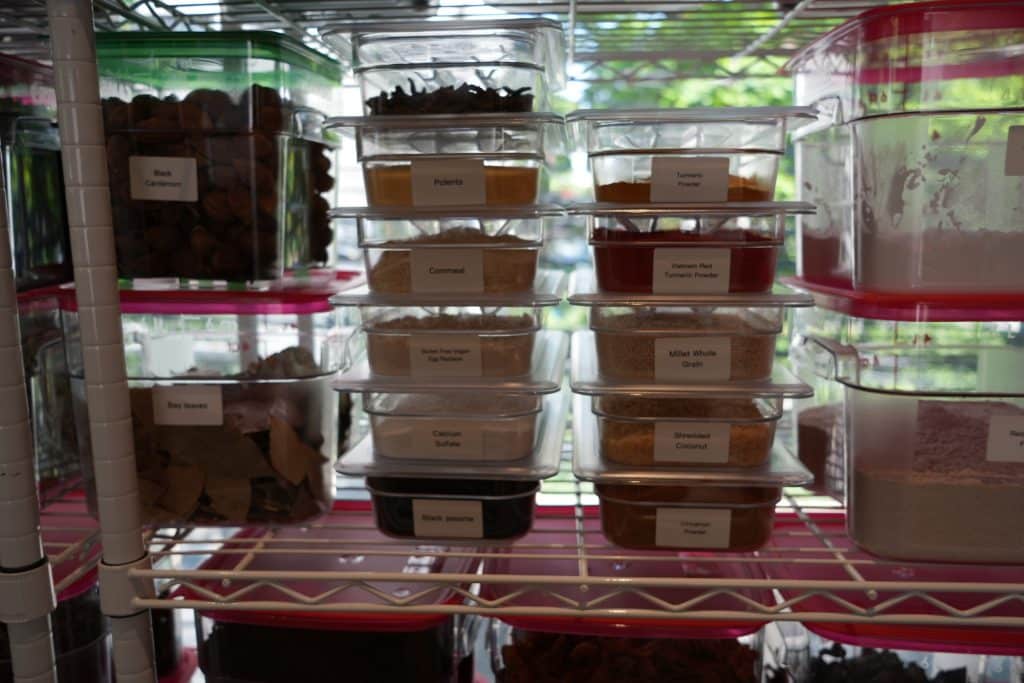
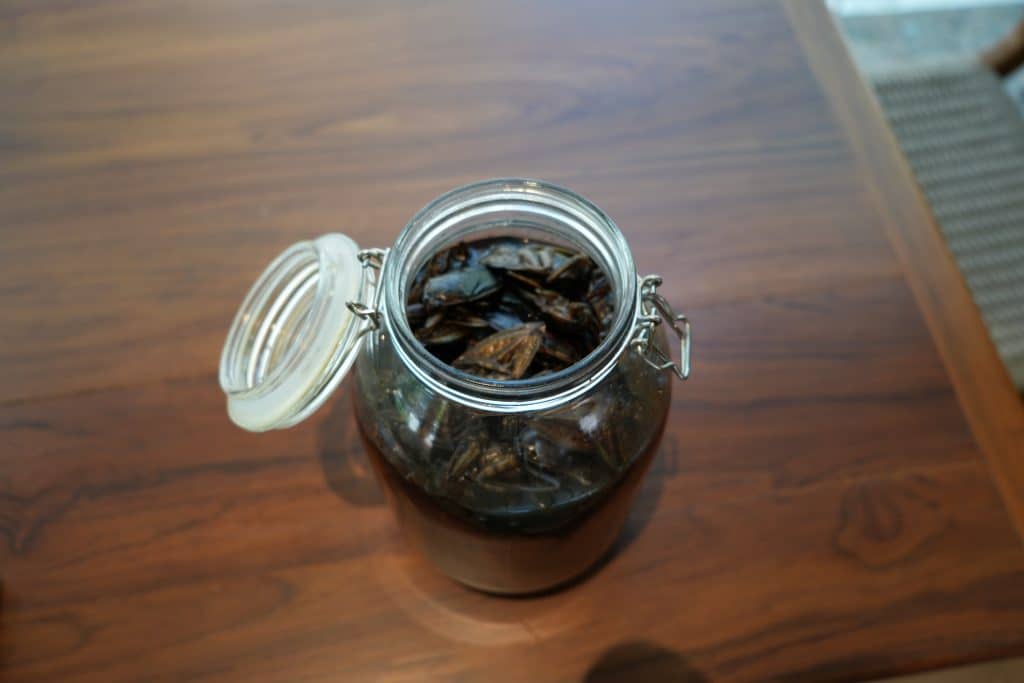
Courtesy of Koktail Thailand
“Recently, I went to Chiang Mai and Chiang Rai to learn traditional soybean fermentation into what we called tua nao. They boil the beans with local sinthao salt for two days and use woven bamboo baskets for airflow. This ancient method is ideal and I studied it carefully to bring it into my cooking.”
Then she laughs as she recalls a close call on one of her ingredient hunts.
“I went up to Chiang Rai to find the sumac tree. It’s incredibly rare – sometimes just one tree in a whole forest. And it doesn’t grow in safe spots. It clings to the edge of cliffs, the kind where one wrong step and… well, you fall. I didn’t even realise it was a cliff at first. The local guide was panicking, shouting, ‘Stay still, don’t move!’ I thought, what’s happening? Did I see a wild animal? One more step and I would have fallen.
The sumac only flowers once a year and is sacred to the locals. They use its leaves in rituals for newborns, something to do with fertility and abundance.”
She brought the ingredient back to her lab and started experimenting. The result was her own take on pickled mango, inspired by French-style jellies. Instead of coating it in sugar, she dusted it with sumac powder, crushed dried chilli and a touch of salt. The result is like eating pickled fruit with a kick.
These experiments reflect not just her creativity but also her commitment to sourcing rare ingredients and supporting local communities. The farmers and producers she works with provide much of what ends up in her dishes, so her culinary vision benefits both her restaurant and the people behind the ingredients.
We move to the centre of it all, where the kitchen comes alive. Beyond the lab, we see her cooking approach take shape, guided by traditional wisdom and a zero-waste philosophy.
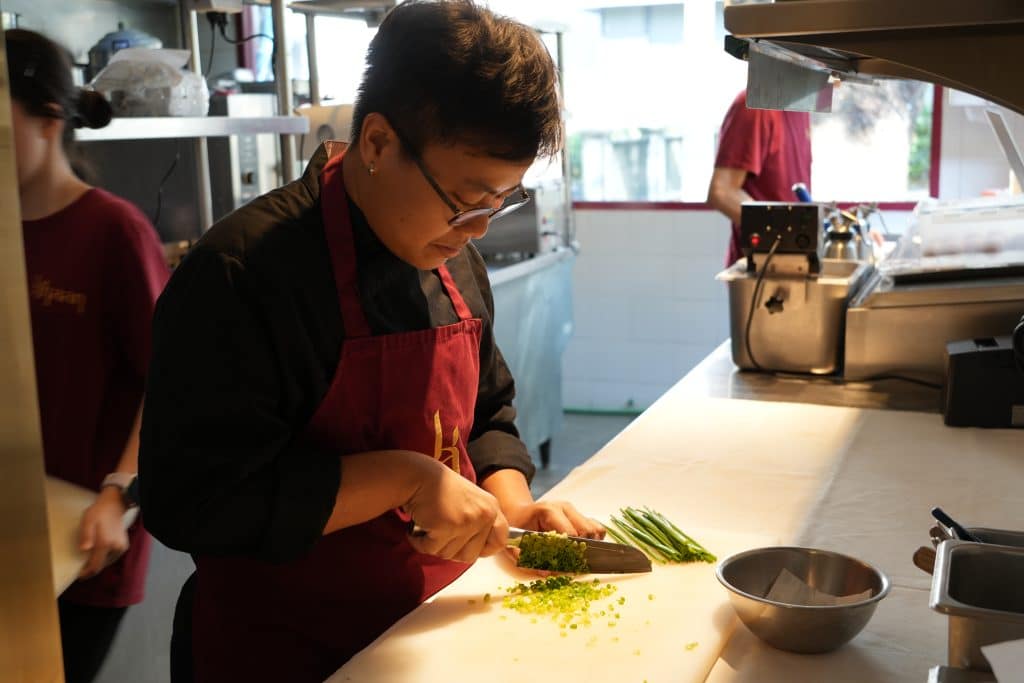
“When I create a dish, I start with the ingredients. I love the sexy side of it – the depth, the story, the people who grow it and know it inside out. I watch how locals use it every day and uncover its hidden potential. Seeing food go to waste makes my heart sink, so I use a zero-waste approach. One ingredient can tell a story in many ways, transforming leftovers into new, exciting flavours on the plate.”
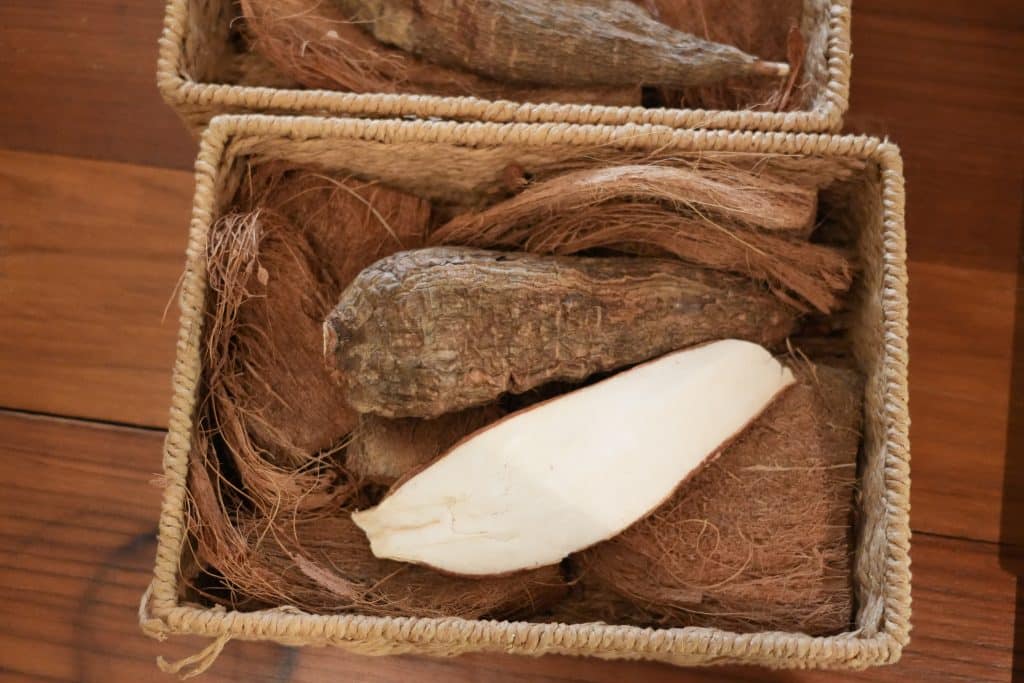
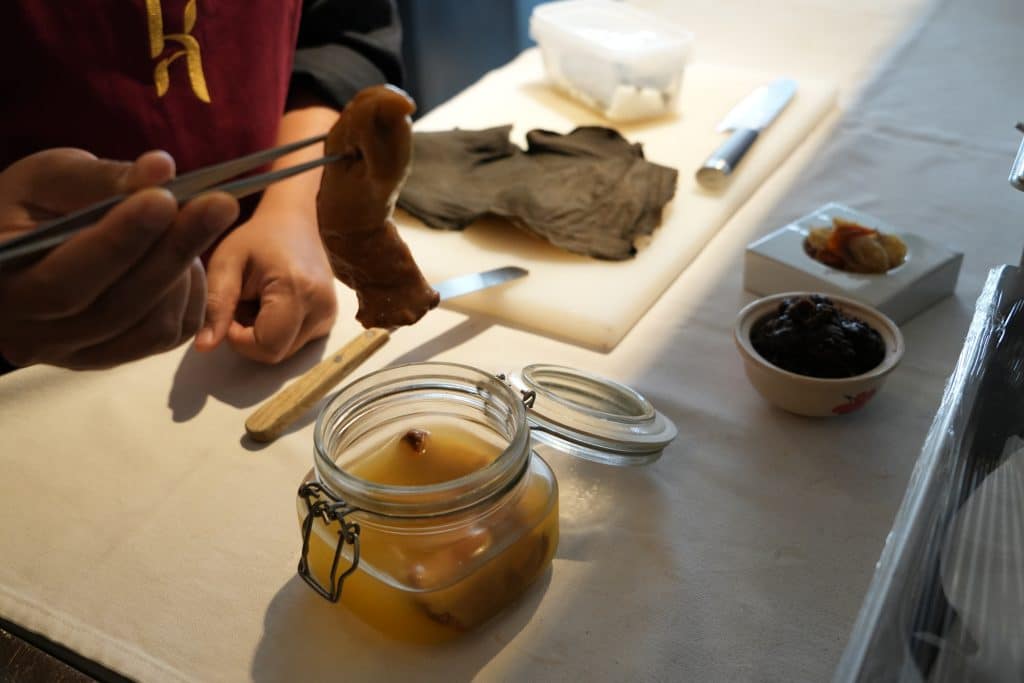
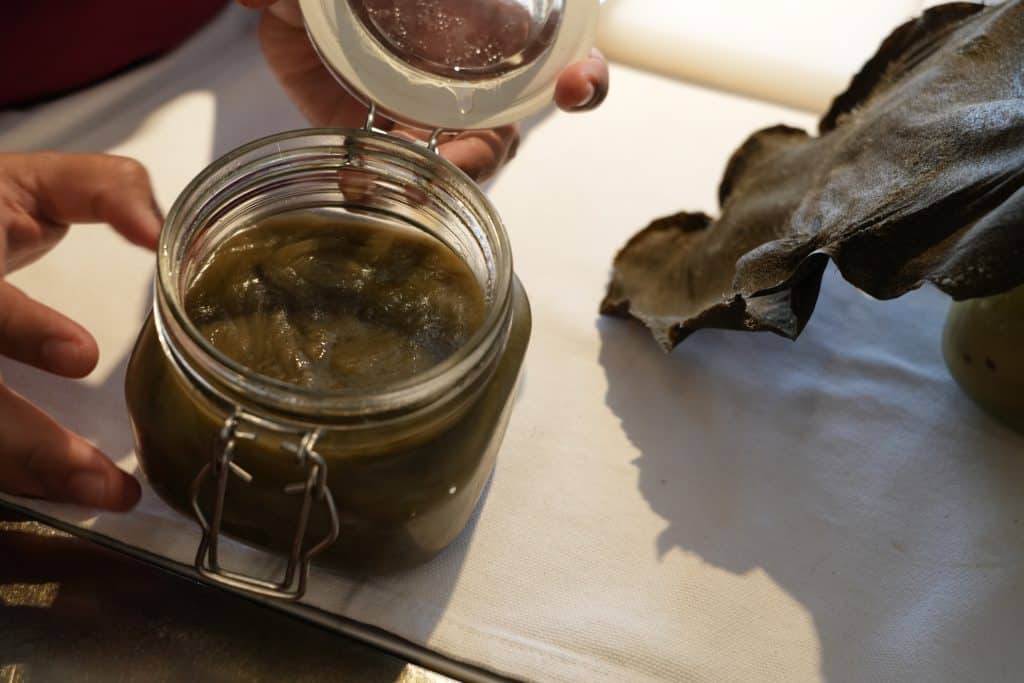
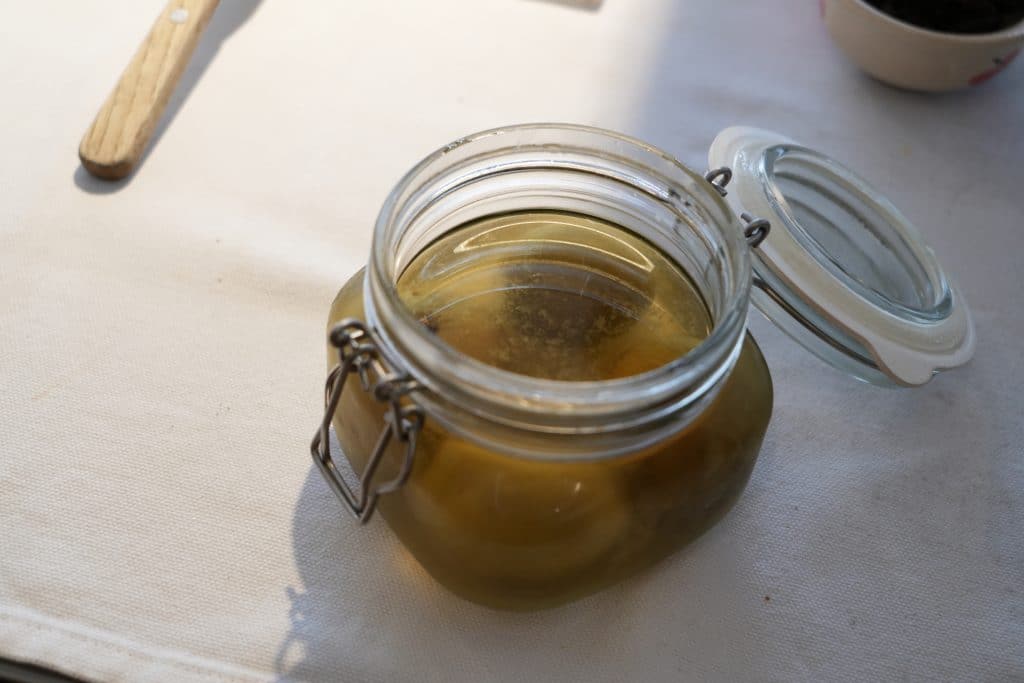
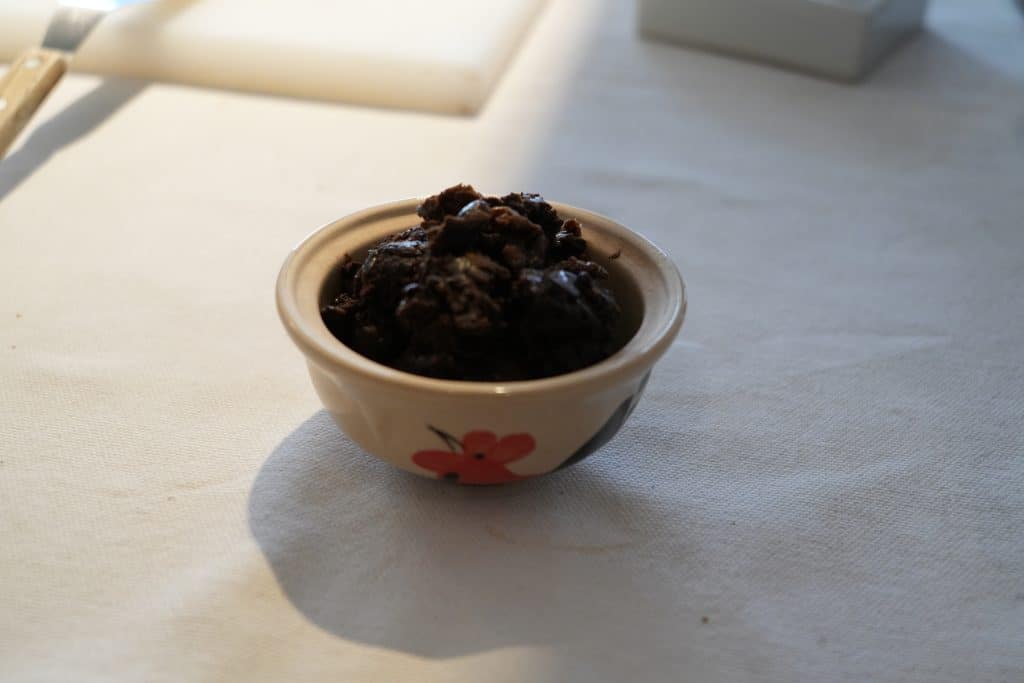
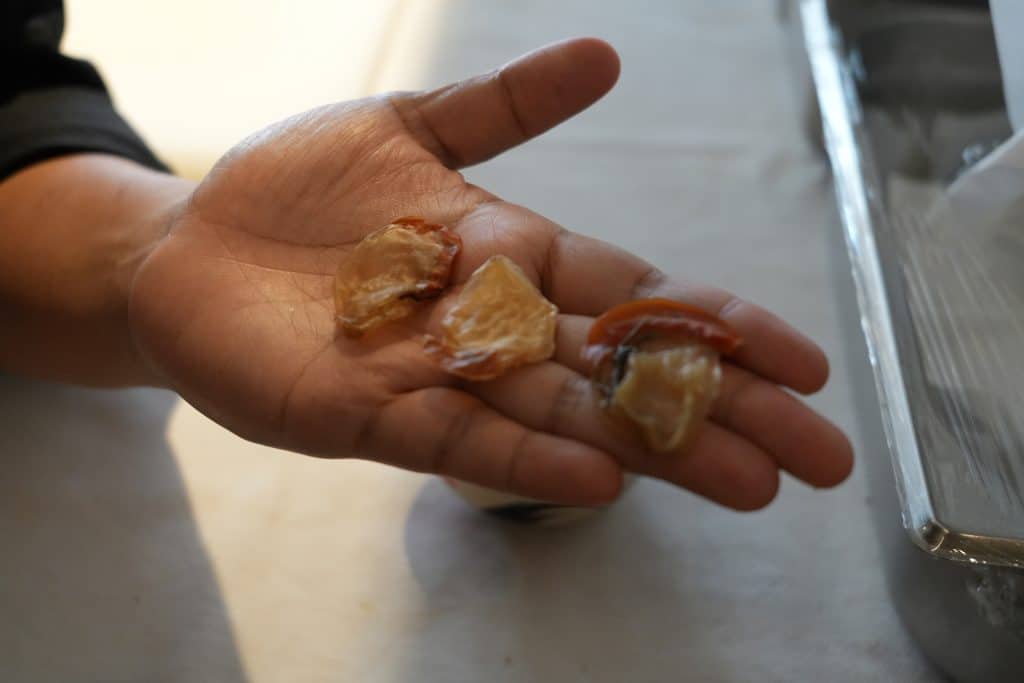
Courtesy of Koktail Thailand
One clear example of her zero-waste approach is the marinated shrimp or goong chae nam pla. The flesh is served to guests, marinated with fermented soybeans. The tomalley is blended with fresh fermented soybeans to make a creamy paste, dotted onto a cracker. The shells are infused in oil to create a deep red shrimp oil, then dried, ground and mixed into the cracker dough. From a single ingredient, multiple elements come together on one plate, turning it into a creative playground that surprises and delights guests with every bite.
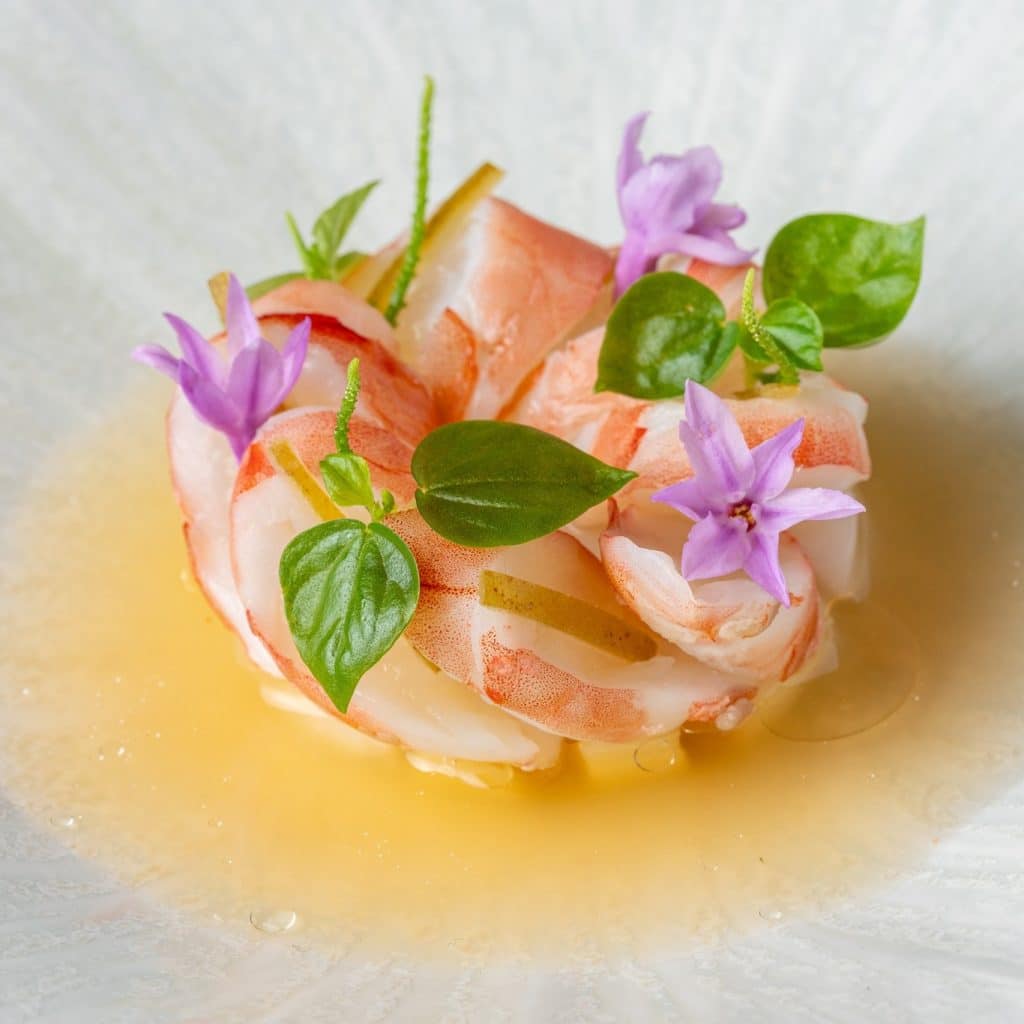
“I believe being a chef is a profession that can care for the planet. Every small step counts, something anyone can do. And when all those small steps come together, they grow into something much bigger.”
“What I want to share with visitors is the story behind my ingredients, the local people and the techniques I use. Some dishes are inspired by what I’ve seen or experienced, creating new flavours from that. The concept is flexible, but each plate tells a story. There’s a melody to the flavours – why one dish comes first, why the next follows, when to pause and when to lift. I plan the experience so it’s never monotonous. Like music, the tastes rise and fall, surprising and engaging the palate with every bite.”
At our final stop, we arrive at the dining table where everything she has been building in the lab and kitchen comes alive. Here her vision, creativity and respect for ingredients are presented directly to the guests.
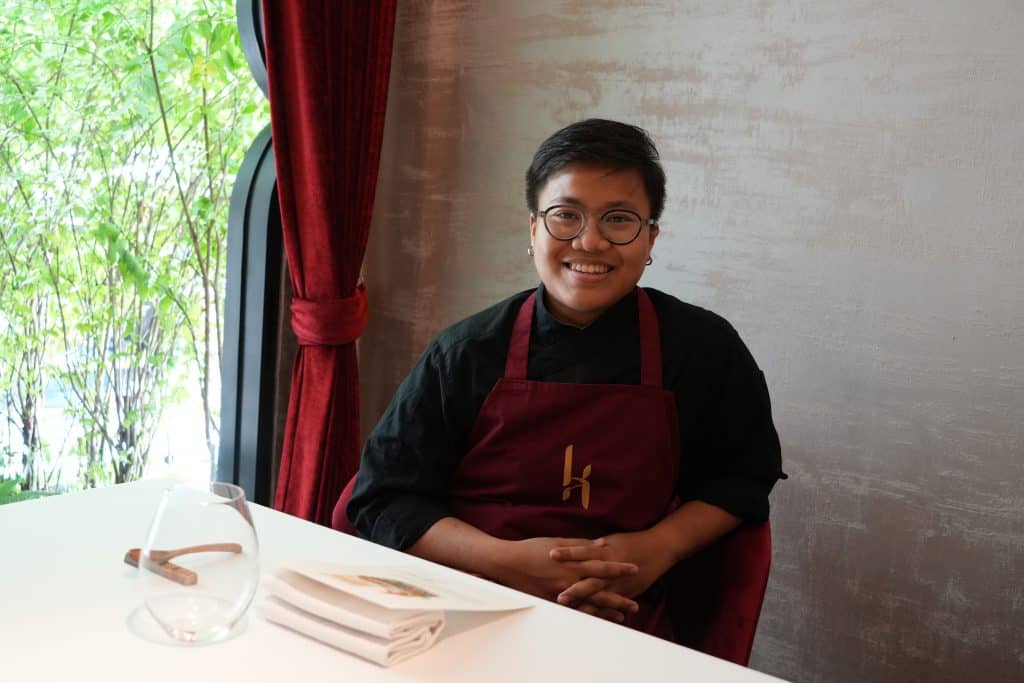
“I see restaurants evolving with the world. We can’t centre everything on our own preferences, because in the future, dining trends may shift. The world moves faster now and people want simple experiences that are short and easy to understand without unnecessary ceremony. Fine dining will adapt too, becoming more creative, artistic and even integrating science or technology, illusions or performance. Whatever form it takes, I will always keep sustainability, support for local communities and the melody of flavours at the heart of what I do. Those core principles will remain.”

A detailed guide to hiking the Naga Cave, combining physical challenges with ...
Wandering around the globe, try out the signature tastes of cultures across ...
These top 5 barber shops in Bangkok are where gentlemen can elevate ...

Sailorr and Molly Santana’s black grills fuse hip-hop swagger with homage to ...
Check out 14 casual dining restaurants that make effortless vibes seem natural ...

Set to premiere on 24 April, the Japanese remake of Girl From ...
Wee use cookies to deliver your best experience on our website. By using our website, you consent to our cookies in accordance with our cookies policy and privacy policy


