Weekend Getaways
Naga Cave: An Eye-opening Hike to See the Mythical Serpent
A detailed guide to hiking the Naga Cave, combining physical challenges with ...


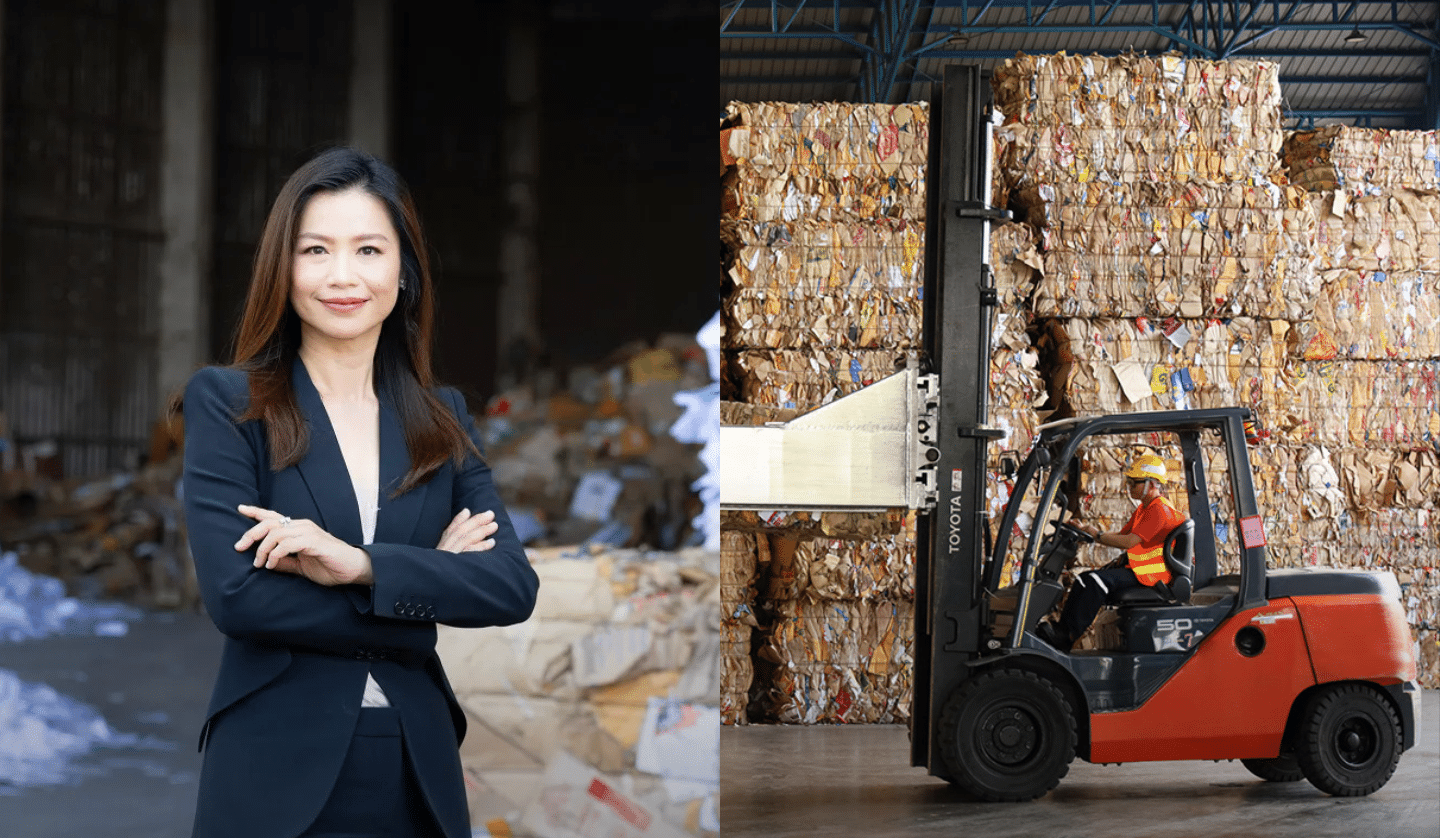

In a world where waste continues to grow and resources become increasingly strained, the idea of a circular economy has gained new urgency. Instead of discarding materials after a single use, this approach extends their life cycle and turns what people often see as waste into something valuable.
Previously, we explored how Chanut “Kong” Wudhiwigaigarn turns the circular economy into practical, everyday actions through his channel KongGreenGreen. Today, we look at another dimension of this movement.
In Thailand, the circular economy is more than a concept. It is already happening in businesses that give waste a second life. For nearly five decades, Perfect Paper has collected, sorted and redistributed used paper, turning it into raw material for new products.
Sarintorn Phansopa, second-generation Managing Director at Perfect Paper, has spent over 20 years guiding the company through growth and modernisation. Today, her work reflects a strong commitment to sustainability and responsible resource management.
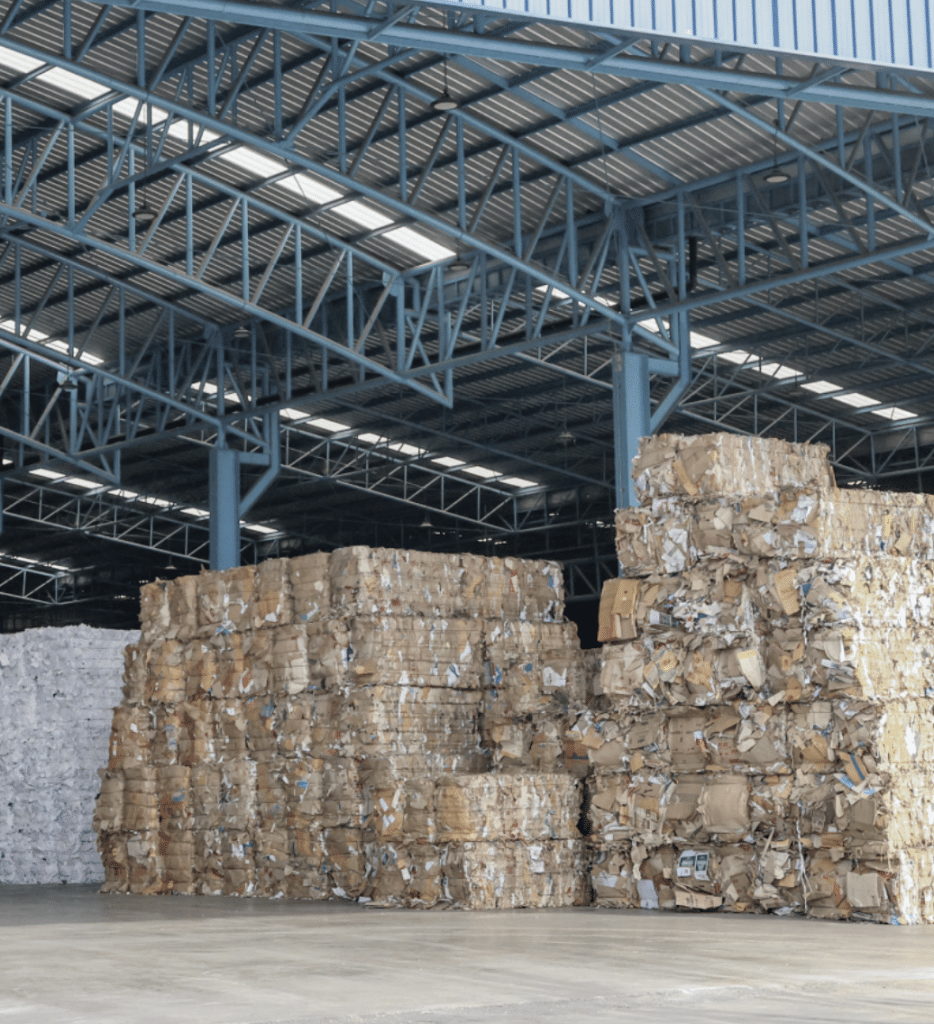
Founded in 1998, Perfect Paper specialises in sorting and supplying high-quality recovered paper. The business forms part of the circular economy, built on the principle of using resources as efficiently as possible to support long-term environmental sustainability.
The story began in 1972 with Sarintorn’s father, who collected, sorted and delivered discarded paper to factories before officially formalising the business in 1998. In 2005, the expansion of a new facility in Rangsit, Pathum Thani marked a turning point, as operations became larger and more complex. Recognising the need for stronger structure, he encouraged Sarintorn, a data analyst at the National Science and Technology Development Agency for six years, to leave her role and join the family business. She made the decision to return and help build the company into a more structured and scalable operation.
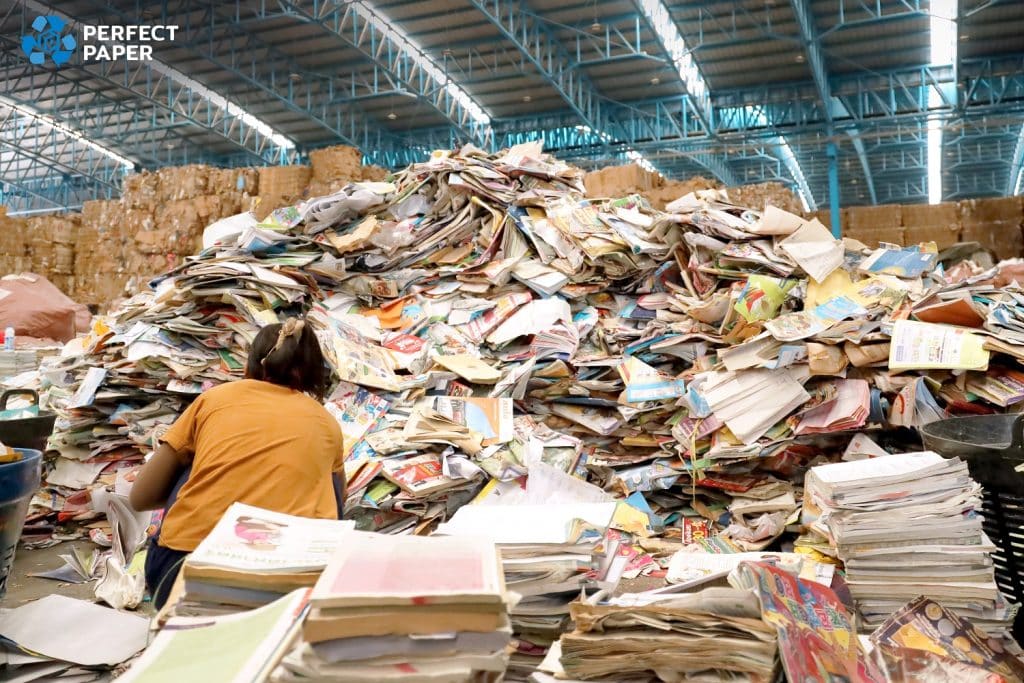
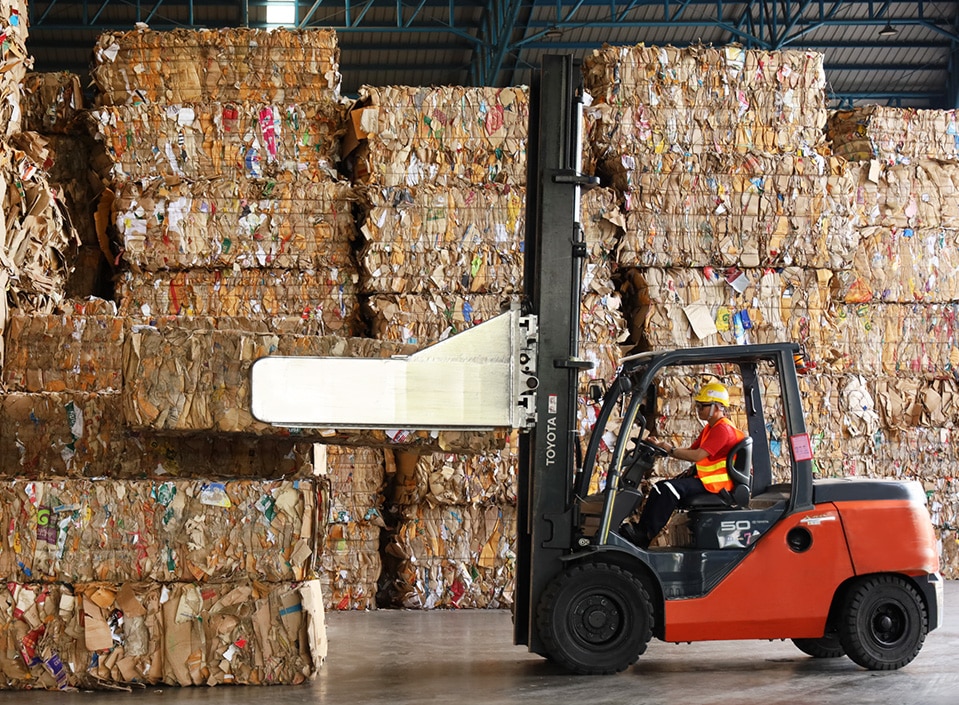
Perfect Paper’s core function is to purchase recovered paper and sort it according to specific quality requirements. Each batch of recovered paper, from office and printed materials to cardboard and newspapers, is carefully selected before being sent to manufacturers for processing into new paper products. Its clients range from large to small-scale manufacturers that use recycled paper as a key raw material.
Sarintorn carries on her father’s legacy, maintaining strong relationships with clients in Thailand and abroad. Consistent sorting standards and reliable deliveries help clients reduce inventory costs, while the quality meets international standards, with direct exports possible without third-party inspection.
When Sarintorn took the reins of Perfect Paper, she brought a fresh perspective shaped by her years as a data analyst in the public sector, where she learned to work with complex information and systems. She applied those skills to the family business, introducing modern management systems and digital tools, including an Enterprise Resource Planning (ERP) system, to integrate operations across accounting, finance, production, procurement, sales, and distribution. Strategic planning became a core focus, with clear goals to boost productivity, streamline operations, reduce costs and ensure deliveries reached clients on time and to specification.
Every quarter, the market was analysed, opportunities identified and relationships with clients and partners nurtured, all to strengthen the role of recycled paper in a wide range of industries and to drive sustainable revenue growth.
Her vision went beyond daily operations. She rebranded Perfect Paper, positioning it as a world-class organisation under the philosophy of World Waste Management, a global standard that delivers sustainable value to all stakeholders. The company aims to meet international standards in comprehensive waste management, handling all types of recyclable materials.
Sustainability remains central, with the company integrating the United Nations’ Sustainable Development Goals (SDGs) into every aspect of its operations. As a key player in the paper industry supply chain, Sarintorn focuses on balanced growth across five main stakeholder groups: suppliers, partners, investors, employees, communities and consumers.
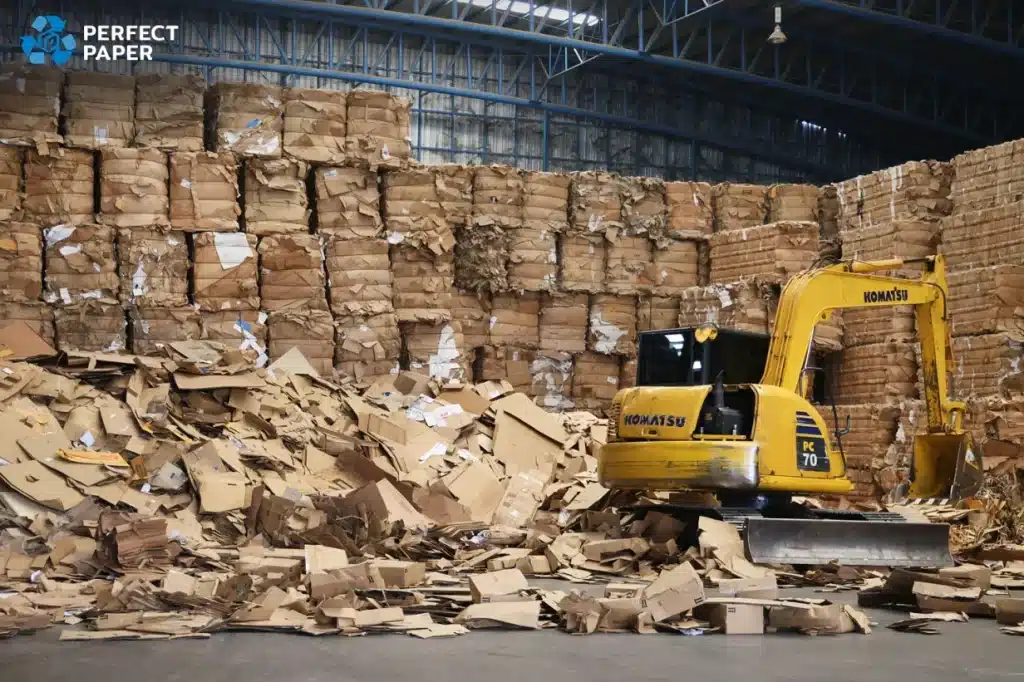
Adapting to customer trends is key for Sarintorn. Perfect Paper stays flexible, following what people need. Fewer people read magazines or newspapers, but online shopping drives demand for boxes and packing paper. Whatever consumers use, Perfect Paper collects and supplies to factories as raw material. Keeping up with these shifts keeps the company useful and trusted by clients.
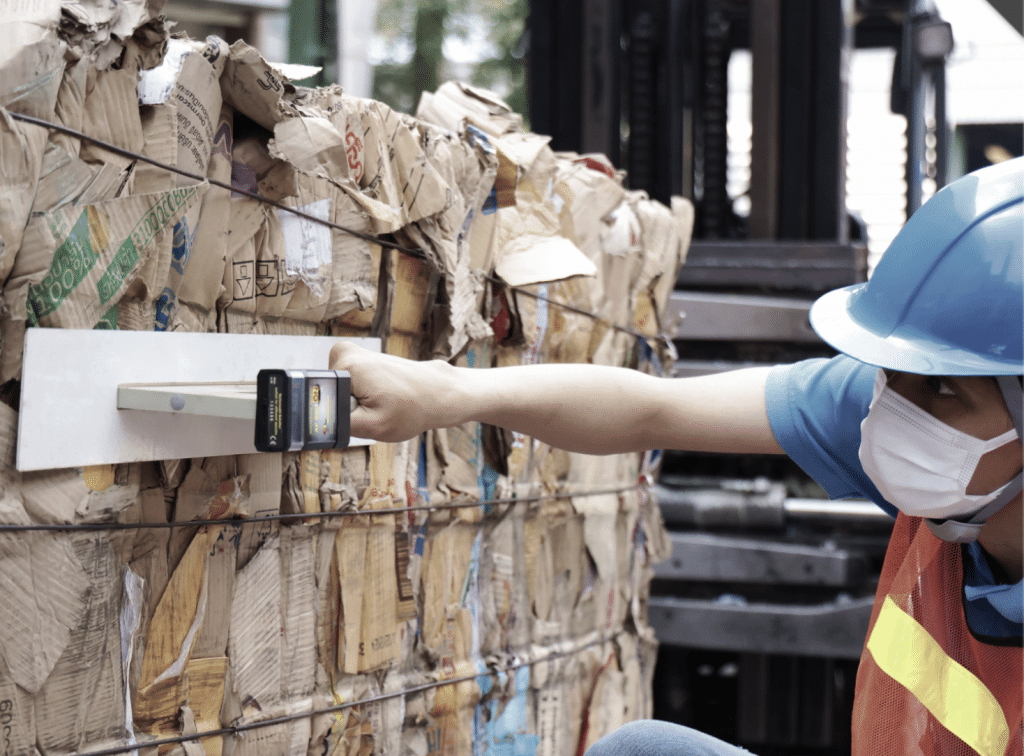
Today, Perfect Paper operates its headquarters and main facility in Bang Pu, with additional plants in Rangsit and Mahachai. The company also oversees a group of affiliated businesses, including Rangsit Recycle, Muang Kradad and Plawan Logistics.
With Sarintorn at the helm, Perfect Paper entered a new chapter, embracing modern practices while honouring its family roots. From humble beginnings, the company has grown steadily, reaching THB 2,000 million in 2023. As a second-generation leader, she helps the business adapt, grow and stay relevant in a fast-changing world.

A detailed guide to hiking the Naga Cave, combining physical challenges with ...

Wandering around the globe, try out the signature tastes of cultures across ...
These top 5 barber shops in Bangkok are where gentlemen can elevate ...

Sailorr and Molly Santana’s black grills fuse hip-hop swagger with homage to ...

Check out 14 casual dining restaurants that make effortless vibes seem natural ...

Set to premiere on 24 April, the Japanese remake of Girl From ...
Wee use cookies to deliver your best experience on our website. By using our website, you consent to our cookies in accordance with our cookies policy and privacy policy


