Films
10 Thai Horror Films Featuring Beautiful Ghosts
From haunting folklore to modern urban horror, here are 10 Thai horror ...


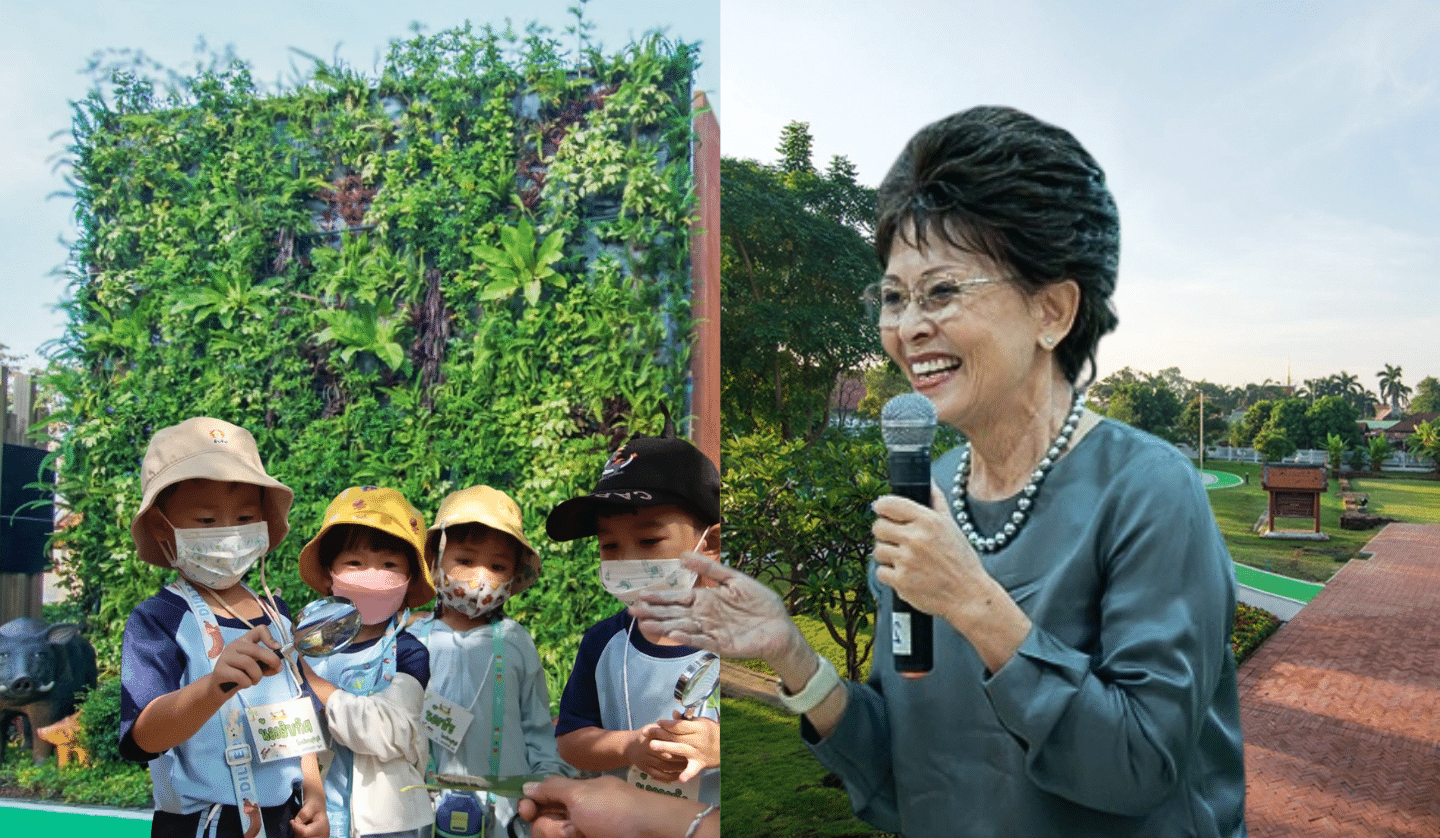

Environmental education is often treated as an extra, placed on the margins of the curriculum rather than at its core. Yet education shapes how we understand environmental challenges and how we respond to them. When people develop a clear understanding of ecosystems, biodiversity and sustainable living, they are better equipped to make informed choices that protect both the planet and the communities that depend on it.
In Thailand, this belief led to the establishment of the Foundation for Environmental Education for Sustainable Development (Thailand), or FEED.
At the heart of this mission is Dr Chaweewan Hutacharern, Chairman of FEED, whose leadership continues to advance environmental literacy and sustainable development. Today, we look at her leadership and her belief in learning beyond four walls, which builds a greener future for environmental education in Thailand.
After earning her Ph.D. in Entomology from the University of Missouri in 1974, Dr Chaweewan built experience in forest entomology and natural resource management. She served as a Senior Forest Entomologist at the Forest Research Office of the Royal Forest Department of Thailand, contributed to the Thailand Forest Department’s Algae and Plankton Group and was an adviser to the Office of Natural Resources and Environmental Policy and Planning (ONEP). These roles strengthened her expertise in biodiversity research and environmental policy and laid a strong foundation prior to her leadership of FEED.
FEED began when WWF Thailand consolidated three existing nature education centres: Bangpu Nature Education Centre (BNEC), the Toyota Biodiversity and Sustainability Learning Center (Cheewa Panavet) in Chachoengsao and the Toyota City of Green Learning Center in Ayutthaya. These centres were brought together and registered as FEED, to strengthen and expand environmental education in a more structured and sustainable way.
FEED was officially registered on 26 July 2011 and recognised in March 2012 as a private organisation dedicated to environmental protection and natural resource conservation under Thai environmental law.
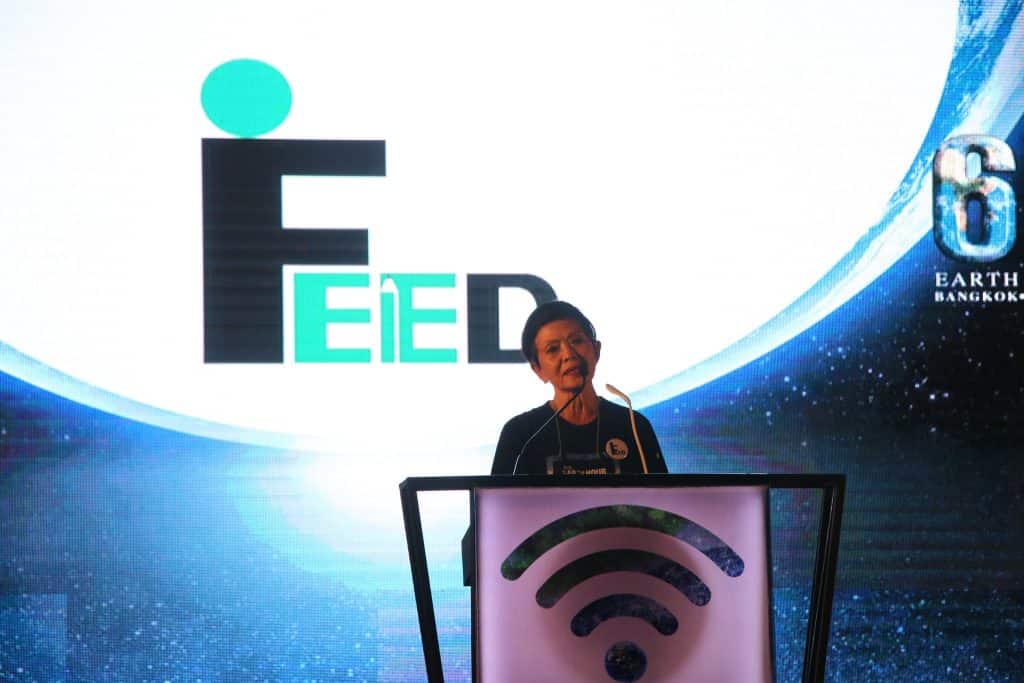
With Dr Chaweewan Hutacharern as Chairman, the foundation moved forward with a clear focus on making environmental education more practical and accessible. Operating independently, FEED aims to build a future where people and nature can exist in balance. Through nature-based learning, it hopes to equip younger generations with the awareness and mindset needed to care for the environment in a practical and lasting way.
For Dr Chaweewan, FEED grew from a simple belief: conservation works best when people step outside and experience nature for themselves. From that belief came the idea of the natural classroom. Not four walls and a whiteboard, but real forests and restored landscapes with living ecosystems. When learners explore, feel a sense of adventure and take action themselves, the experience stays with them. It builds deeper understanding and real environmental awareness.
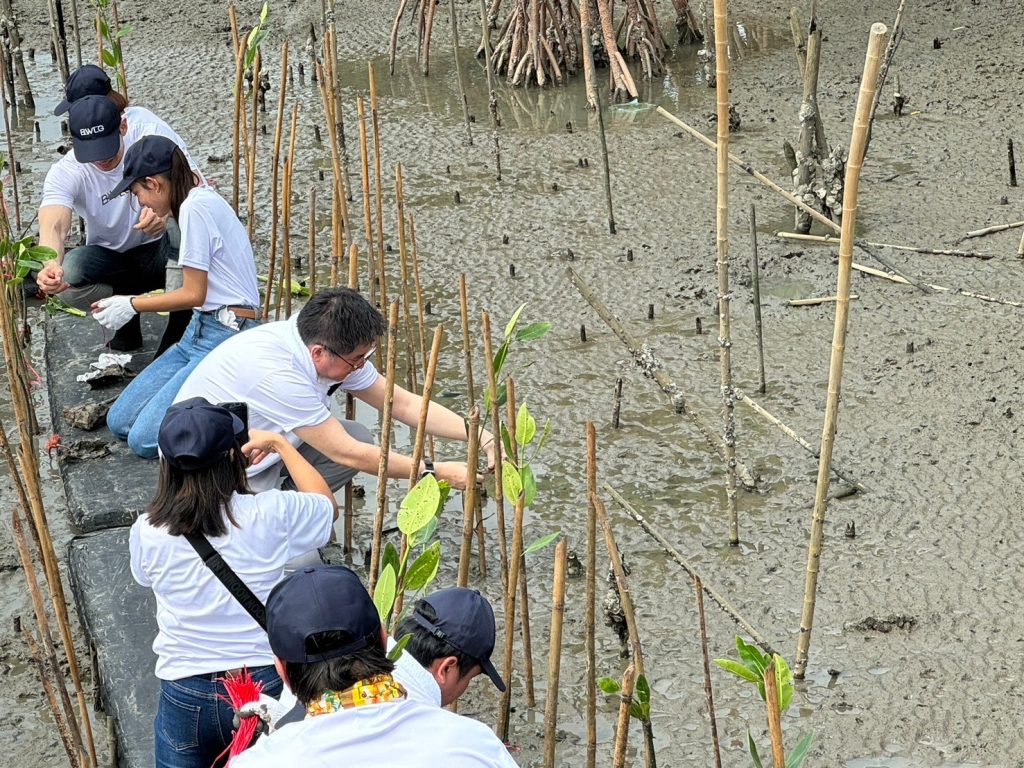
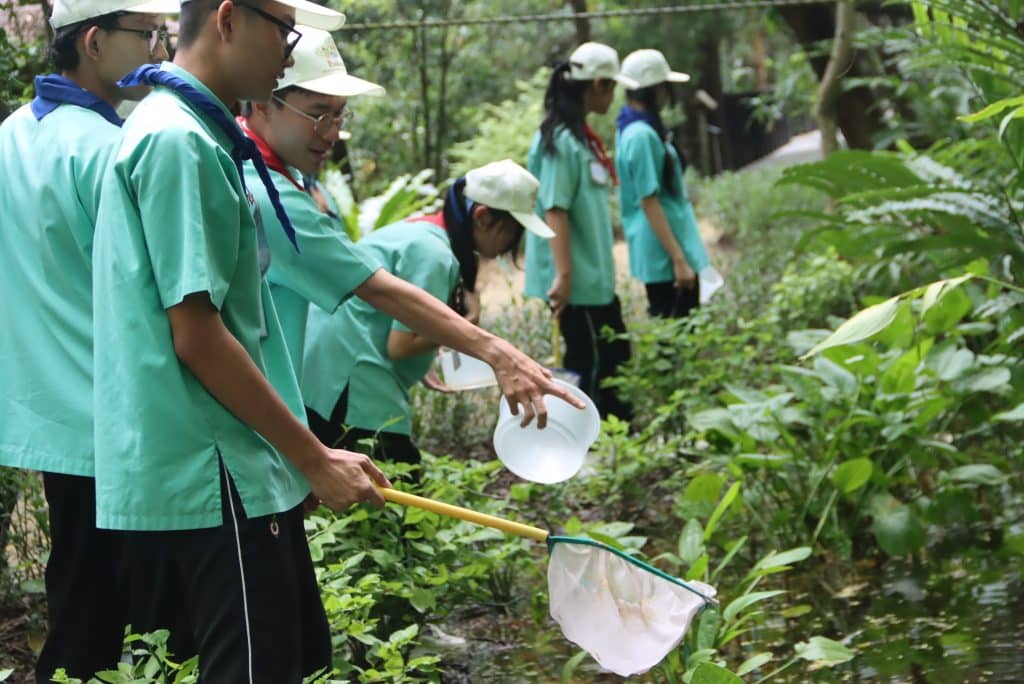
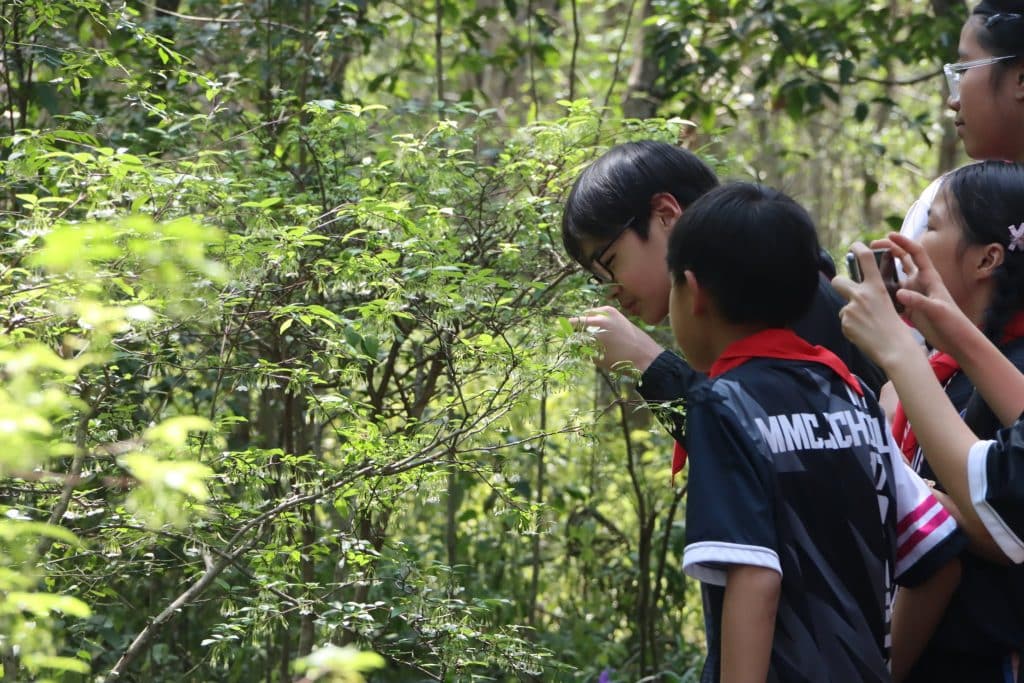
Dr Chaweewan’s vision first took shape, starting with BNEC, with an aim to restore the mangrove ecosystem in an area affected by industrial waste and environmental decline. Located near Bangkok, the project also aims to expand green space and strengthen ecological balance. Additionally it can help ease air pollution in the capital and surrounding areas while restoring ecological balance and reducing coastal erosion.
Activities there include the Bang Pakong Mangrove Youth Camp (BPMYC), where over 80 students and teachers learn about mangrove ecosystems and local conservation. Through the Plant Genetic Conservation Project under the Royal Initiative of HRH Princess Maha Chakri Sirindhorn (RSPG), FEED also works with the Royal Thai Army at Bangpu to train vocational students in surveying mangrove species and planting trees, linking field study with practical restoration.
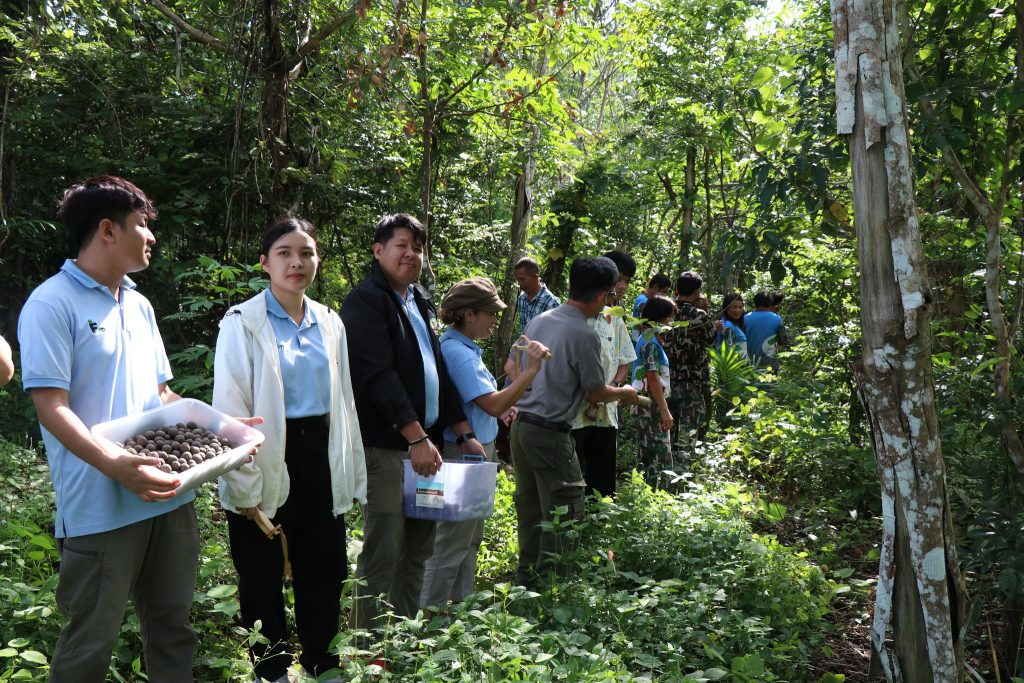
At the Toyota Biodiversity and Sustainability Learning Center, Dr Chaweewan highlights the value of biodiversity and how restoring diverse ecosystems can benefit both the environment and surrounding communities. Land once compacted for factory construction at Toyota Ban Pho in Chachoengsao has since been transformed into an ecological forest and biotope. Environmental education programmes are delivered through youth camps, connecting restoration efforts with hands-on learning.
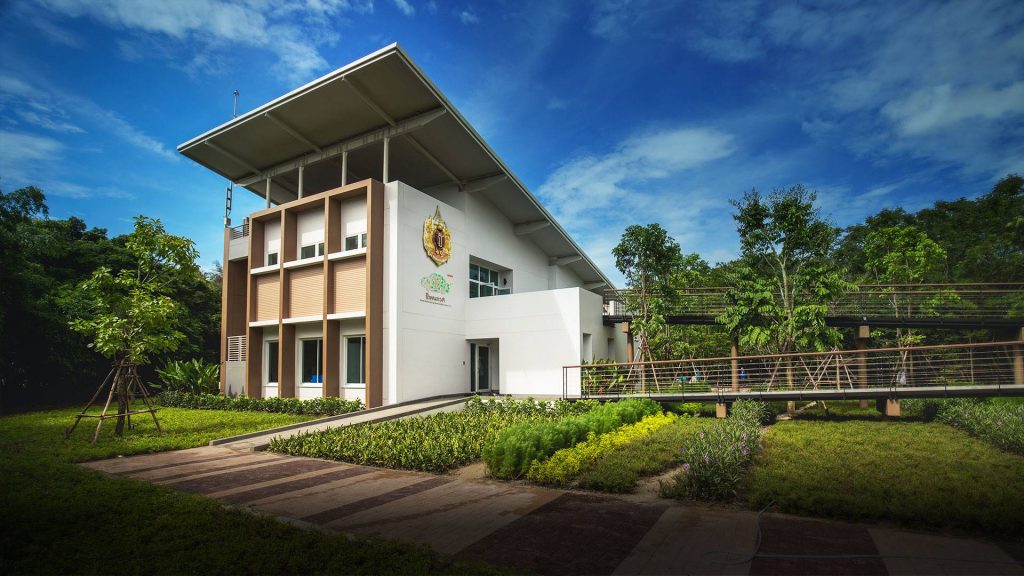
The learning centre is organised into three interconnected zones: the Eco Forest, the Biotope and the Cheewa Panavet Building, home to the Tree of Life exhibition with a focus on developing young people’s awareness and practical commitment to biodiversity conservation.
The Eco Forest has been restored with native species that absorb higher levels of carbon dioxide and are suited to the local landscape. Alongside it the Biotope functions as a habitat and hands-on learning space, a designed man-made ecosystem that supports diverse living species and gradually develops into a balanced natural forest as the trees mature. The Cheewa Panavet Building complements these outdoor areas through interactive exhibitions on royal initiatives related to forest, water and soil.
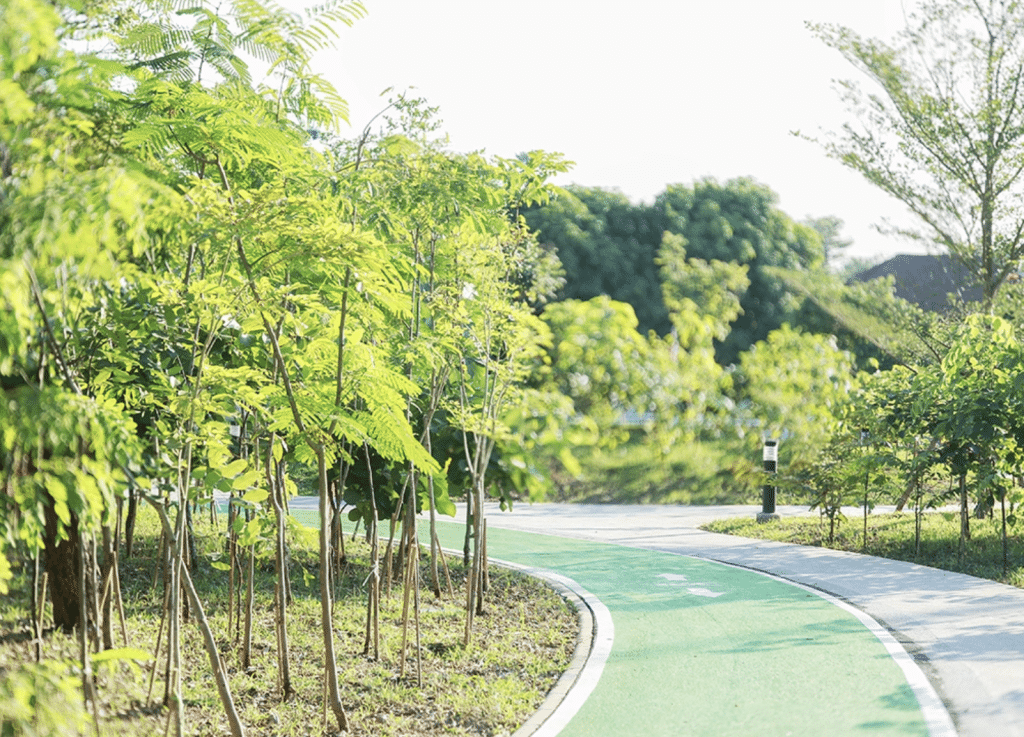
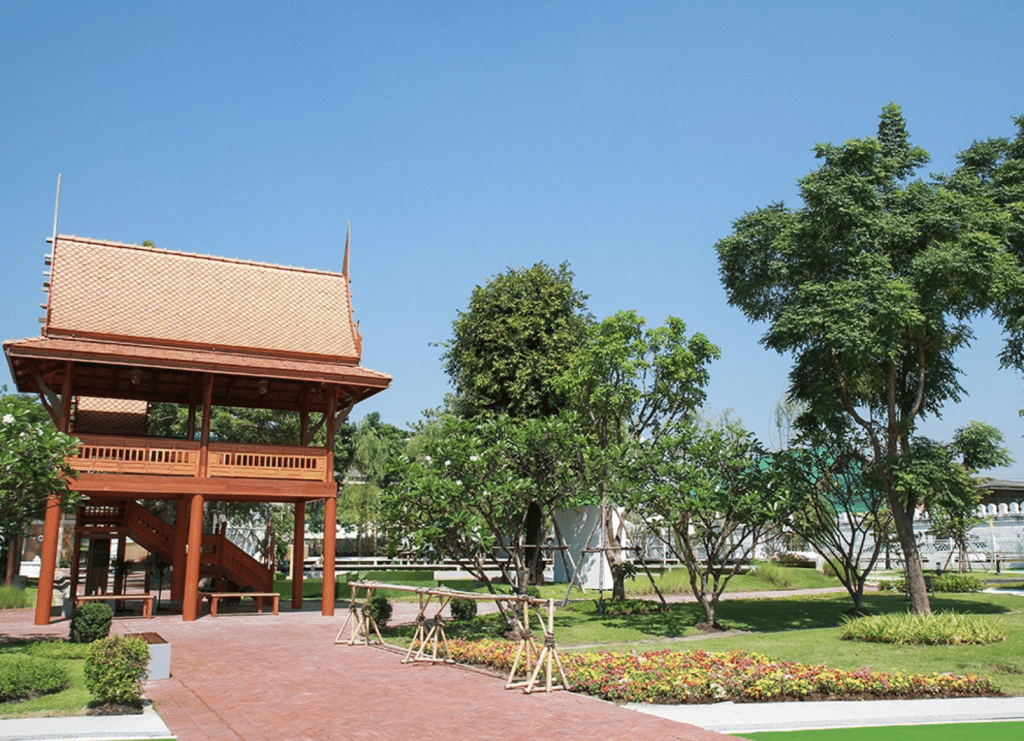
The Toyota City of Green Learning Center reflects Dr Chaweewan’s belief that sustainability should sit at the centre of community life. Developed with the municipality, the former prison site near Hua Ro market was restored into Toyota’s first environmental learning centre outside its factory grounds.
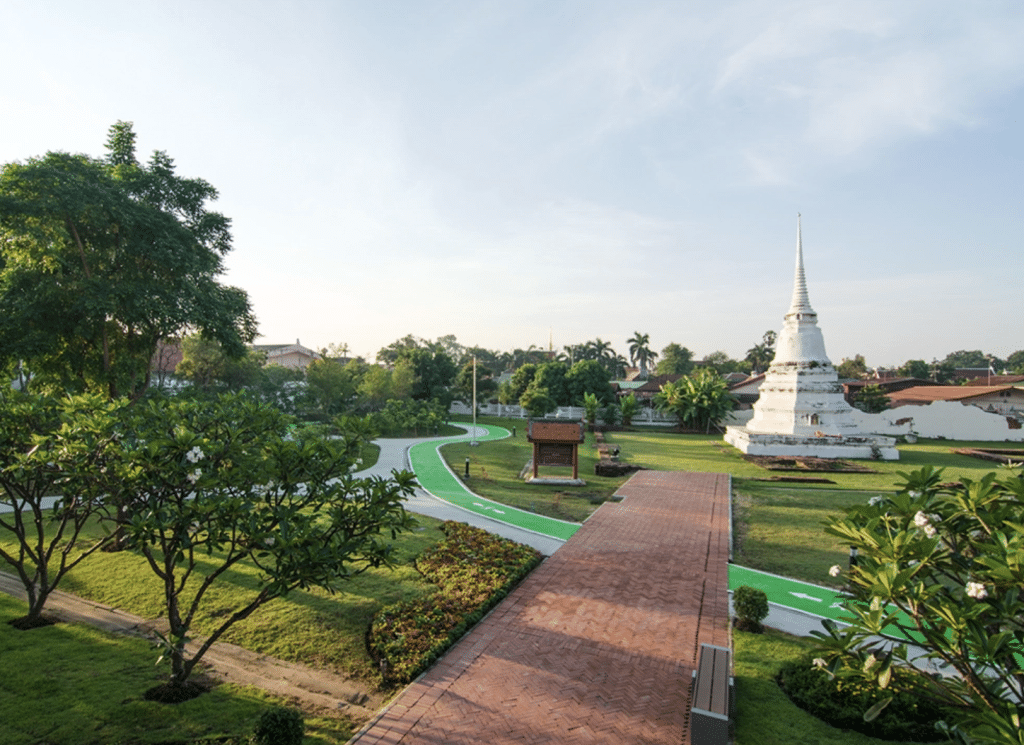
Courtesy of Toyota City of Green Learning Center
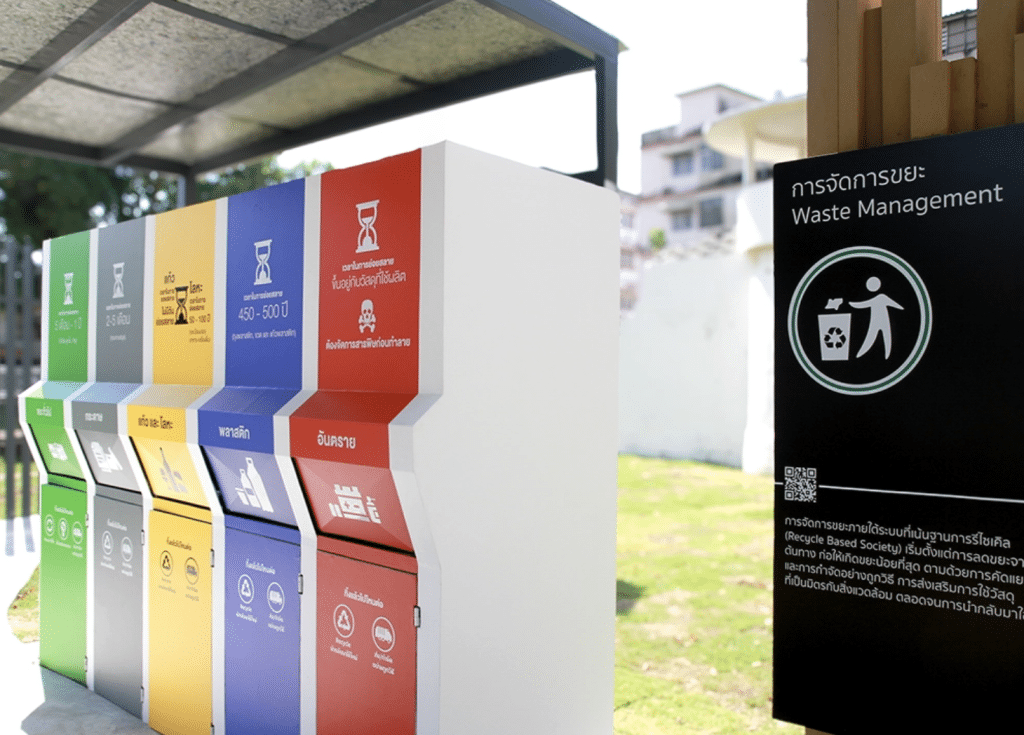
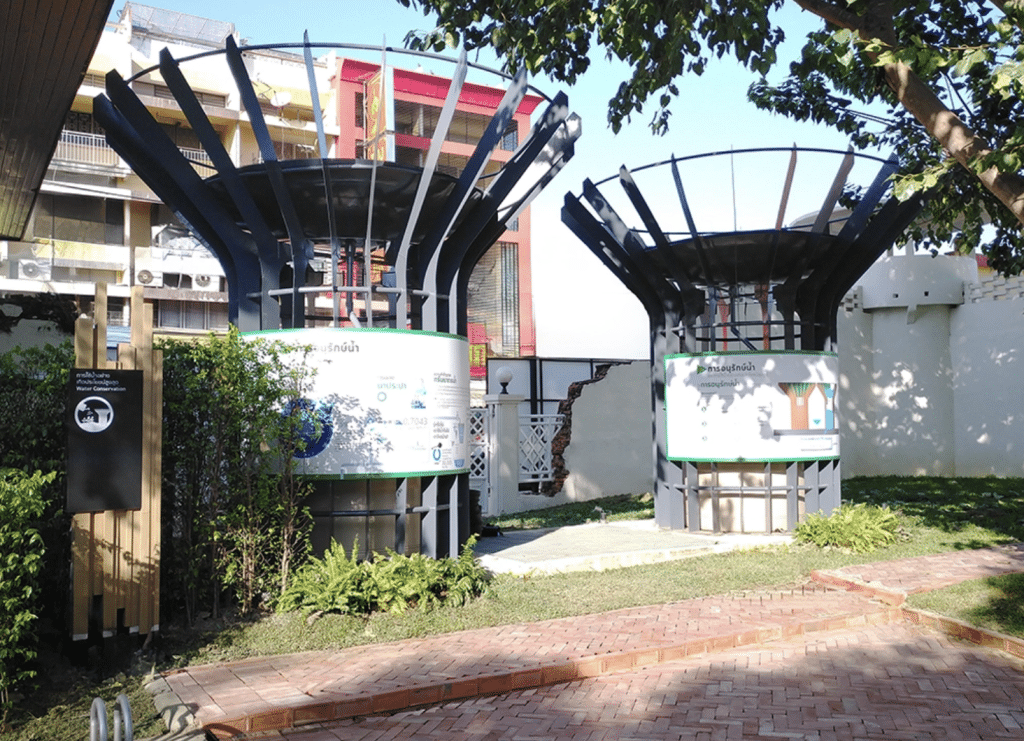
The space demonstrates five key environmental approaches: expanding green areas through dense native forest planting, conserving and reusing water, promoting low-emission transport including electric and hybrid vehicles, generating solar power with smart energy storage and managing waste through reduction and recycling.
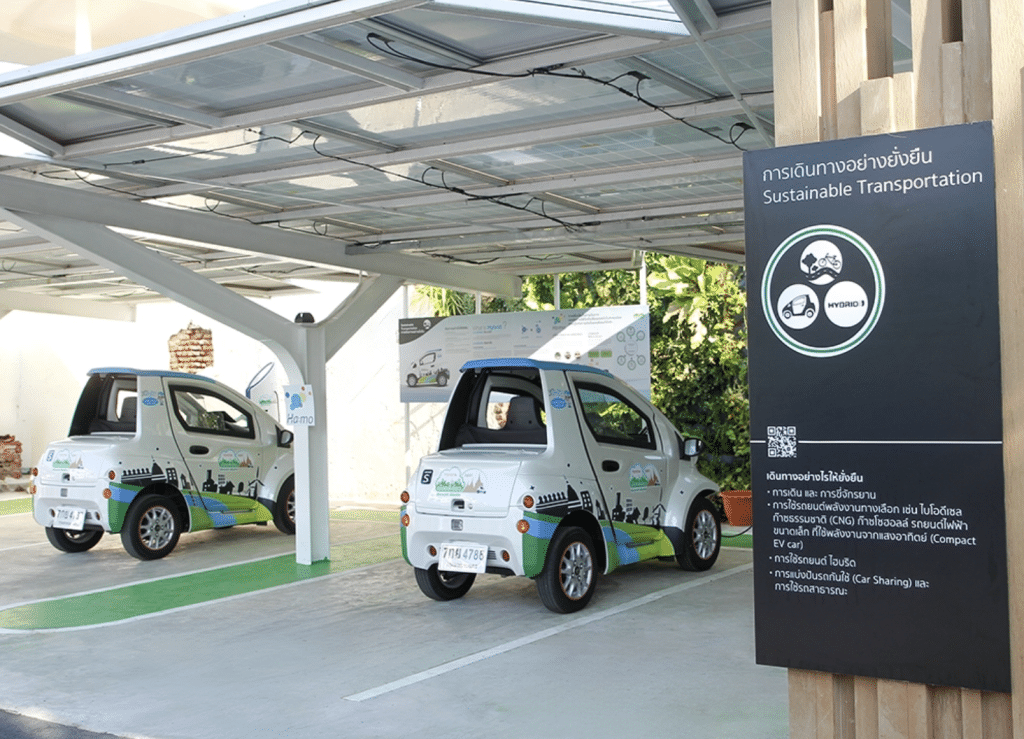
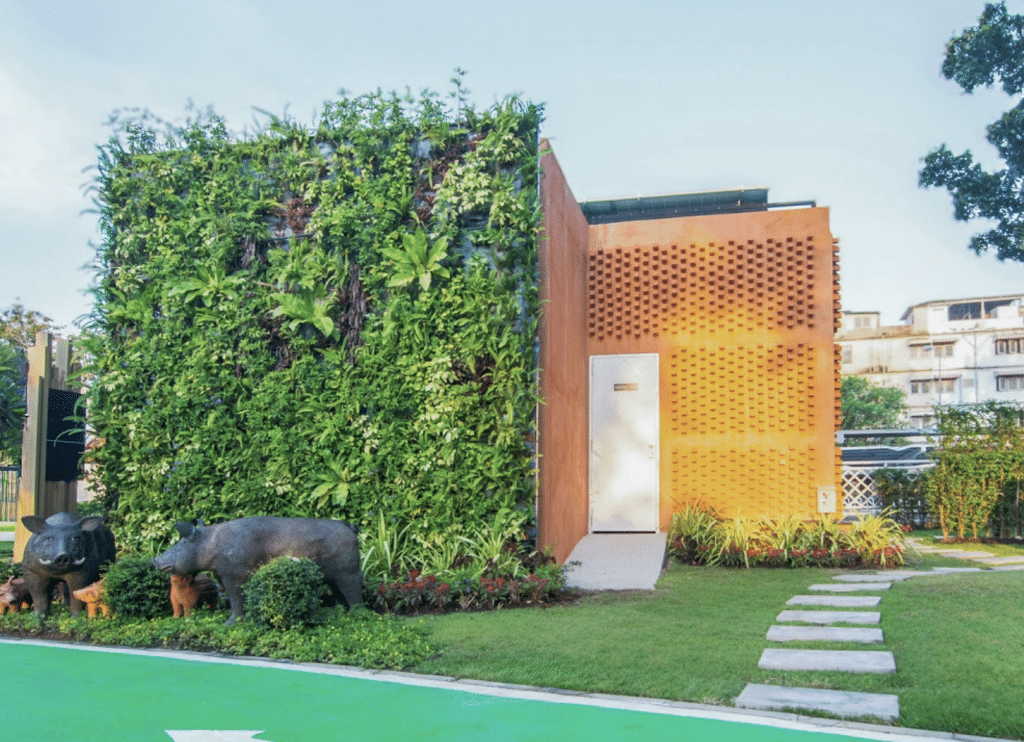
Courtesy of Toyota City of Green Learning Center
Through her advocacy for sustainable living and active community involvement, Dr Chaweewan brings together research, learning and real-world practice. Her commitment encourages shared responsibility and drives meaningful progress towards a future where people and nature exist in balance.
From haunting folklore to modern urban horror, here are 10 Thai horror ...

Wandering around the globe, try out the signature tastes of cultures across ...

In Emerald Fennell’s adaptation of Wuthering Heights, colour is not decorative. It ...
Vive le cinéma! Apichatpong “Joe” Weerasethakul’s upcoming film has been chosen as ...

Inside River City Bangkok, a thousand worlds emerge through art, antiques, architecture, ...

These top 5 barber shops in Bangkok are where gentlemen can elevate ...
Wee use cookies to deliver your best experience on our website. By using our website, you consent to our cookies in accordance with our cookies policy and privacy policy


