
Performances
Milli Serves Mango Sticky Rice Energy on Show Me the Money 12
Milli has made history as the first international female artist to reach ...


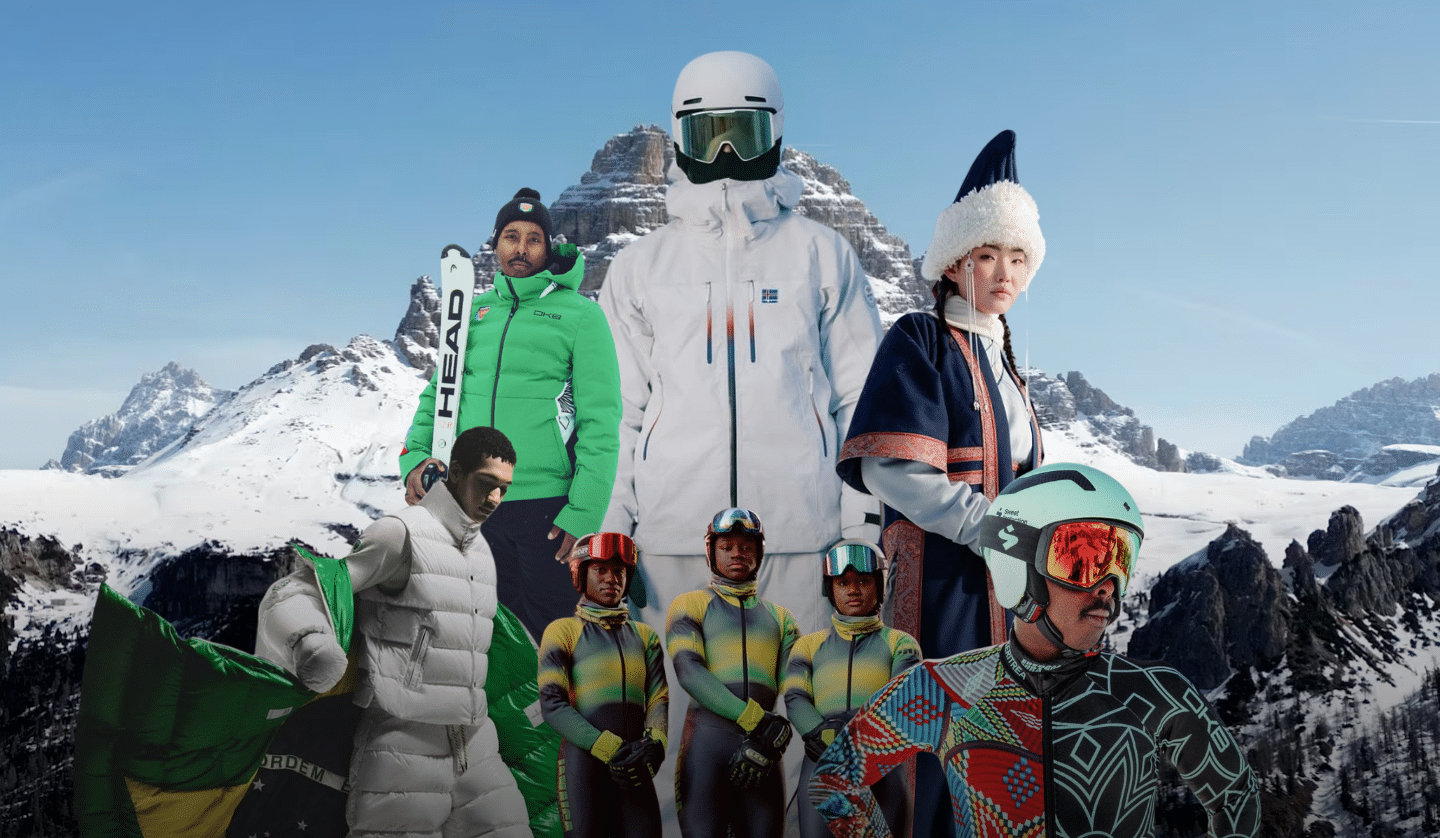
The 2026 Winter Olympics in Milan and Cortina d’Ampezzo are wrapping up and sure, the athletes understand their purpose and why they are there. But let’s be real for a second here, the outfits were competing just as hard as the downhill skiers and the figure skaters.
There’s a simple strategy at play: if you can’t snag gold at least stun in press photos. After all, this is Italy, the birthplace of Armani, Gucci and other world-renowned fashion houses. At the XXV Winter Olympic Games (that’s their official name), athleticism may lead the way but style isn’t far behind.
Speed and power get the enthusiastic cheers, but the outfits get the double takes. You simply cannot show up looking all drab and dreary while repping your country on the global stage. Indeed, a country’s heritage can absolutely be expressed through what it wears, the point at which national pride meets sartorial creativity. Koktail spotlights looks that aren’t just pretty and photogenic, but also rooted in cultural identity and tradition.
It feels only fitting to begin with the host. At the opening ceremony, Armani paid tribute to Italy by drawing on its national tricolore: green, white and red. Models dressed in Armani suits filed out in carefully arranged rows, creating a pointillist display that, when viewed from above, formed the image of the Italian flag.
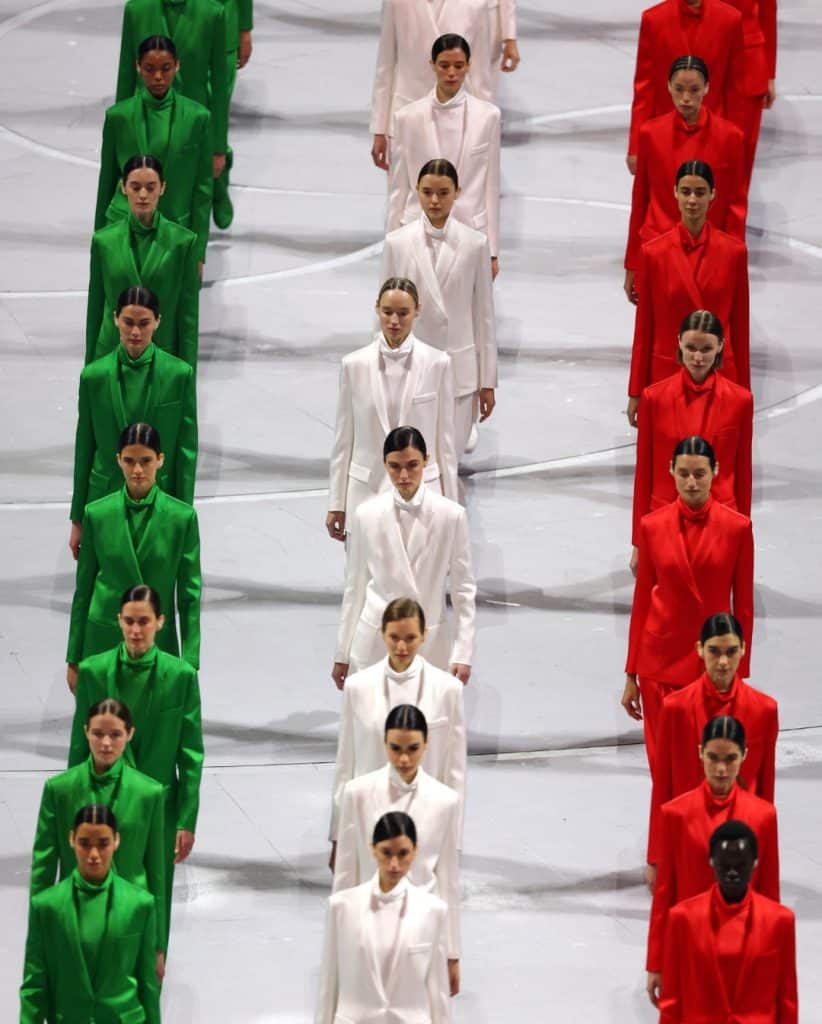
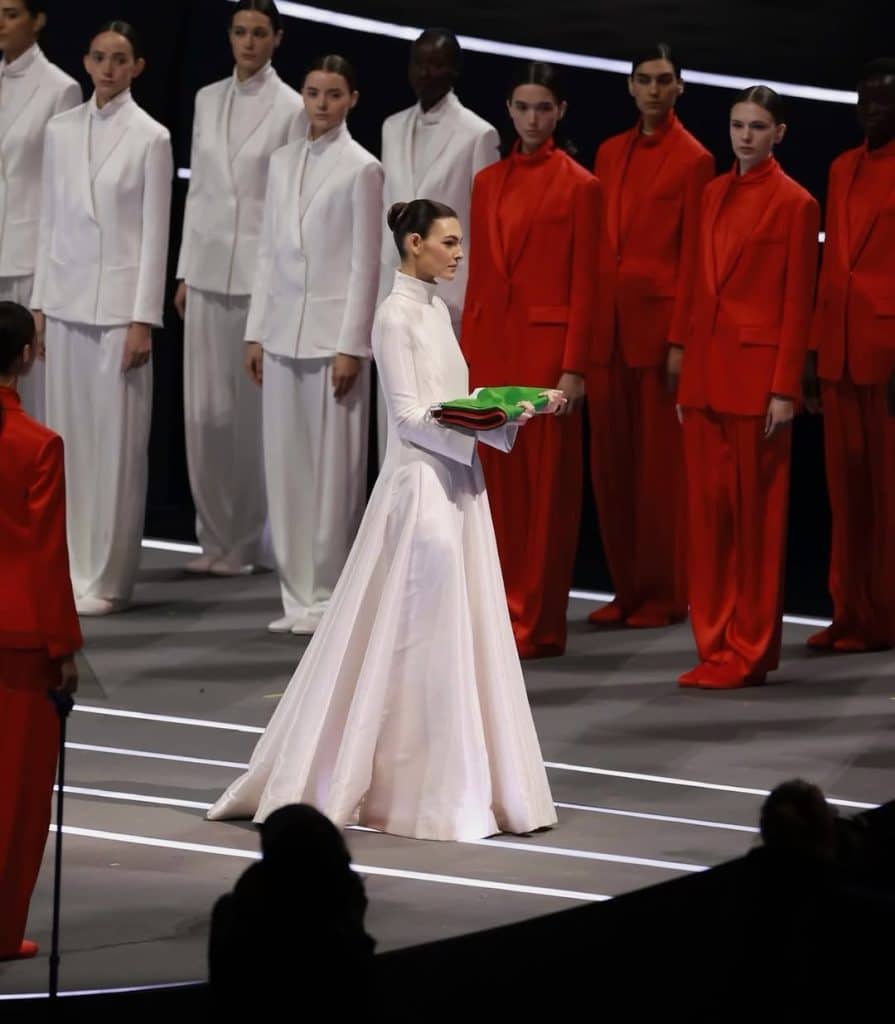
Supermodel Vittoria Ceretti gracefully carried the physical flag while parting the sea of striking colours. While a tribute to Italy, the display was also in honour of the late fashion designer Giorgio Armani, who passed away last year. A towering figure in fashion, Armani helped position Italy at the forefront of global high fashion, shaping its identity as a centre of elegance and refined design.
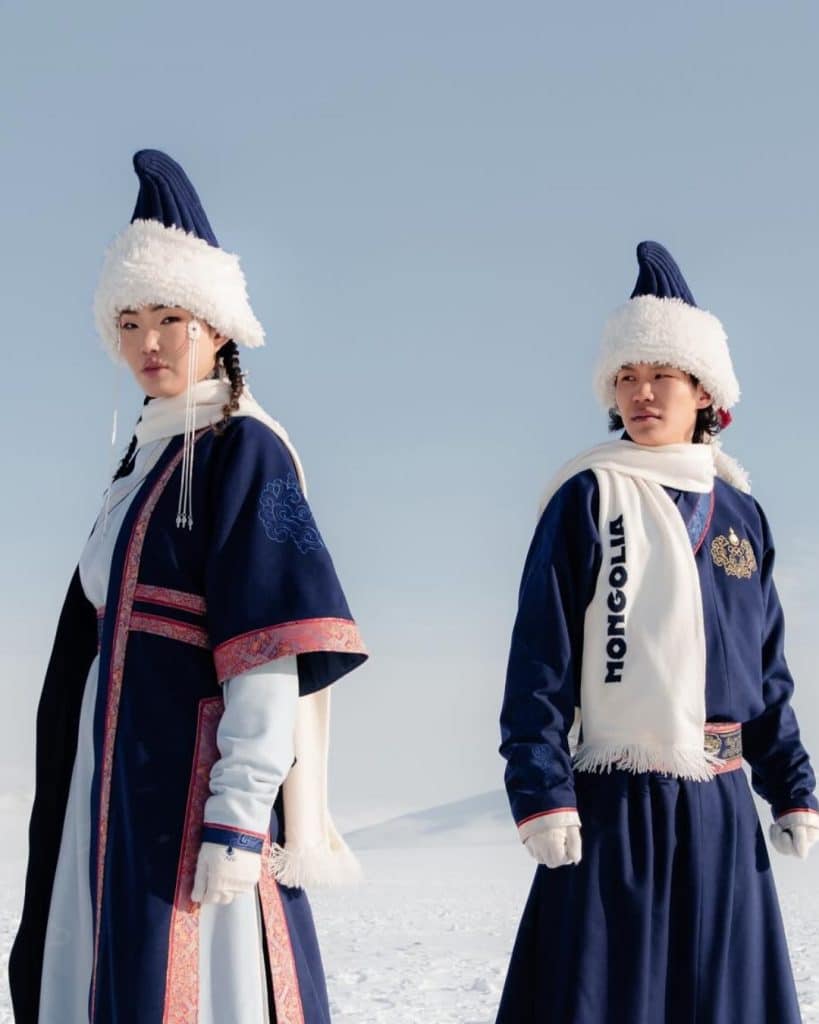
Team Mongolia’s uniforms have captivated the online world, generating excitement around a design steeped in the cultural history of Mongolian garments. Nomadic in spirit but reimagined with a sleek contemporary finish, the traditional uniforms are made from Mongolian cashmere, practical yet aesthetically powerful.
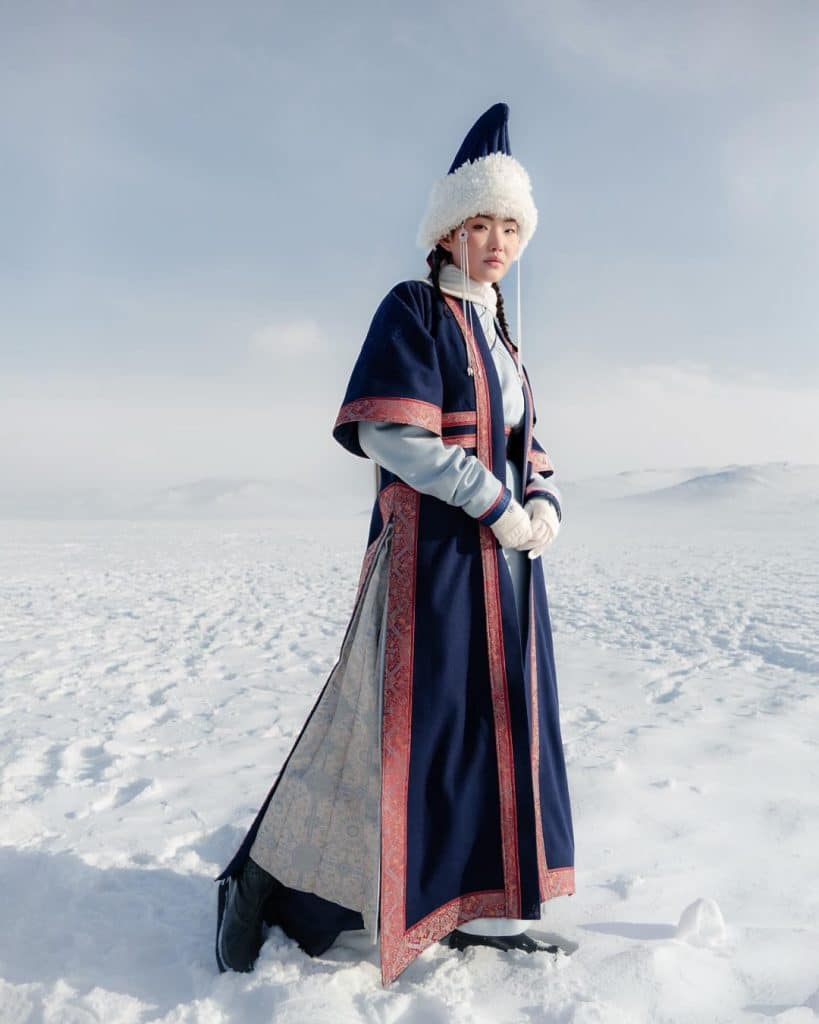
Featuring silk embroidery along the sleeve edges, the reimagined deel overcoats honour the nation’s heritage through a fluid silhouette designed to let the wind pass effortlessly, an aerodynamically conscious approach that uses one of the classical elements to enhance its structural beauty.
Team Brazil fully embraces a winter-ready aesthetic, featuring puffer jackets, quilted skirts and even matching padded hats. The outer jacket spreads open like butterfly wings, unveiling the Brazilian flag beneath.
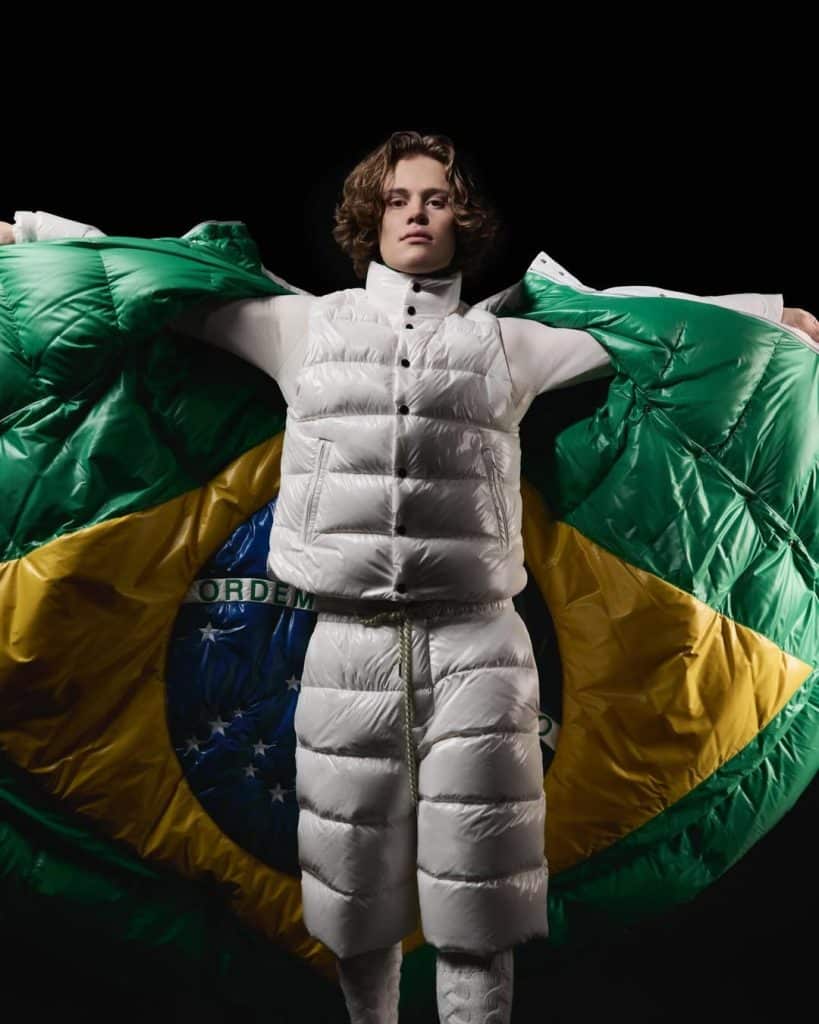
With a glossy insulated finish, the ensemble blends secondary shades of blue and white with the dominant green, creating a well-balanced and cohesive colour palette.
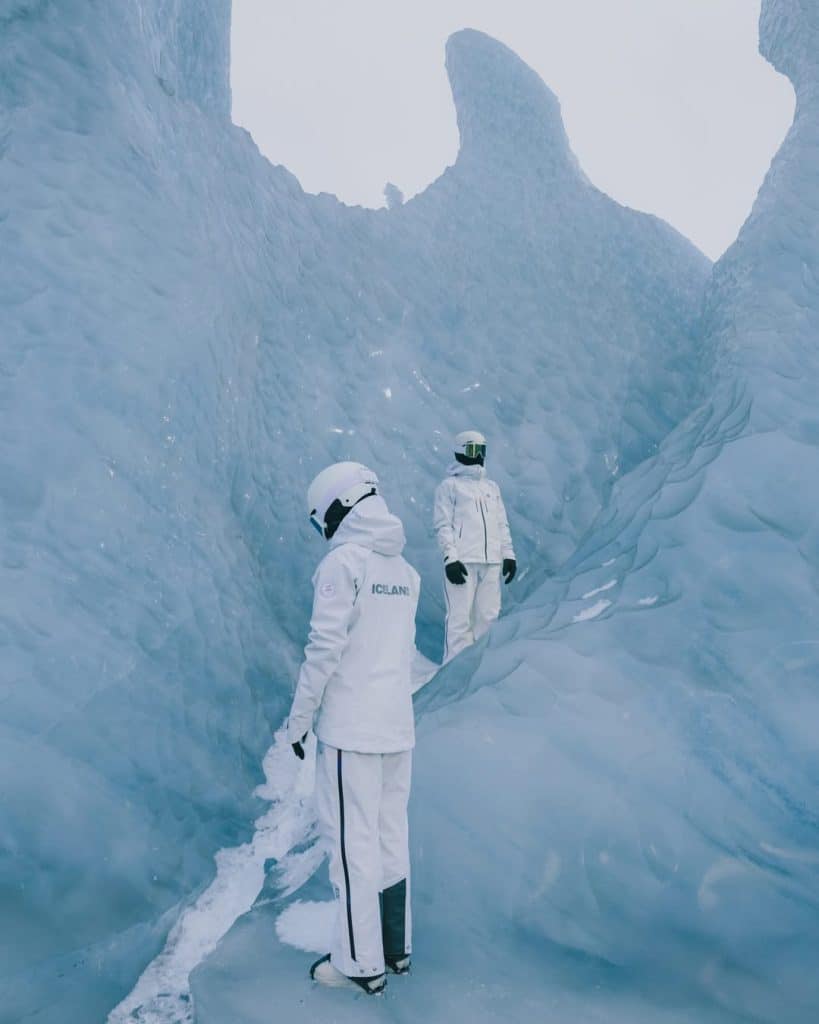
Speaking of the use of secondary colours, Team Iceland elevates the concept with a striking all-white ensemble. The monochromatic look reflects the country’s frigid climate and vast, ice-covered landscapes, capturing the stark beauty of its frozen surroundings.
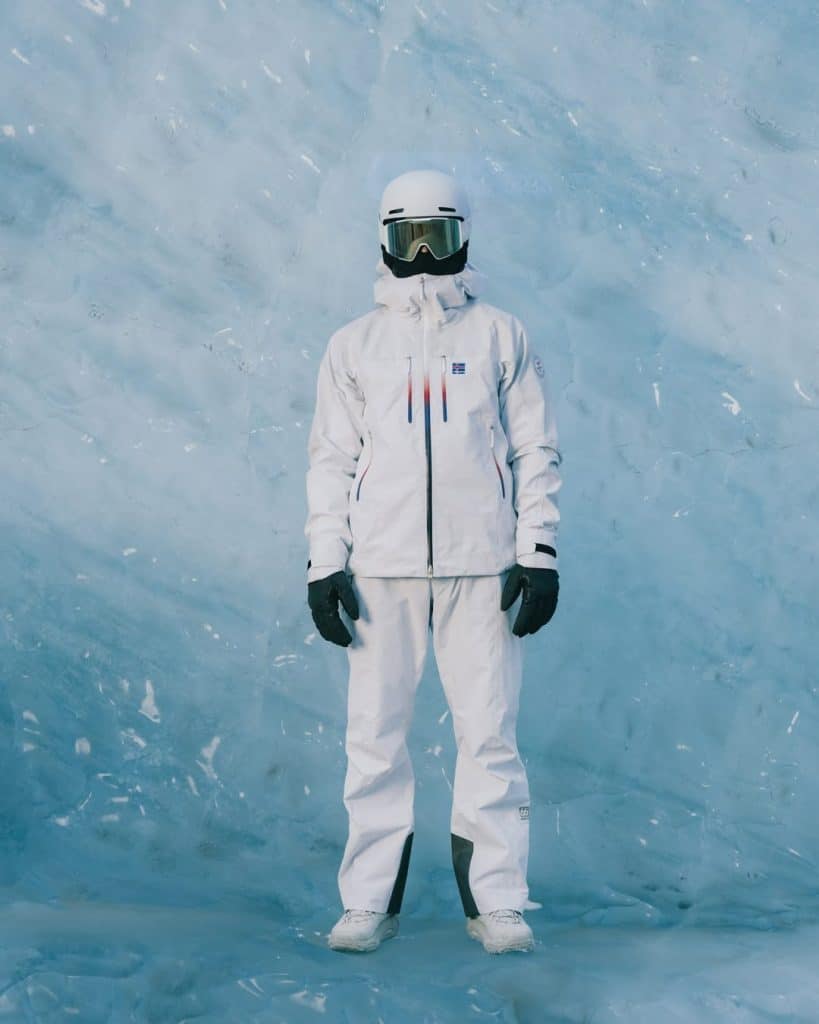
Equipped with oversized goggles and balaclavas to hide their facial features, the athletes look less like competitors and more like they’re about to foil an international plot in a frosty James Bond caper.
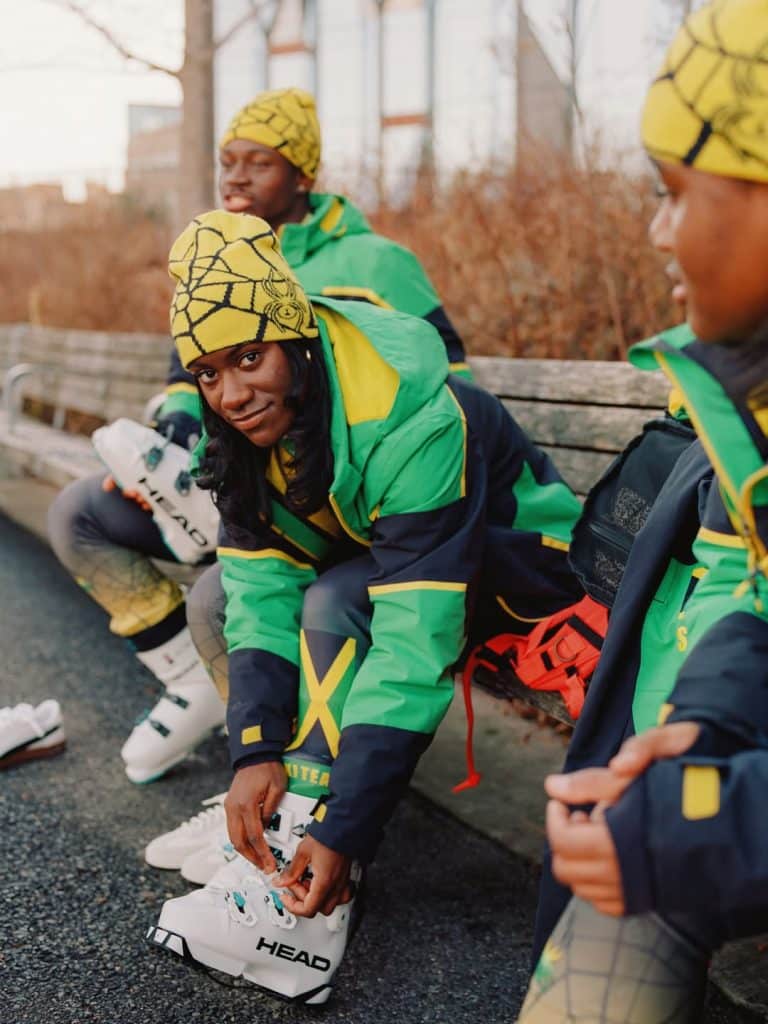
The Jamaican alpine ski team absolutely drips with swag, or whatever the cool kids are calling it these days. Living up to its name, the web motifs are applied with a soft touch: tracing the sleeves, circling the ankles and appearing again on the reversible caps.
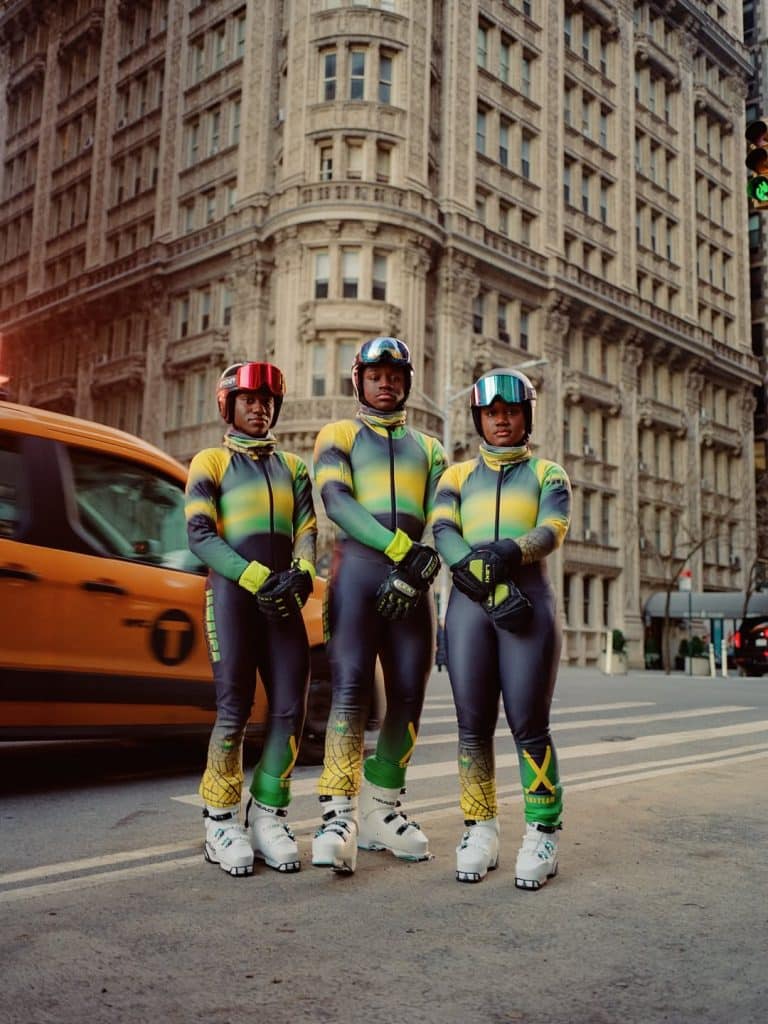
The gradient tones shift from sheer to deep black. The uniforms deliver on performance while remaining eye-catching. The colours of the Jamaican flag are blurred to reflect the country’s diversity, Out of Many, One People, as the national motto goes.
Though designed by an Italian label, Shannon Ognai-Abeda’s ski suit stands out as one of the most inventive looks of the Olympics. It sidesteps the usual choice between vibrant colour and strict monochrome, instead splitting the difference (quite literally) down the middle.
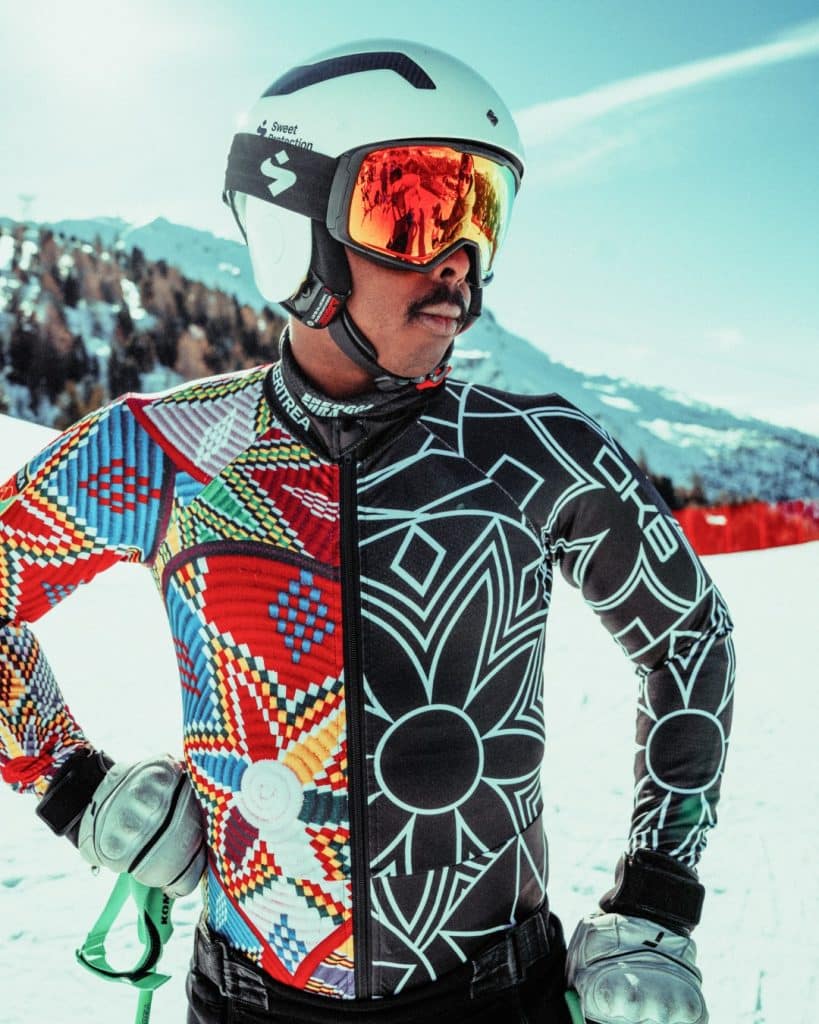
Floral elements are scattered across both halves, embracing contrast in a way that mirrors the fearless character of Eritrea, a nation less familiar to many but unwavering in its pride.
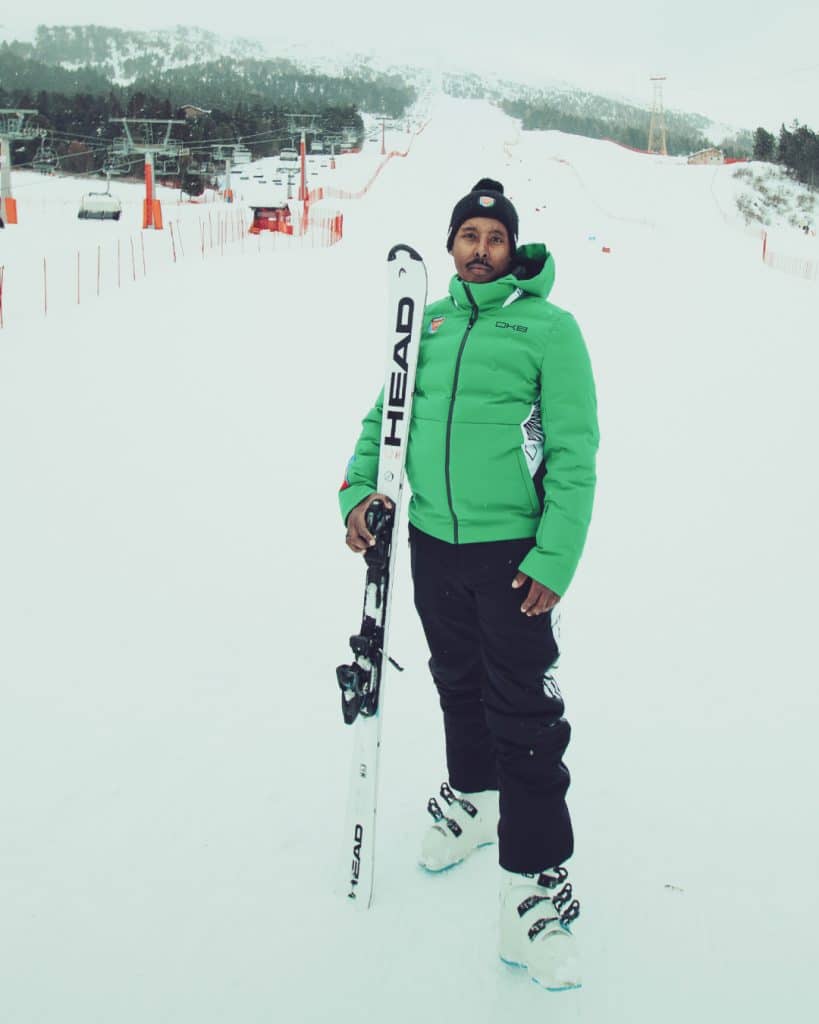
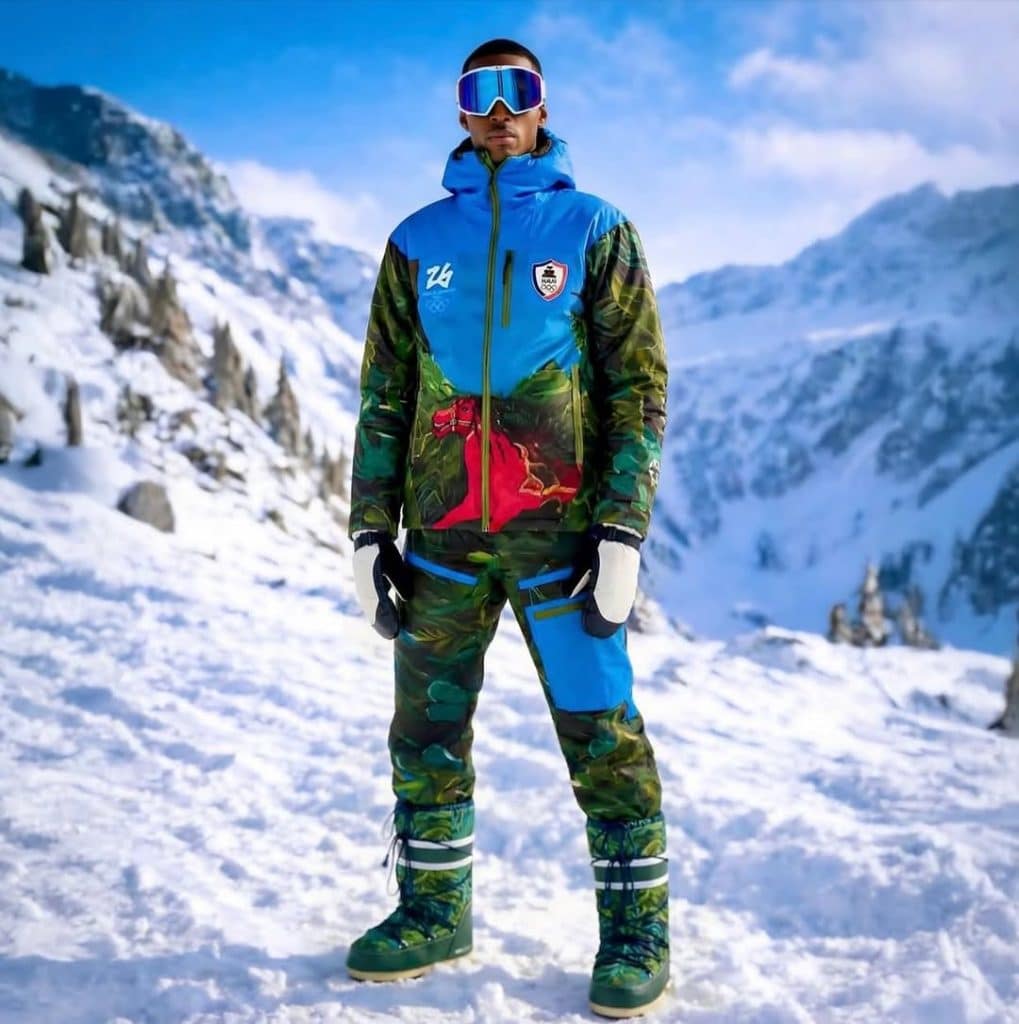
Haiti’s cultural and political legacy runs deep, and its uniforms mirror that richness. The original uniforms incorporated Edouard Duval-Carrié’s depiction of Toussaint Louverture on horseback, honouring the Haitian Revolution and the nation’s independence. However, Olympic rules prohibit political imagery, so the final design retains the backdrop and the horse, sans Louverture.
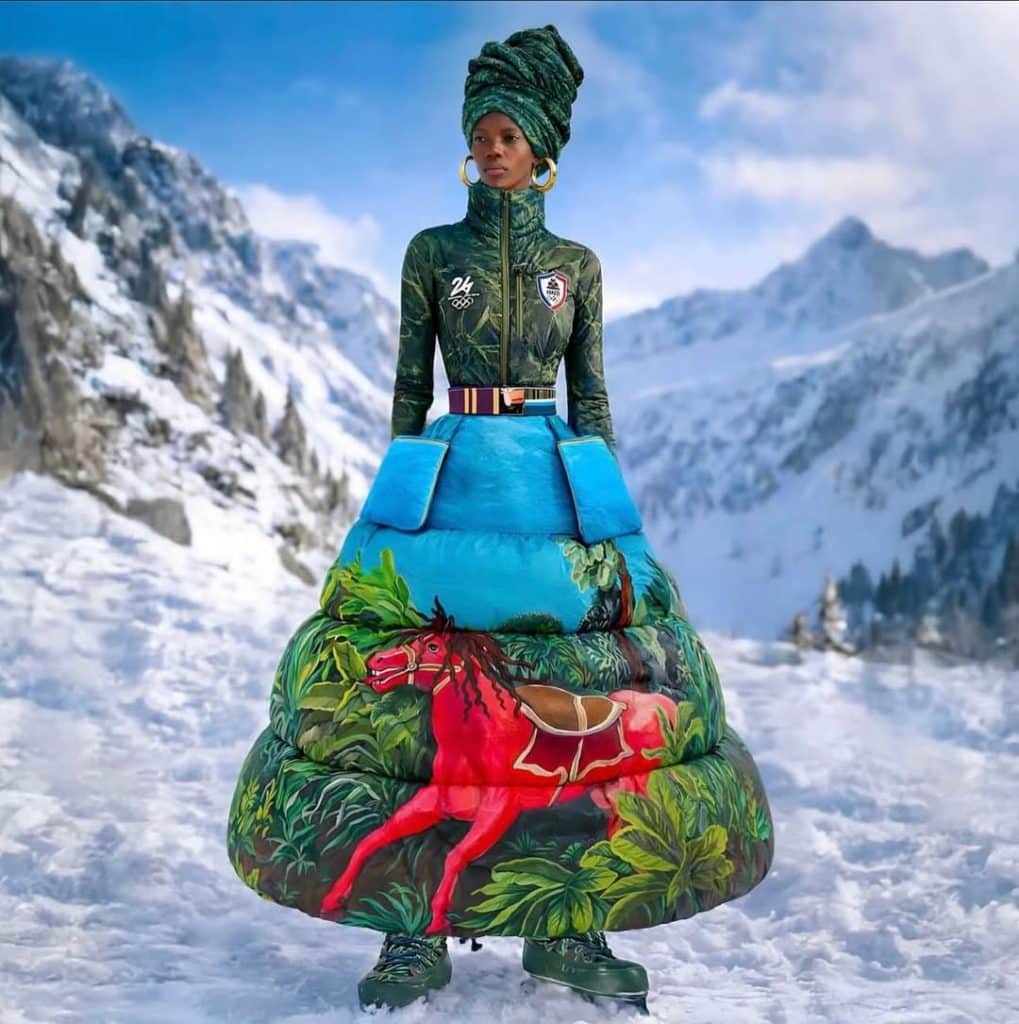
Although the outfits no longer hold the same symbolic weight, the fact that they have been altered at all is political in its own way. In other words, by trying to turn them into an apolitical statement, the committee inadvertently did what it prohibited others from doing.
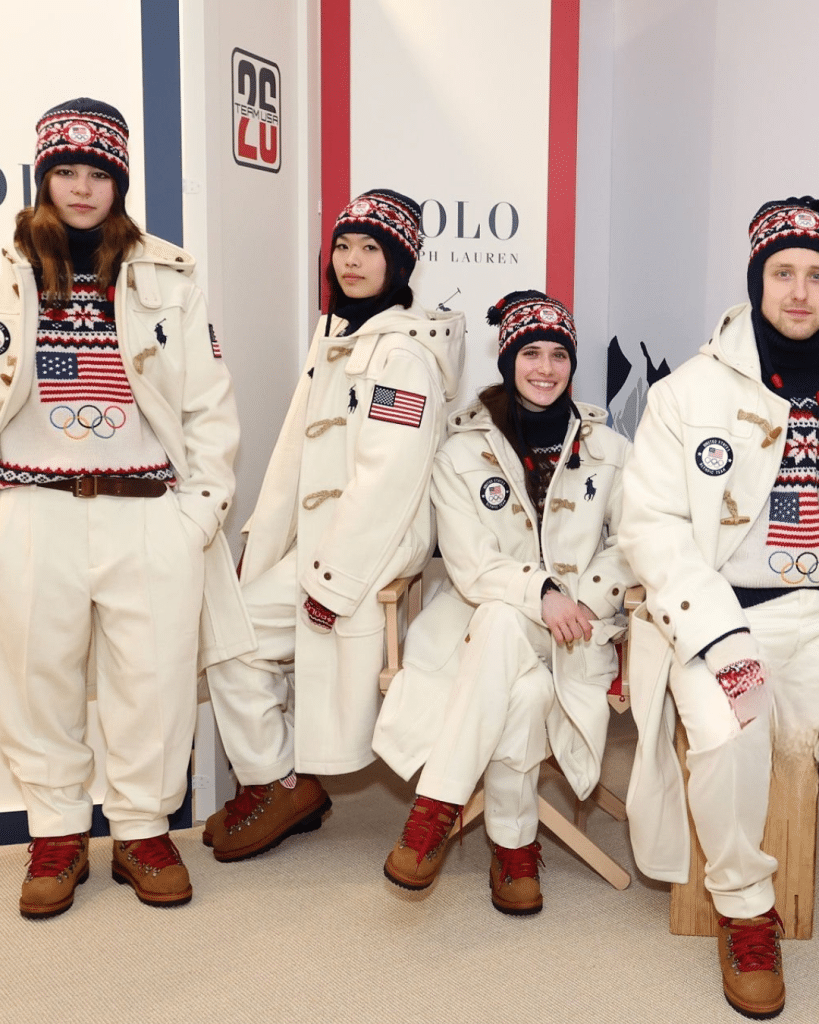
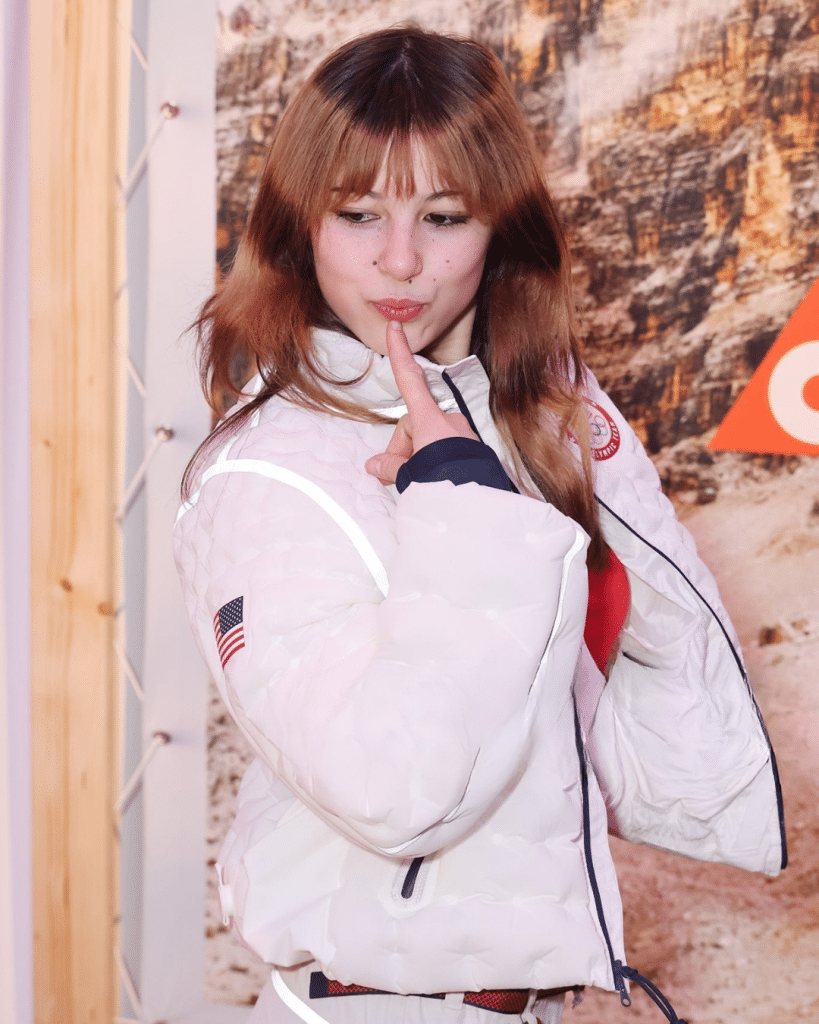
Team USA is leaning fully into patriotism this year, pairing white toggle coats, wool trousers and knitted turtlenecks emblazoned with the stars and stripes. The coats nod to Revolutionary-era style, recalling the period when the Founding Fathers fought Britain for independence. You could easily picture George Washington wearing it.
While not an outfit, Alysa Liu’s “halo” hair deserves an honourable mention. The horizontal streaks of blonde and brunette echo the American flag – without the stars – perhaps by accident rather than design.
Milli has made history as the first international female artist to reach ...
Keep your dining list current with 11 new Bangkok restaurant openings that ...
Another Thai floral goes international. Loewe just dropped its Paula’s Ibiza 2026 ...

Following the success of SCOPE Langsuan, one of Bangkok’s most desirable residences, ...
Wandering around the globe, try out the signature tastes of cultures across ...
These top 5 barber shops in Bangkok are where gentlemen can elevate ...
Wee use cookies to deliver your best experience on our website. By using our website, you consent to our cookies in accordance with our cookies policy and privacy policy


