
Food & Drink
10 Best Gelato Spots to Welcome the Summer Heat
Explore the 10 best gelato spots in Bangkok and nearby cities, where ...


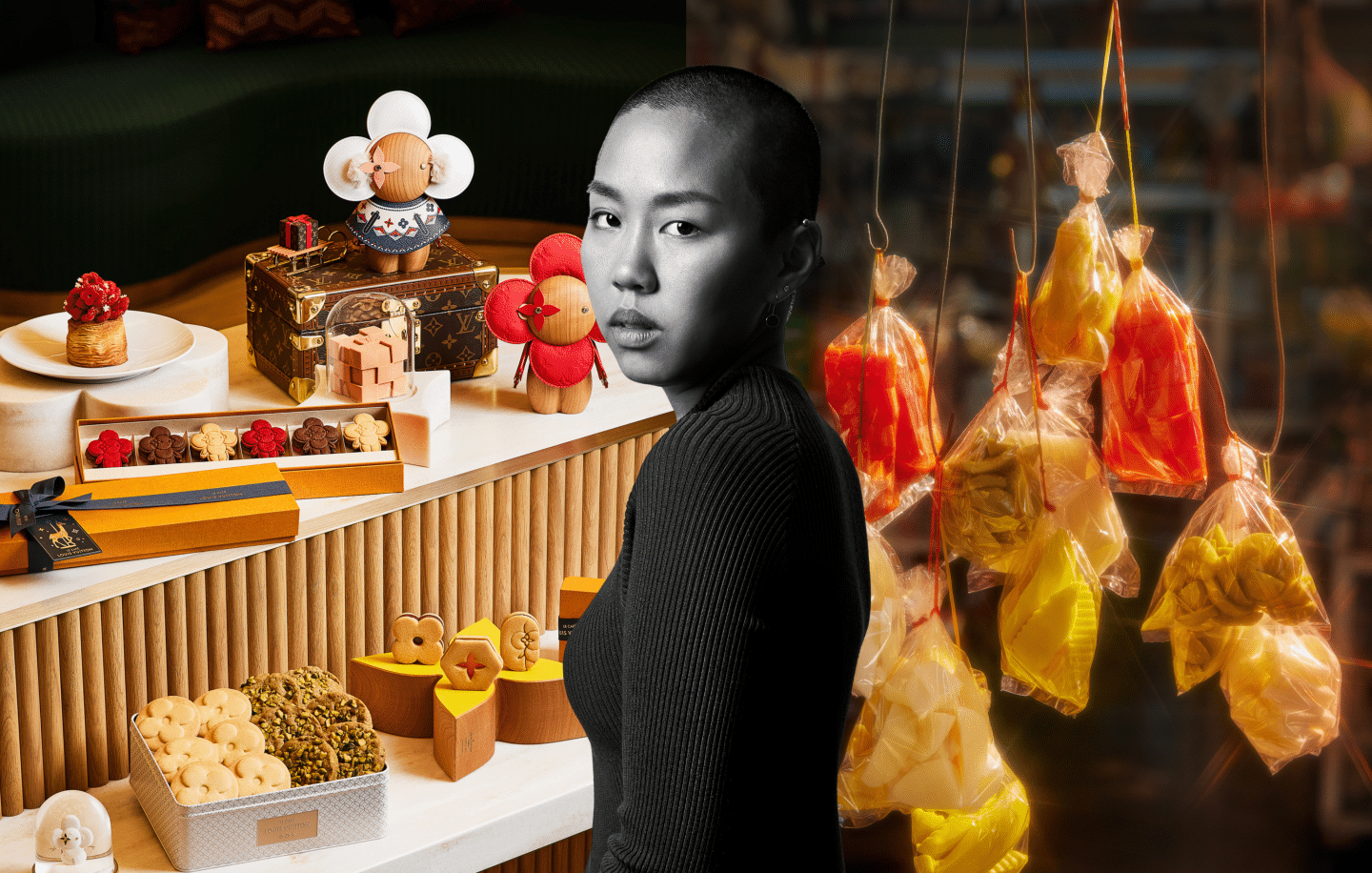
Some visual languages are formed in places, shaped by lived experience and observation rather than geography alone. Working within conceptual still life and food photography, the practice sits at the intersection of control and intuition. It calls for attention to detail, patience and an ability to find significance in the everyday.
In this feature, we follow a career where everyday objects become a language of their own. Patcha “Preaw” Kitchaicharoen, a still life photographer, has developed an approach that finds meaning in the everyday. Through arranged objects, food and surfaces, her images explore cultural identity, ritual and the meeting point of tradition and modern life.
“I was first drawn to images as a way of observing and understanding the world around me. Photography became the medium that allowed me to slow down, look closely and translate emotions and memories into something tangible.”
Graduated in Communication Design from Silpakorn University in 2008, Patcha gained an early sensitivity to visual storytelling rooted in observation. She came to photography through curiosity and attention, shaped by periods spent looking rather than searching. Years later, her time at the International Center of Photography in New York refined her technical skills and strengthened a conceptual approach that continues to shape her work.
She moved to Los Angeles to expand her practice and take on new ways of working, and now shuttles between Bangkok and Los Angeles. Moving between these two places has deepened her understanding of cultural differences. This way of working allows her to see her own culture with both distance and intimacy, while staying open to others.
Objects play a central role in her work, especially those tied to Thai and Asian culture. They are used, reused and passed down, which holds emotional weight beyond their function. She photographs them as they are, focusing on their presence and the lives they have moved through. Instead of idealising or distancing them, her images keep things grounded, and allow everyday objects to speak for the people and stories connected to them.
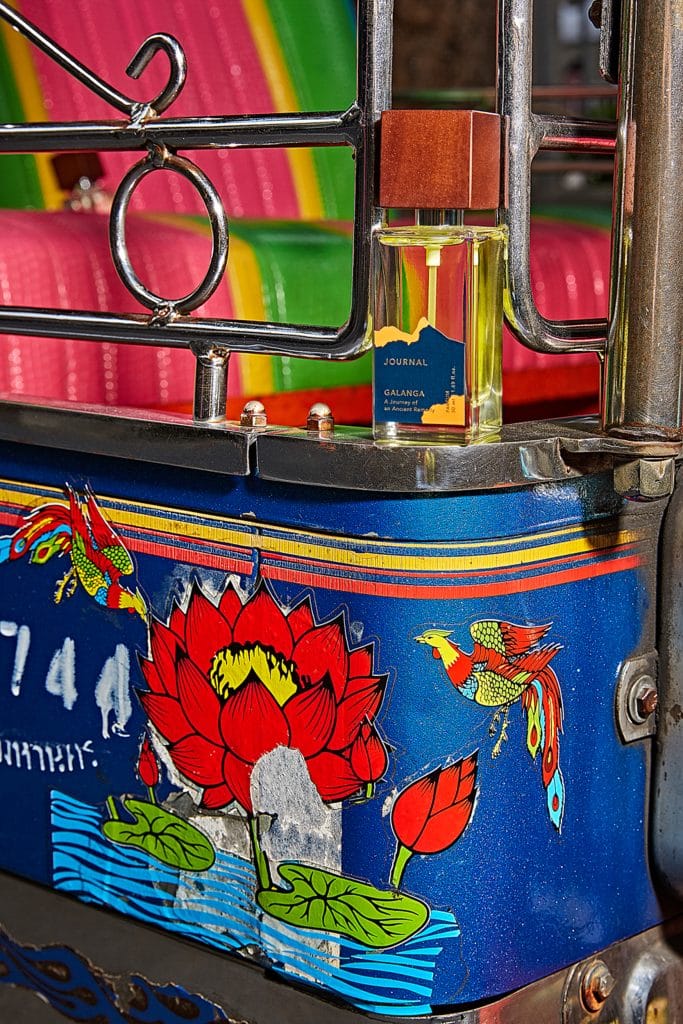
“I usually begin with a concept. I’m a very conceptual person, so the idea sets the foundation of the shoot. From there, colour and light naturally follow and help shape the direction of the image.”
Across her career, Patcha has worked with a wide range of clients, including Louis Vuitton, Puma, Subway and KFC. Her work has been shown internationally at platforms such as Life Framer in New York, Milan and Tokyo, as well as at MOCA Bangkok. In 2017, she received the second prize in Life Framer’s Open Call. Her work brought global attention while helping Thai visual efforts gain wider recognition.
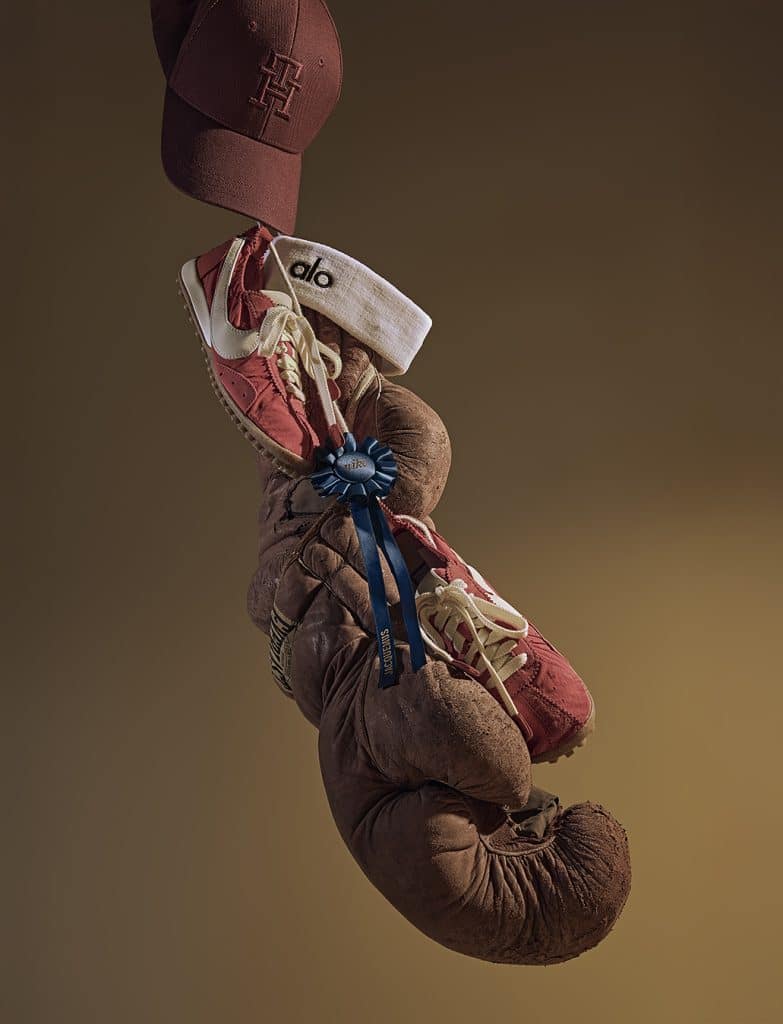
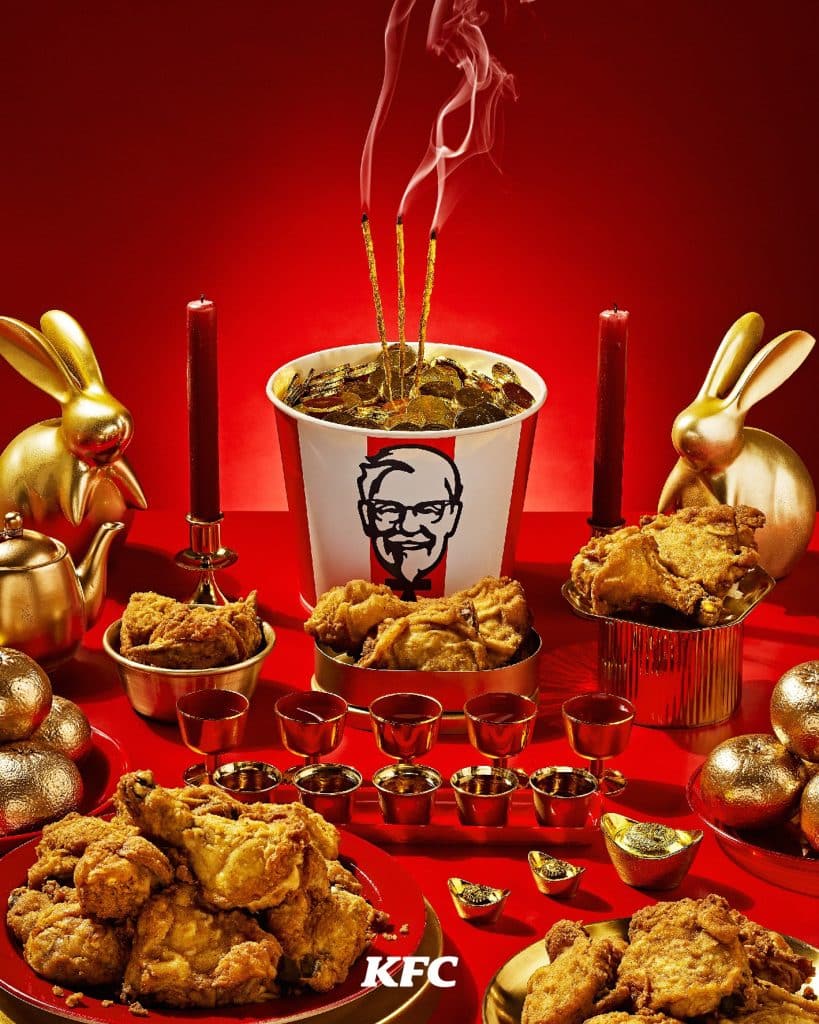
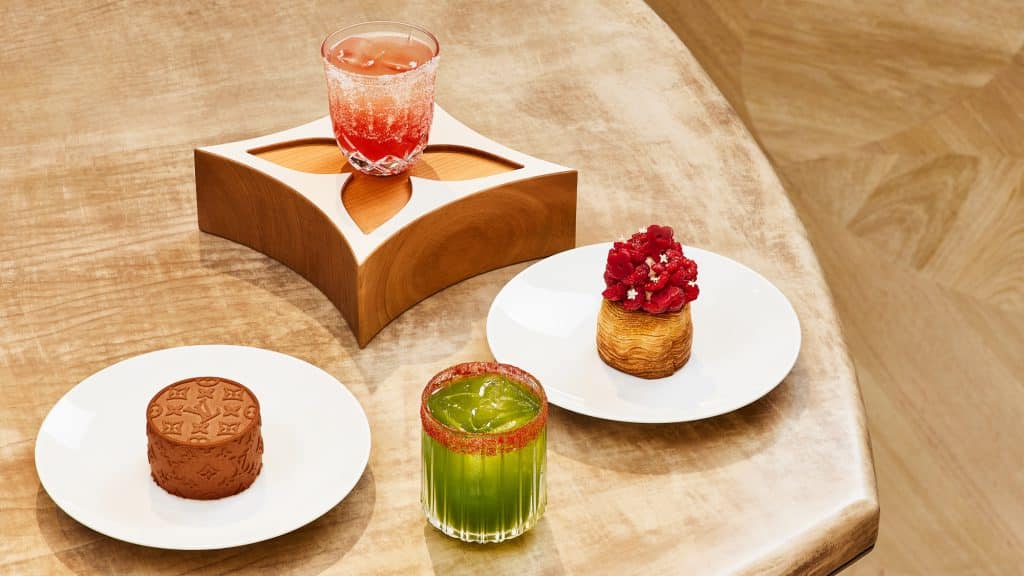
Courtesy of Patcha Kitchaicharoen
“In Thai and Asian culture, objects are rarely just decorative. They are practical, reused, passed down and emotionally charged. By photographing them, I want to honour their role as witnesses to everyday life, rather than present something idealised or distant.”
Each image is built through small gestures and details that point toward culture, memory and the ideas behind the work. She hopes people sit with the images long enough to feel something familiar, while still bringing their own experiences into the frame. The goal is not just to make something look good, but to slow the moment and let emotion and meaning quietly exist.
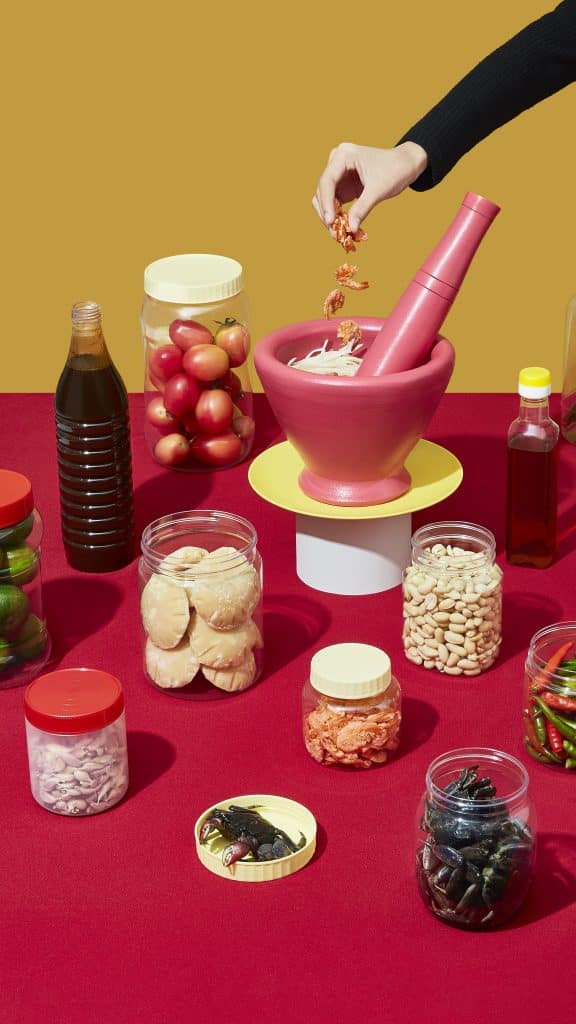
“I would describe my work as intentional, sensory and rooted in memory. I hope viewers first notice the colour, texture and composition, but then feel something quieter underneath.”
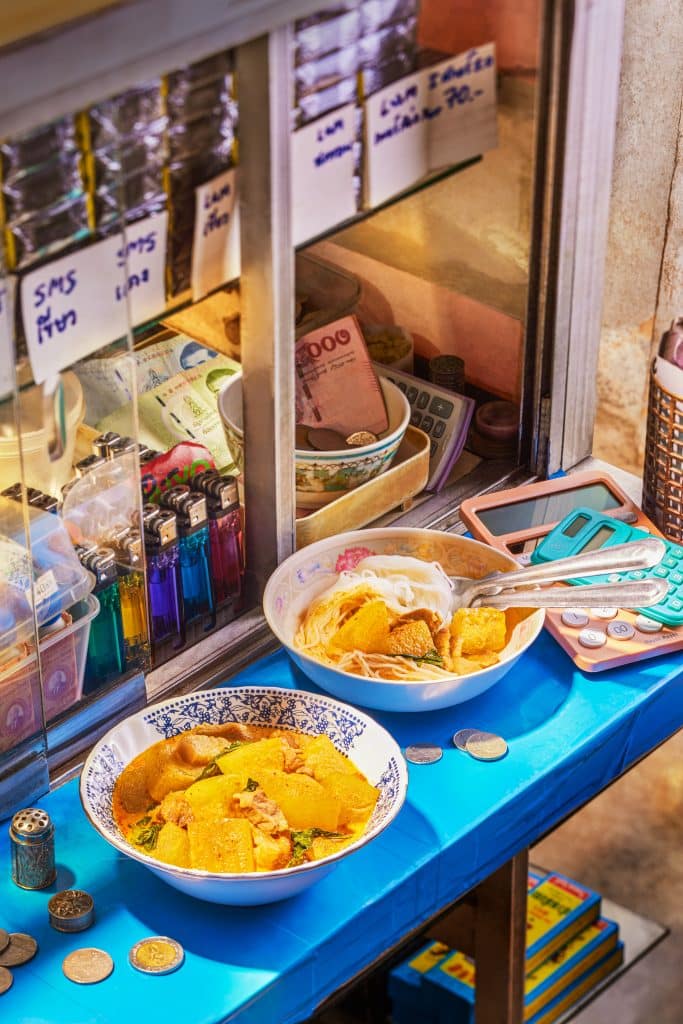
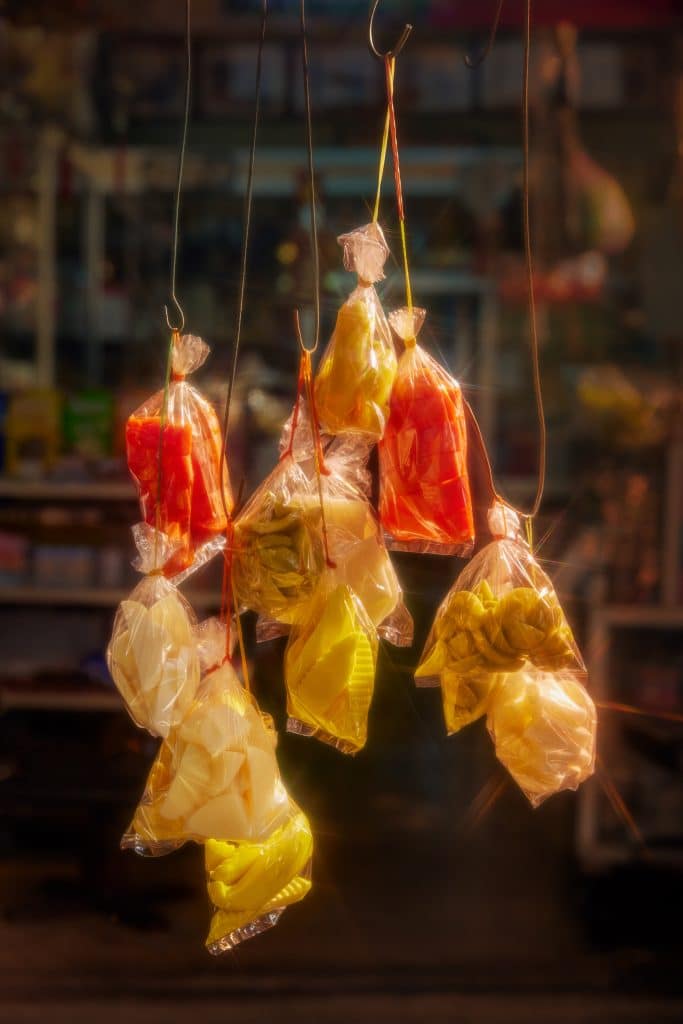
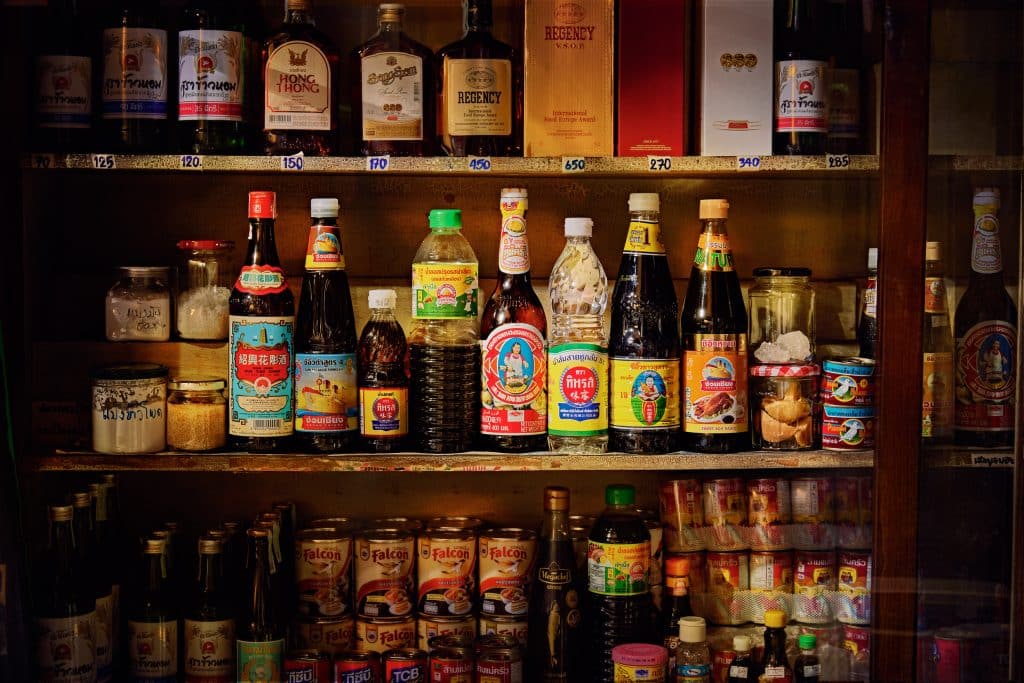
One project sits closest to her heart. My Arma takes the form of a cookbook–photobook centred on her grandmother and began from fear. Fear of loss, of recipes disappearing and of stories fading with time. What started as a personal act soon became a way to understand her grandmother’s life, her labour and the community around her. The project moved beyond family into a wider reflection on cultural loss, migration and the quiet work carried by women. Food becomes a way to speak about dignity, memory and preservation rather than taste alone.
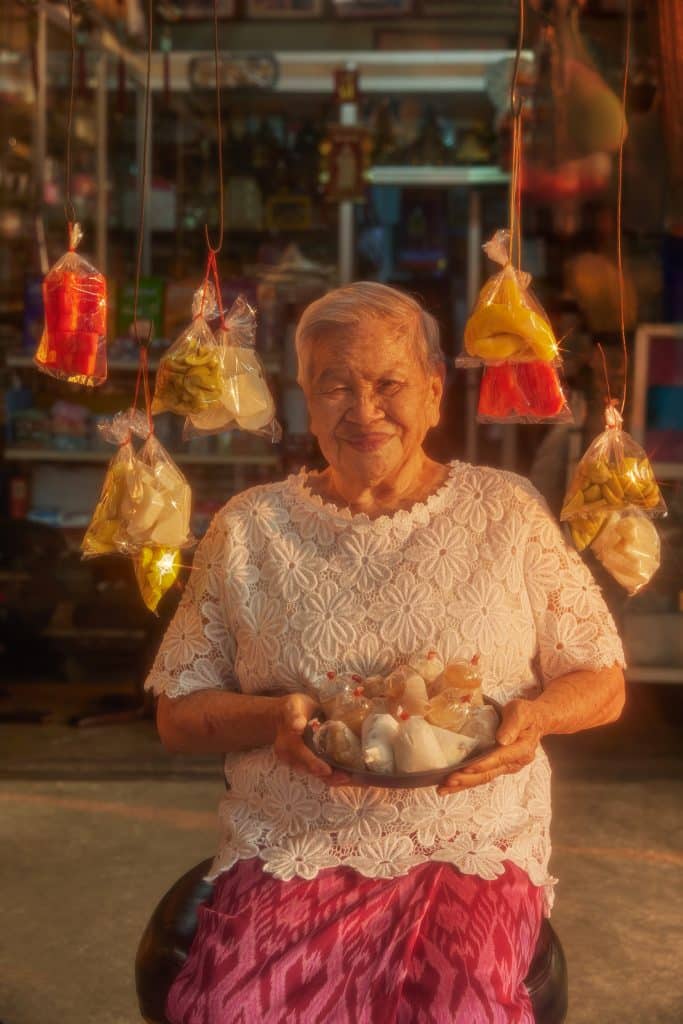
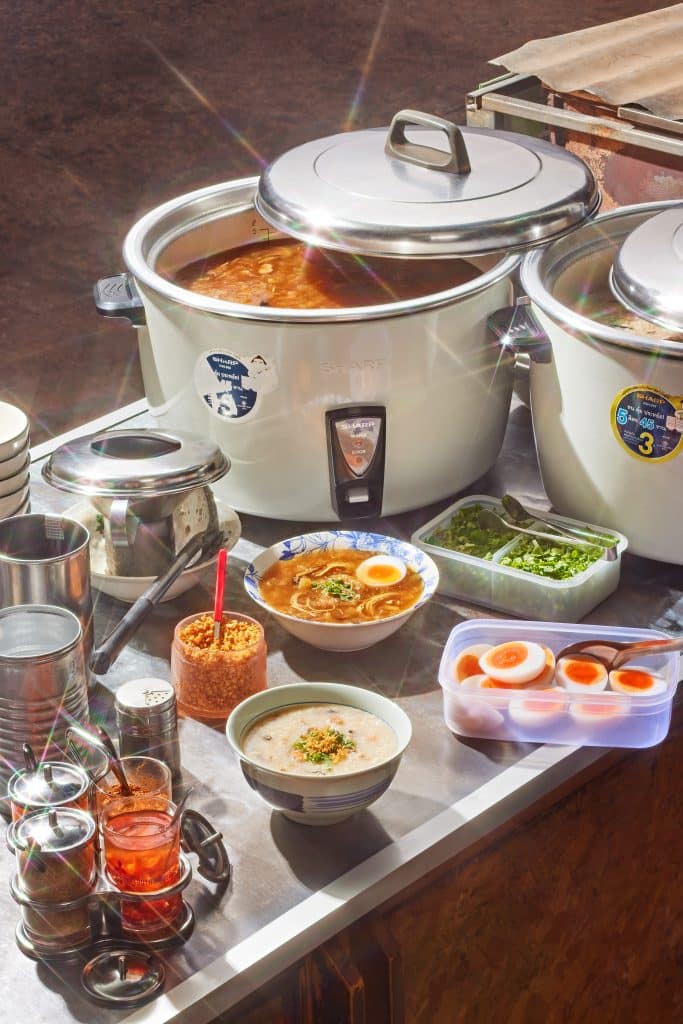
Courtesy of Patcha Kitchaicharoen
“Food is deeply personal to me. It carries memory and cultural identity, especially within Asian families, where food is often a language of love. Through food photography, I’m not just documenting what we eat, but preserving emotions, rituals and histories that might otherwise fade away.”
Another key work centres on roast duck, drawn from her lived experience. The image connects to a long-running family moment, where her father repeatedly bought roast duck for her, insisting it was her favourite dish despite it never being true.
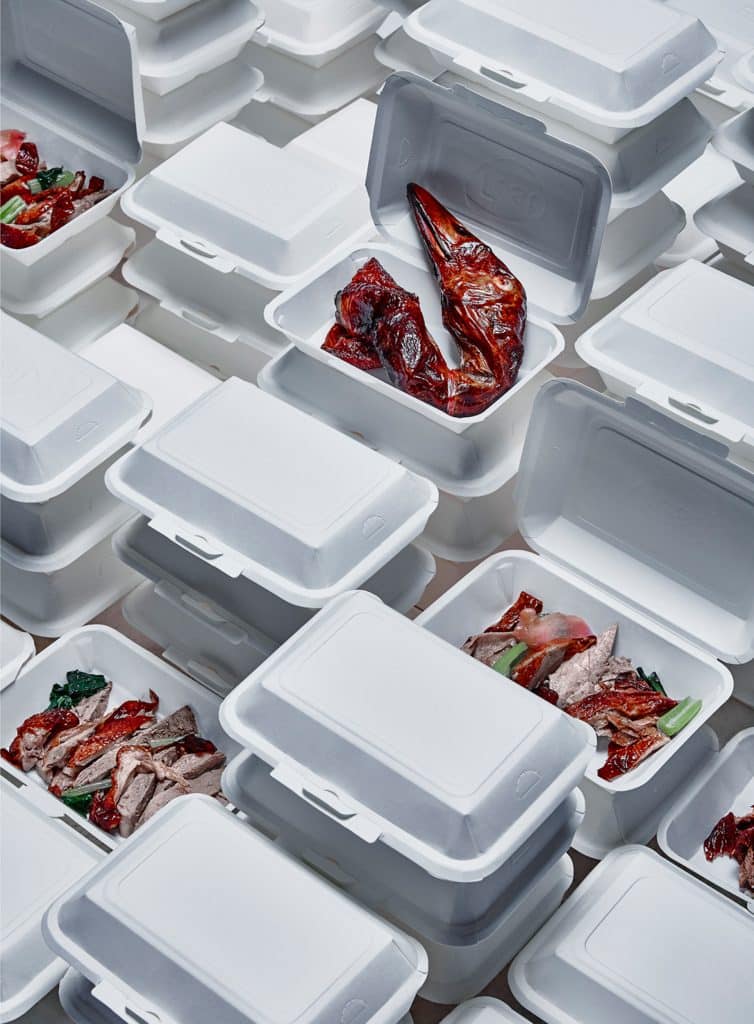
“My father loved to buy roast duck for me and would always say, ‘This is Patcha’s favourite dish. I bought it for her’, even though I didn’t actually like duck. My mother and I corrected him for years, and this continued for more than 20 years. Now, I simply eat it and say nothing.”
The image says more about repetition, care and unspoken love than food itself. Its impact comes from emotional build-up rather than visual drama, with meaning formed through time, habit and routine.
What makes the image work is its simplicity. There is no clear explanation or forced feeling. Meaning comes through context and experience, which keeps the photograph open. Even without the full story, it feels familiar and real, where small repeated gestures carry as much emotion as bigger moments.

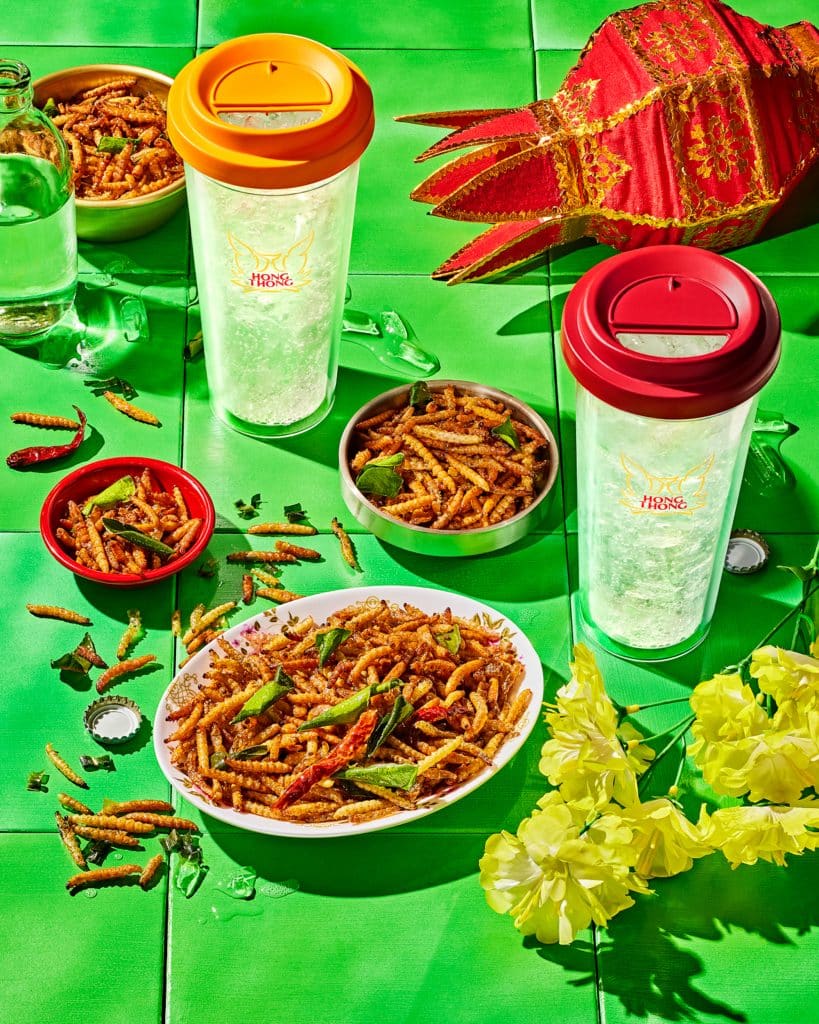
Courtesy of Patcha Kitchaicharoen
Though trends continue to shift, she stays attentive to the world around her, aware of change without feeling the need to follow it. What matters more is staying true to her own rhythm, guided by curiosity, consistency and a belief in depth over speed.
“Looking ahead, I don’t have a fixed direction yet, but I’m curious about expanding my art beyond a single image. I’m interested in working more with archives, text and personal objects alongside photography, and continuing to explore themes of memory, everyday rituals and cultural history in a slower, more tactile way.”
Explore the 10 best gelato spots in Bangkok and nearby cities, where ...
Wandering around the globe, try out the signature tastes of cultures across ...
These top 5 barber shops in Bangkok are where gentlemen can elevate ...
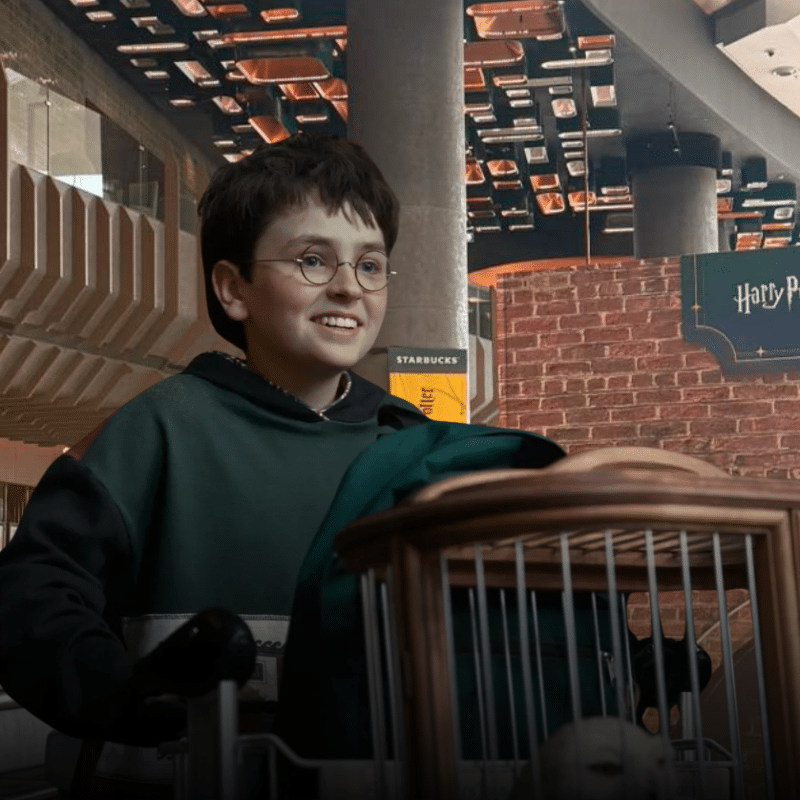
Dive into the magic as Starbucks teams up with Warner Bros, offering ...
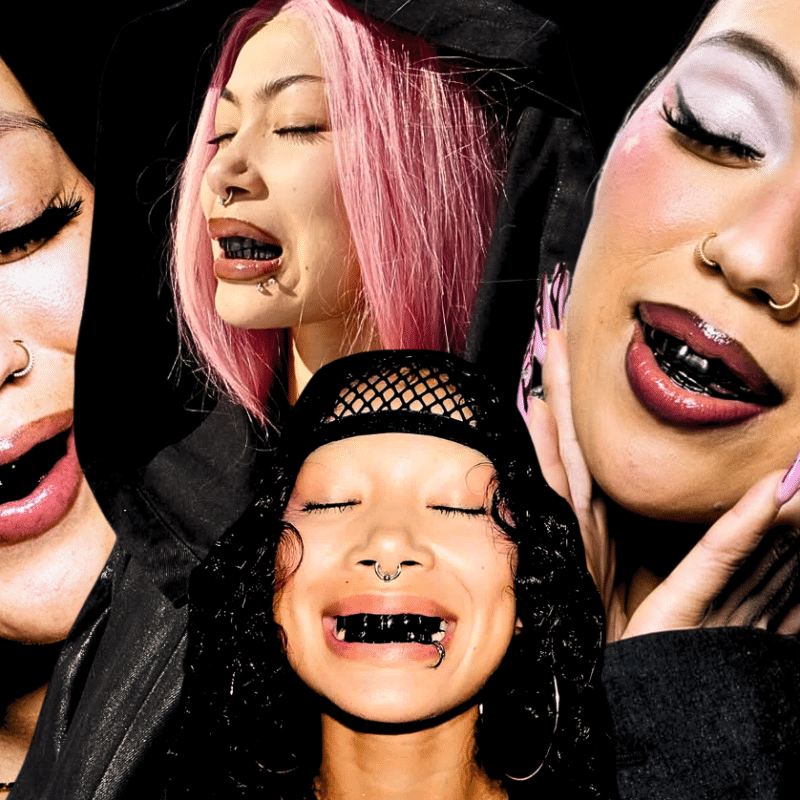
Sailorr and Molly Santana’s black grills fuse hip-hop swagger with homage to ...

Ahead of the launch of its first Bangkok store at Central Embassy, ...
Wee use cookies to deliver your best experience on our website. By using our website, you consent to our cookies in accordance with our cookies policy and privacy policy


