Lifestyle
A Thousand Worlds Within River City Bangkok
Inside River City Bangkok, a thousand worlds emerge through art, antiques, architecture, ...


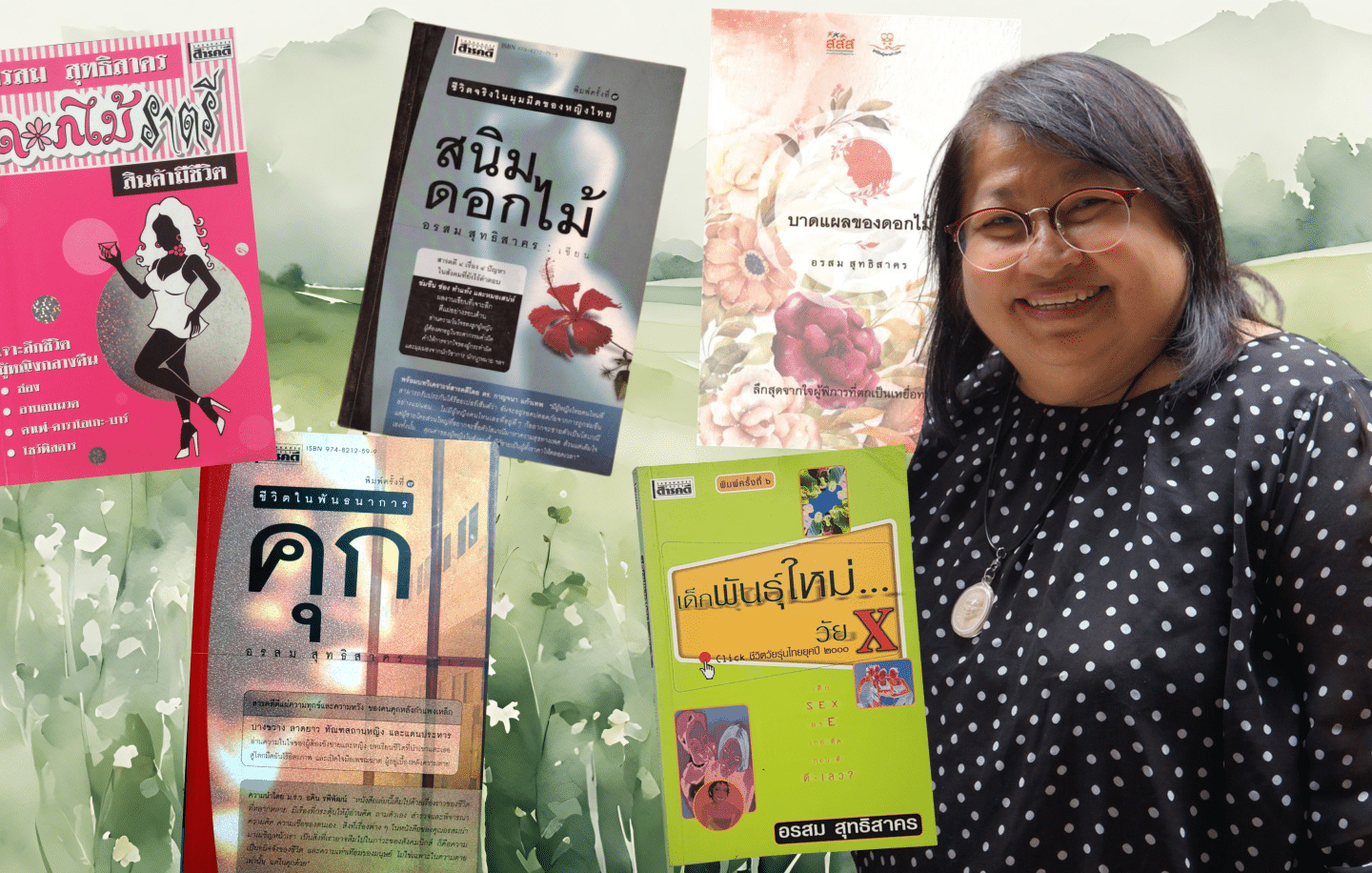

Reading is a quiet journey. As pages turn, a story slowly comes into view. A crime novel may reveal how an author understands justice and morality, while a fantasy story can hint at their hopes, fears and the worlds they wish existed. It begins to reveal the life, values and questions that shape the writer behind the words.
Along this path stands Orasom Suthisakorn, one of Thailand’s most respected literary voices. Recognised as Thailand’s National Artist for Literature, her books remain intertwined with her life’s work, address difficult realities and give voice to those often overlooked.
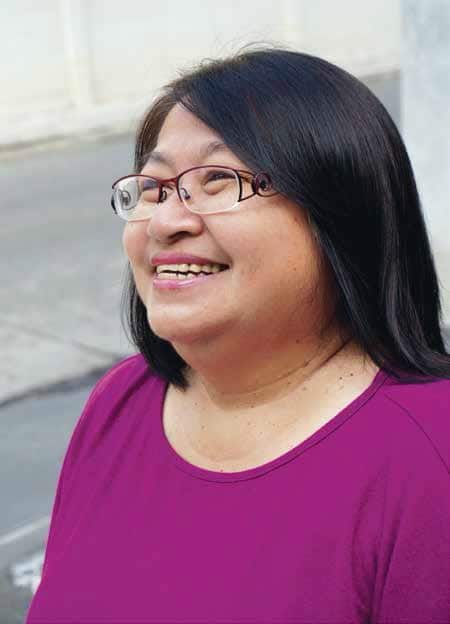
Described as Thailand’s “dark documentary” literary figure, this feature explores Orasom through five of her books as a way to understand her devotion and vision. Each title offers insight into her ideas touching on themes of humanity, society and storytelling. Together, the books provide a way for readers to become familiar with her perspective and the concerns that shape her work.
Let’s turn to her books and we hope you get inspired along the way.
First, we begin with her journey to understand the roots of her path. As a child, Orasom read until a dream began to form: to tell her own stories through words. During her school years, literature already held a central place in her life. Books and writing became a quiet refuge that eased feelings of loneliness. Teachers at the school recognised her devotion and offered constant encouragement, whether through writing materials or new books placed in her hands. This early love of reading shaped her ability to observe life, leading to an understanding of society with depth and clarity.
Later, she began to send poems to a local late-night radio programme in Chanthaburi called Rattikarn Tee Rak. When her poems were selected for broadcast, the experience became a defining source of encouragement, one that pushed the young Orasom to continue writing with dedication.
At the age of 18 she entered the publishing world as a proofreader at Prachachat Daily, immersing herself in the life of newsrooms and writers. Her path soon expanded to magazine work and roles in printing sales and advertising, while also enrolling in a political science degree at Ramkhamhaeng University. Although she did not complete the programme, years spent within literary and journalistic circles helped her recognise writing as her true calling.
Orasom’s narrative non-fiction writing draws from real lives shaped by hardship. Her stories centre on people and communities built through research and perspectives from both within and beyond their worlds.
What defines her work is the way she presents complex issues through the voices of those directly affected. Months of close observation inform each book, later shaped into clear and accessible prose that allows readers to understand difficult realities without losing their emotional depth.
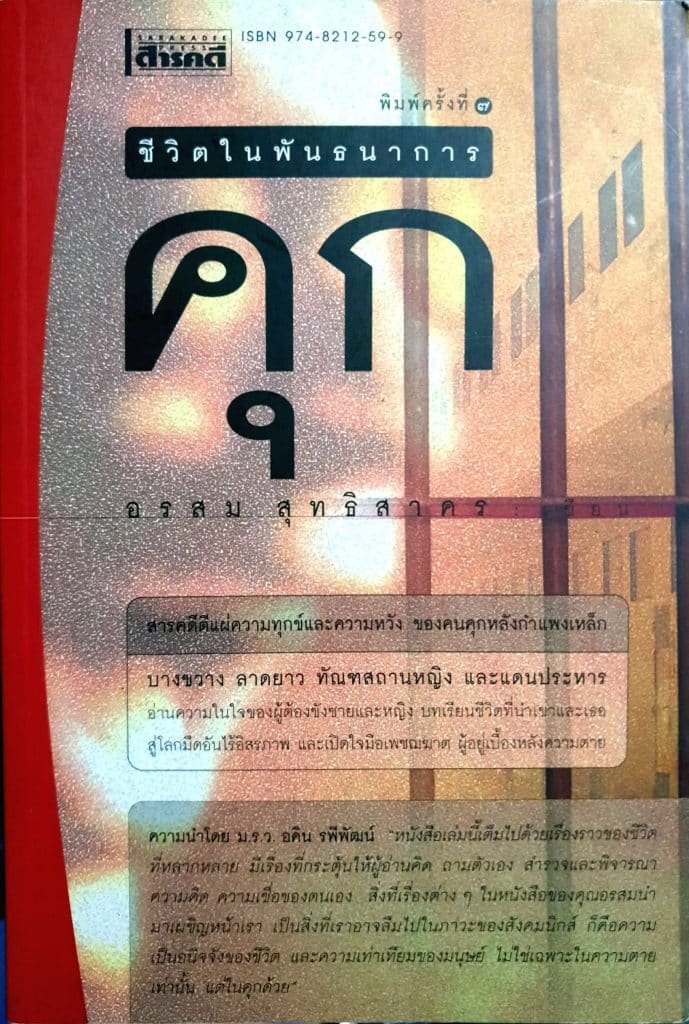
Kuk Cheewit Nai Phanthanakan (Prison: Life in Confinement), published in 1997, remains one of Orasom’s most recognised works. The book offers a rare look into life behind prison walls, where hardship and hope exist side by side. Through the voices of prisoners, it explores inner thoughts, personal histories and the paths that led them there, while shedding light on deeper social issues and the human mind hidden from public view.
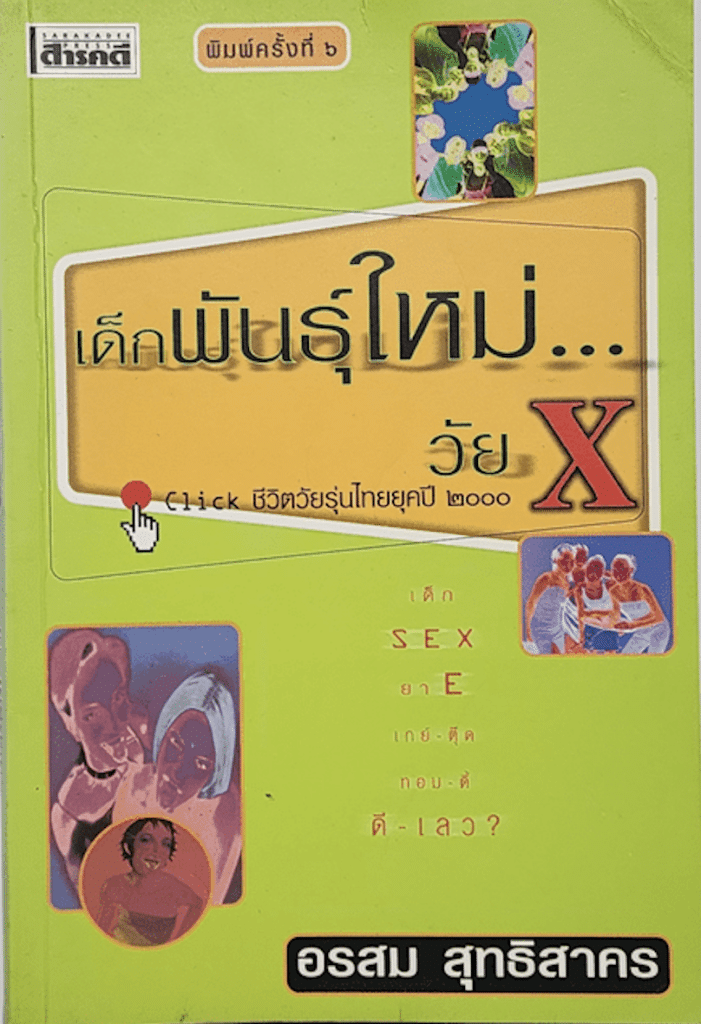
Dek Phan Mai… Wai X (The New Breed… Generation X Youth, 2001) turns its focus to children and young people within a changing society. The book examines the behaviour, values and daily realities of a generation shaped by shifting social and media landscapes. Rather than passing judgement, it calls for understanding. The themes remain relevant today, as generational gaps continue to appear in modern culture, often reflected through viral online trends. Orasom’s perspective offers insight into how adults may adjust their views to engage with younger generations in a more informed and respectful way.
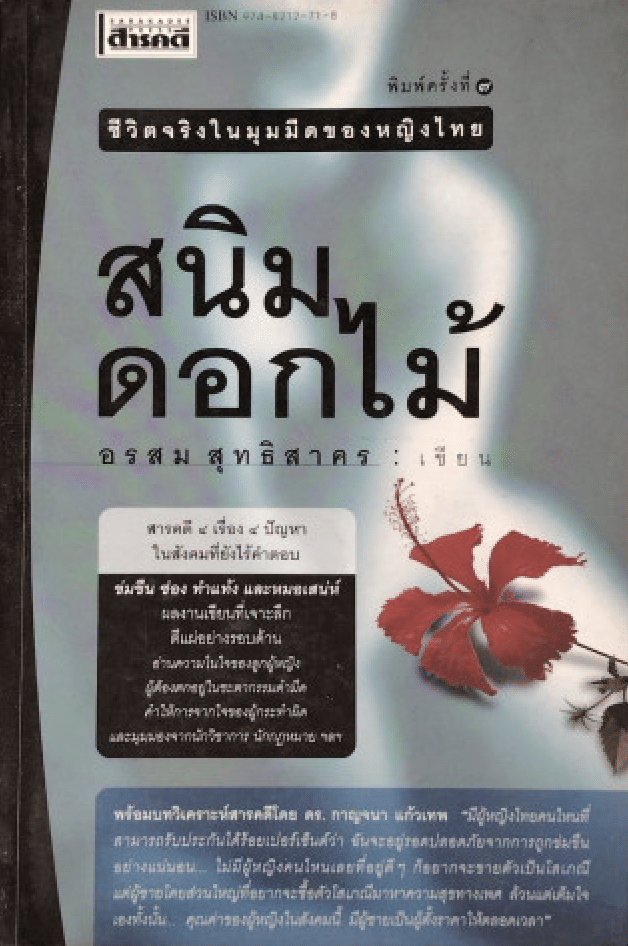
Sanim Dokmai (Rust Flower, 2001)explores the hidden struggles of Thai women through stories rooted in real experience. It gives voice to those facing abuse, exploitation and painful choices, often made alone. The book recognises that loss and hardship remain difficult truths for many women in society.
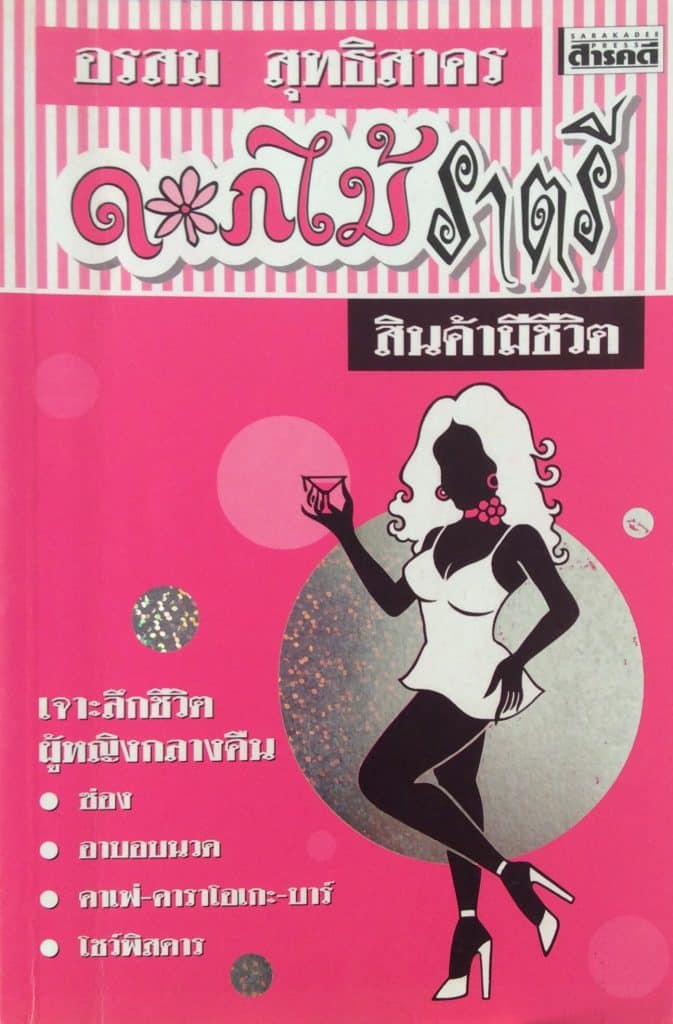
Dokmai Ratri (Night Flowers, 2002) delves into the lives of women who work in the nightlife economy, from massage parlours to adult entertainment venues. By focusing on their humanity rather than stereotypes, the work encourages empathy and awareness. It suggests that deeper understanding, free from prejudice or discrimination, offers a path towards a more compassionate and balanced society.
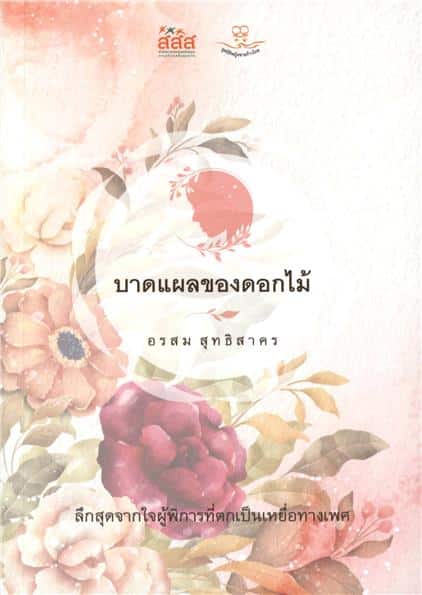
Bad Plae Khong Dokmai (The Wounds of Flowers, 2020) focuses on women with disabilities, including physical and intellectual impairments, many of whom have faced sexual abuse. The book presents lives shaped by trauma and hardship, particularly for those who become mothers under these conditions, and draws attention to a group often overlooked in society.
Across these five books and many others in her body of work, Orasom directs attention to parts of society that often remain out of sight. Her work steps into darker realities and uncomfortable truths that many prefer to avoid. Through observation and human-centred storytelling, her books offer readers a rare glimpse into these worlds.
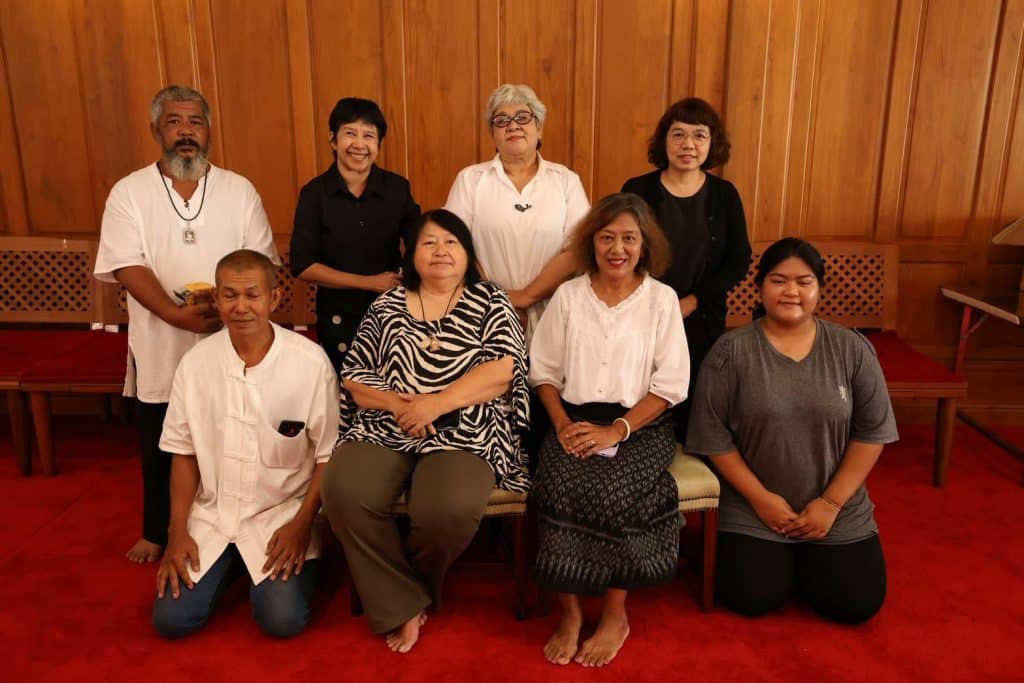
Orasom Suthisakorn currently leads Stories from Death Row, a writing programme at Bang Kwang Central Prison, alongside fellow writers Weerasak Chansongsaeng and Wiwat Phanthawutthiyanon. The course supports inmates serving life sentences or those formerly on death row in sharing personal stories and lessons drawn from their experiences.
She also serves as editor of Khao Jit Seri, a newspaper written by incarcerated men and women, and founded the volunteer group Friends Behind the Wall, which supports creative work within prisons.
You can read more about her work here:
https://www.koktailmagazine.com/2024/02/24/orasom-suthisakorn/
Courtesy of Orasom Suthisakorn
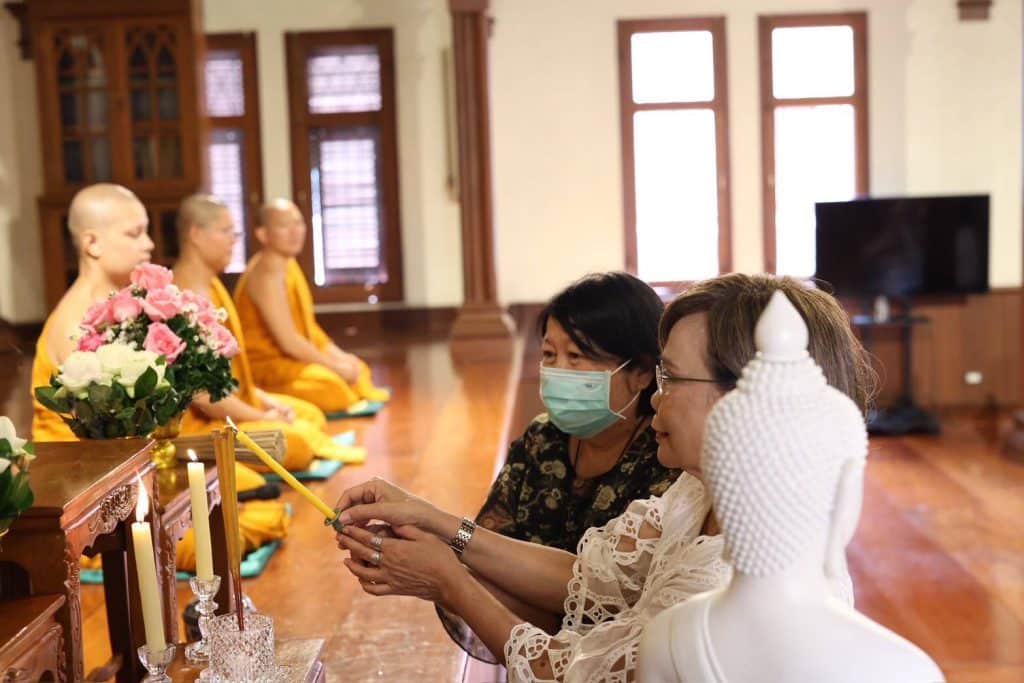
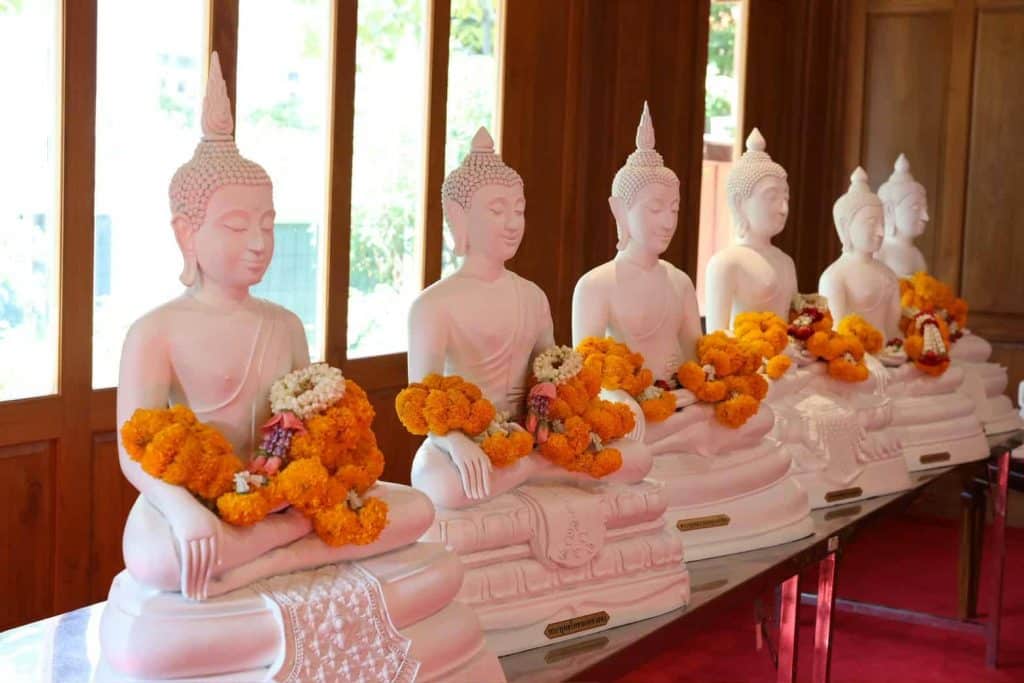
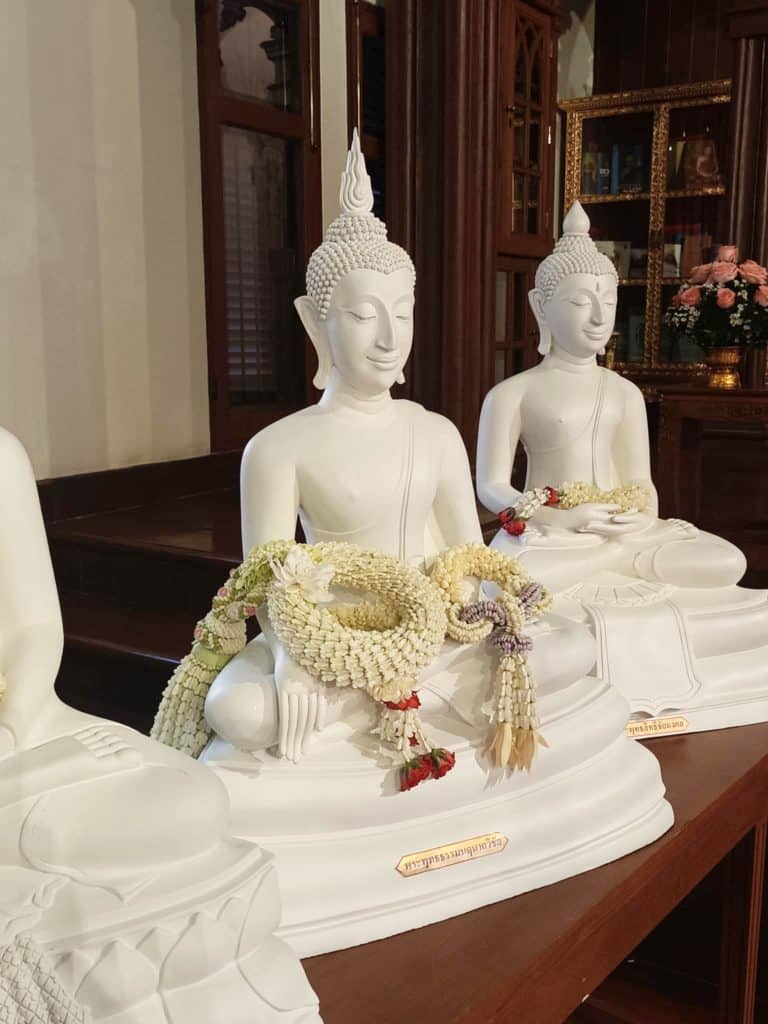
On 12 January, through her volunteer group Friends Behind the Wall, Orasom Suthisakorn organised a ceremonial event at Wat Bowonniwet Vihara, including the consecration of Buddha images created by inmates from Bang Kwang Central Prison. The initiative reflects a continued commitment to offering moral support and compassion to those living behind bars.
Inside River City Bangkok, a thousand worlds emerge through art, antiques, architecture, ...

In Emerald Fennell’s adaptation of Wuthering Heights, colour is not decorative. It ...
Wandering around the globe, try out the signature tastes of cultures across ...

These top 5 barber shops in Bangkok are where gentlemen can elevate ...
Sailorr and Molly Santana’s black grills fuse hip-hop swagger with homage to ...
From 26 March to 6 April, the Thai Book Fair is back, ...
Wee use cookies to deliver your best experience on our website. By using our website, you consent to our cookies in accordance with our cookies policy and privacy policy


