Food & Drink
10 Best Gelato Spots to Welcome the Summer Heat
Explore the 10 best gelato spots in Bangkok and nearby cities, where ...


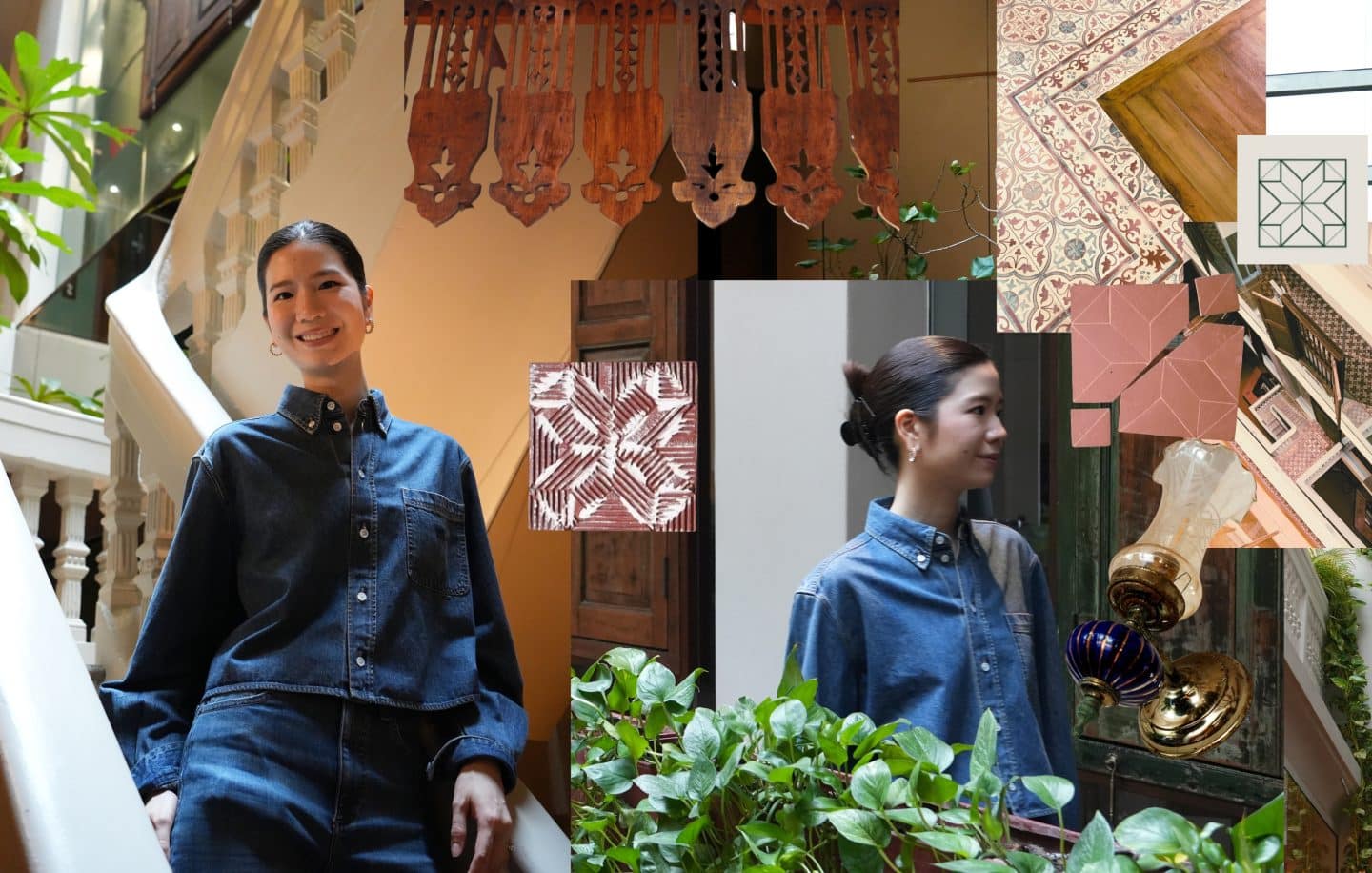

At the front of Tua Ngork Alley sits a progressive heritage home that feels more like a house with a special meaning. Baan Trok Tua Ngork is a structure that connects people, but it goes further than that; it carries the history. Now revived, it is cherished by a new generation.
Sitting with us is Sand Assakul, one of the four siblings who brought this place back to life. She shares the story of this place, its journey, its revival and her vision for how future generations will continue its legacy.
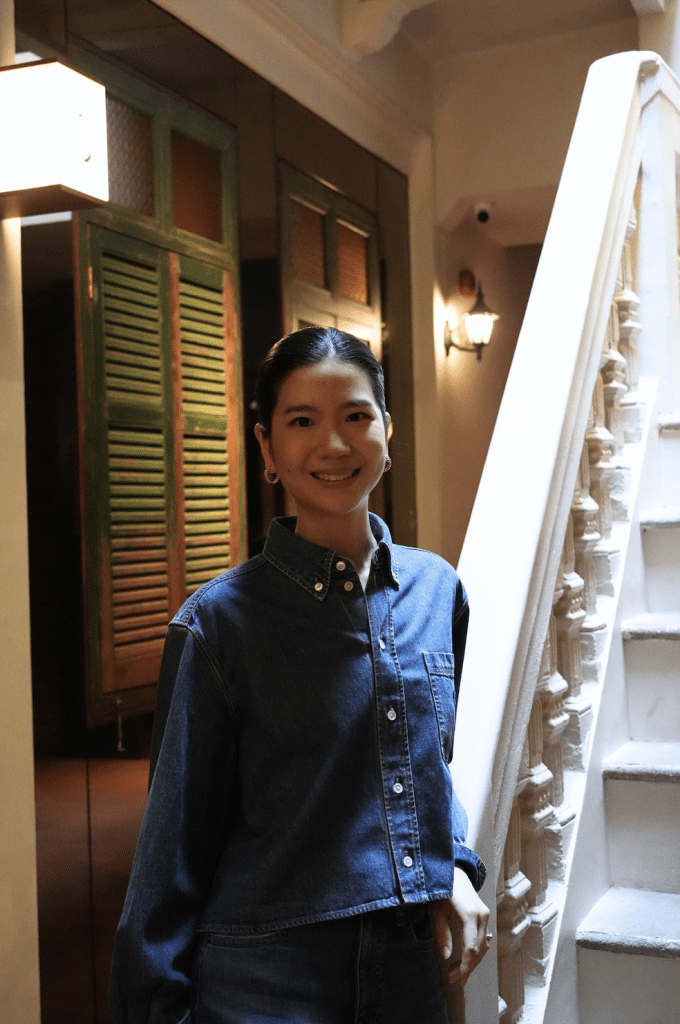
Dating back generations, the building once belonged to Sand’s great-grandmother’s family. At that time it was home to five families. But after that era it remained closed for more than 10 years, left unused and largely forgotten. The only part that stayed active was the fifth floor, the very top level, which became a gathering space for the family. As a Thai-Chinese household, this was where they came together for Chinese New Year, ancestral offerings and family reunions. The lower floors, however, stayed shut after her great-grandparents moved out.
Courtesy of Koktail Thailand
Around seven years ago, Sand’s family, took another look at the building and decided it was time to renovate it. The structure had fallen into disrepair with no one living there and no proper care. That moment became the turning point, when Sand and her family decided to restore the house to bring it back to life as a home that represents their origins and honours the start of their family’s journey.
“I never lived in this house; we only came for family gatherings. My strongest memories are meeting relatives and taking part in Thai-Chinese traditions, like praying and burning joss sticks and incense paper with the family. This house is where I first experienced our culture.”
Sand explains that the renovation was led by her brother Win Assakul. Rather than focusing on large-scale transformation, he approached the house with a clear design principle: not to tear it down but to preserve as much of its original character as possible.
Courtesy of Koktail Thailand
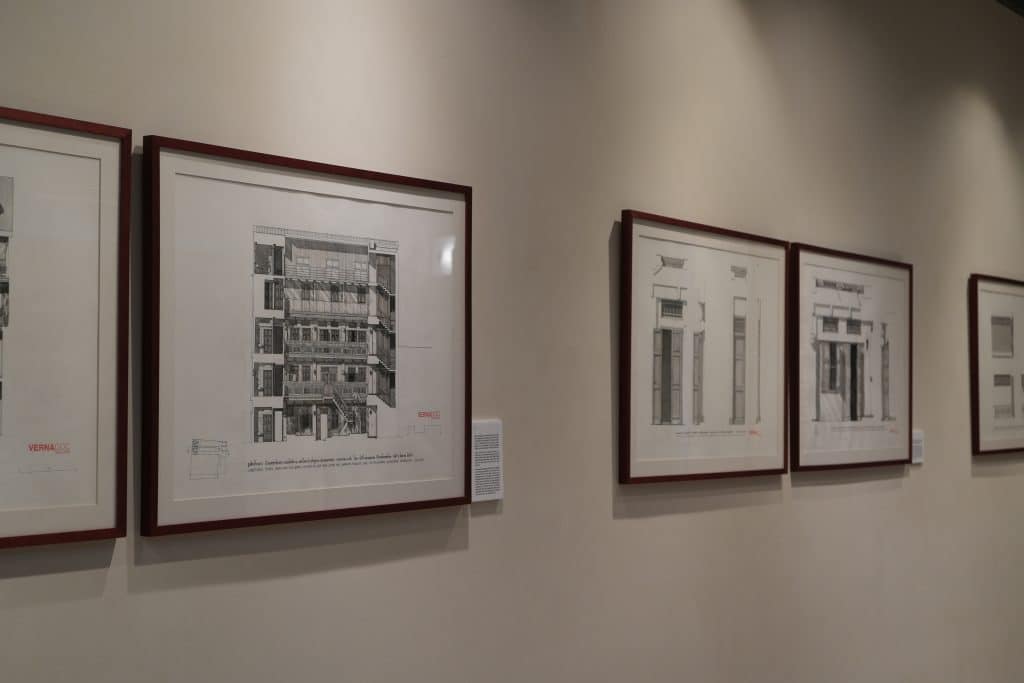
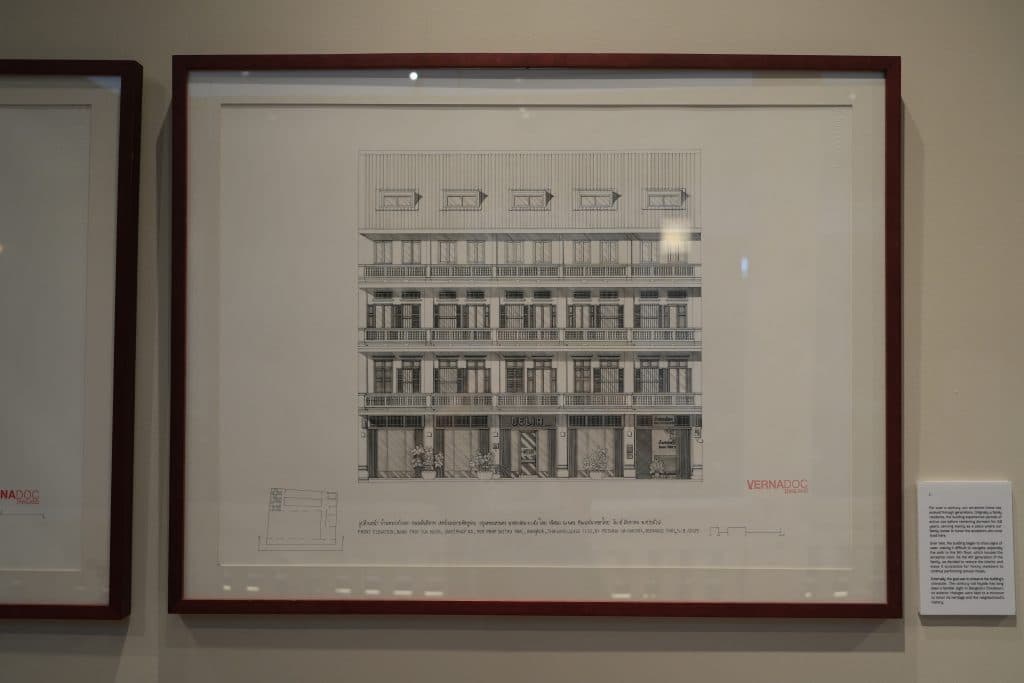
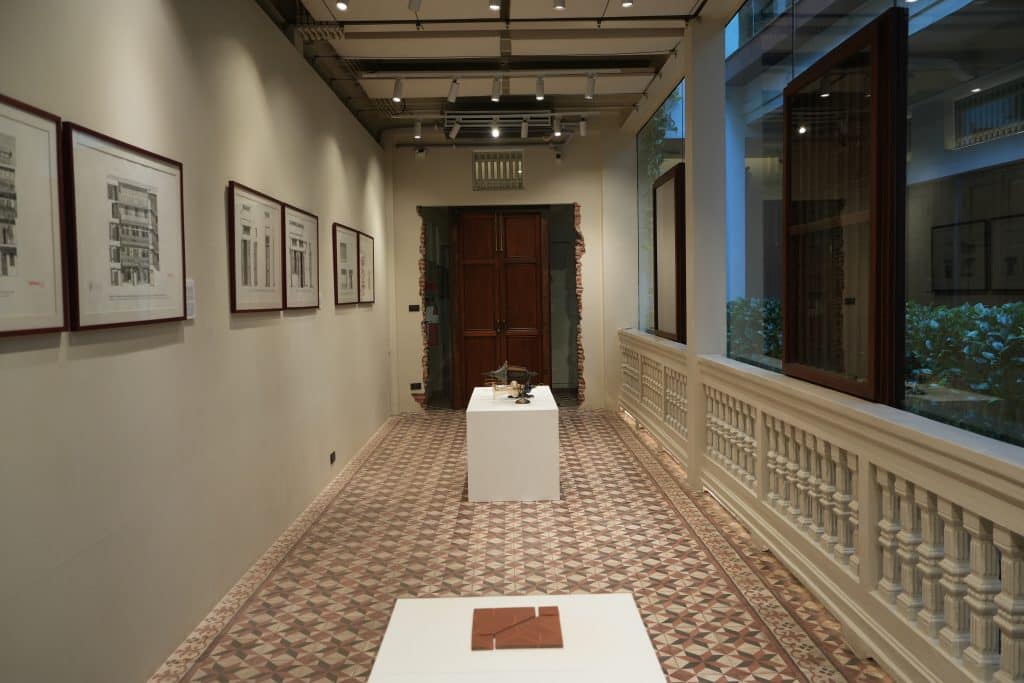
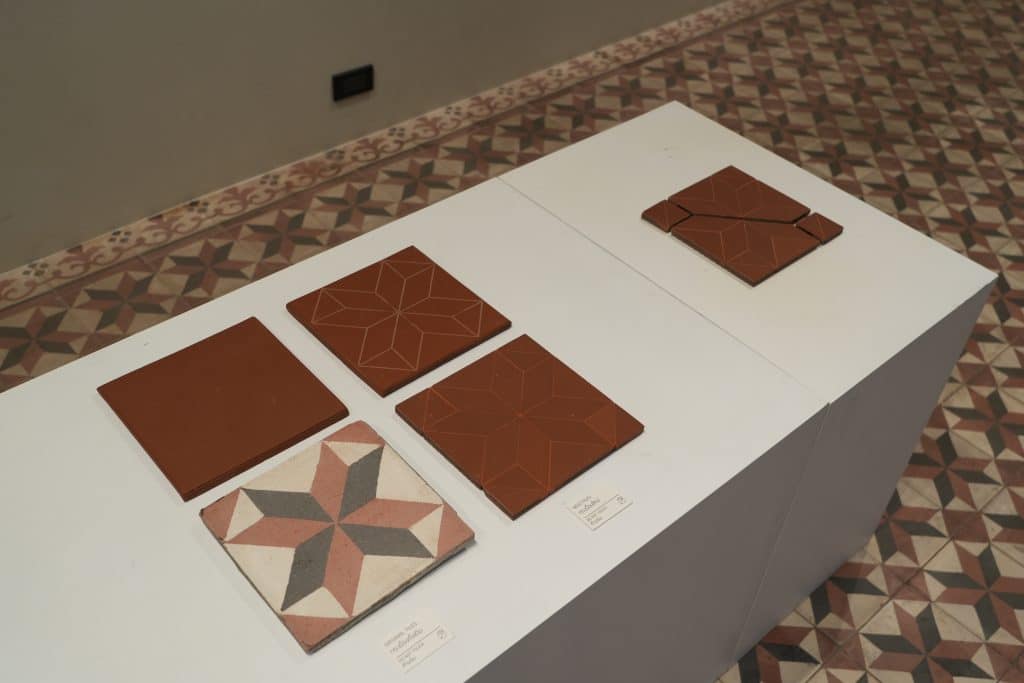
In the space where we hold our conversation, the room is filled with artefacts from the house, from the earliest architectural sketches to broken tiles. It’s a mini exhibtion of Baan Trok Tua Ngork. Sand and her brother chose to keep these small details, each carrying deep meaning and preserving their family’s memories. The result is what she describes as an “old-meets-new” progressive heritage home, where past and present exist side by side.
“I see the charm of this house as a new generation stepping in to continue its story. The old remains, the new comes in, and both exist together.”
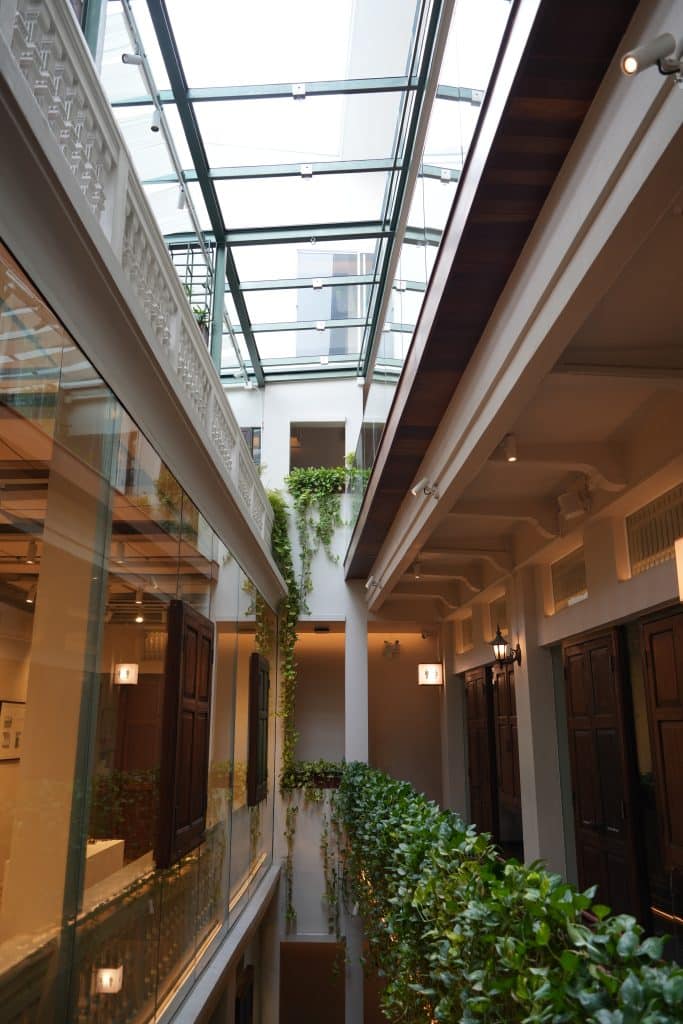
The house now reveals its beauty more clearly than ever. Its original symmetry remains intact, from the balcony lines left untouched to the floor-to-ceiling glass panels that now enclose the space, preserving the original green wooden window and shutter frames as a central architectural feature. Sino-Portuguese tiles and green wallpaper tie the space together, each detail contributing to a quiet harmony between old and new.
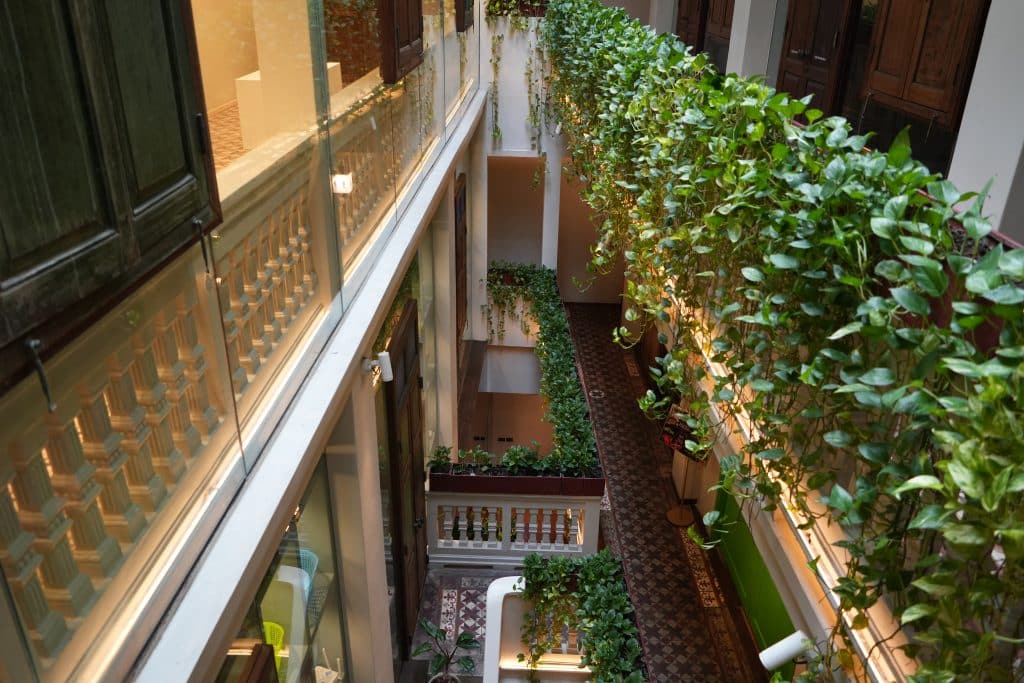
Sand shares a small but telling story behind the colour that now defines the house:
“As far as I can remember, we thought the wooden doors were originally brown. During the renovation, my brother, Win, asked the team to sand the wood to polish it, and somehow that door turned into a green door instead and that one small decision led us to introduce green into the house. From there, the green stayed and became the theme colour of the building.”
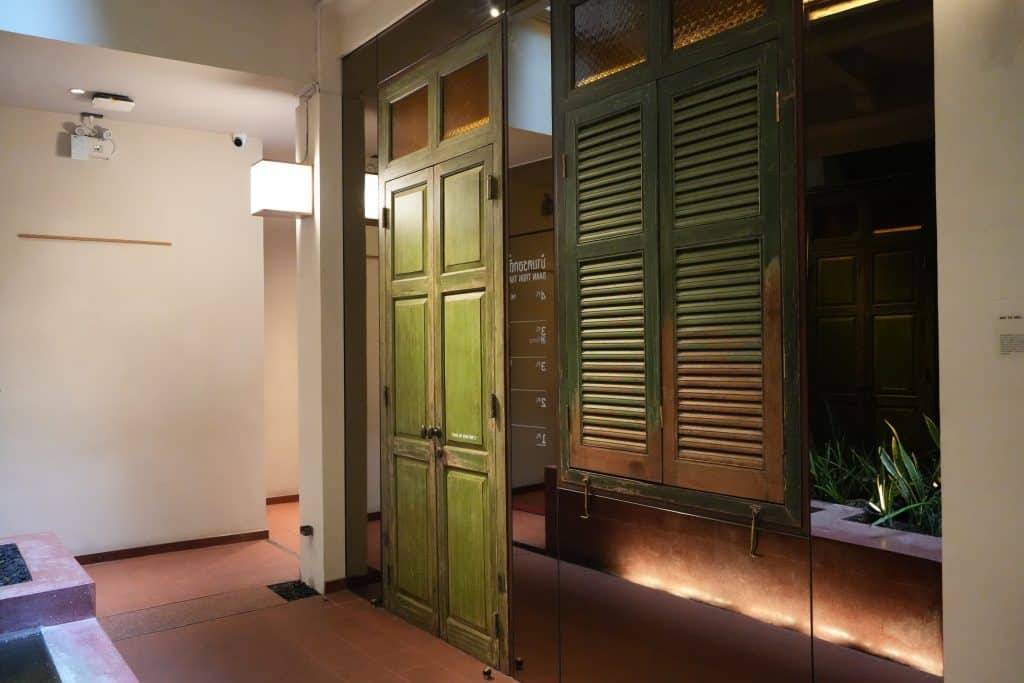
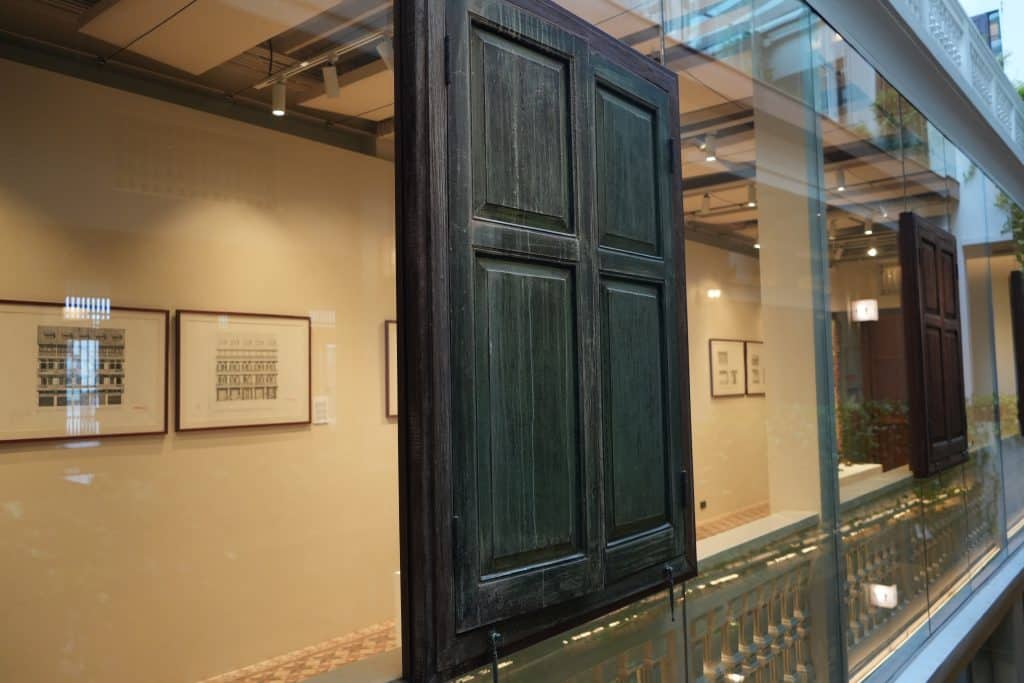
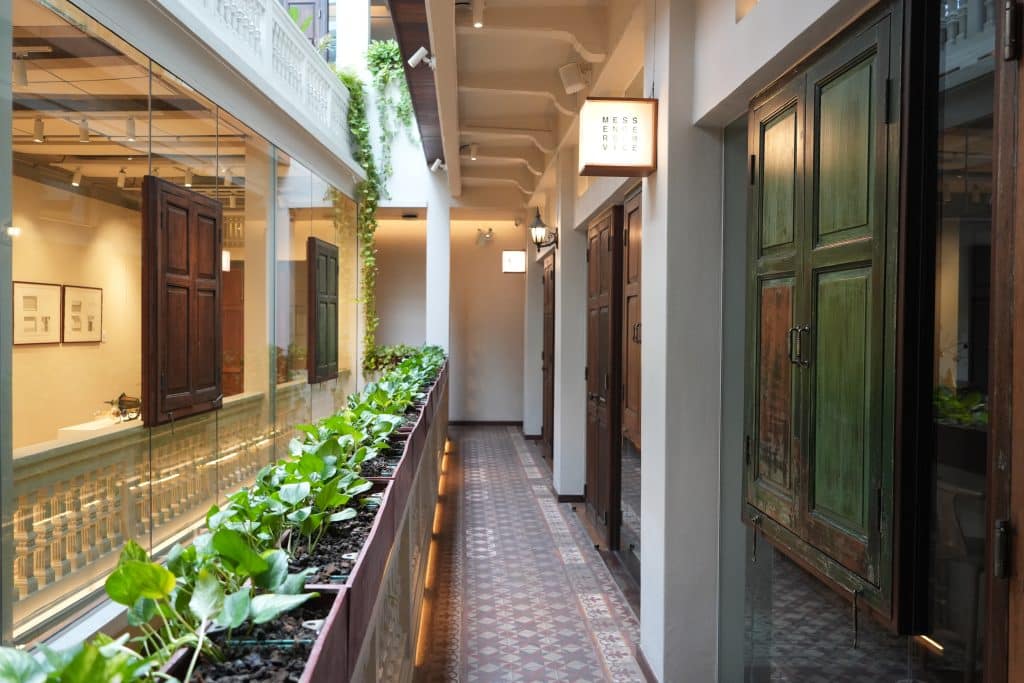
Courtesy of Koktail Thailand
“Our goal was for this house to live on, to move from my generation to the next,” she explains.
“We looked for a business model that could sustain the building over the long term. At first, I considered turning it into a hotel, or running the entire space ourselves. In the end, we realised that a community space felt right, because this neighbourhood has a charm of its own.”
Sand sees Yaowarat as a neighbourhood full of character, complexity and quiet charm. She explains that food becomes the key that draws people in and sparks interest in the Yaowarat area. For this reason she sees food as a way to invite people into the building. Alongside this regular event programmes give visitors a reason to return and allow them to discover the quieter charm of Yaowarat beyond its most familiar sights.
“This house is not on Yaowarat’s main road; we are in the Wongwian 22 area. We see ourselves as newcomers returning to an old neighbourhood, so we respect the people and businesses already here, from the tyre shop across the road, the aunties next door, the noodle shop in the nearby alley.
We want to complement what exists not replace it. Everything we offer in this house is meant to complement daily life here not compete with it. That is why you will not find a Chinese restaurant in this house. Yaowarat already has excellent Thai-Chinese street food around.”
“People often ask me about the challenges of working with my siblings,”
she says.
“I feel incredibly fortunate that we share the same passion and vision. That common ground allows us to move in the same direction, even though each of us thinks very differently.”
She explains that their roles naturally fall into place.
“I focus on operations and my brother Win oversees design and the building itself. My second brother, Sun, looks after marketing and business development, while our youngest brother, Sea, takes care of finance. Each of us brings a different perspective to the table and together we complement one another.”
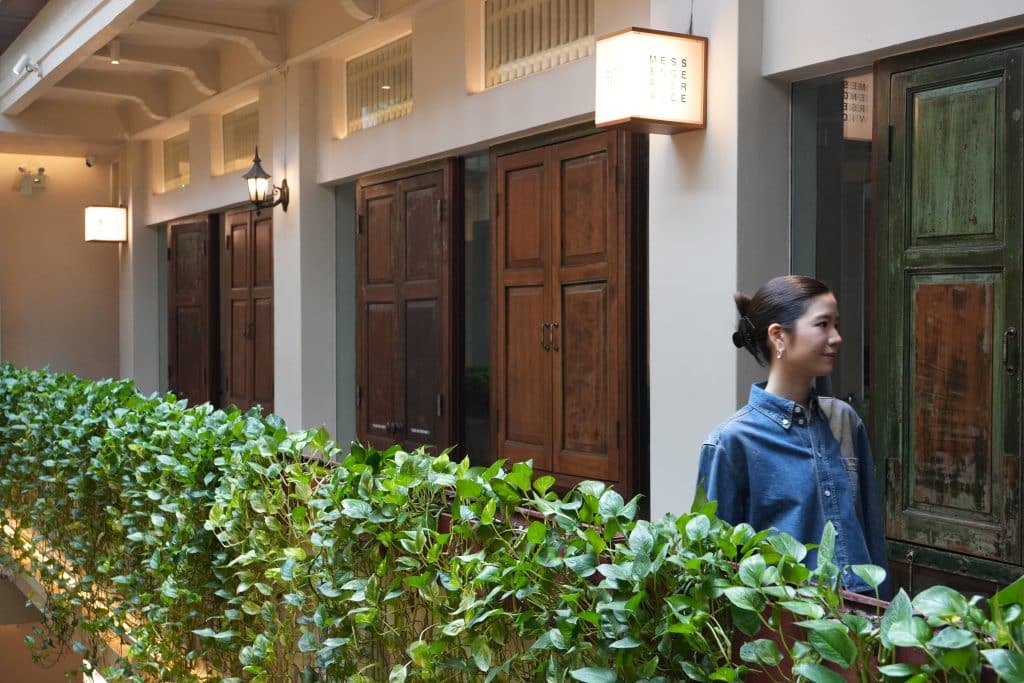
As the person who oversees operations, Sand works with each tenant to ensure that every element within the house aligns with the shared values she and her siblings hold around identity, authenticity and experience.
“Our goal want every venue to complement the next,”
she explains.
“You can start at one place, move on to another and end the day upstairs. My hope is that when people arrive, they feel they can stay for the entire day.”
Sand looks for vendors who hold a strong sense of self within their own concepts, yet share a common language with the house. Each brand carries its own originality, from how ideas take shape to how they execute their craft, but all remain in dialogue with the wider identity of the space.
“We all share a progressive outlook. We stay connected to present the cultural heritage and what comes after. Even in an old building, the spirit inside always moves forward.”
Baan Trok Tua Ngork’s project centres on the In-residence room, where she explores the concept of “residencies” through craft and creativity. The space allows creatives to showcase their work. Each month, a new artist is introduced; this year’s theme is Making Matters, reflecting Baan Trok Tua Ngork’s belief in the power, purpose and process of craftmaking with local makers who are masters of their craft.
“Actually from the outside people might not immediately recognise our building or might just think it’s an old shophouse. But once you step inside the space comes alive. It’s calm, welcoming and comfortable. It’s a place where people can enjoy food and drinks, experience Thai art and simply feel at ease. That’s exactly how I want all to feel when they step inside.”
Explore the 10 best gelato spots in Bangkok and nearby cities, where ...
Wandering around the globe, try out the signature tastes of cultures across ...
These top 5 barber shops in Bangkok are where gentlemen can elevate ...
Dive into the magic as Starbucks teams up with Warner Bros, offering ...
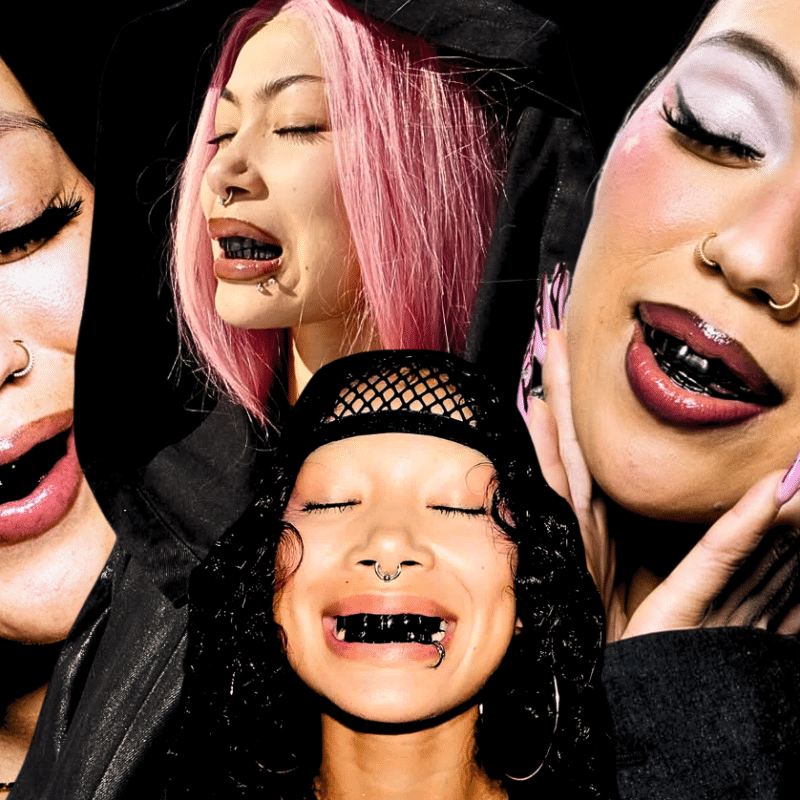
Sailorr and Molly Santana’s black grills fuse hip-hop swagger with homage to ...

Ahead of the launch of its first Bangkok store at Central Embassy, ...
Wee use cookies to deliver your best experience on our website. By using our website, you consent to our cookies in accordance with our cookies policy and privacy policy


