
Films
10 Thai Horror Films Featuring Beautiful Ghosts
From haunting folklore to modern urban horror, here are 10 Thai horror ...


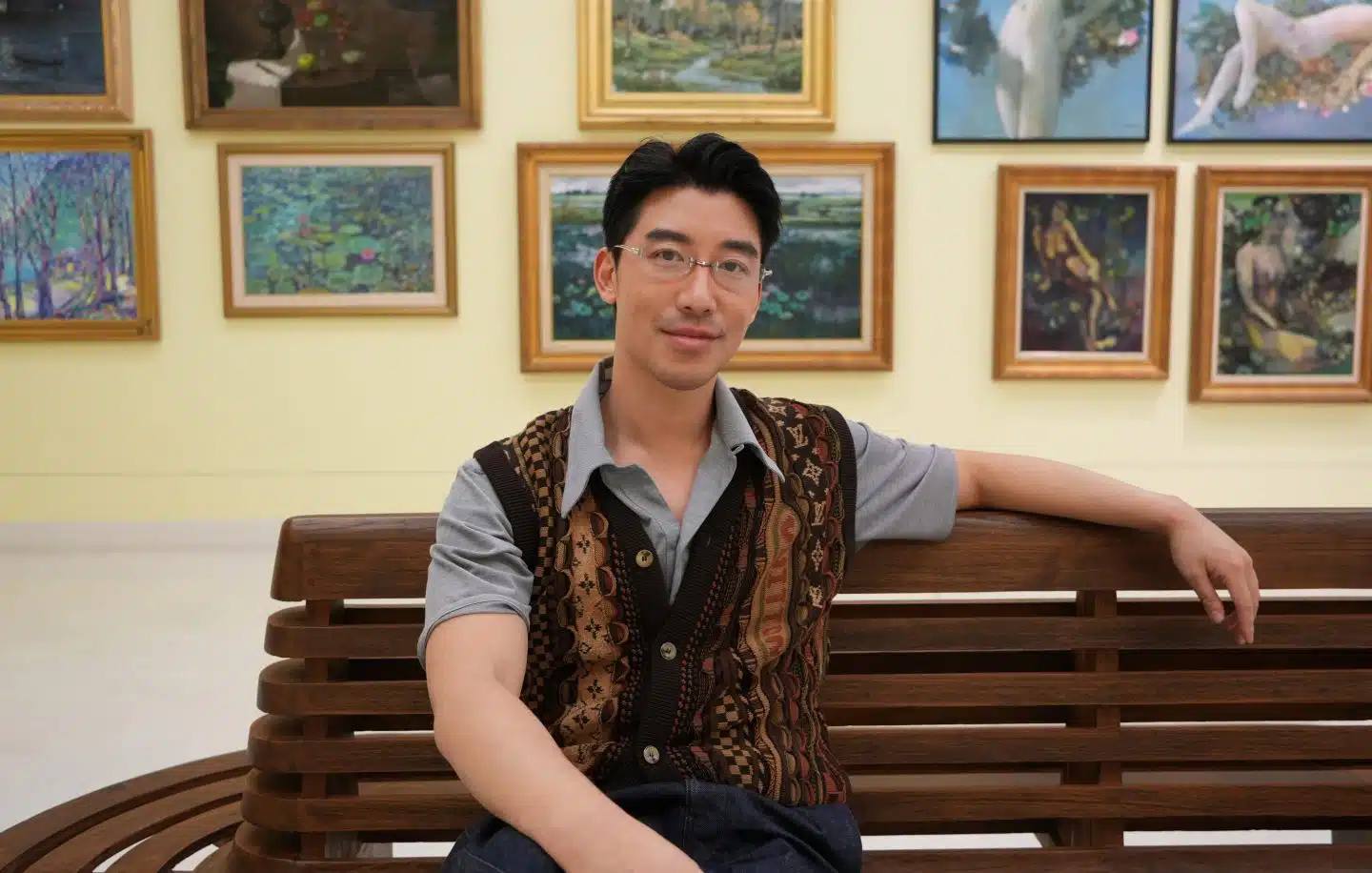
A museum’s role is never fixed. It moves between preservation and progression, holding history while allowing new ideas to emerge. When this balance is achieved, a museum becomes a bridge connecting generations, cultures and ways of seeing.
At the Museum of Contemporary Art (MOCA), this dialogue between past and present is guided by Kanachai “Kit” Bencharongkul, whose approach is shaped by the belief that history and contemporary thought should exist side by side. Over a day spent walking through the museum, we spoke with him about his journey with MOCA passed down from his father, the vision and his approach to curating and storytelling and how he continues to bring this space to life in his own way.
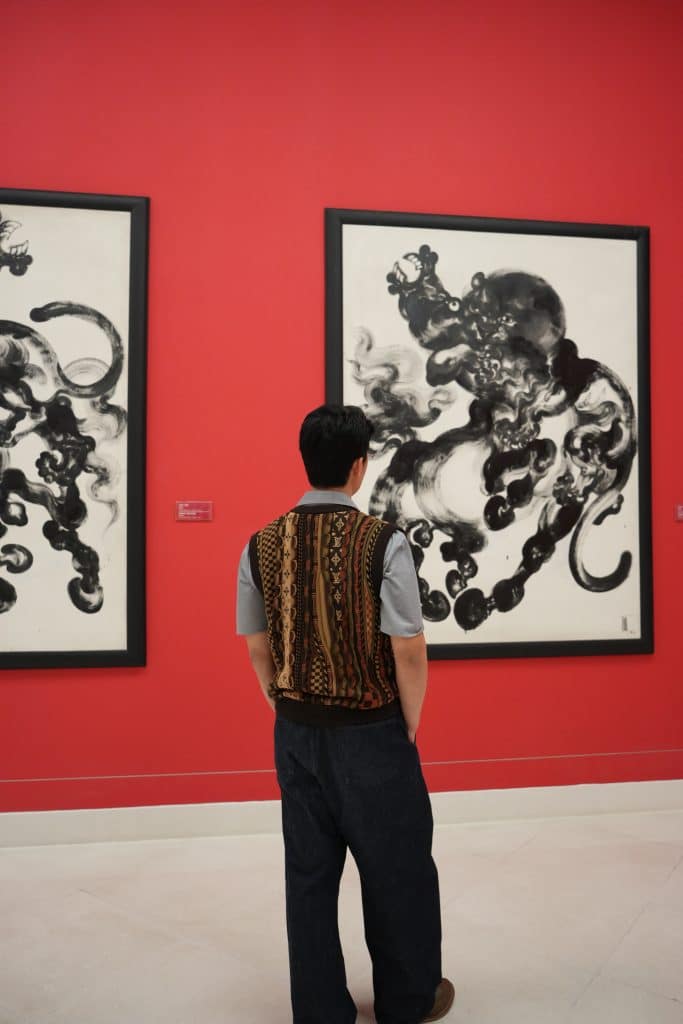
“When we were planning the museum, I was still in middle school, probably around 13 or 14. Obviously I didn’t have much of a say.”
Kit’s journey began at a young age. While it wasn’t yet about taking responsibility for or stepping into a leadership role at MOCA, the experience naturally became part of his upbringing. MOCA was founded by Thai telecommunications mogul Boonchai Bencharongkul in 2012.
“I remember looking at the blueprints and architectural designs on paper. I remember trying to help choose a colour for one of the walls. It was engaging experience for me,”
he says with a smile.
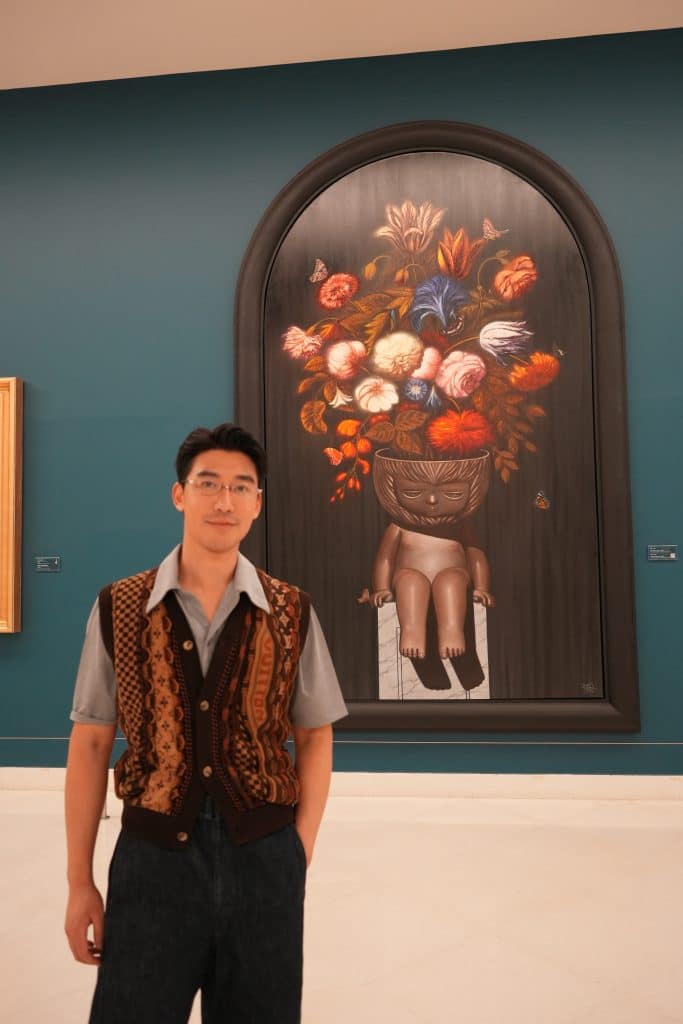
The process of building MOCA shaped Kit’s early interest in architecture. Growing up around drawings and plans, that world naturally became part of him. He later graduated from the Architectural Association (AA) School of Architecture in London before returning home.
Along the way another passion took shape. Drawn to see the world through a camera lens, Kit became especially interested in photographing people. Over time he realised that architecture was not the path he wanted to pursue. Compared to his peers, he felt his passion lay elsewhere.
He followed that instinct by enrolling in short three-month photography courses in England and New York. In the end architecture and photography came together, guiding him toward a single creative direction when he took on the role of Managing Director at MOCA in 2019.
“I think architecture trained me to think spatially, structurally and conceptually. And photography became an immediate way for me to explore my ideas. It wasn’t a detour but it was a layering of disciplines. And through that hybrid mix, hybrid way of thinking, I think it shaped me in how I approach museums or exhibitions or storytelling.”
Kit sees the museum as a space that holds two responsibilities at once: preserving the foundations of Thai art while creating room for new voices to emerge. He often returns to the importance of the permanent collection of the museum, which traces the roots of Thai art and cultural heritage. By grounding the museum in this history, Kit believes contemporary art can be understood as part of an ongoing story, where tradition and new perspectives exist side by side.
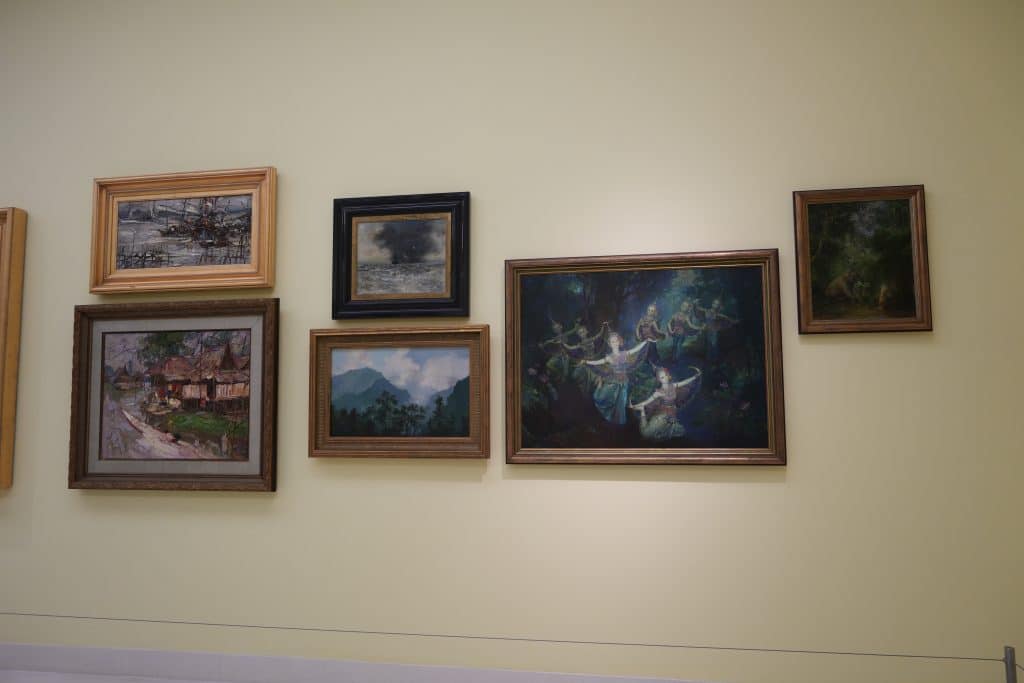
“I think Thailand’s contemporary art scene is much more confident and outward-looking now than it has ever been before. I’m proud of the positioning of the museum as both a guardian of history and a platform for new voices.”
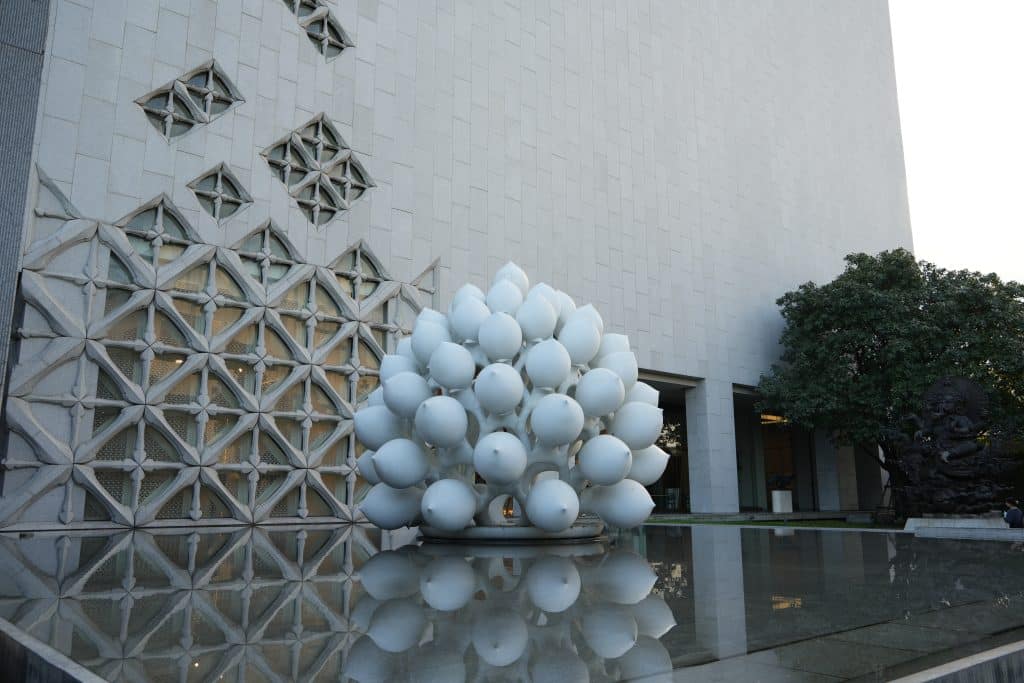
MOCA unfolds across five levels and houses Thai art across generations, with the fifth floor presenting contemporary art from international artists across regions, and the ground floor serving as a home for temporary exhibitions, where new ideas and voices take shape. When he selects works for the museum, Kit begins with instinct.
“I think emotion is the entry point. I need to feel connected to a piece before I lean in. Then I look at the concept to see whether it can sustain that feeling over time. Craftsmanship matters because it shows how the artist respects the medium or their practice. I think a good artist balances all three, even though they might lead with one.”
This approach becomes most visible through MOCA’s temporary exhibitions. Invited artists present new work that enters into dialogue with the permanent collection and with artists from earlier generations.
“I think the curatorial positioning of artworks is also very important because it can ignite feelings, emotions and dialogue,”
Kit explains.
This belief comes to life upstairs, where a contemporary painting may hang beside the work of a national artist, creating moments of connection across time. These encounters between different generations, practices and perspectives are what Kit finds most compelling.
“I suggest starting from the ground floor to see new emerging artists. Moving upward, on the first floor you get to experience the roots of Thai art and history – antiques, masks and works influenced by the Ramayana in Thai art. As you go higher, the artworks become more contemporary and on the top floor you encounter international artists. It feels like a journey through time.”
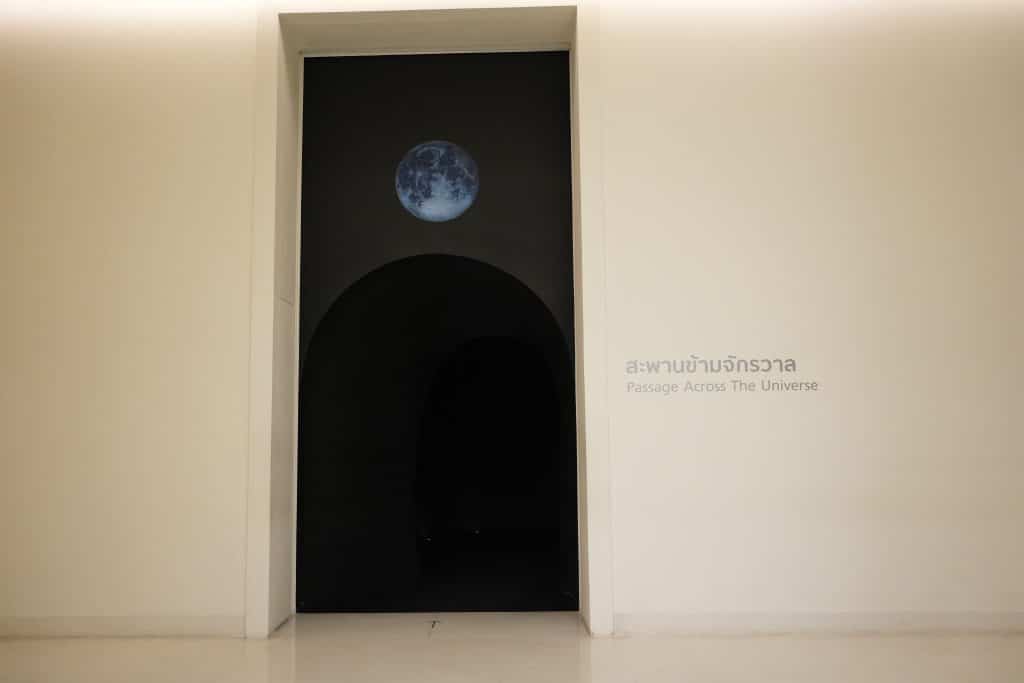
Koktail asked him to delve into his favourite corner or moments he remembers well
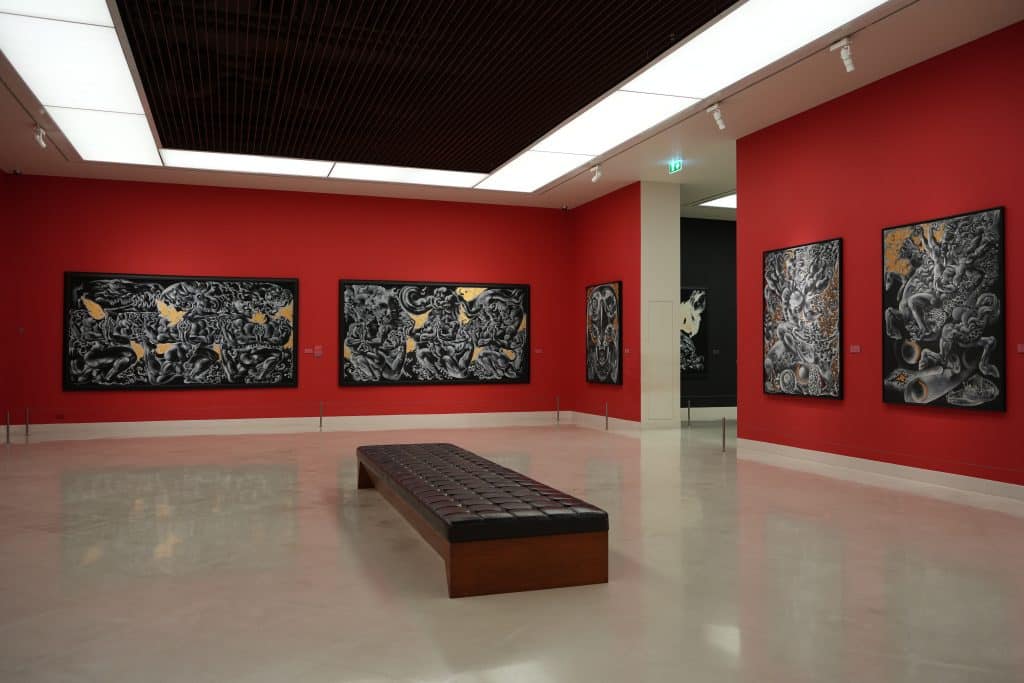
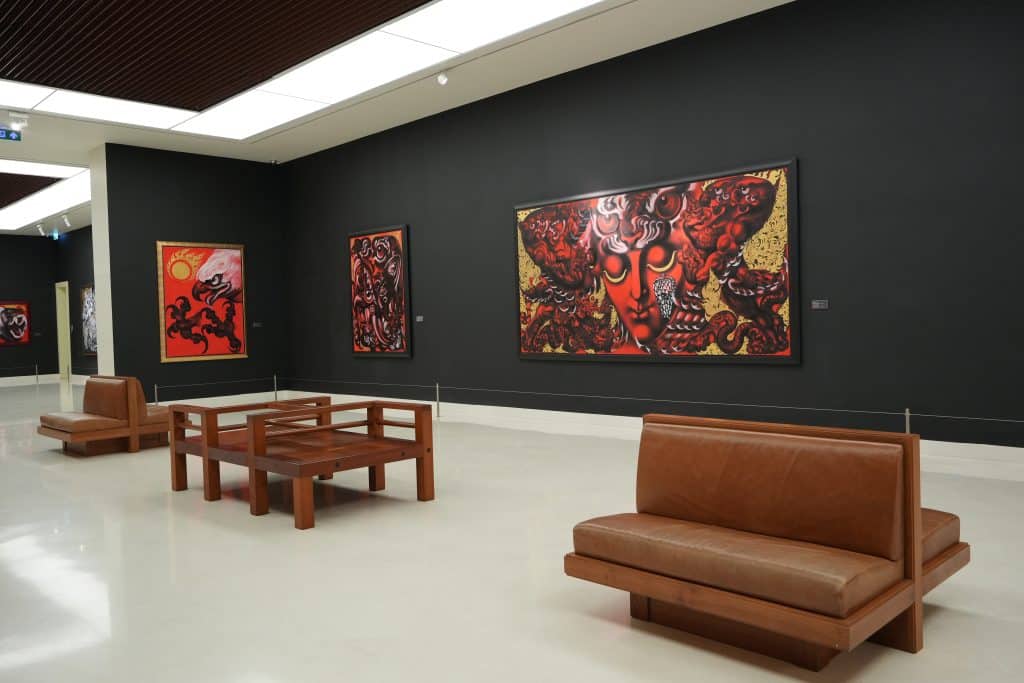
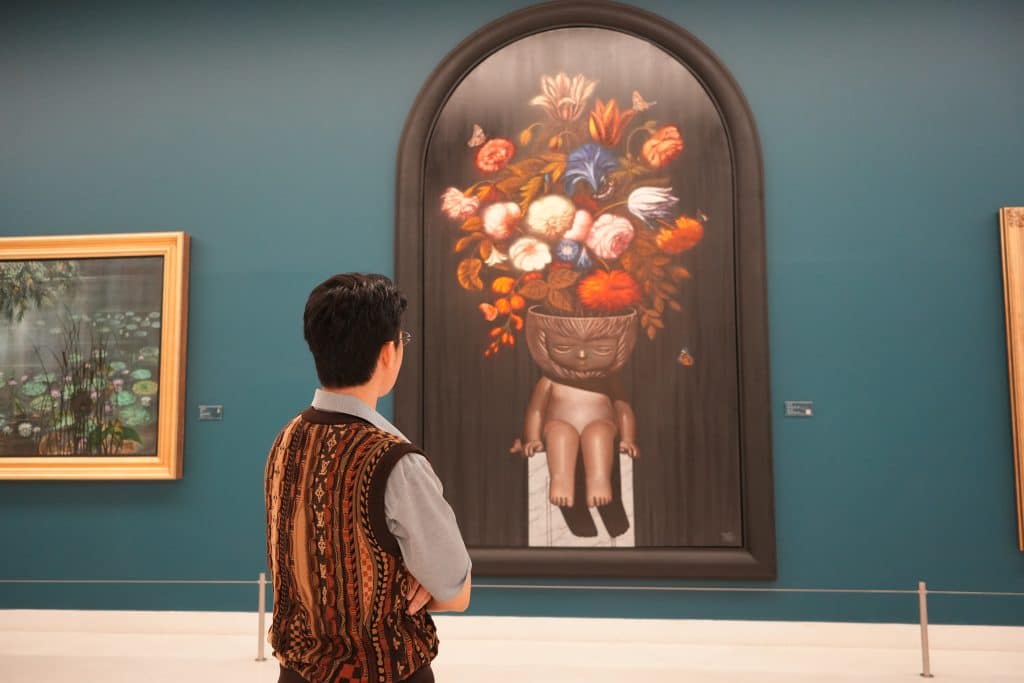
“There are a lot of corners that I like. For example the Thawan Duchanee section. Some of Thawan’s paintings really stand out to me. It’s probably so prominent in my memory because it’s such a significant collection, and Thawan himself played a crucial role in building both the collection and the museum.
There’s also a room called the Bloom Room filled with landscapes, flowers and still-life works, which feels very calming. And I also really like the photography corner.”
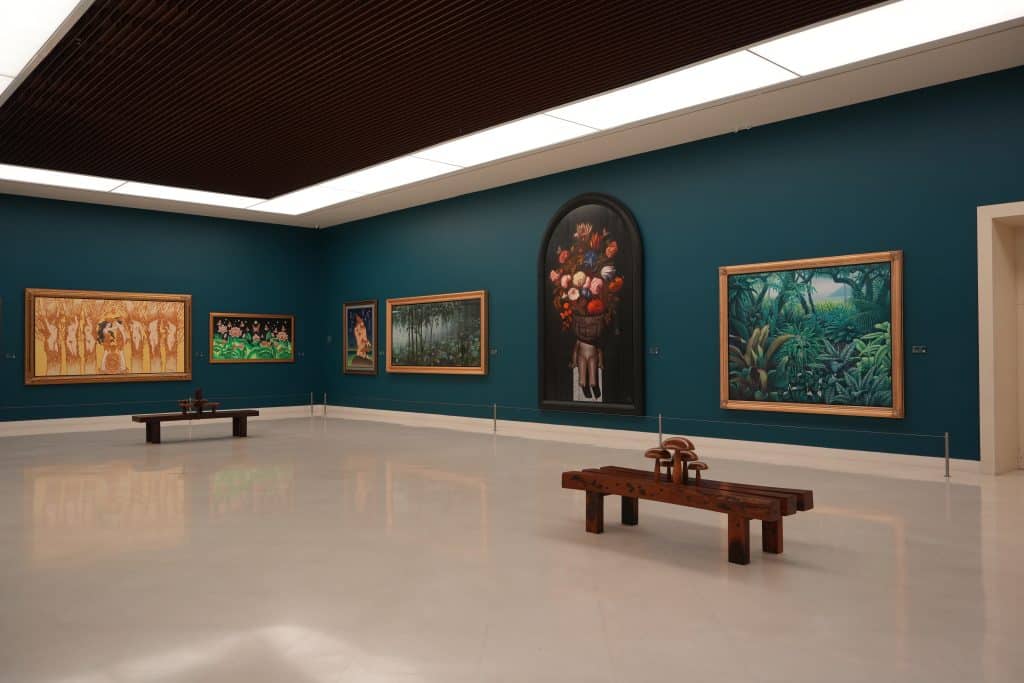
His vision encompasses the hotel industry where he has launched ART Space by MOCA at the Four Seasons Hotel Bangkok, creating opportunities for emerging and established artists to reach a broader audience.
“I was interested in seeing how we could bring art closer to people, and a hotel felt like the right space. It’s interesting to see how guests interact with the works presented to them. The project also challenges the idea that art should exist only within formal institutions or galleries by placing it in a more public setting.
The hotel and our team share the same goal and vision: to support younger, emerging local artists by giving them a platform to showcase and sell their work. Many of the pieces have been acquired by international guests, which becomes a way of exporting local talent beyond Thailand.”
Through MOCA, Kit continues to shape a space that feels both rooted and evolving, inviting visitors to experience art not as something distant, but as something deeply connected to the world around them.
“Growing up I have learned lessons in patience and integrity. An art institution is built over time, not quickly. Staying true to your core values while allowing space for evolution is crucial. I’ve learned to focus on long-term impact rather than short-term validation.
These lessons reflect Kit’s own journey. From early exposure to architecture to later explorations in photography, his path has unfolded at a measured pace. Each experience has informed the next, shaped by patience and a clear sense of values.
From haunting folklore to modern urban horror, here are 10 Thai horror ...
In Emerald Fennell’s adaptation of Wuthering Heights, colour is not decorative. It ...
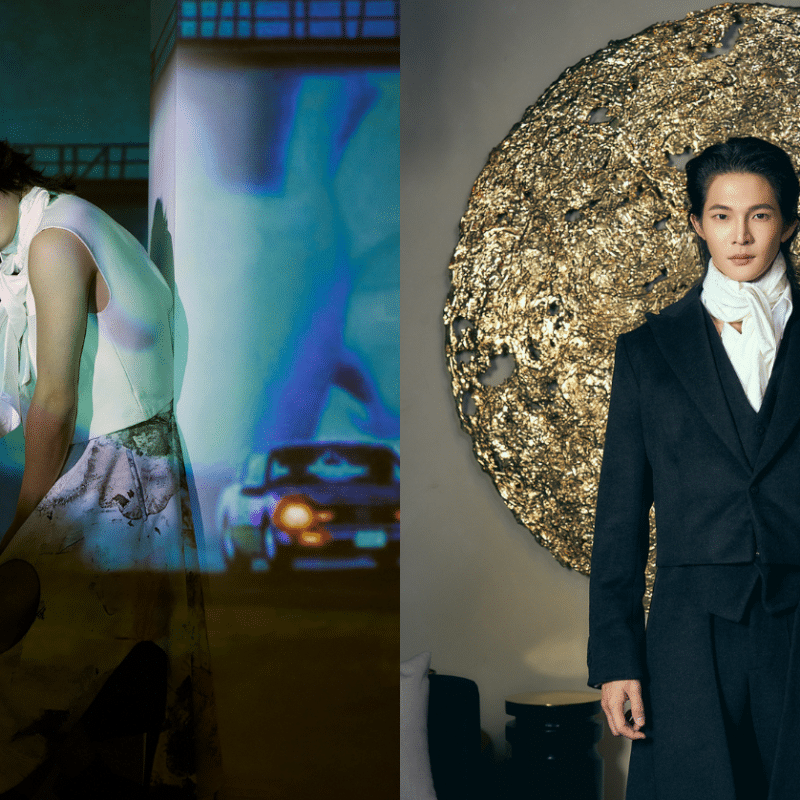
Inside River City Bangkok, a thousand worlds emerge through art, antiques, architecture, ...
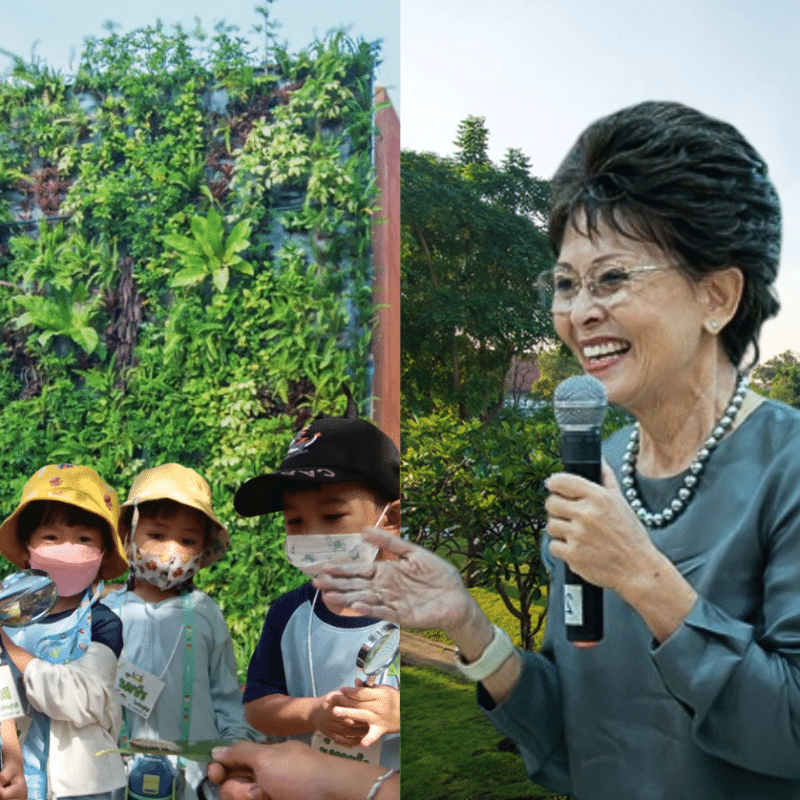
Discover how Dr Chaweewan Hutacharern leads FEED Thailand in turning forests and ...

Wandering around the globe, try out the signature tastes of cultures across ...
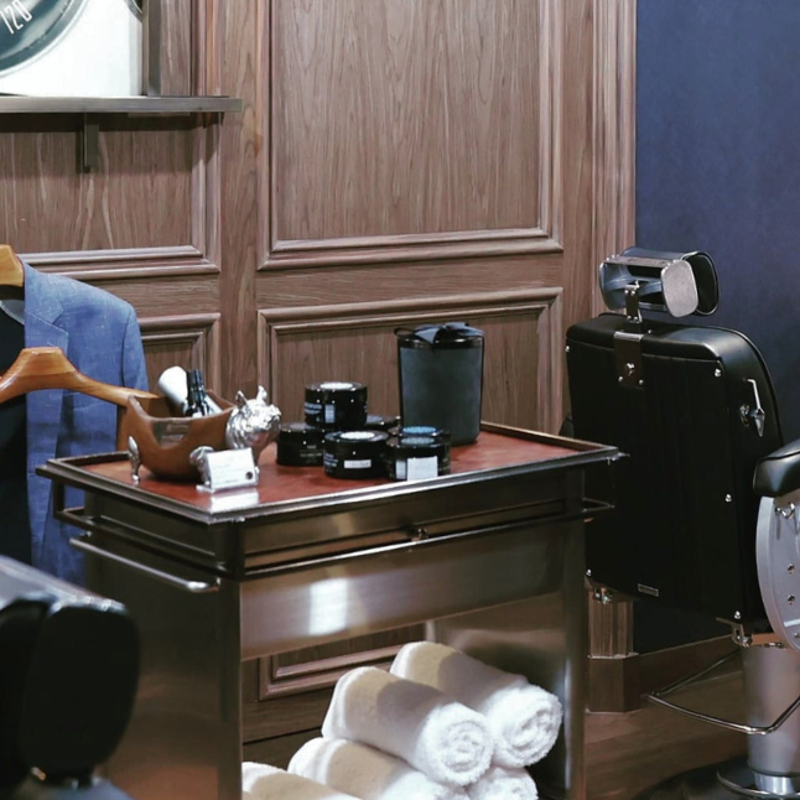
These top 5 barber shops in Bangkok are where gentlemen can elevate ...
Wee use cookies to deliver your best experience on our website. By using our website, you consent to our cookies in accordance with our cookies policy and privacy policy


