
Films
10 Thai Horror Films Featuring Beautiful Ghosts
From haunting folklore to modern urban horror, here are 10 Thai horror ...


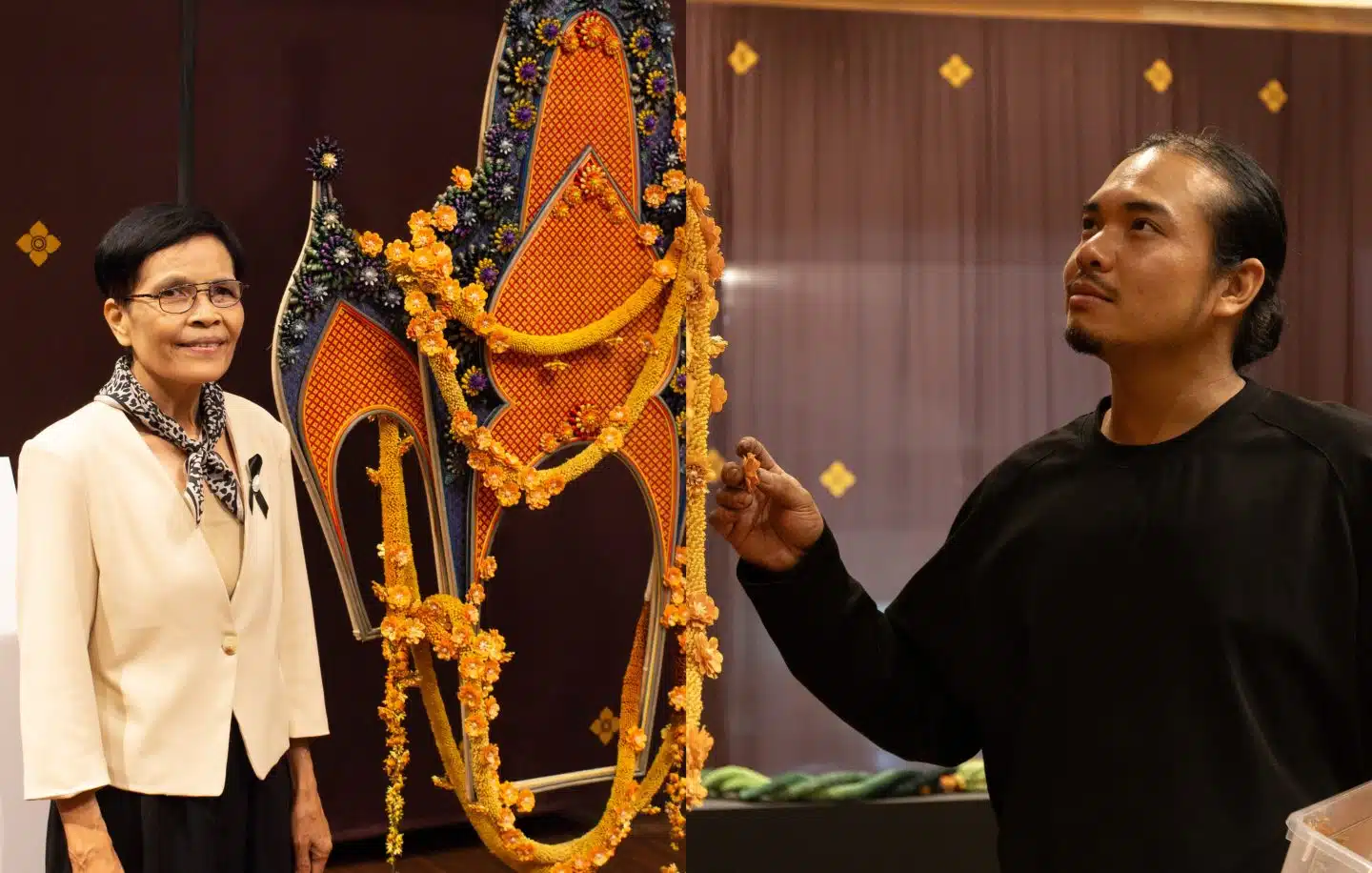
During the festive season, decorative installations appear across the city, many drawn from Western traditions. Koktail chose a different path, focusing instead on local craft. We turn our attention to the work of Thai artisans who shape bamboo into bags, lamps, garlands and hanging mobiles. Each piece, whether small or large, carries a message of heritage, care and the human touch.
“Beauty does not lie in the object itself but in the devotion of the people who patiently create it, piece by piece, for it to take its place in the world,”
said Sawin Saima.
Today we spoke with Sawin Saima, son of Assoc. Prof. Vassana Saima and co-founder of VASSANA. Together they both share the love of craftsmanship. We explore the stories behind VASSANA’s pieces, the journey of the brand and a vision that places local artisans at the centre of contemporary design.
The story of VASSANA did not begin with a business plan, but with research and curiosity. Assoc. Prof. Vassana Saima, a leading Thai academic and designer specialising in product design and craftsmanship, first entered communities across Northern Thailand in her role as a researcher. Her work focused on documenting traditional bamboo weaving patterns as part of her academic studies.
What she encountered went far beyond rare techniques and long-forgotten motifs. Alongside the beauty of the craft were the quieter realities of the people behind it—artisans living with unstable incomes, limited opportunities and skills passed down through generations, yet valued far too little in the modern economy.
“That year there was the Innovative Craft Award, which offered a proper platform to present design-led craft. My mother decided to submit her work, and it became the first piece we ever worked on together. She had already finished the design and was ready to send it off. I remember telling her, ‘Stop, wait a second,’”
he laughs.
“I felt it did not quite speak to the present moment yet. I asked if I could step in and help rethink the piece from a contemporary point of view.
We redesigned it together and submitted it under her name. That work later became the Bird’s Nest Lamp, which went on to win the Innovative Craft Award in 2012.”
VASSANA embraces a clear purpose: every piece tells the story of local life in Northern Thailand. Bamboo weaving in the North has long focused on function rather than ornament, shaped by everyday use rather than decoration. Unlike the more elaborate traditions found elsewhere in Thailand, these crafts were made simply for living.
That heritage is honoured through contemporary reinterpretation. By elevating functional forms into thoughtful objects, Northern weaving is reframed as cultural expression rather than cheap utility, bringing value, visibility and dignity back to the artisans behind the craft. Now Sawin has stepped in fully, taking on every aspect of the brand from marketing and branding to sales and overall direction.
“My mum has a special attachment to the garland. It was the piece where everything really came together for her. At the time it was almost the very first design of its kind; no one had ever turned bamboo weaving into a garland before. Because of that, it became something deeply personal. It represents a moment of belief and experimentation, and it remains one of the works she feels most proud of.”
“For me, as part of the new generation, the piece I feel most proud of is the artwork at Dior Gold House,”
Sawin says.
They spoke constantly with the Dior Paris team. It was exciting but also incredibly challenging. They were given almost no framework at all; the only brief was to reinterpret the Lady Dior bag as a styling piece.
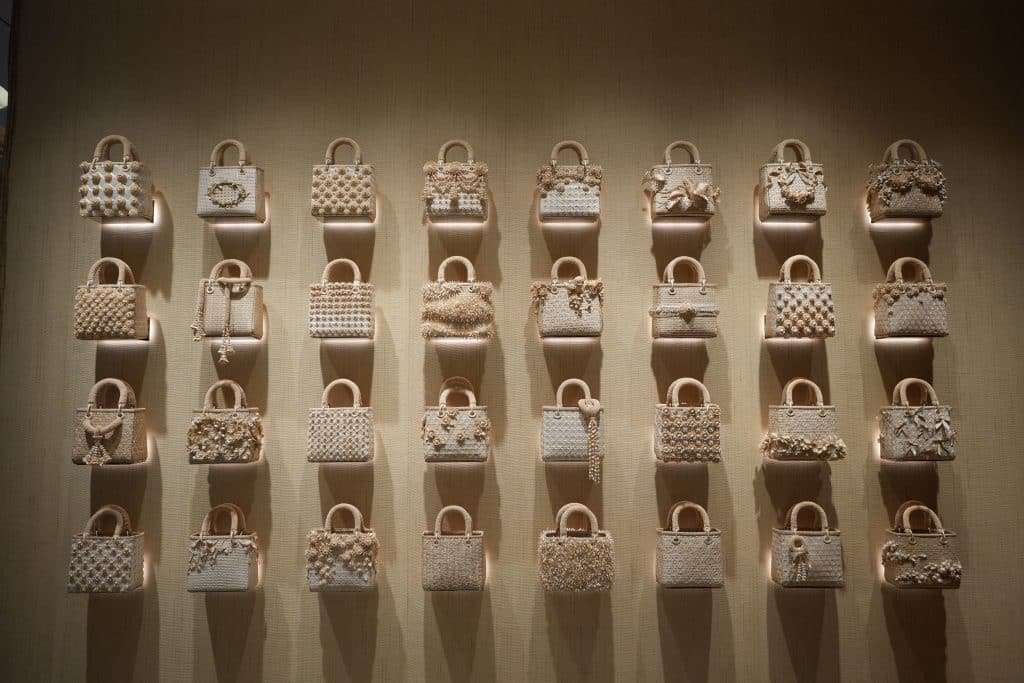
“It felt like asking a close friend what they wanted for dinner: complete freedom but also a lot of pressure. I had to ask myself what story we wanted to tell the world.”
In the end the work returned to VASSANA’s identity: the beauty found in imperfection. Floral forms became the shared language, drawn from bamboo patterns documented through earlier research and naturally linked to Christian Dior’s well-known love of flowers inspired by his mother’s garden. The result felt like a meeting point between two worlds, connected through craft, memory and a shared sensibility.
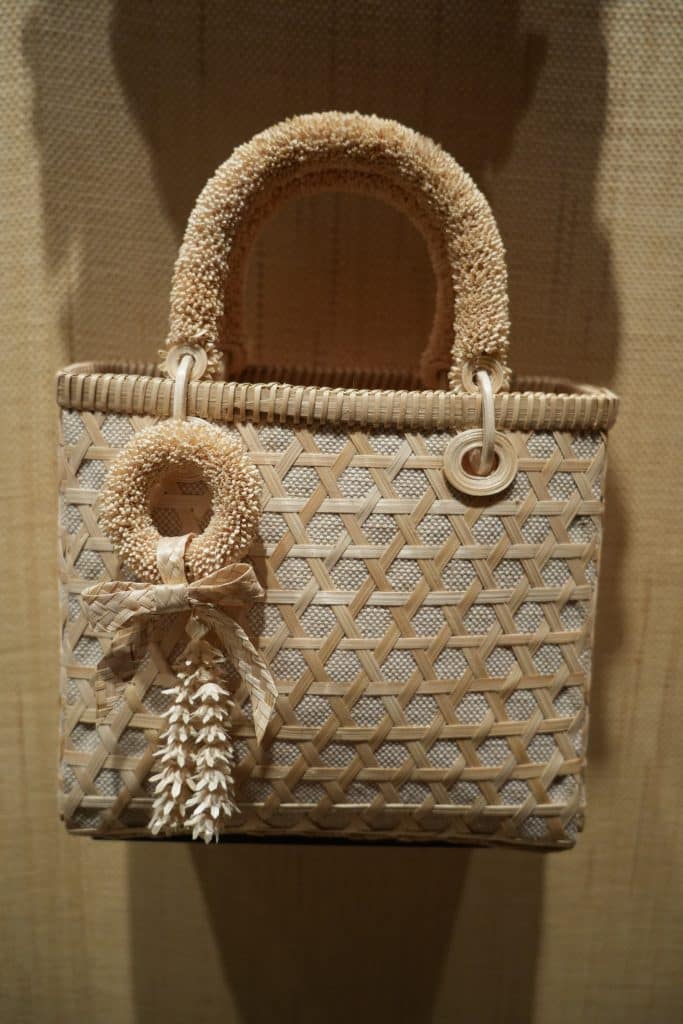
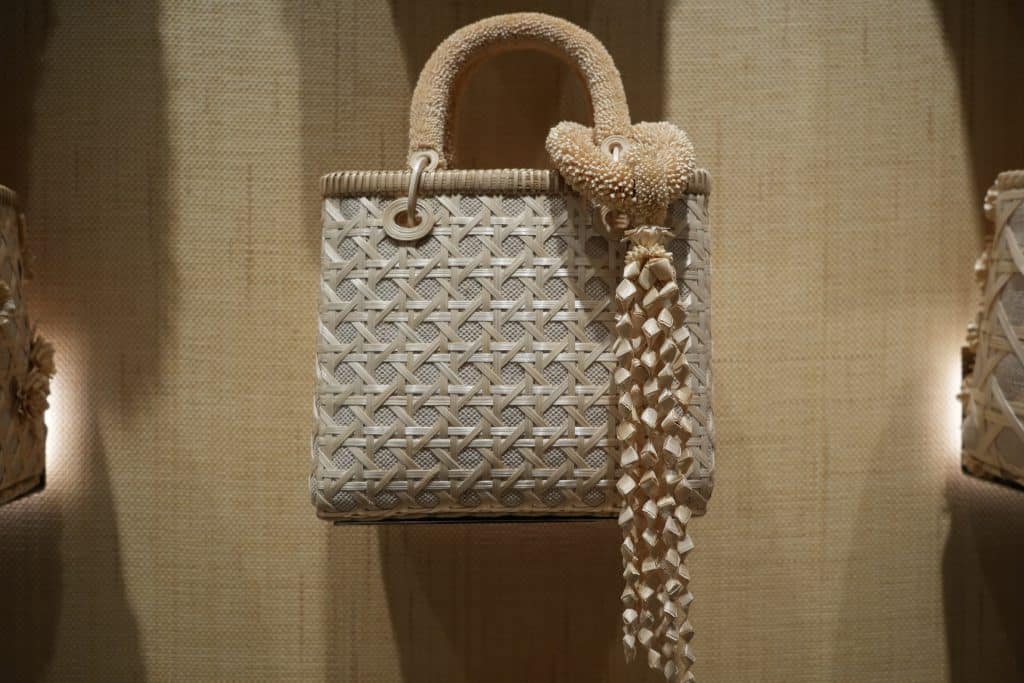
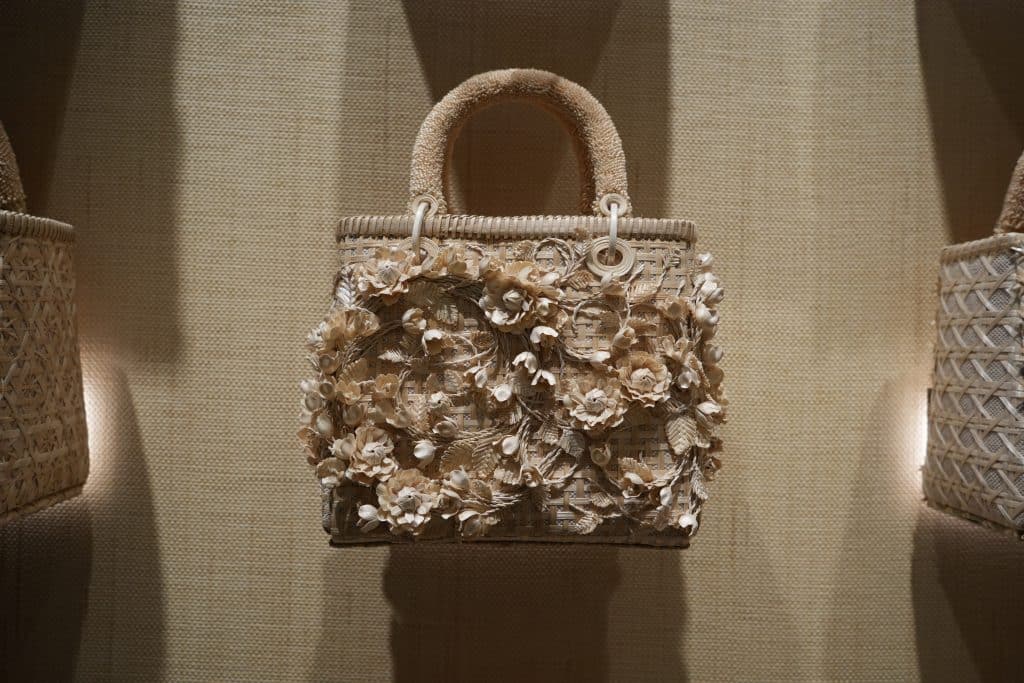
Courtesy of Koktail Thailand
The Lady Dior project revealed clear parallels between Parisian craftsmanship and Thai artisanal work. Floral forms emerged as the common language, bridging Western floral arrangement and the Thai tradition of garland-making, and reframed through VASSANA’s layered perspective on craft, culture and identity. The project features 32 reinterpreted Lady Dior bags, arranged on a wall.
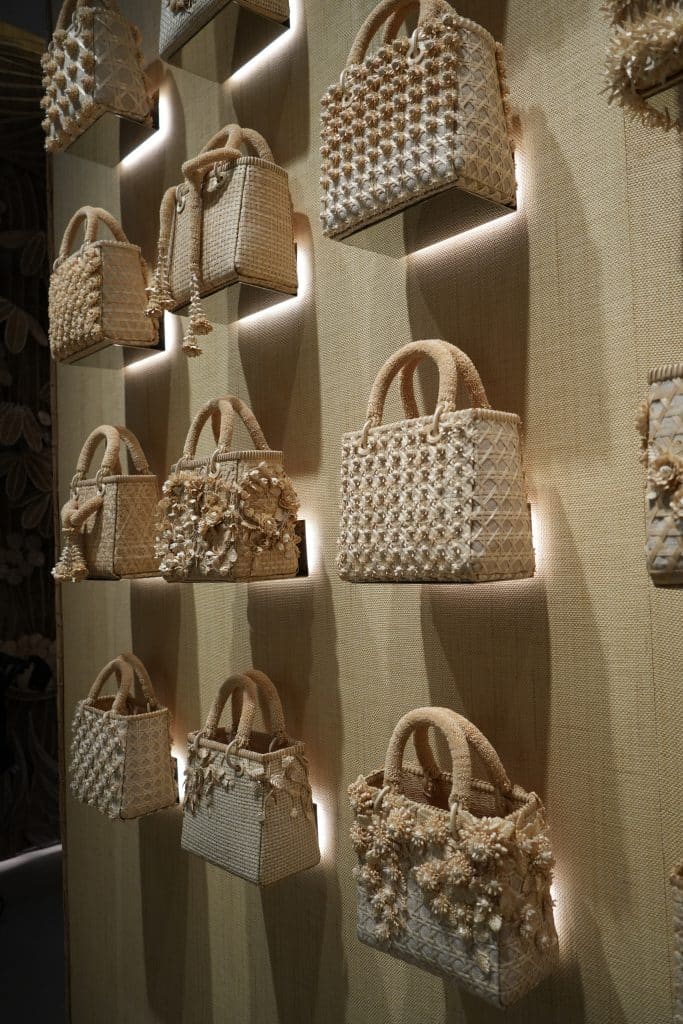
Regarding the latest project of VASSANA at Park Nai Lert, Sawin gives us some insight of his vision in creating the work for the Nai Lert Flower & Garden Art Fair.
“One year my mother and I had the chance to visit a flower exhibition. There was a floral design competition and if I remember correctly, it involved flower arrangements and chandeliers. I remember thinking how much I wanted to enter. The concept in my mind was Kasornthimala, a character from Ramakien. But then Covid happened, the competition format changed, and eventually it disappeared altogether. In the end we returned to Nai Lert not as a competitor but as artists. The Nai Lert team kindly invited us to present an exhibition in the central hall of Nai Lert Park Heritage Home.”
This time the long-held Kasornthimala concept finally returned. The work reinterprets a classical literary episode through a contemporary lens. At the centre is Kasornthimala, a seemingly ordinary character who shares a deep friendship with Mangkorakarn, a giant aligned with the opposing side. Their bond challenges the idea of clear moral divisions.
Kasornthimala’s voluntary sacrifice reflects a deeper truth: life holds both light and darkness, birth and decay. Often likened to a fragrant flower, Kasornthimala becomes a symbol of courage, impermanence and acceptance of the natural cycle of existence.
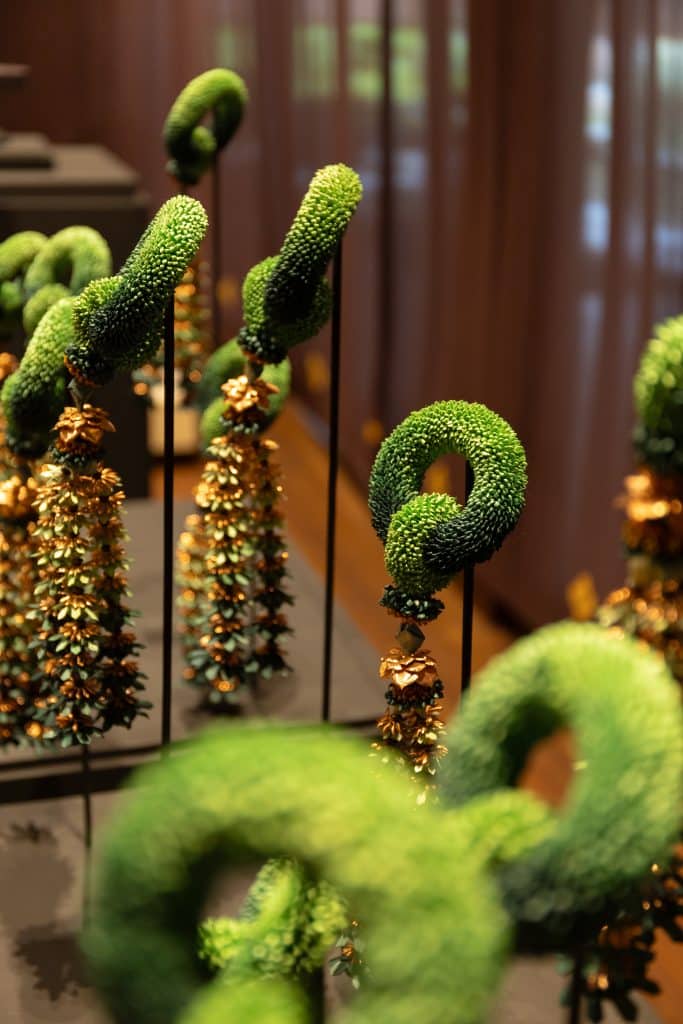
“Sometimes flowers feel more beautiful when we understand that their bloom is fleeting. Knowing they will one day fade makes the moment more meaningful.
Each encounter – whether to celebrate, to gather or simply to meet – gains value through this awareness. When we remember that nothing is permanent, we meet others with greater care and presence. This idea lies at the heart of the latest exhibition at Nai Lert Park.”
For Sawin and VASSANA, growth comes from continually challenging boundaries, as seen in an upcoming project next year that will cross over into another industry. Sawin hints that it’s a project he never expected to take on.
At the heart of this journey is a wider vision. He hopes to see creativity decentralised, allowing people to return home, draw from local wisdom, and transform regional identity into sustainable work. His mission is simple yet ambitious: to prove that craft is not only heritage but a living art form with the power to grow, evolve and create real economic impact.
From haunting folklore to modern urban horror, here are 10 Thai horror ...

In Emerald Fennell’s adaptation of Wuthering Heights, colour is not decorative. It ...
Inside River City Bangkok, a thousand worlds emerge through art, antiques, architecture, ...
Discover how Dr Chaweewan Hutacharern leads FEED Thailand in turning forests and ...
Wandering around the globe, try out the signature tastes of cultures across ...
These top 5 barber shops in Bangkok are where gentlemen can elevate ...
Wee use cookies to deliver your best experience on our website. By using our website, you consent to our cookies in accordance with our cookies policy and privacy policy


