
Accessories
Black Grills: Homage to the Asian Tradition of Blackened Teeth, Once a Mark of High Status
Sailorr and Molly Santana’s black grills fuse hip-hop swagger with homage to ...


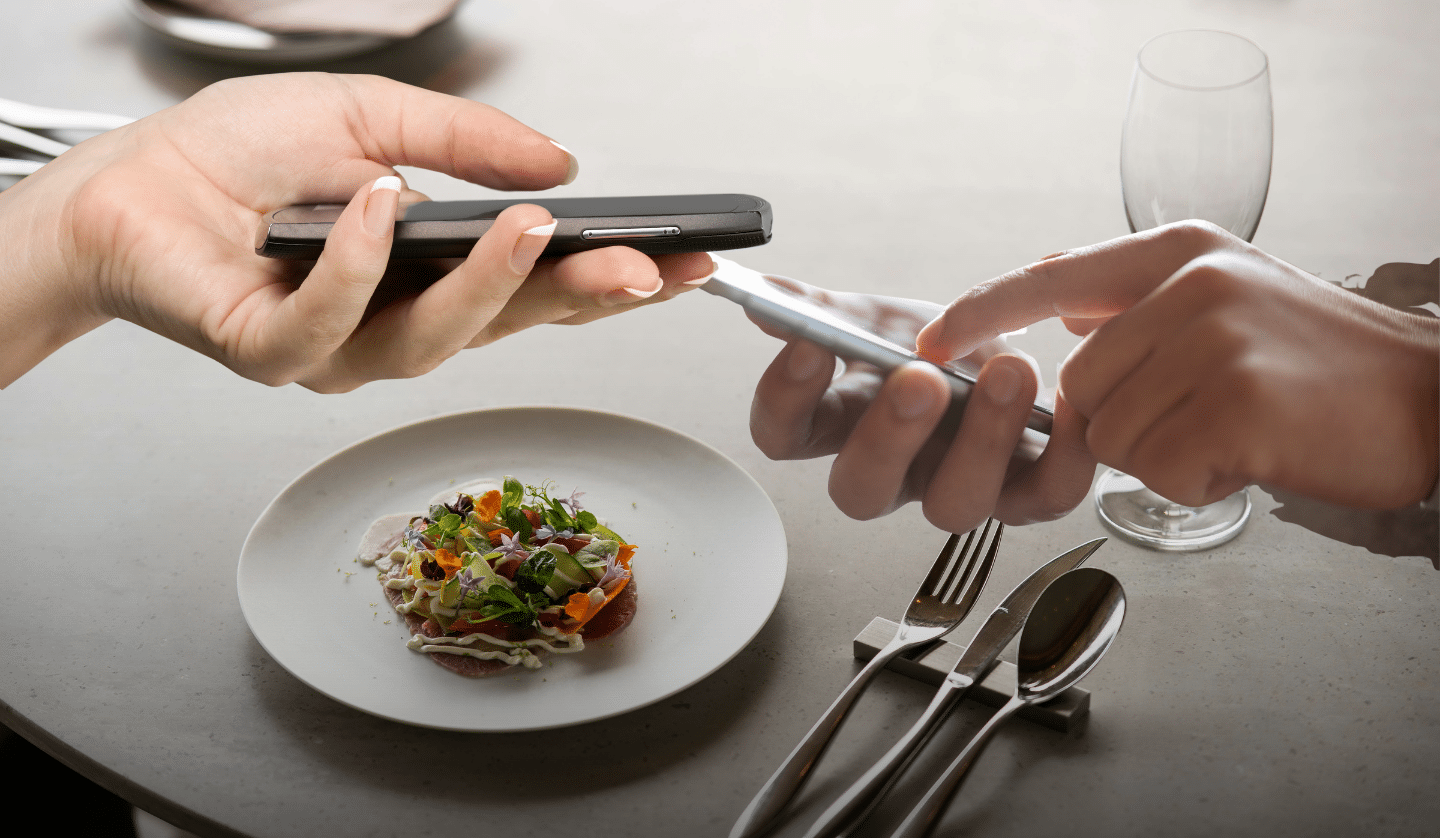
His recent phone ban announcement centres on limiting the use of phones and cameras during most of the meal, with the intention of protecting the future sense of surprise, presence and emotional connection between guests’ food and atmosphere.
The discussion touches a deeper question that many chefs and restaurateurs are now facing. What does it mean to dine well in an age where nearly every moment is recorded, shared and judged online. Over the past two decades, dining culture has changed dramatically. Social media has become an essential part of how restaurants survive, communicate and grow. At the same time, many feel that something quieter and more personal has been lost. Meals are no longer about taste and conversation. They are about images, videos and checklists.
To hear from the most important people involved, Koktail invited a selection of Bangkok’s leading chefs to share their perspectives on the hot topic of phone use at the table.
Chef Arnaud of Maison Dunand expressed understanding for restaurants that choose to limit phone use, especially when the experience relies heavily on surprise.
“I understand the point of view of restaurants that offer a very specific experience, where filming and posting can remove the element of surprise. In more classic fine dining, I do not think this is always necessary. The larger issue is that some guests now come mainly to take pictures rather than to enjoy the meal itself. For me, this is more about education, although we also have to live in our time.”
Chef Alessandro from Acqua shared a different view, rooted in hospitality and long term relationships with guests.
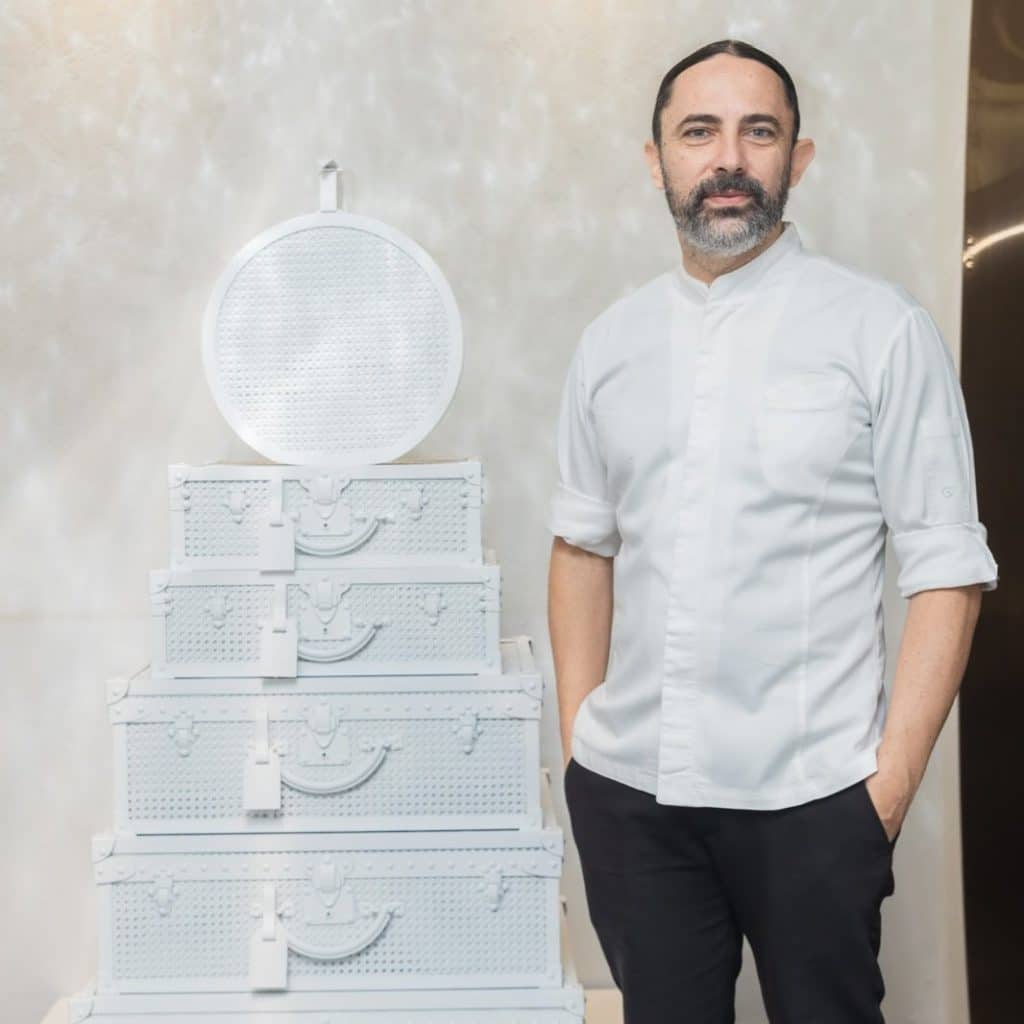
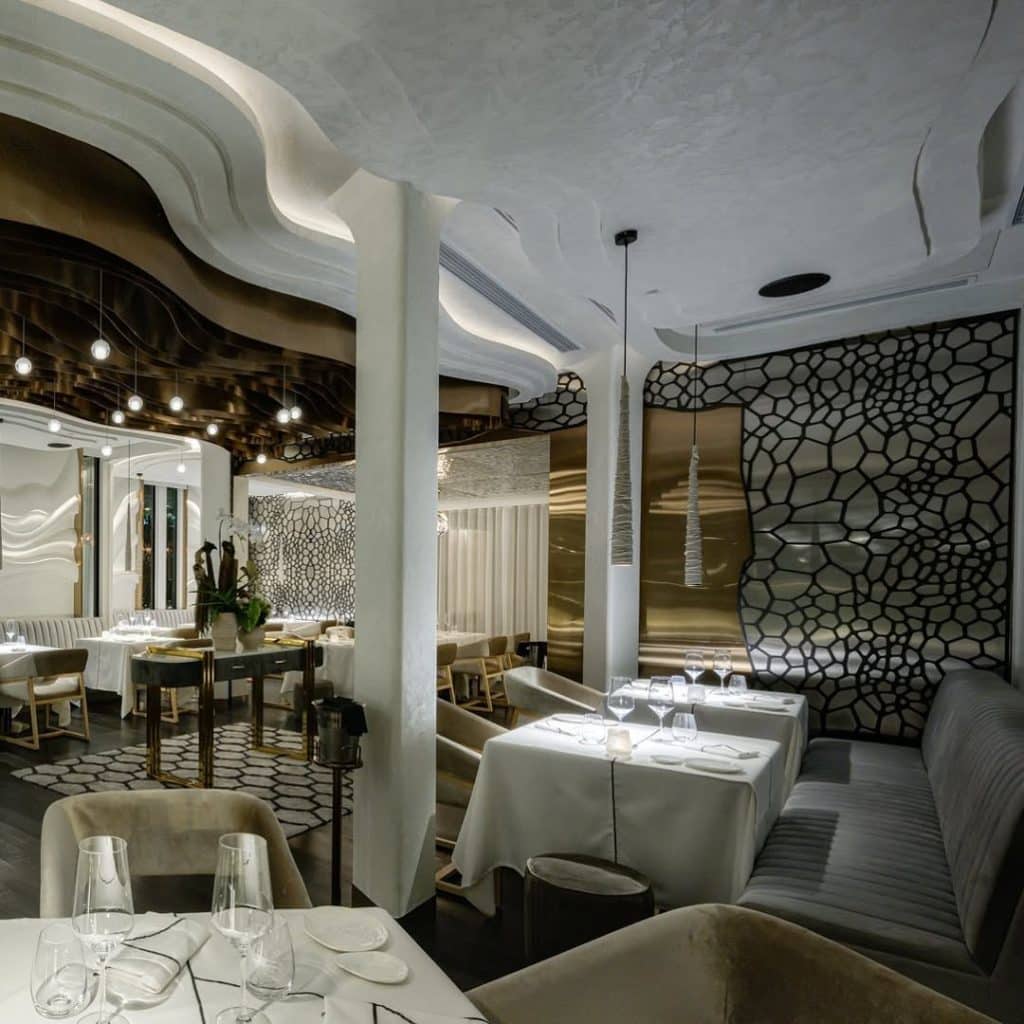
“In my opinion, we cannot prohibit customers from using their mobile phones unless they disturb other guests. We are in the hospitality business, and hospitality means accommodating people as much as possible. If we begin by saying you cannot do this, you cannot eat that, or you cannot change anything, the experience can quickly become negative. That guest may never return.
Our approach is focussed on building long term relationships, not one-time experiences. Warm hospitality and a friendly atmosphere are what many guests are looking for today. Mobile phones are part of daily life. They help people store memories and share them with others. They are also a valuable marketing tool for restaurants. For these reasons, I see more benefit in encouraging responsible use rather than prohibiting it.”
Chef Valentin from Duet highlighted respect for individual choices, both from guests and from restaurants.
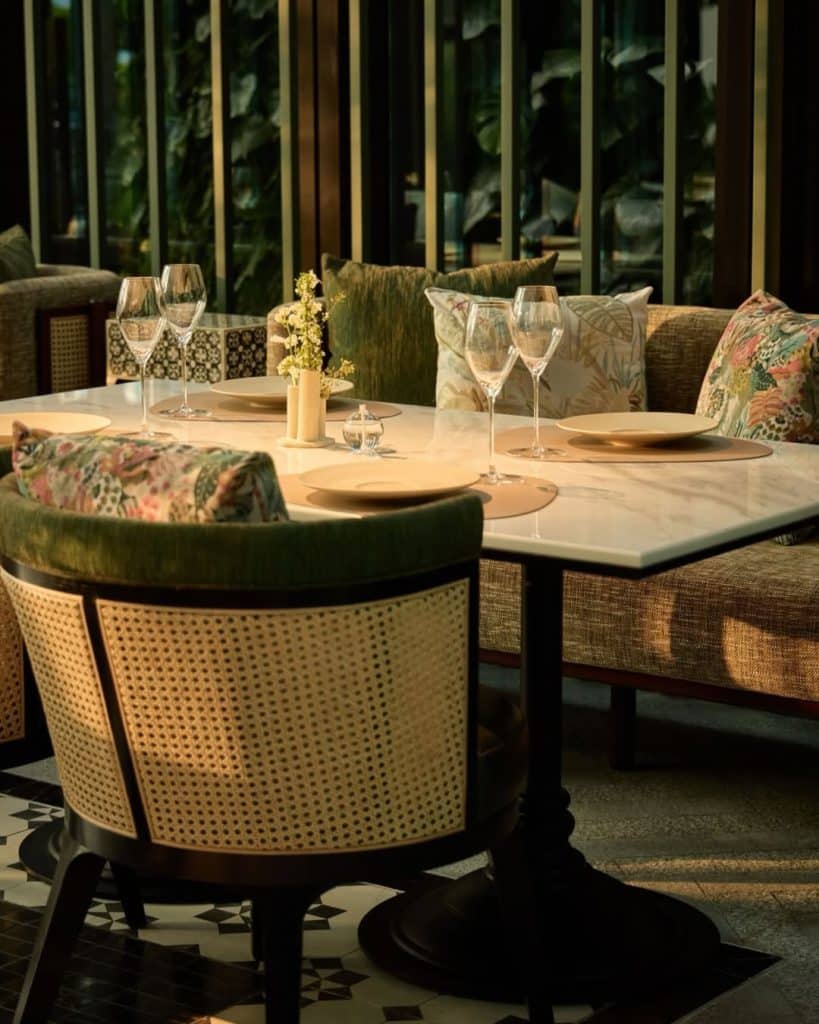
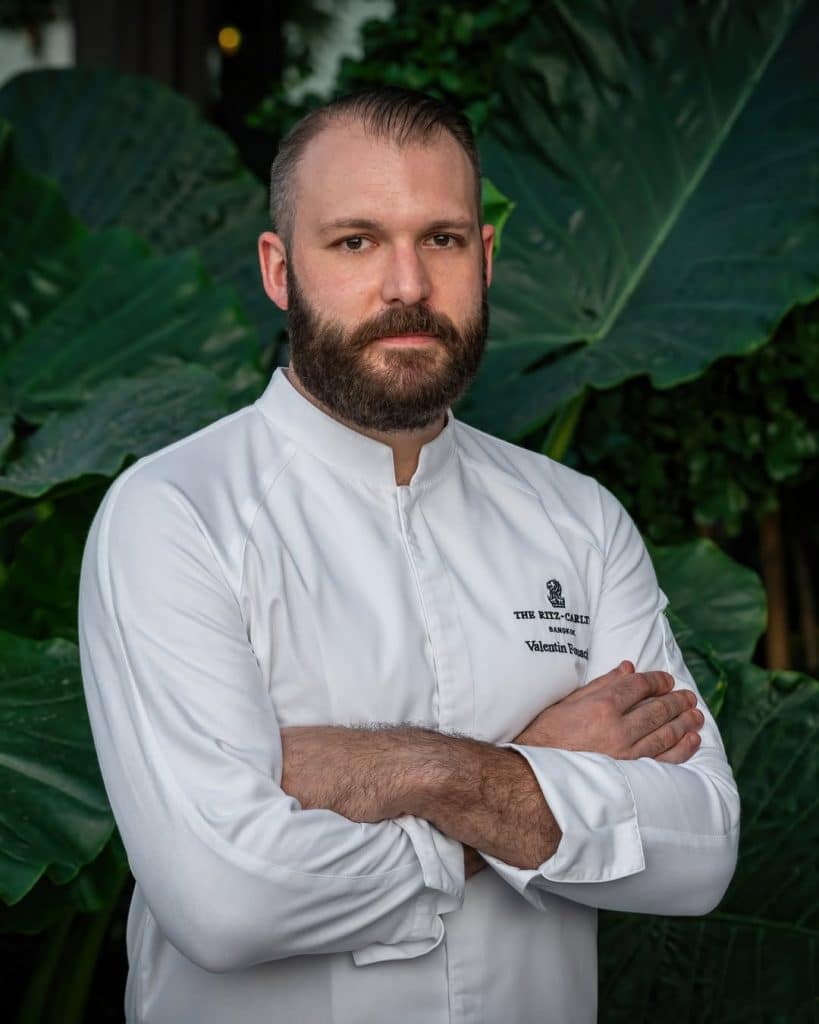
“It is a respectable decision to limit mobile phone use, and I respect it. Personally, I would not apply this rule myself. I prefer to let guests decide how they use their phones. Phones are now an integral part of everyday life and enforcing a strict policy during a meal can be difficult. That said, every restaurant has the right to choose its own path, and all points of view are valid.”
From another perspective, chef Baitong from Sanitwong offered a balanced and culturally sensitive view.
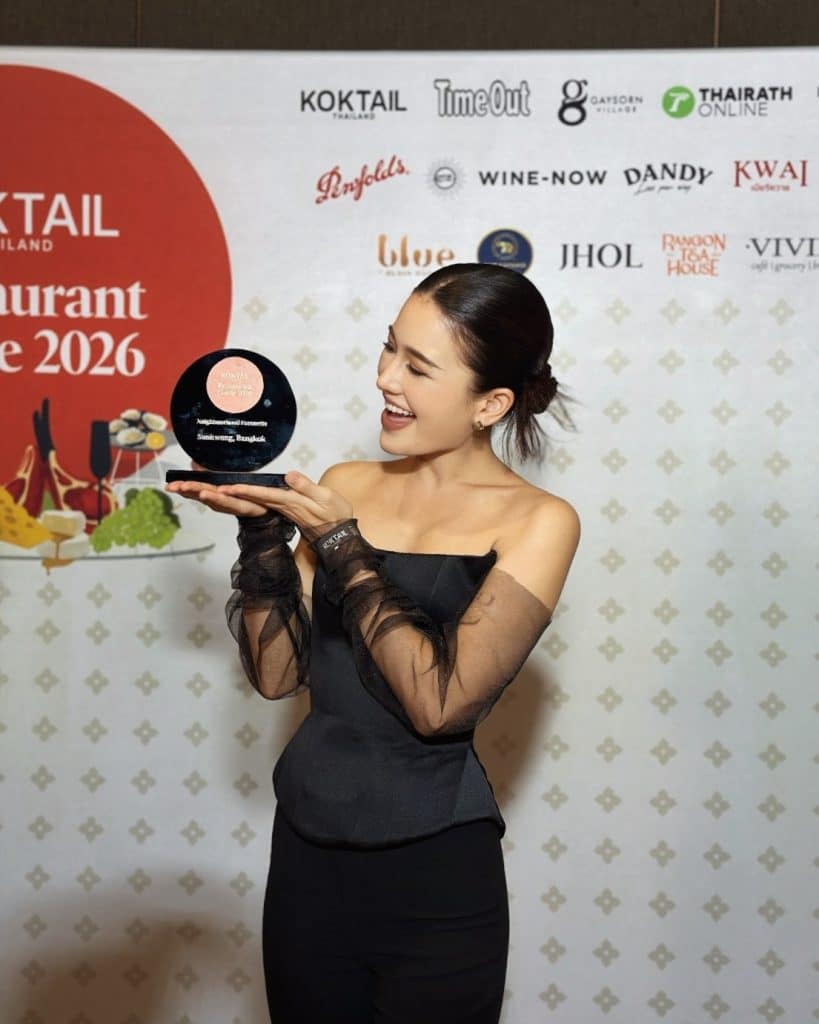
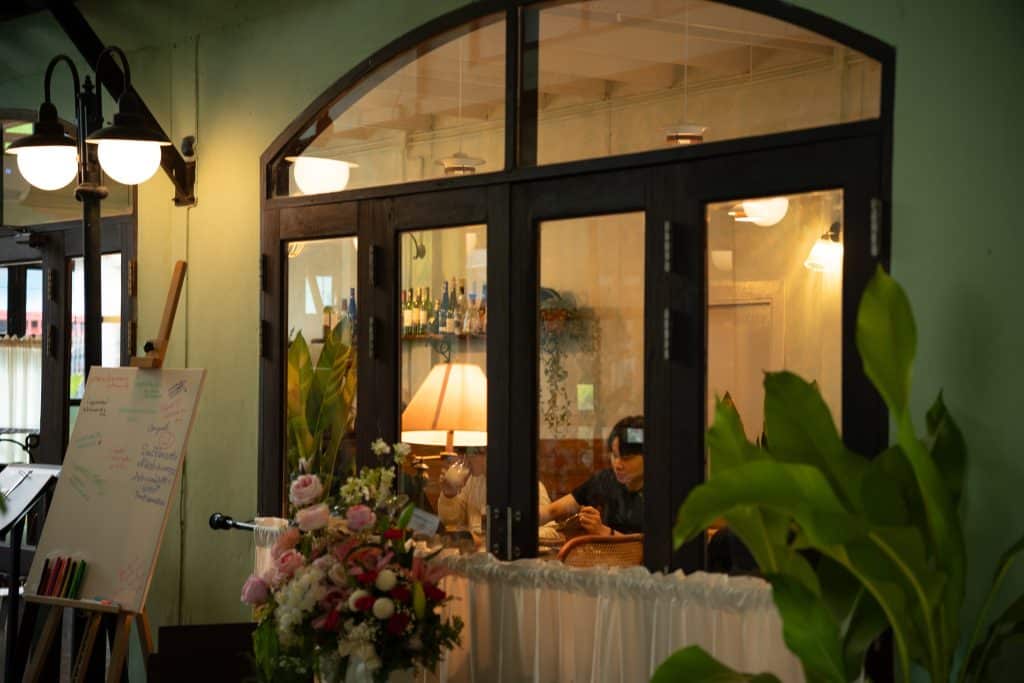
“In my restaurant, I understand the intention behind limiting phone use. It encourages guests to enjoy what is in front of them without distraction. However, as a casual dining space, we do not prohibit phones. Many guests dine with family and loved ones, and taking photos or videos helps them keep shared memories. Smartphones can be part of that experience.
I do not feel that restaurants who limit phone use are wrong. Each restaurant has its own policy. I prefer to be flexible and allow guests to choose what feels comfortable for them. Guests already honour us by choosing to dine in a small restaurant. How they record their memories is a personal matter. From another perspective, chefs may wish guests to experience the moment fully, without spoiling the surprise.”
Other chefs echoed this sense of balance, while highlighting the intention behind limiting phone use in certain dining experiences.
Chef Aom from Khaan explained that from a culinary point of view, it is easy to understand why some chefs prefer guests to put their phones away.
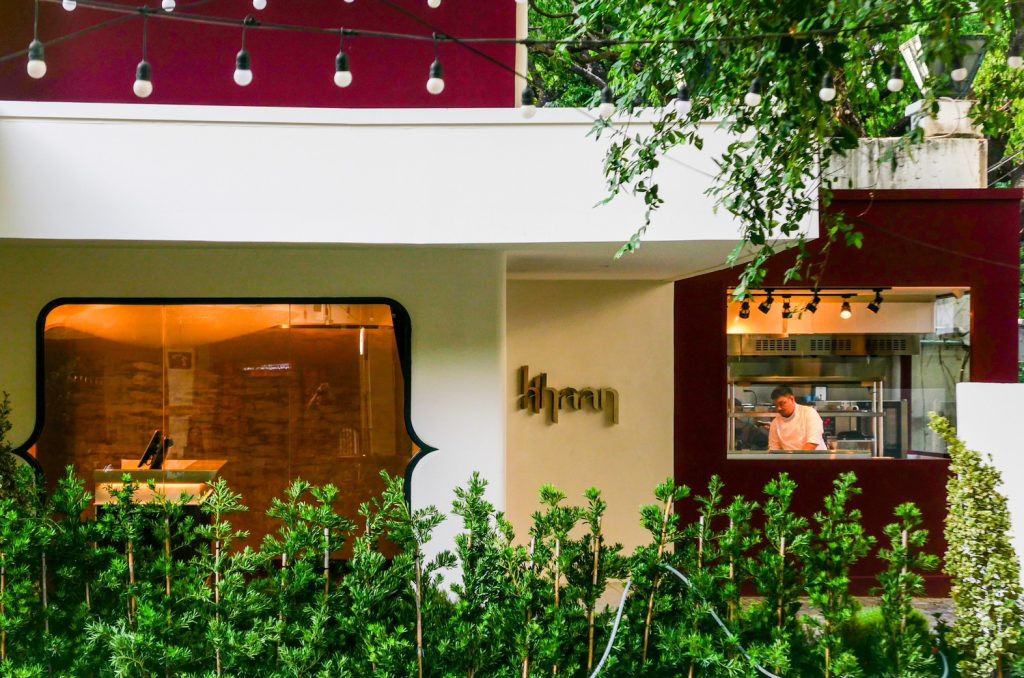
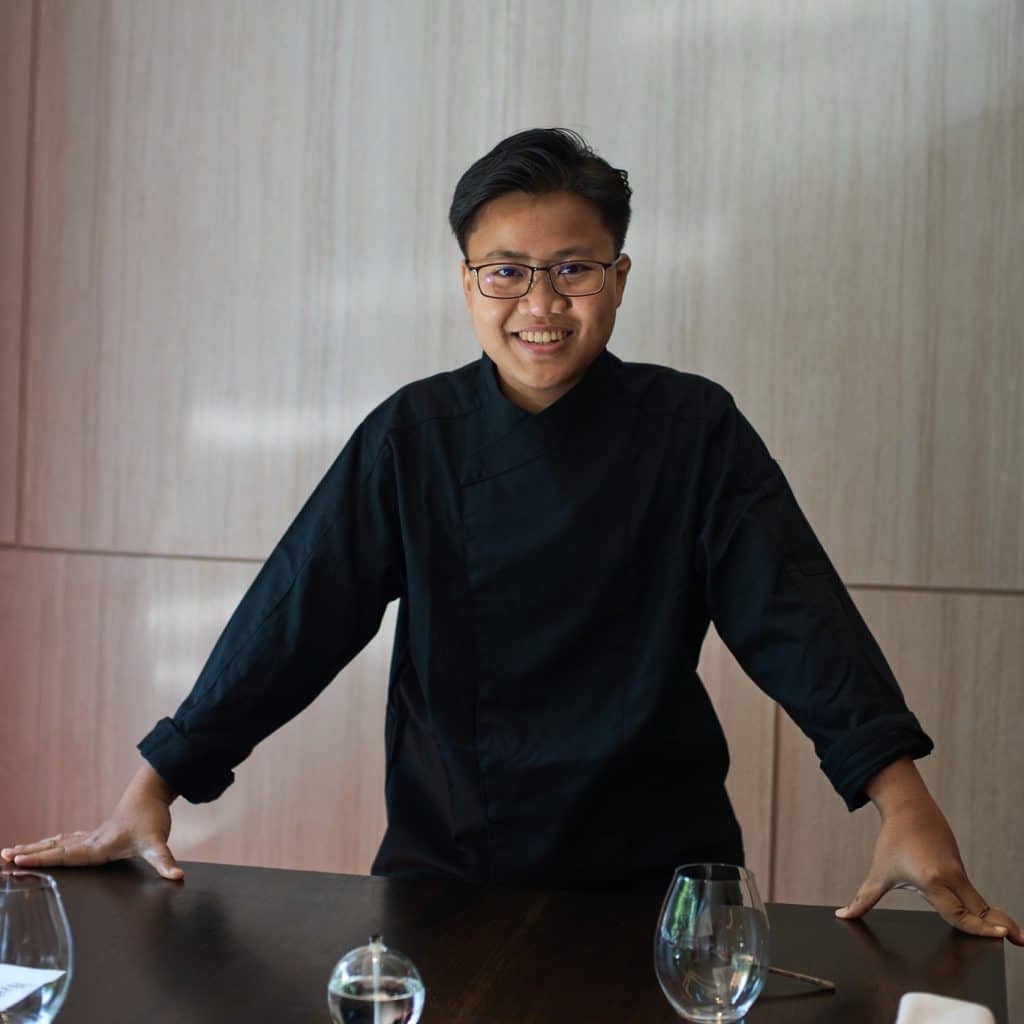
“Each dish carries many details, from the story behind the ingredients and suppliers to the technique and the correct serving temperature. Some dishes must be eaten hot, others cold. Chefs hope guests will focus on what is in front of them, use their imagination, and experience each course fully, tasting the flavours and textures as intended. This approach is not new, as some fine dining restaurants abroad have long limited phone use. At the same time, guests may wish to keep memories or share them with family and friends. In the end, it comes down to personal comfort. There is no right or wrong.”
Another anonymous chef viewed the issue through both the chef’s and the diner’s perspective.
“When a chef creates a dish, it involves a great deal of thought and intention. Naturally, chefs want guests to feel that care and perhaps hear the story behind the food. At the same time, for some diners, the experience may be their first or a very special occasion. Wanting to capture that moment through photos or video does not feel wrong. Perhaps asking for cooperation, rather than enforcing strict rules, can help avoid discomfort for both sides.”
A further voice from chef Tan of Goat Bangkok compared certain dining experiences to a performance, where attention plays an important role.
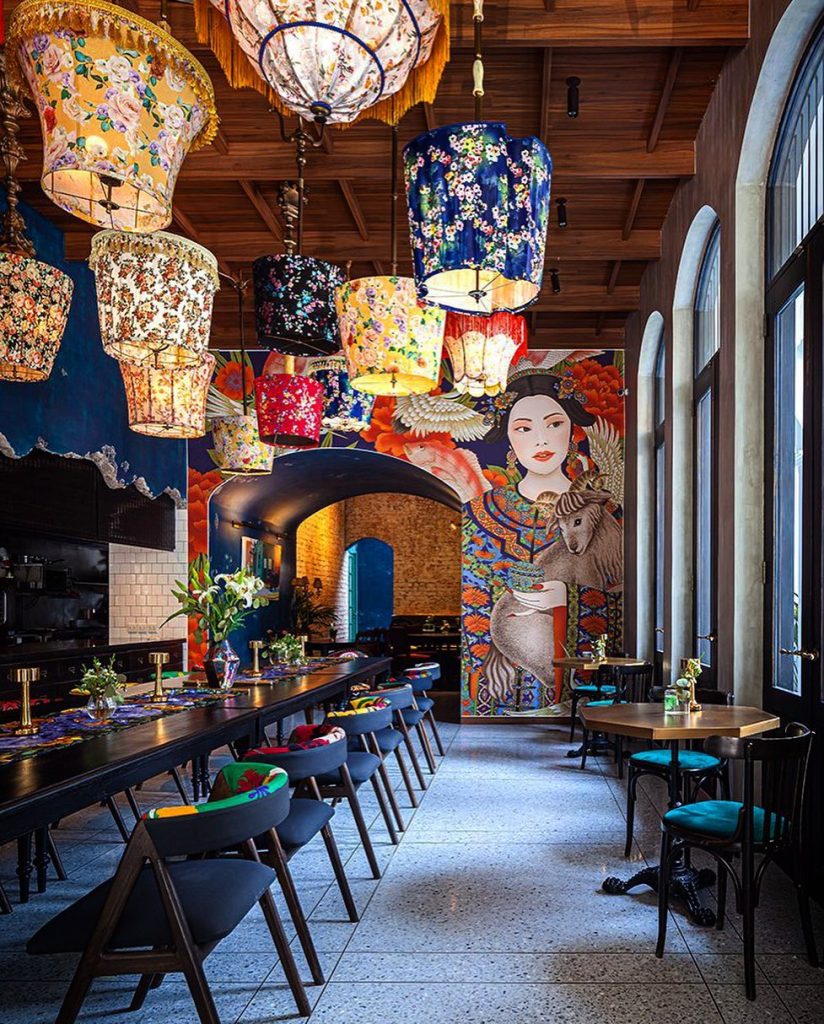
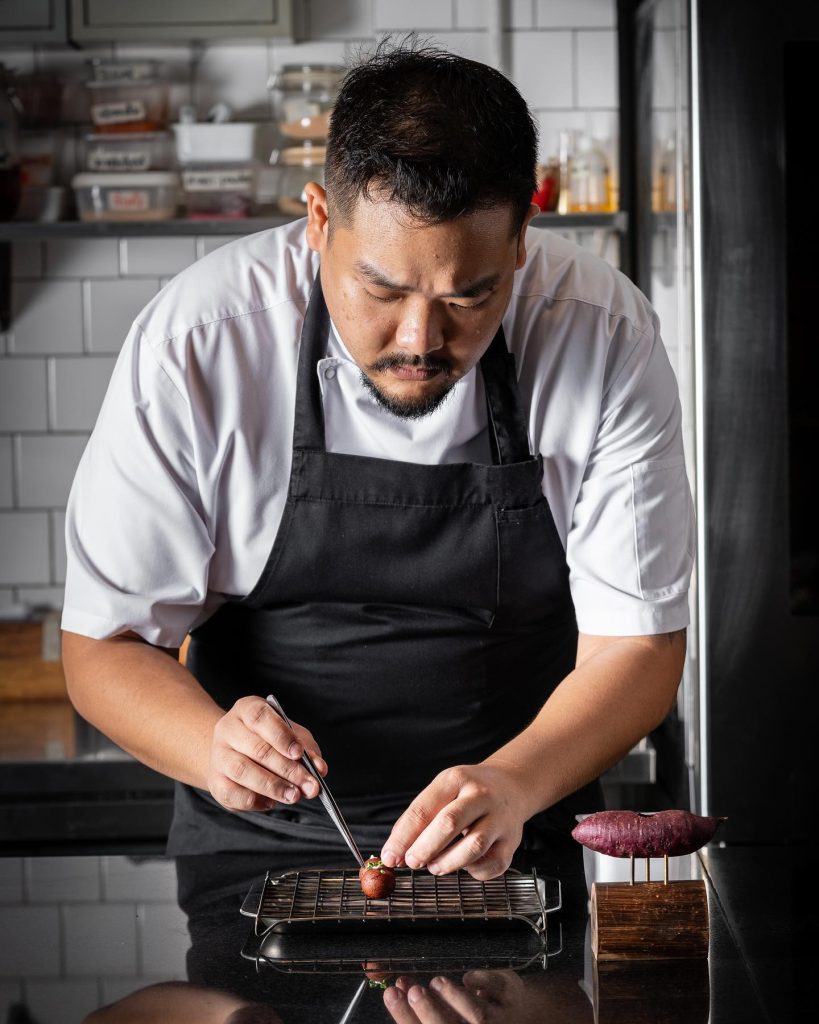
“Some dining experiences are closer to a show or a theatre, where full attention really matters. Personally, I love it when guests focus on the food, the flow of the meal, and the moment. That said, our role is to create the best possible experience for our guests. If using a phone is part of how they enjoy or remember the experience, that is also fine. For us, it is more about guiding the experience than controlling it. When the experience is engaging enough, guests will naturally put their phones down.”
Chef Pop of ADHOC offered a thoughtful perspective that sits between structure and flexibility.
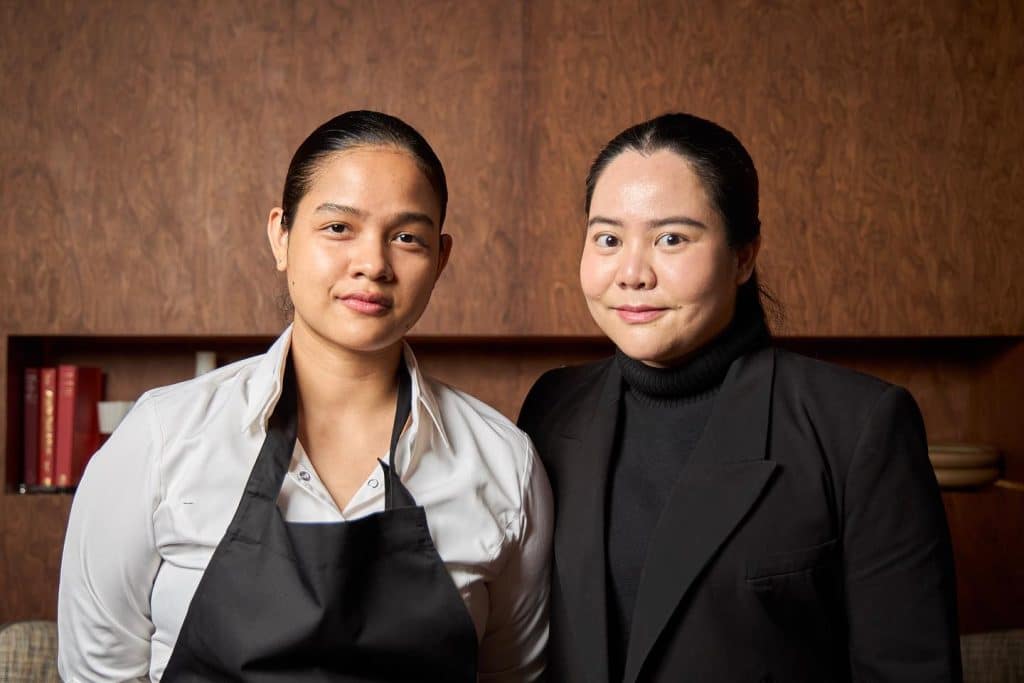
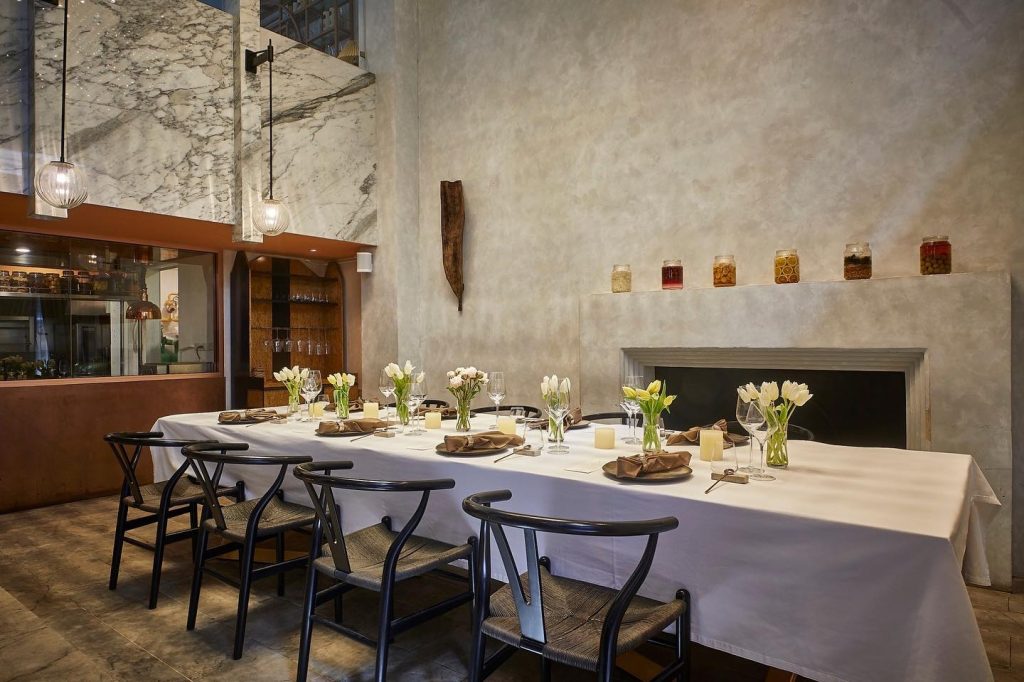
“I see challenges in applying a strict, universal ban on phone use at the table. Dining, especially during a special meal, is about enjoyment, connection, and creating memories, and for many guests, capturing moments is part of that experience.
At the same time, I understand the chef’s intention behind such policies. There is a strong desire for guests to be present and fully immersed in the food, atmosphere, and service.
Ultimately, this is not a question of right or wrong. It depends on the restaurant’s concept, the chef’s philosophy, and the guest’s willingness to engage with that vision. What matters most is clarity of intention and alignment between both sides.”
What emerges from these voices is not a question of right or wrong, but a reminder of the diversity within today’s dining world. While dining habits continue to change, conversations around phone use at the table will naturally remain part of the discussion. In our view, the most important point is to respect this diversity. Each restaurant has its own vision, and each guest has their own way of experiencing a meal. Respect, understanding, and openness on both sides of the table matter more than enforcing a single rule.

Sailorr and Molly Santana’s black grills fuse hip-hop swagger with homage to ...
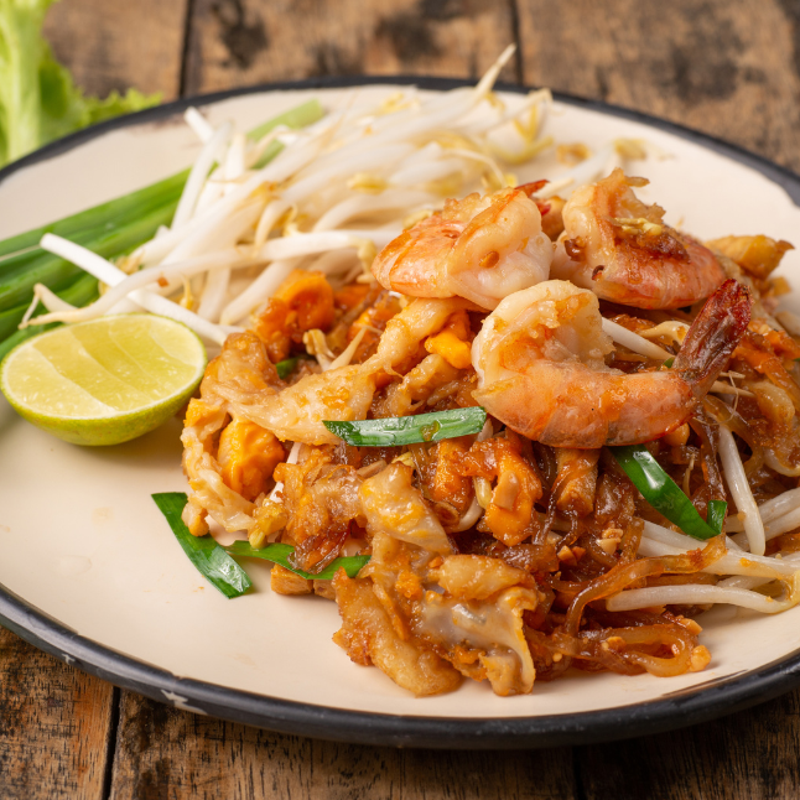
Wandering around the globe, try out the signature tastes of cultures across ...
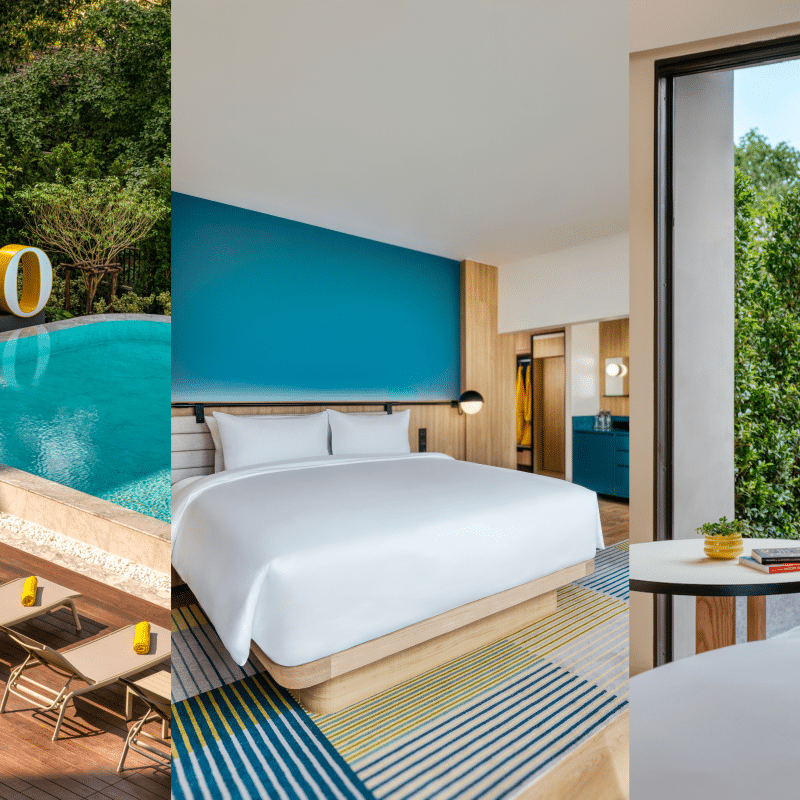
IHG’s voco Bangkok Surawong opens in Bangkok, offering a comfortable city stay ...
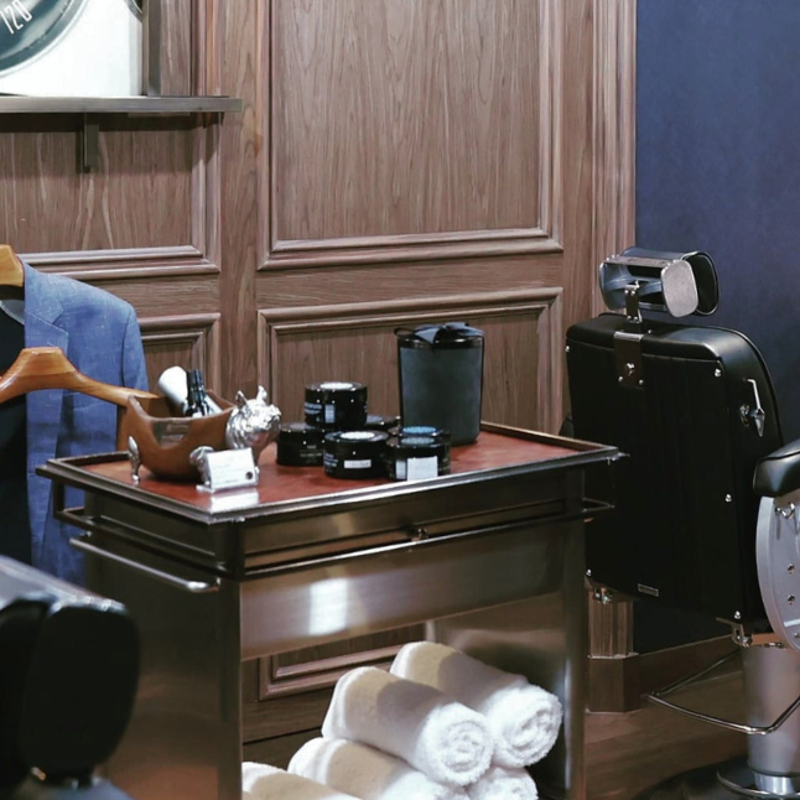
These top 5 barber shops in Bangkok are where gentlemen can elevate ...

Koktail has handpicked these five must-read books by Thai authors, translated into ...
Welcome to Baan Trok Tua Ngork, a home where history lingers in ...
Wee use cookies to deliver your best experience on our website. By using our website, you consent to our cookies in accordance with our cookies policy and privacy policy


