
Food & Drink
10 Best Gelato Spots to Welcome the Summer Heat
Explore the 10 best gelato spots in Bangkok and nearby cities, where ...



Gothic and romantic aesthetics linger quite powerfully as this year draws to a close, just as they set the tone from the start of the year. From Nosferatu haunting cinema screens to Wolfman, Dracula: A Love Tale, Sinner and the return of Netflix’s Wednesday series 2, classic monsters are once again creeping back onto centre stage. And following closely behind is fashion itself: lace, ruffles, dark romance and dramatic silhouettes echoing across runways and red carpets.
As these new films reinterpret age-old legends, the visual language of gothic horror finds fresh life in today’s style landscape and makes its way into people’s wardrobes.
Read about how Nosferatu aesthetics and Paris SS25 parallel each other here.
With Frankenstein (2025) having landed on Netflix last month, the season is calling for gothic devotees to linger longer in the gloom. Scroll below for some eerie insights into the work of its costume designer Kate Hawley, crafted to thrill and unsettle – and perhaps make you love the film like I do.
Frankenstein is an adaptation of Mary Shelley’s 1818 gothic novel, reimagining the timeless story for a new generation. Directed by Guillermo del Toro, the 2025 interpretation expands the narrative by placing greater emphasis on emotional depth, including an exploration of fatherhood alongside the classic themes of creation, responsibility and humanity.
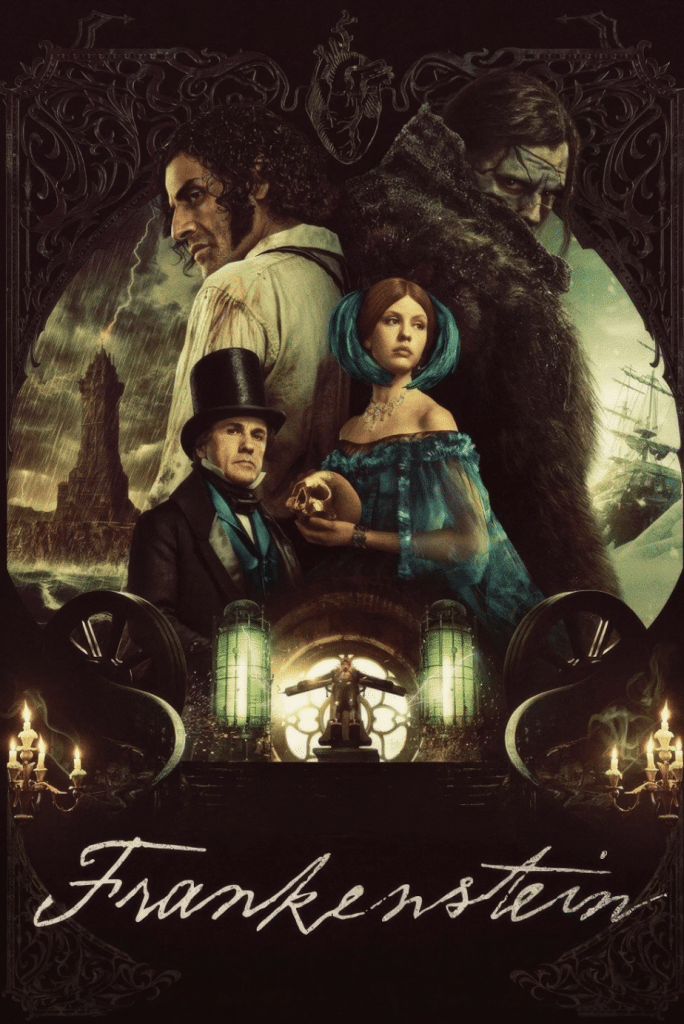
The story follows Victor Frankenstein (played by Oscar Isaac), a young scientist determined to expand the horizons of scientific knowledge. He assembles a human body from various remains and brings a new being to life through an unnatural surge of energy. But the moment the creature (played by Jacob Elordi) opens its eyes, Victor recoils in fear and disappointment. He abandons the being entirely, setting in motion a powerful tale about human cruelty and a world shaped by rejection and prejudice.
Shelley’s 1818 novel remains essential for its philosophical depth and lyrical exploration of what it means to exist and to be seen. The 2025 film draws on this same sense of time and place.
As del Toro himself explained, he didn’t want the costumes to simply recreate historical accuracy; he wanted them to express emotion. While certain elements still nod to the period, the use of colour intentionally moves away from strict historical realism. Instead they are designed to communicate the characters’ inner lives, relationships and emotional journeys.
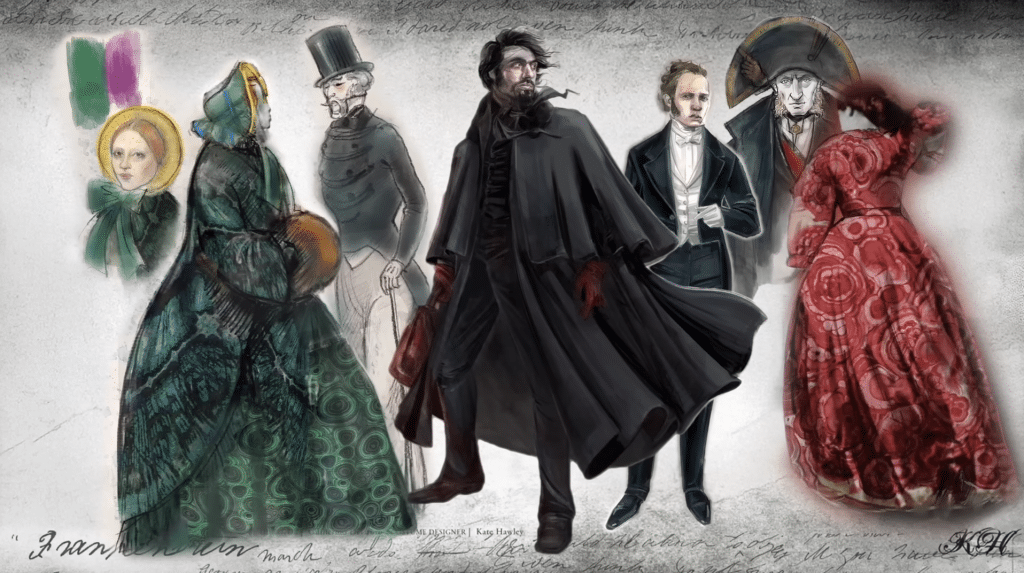
The story is rooted in the Regency era known for its soft pastels and delicate silhouettes, but del Toro chose richer tones to express the emotional essence of each character. Every shade was selected with intention. For example, red connects Victor to his mother; his red gloves or scarves act almost as a keepsake, a reminder that she remains with him.
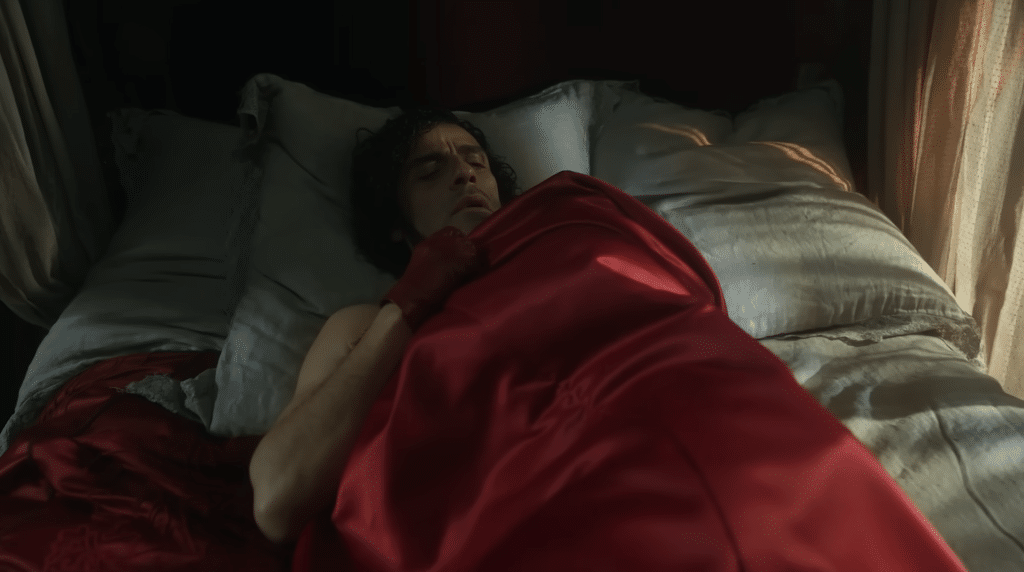
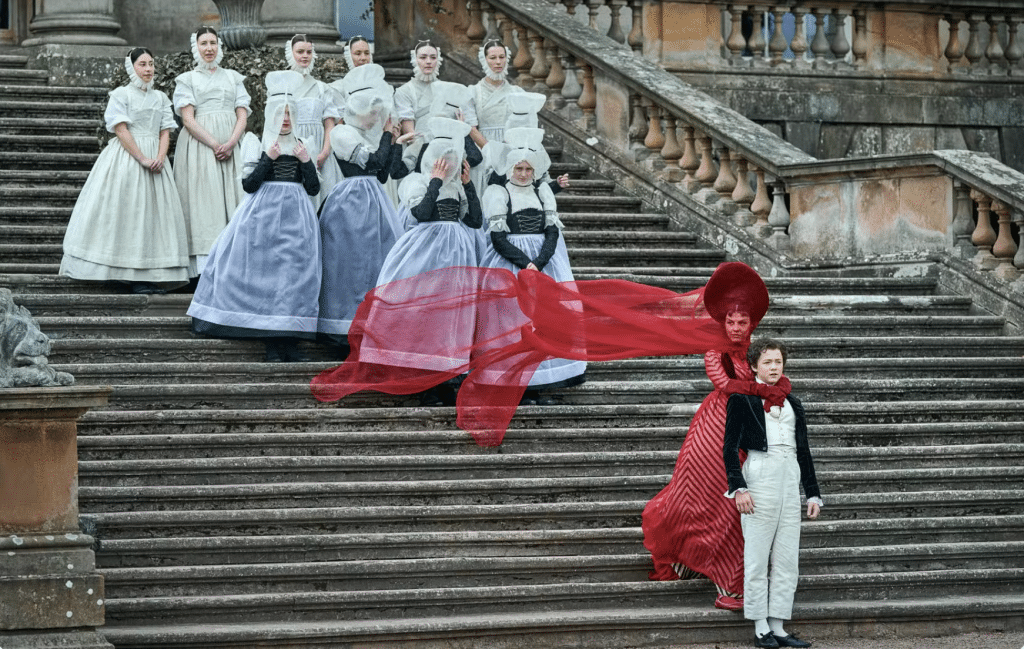
Courtesy of Netflix
Using deep hues is a small but significant reminder that this adaptation is a contemporary interpretation, not a straightforward repetition of the past.
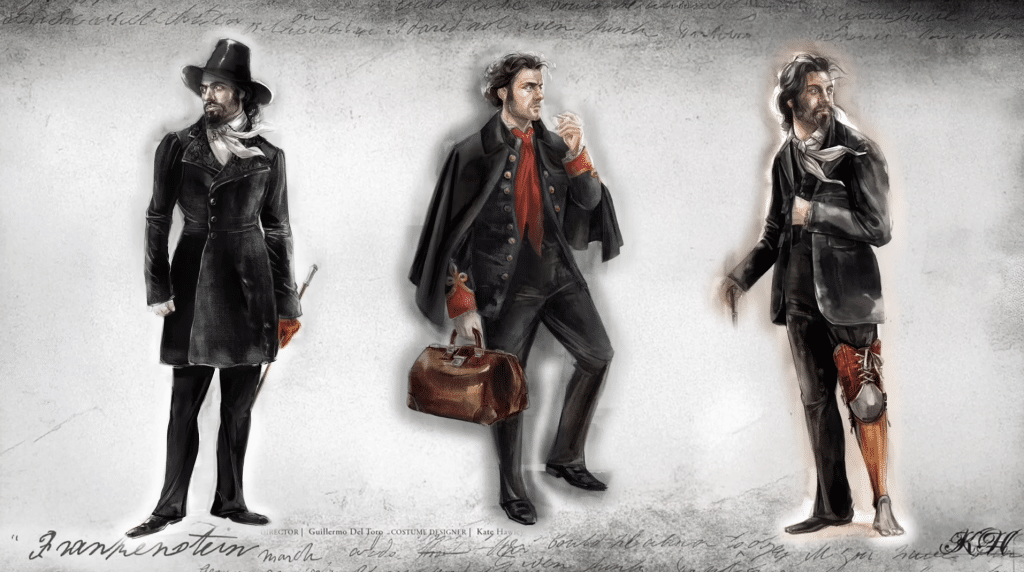
Victor’s costumes are built around two interesting concepts. First, many of his looks draw inspiration from Mick Jagger, the iconic English musician whose style was all swagger and defiance from foppish dandy touches like scarves, jewellery and ruffled shirts to flamboyant pieces with a rebellious attitude.
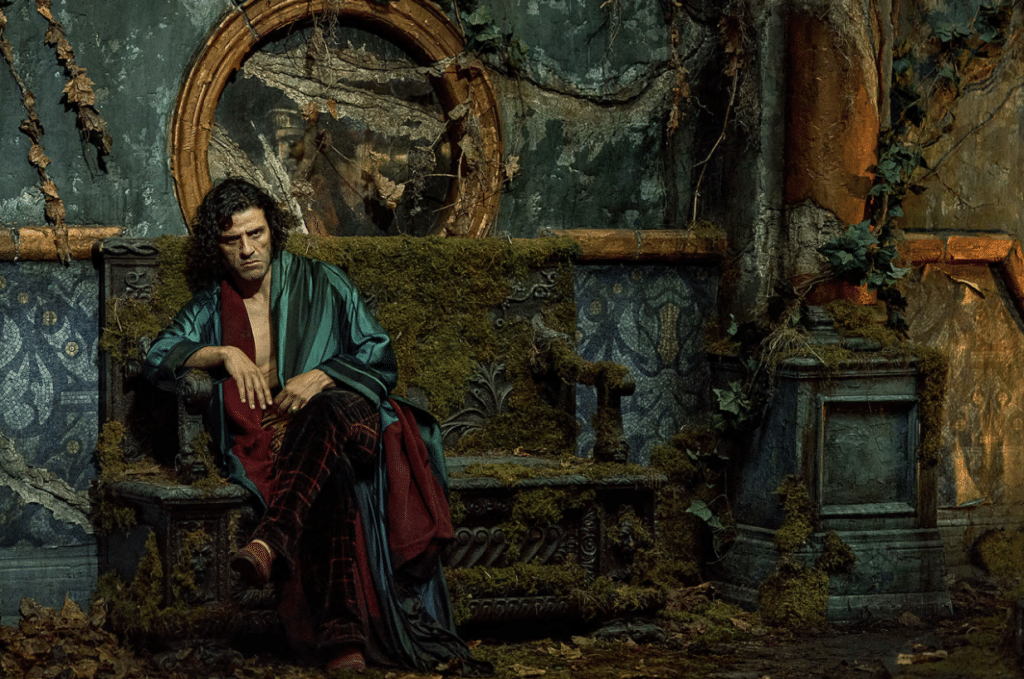
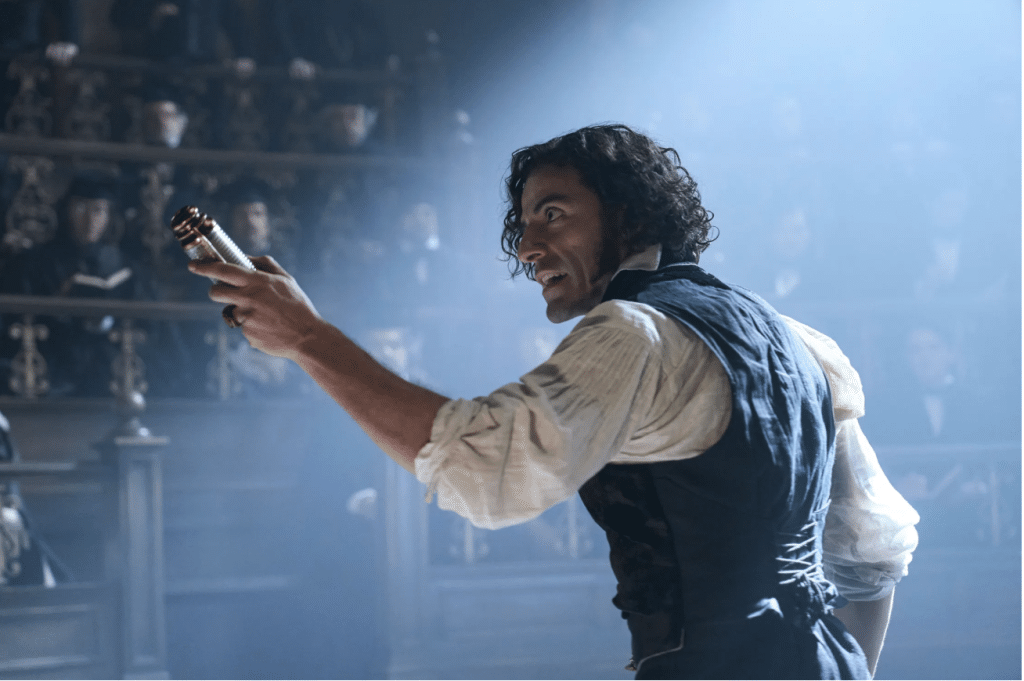
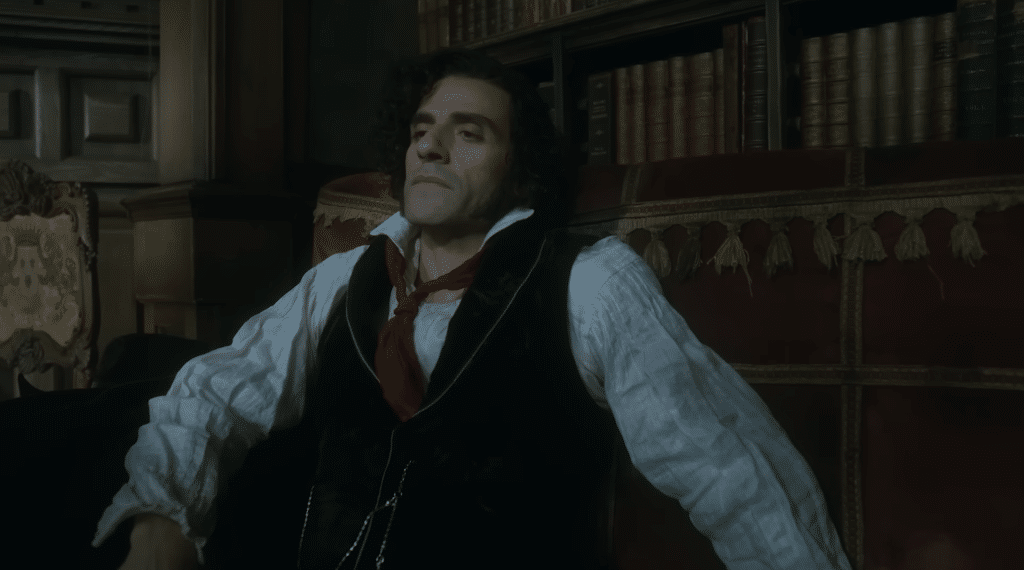
Courtesy of Netflix/ Ken Woroner
His wardrobe reflects Victor who isn’t a conservative scientist bound by rules but someone with an artistic, unruly mind, with the creature as his ultimate masterpiece. The wardrobe becomes a language that reveals his creative and emotional side, rather than presenting him as a scientific figure.
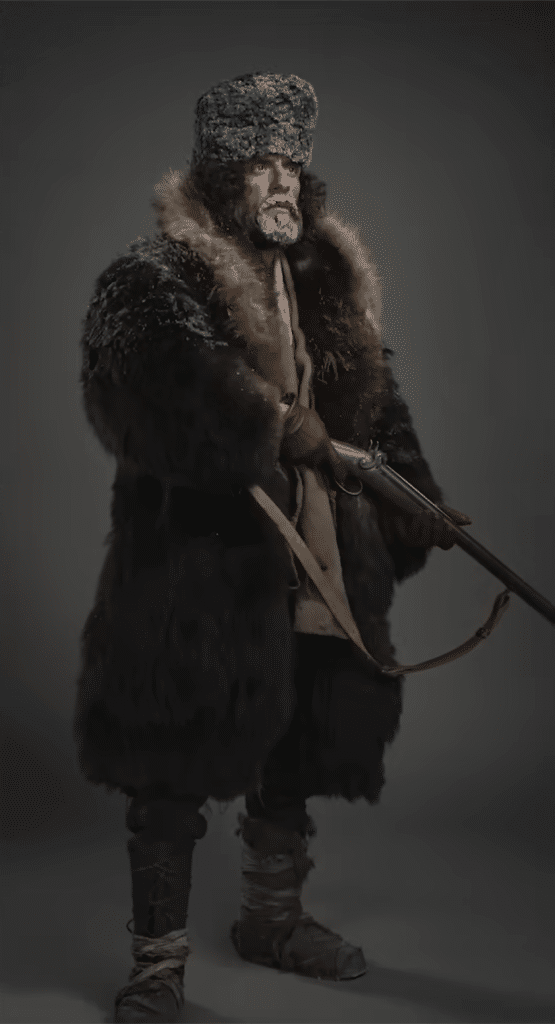
The second concept lies in how the costumes function as storyteller. Victor begins with a Mick Jagger–inspired 1960s sensibility. As the story progresses, furs and heavier textures are added to his wardrobe, visually signalling his shift into something more monstrous. The creature, meanwhile, moves in the opposite direction, slowly adopting human clothing. This wardrobe evolution highlights a reversal: Victor grows less human while the creature becomes more so.
This version of the creature stands apart from the Frankenstein imagery most people grew up with from cartoons to classic films. Those iconic visual traits actually come from the 1931 film adaptation, which introduced neck bolts, green skin and the flat head that went on to define the creature in popular culture.
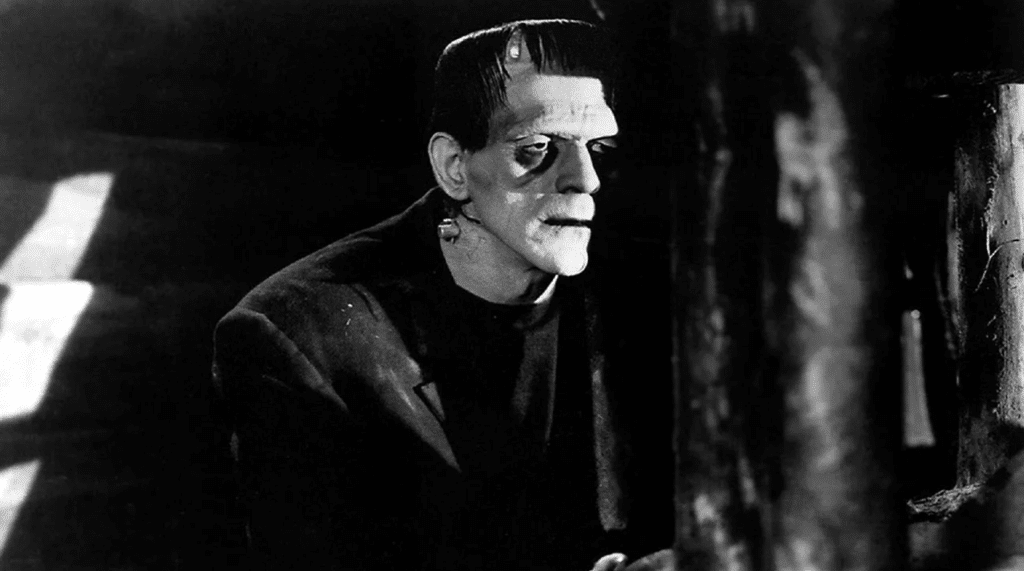
Del Toro’s interpretation takes a different path. The creature remains stitched together and physically imposing but his design is intentionally understated, modest and unexpectedly flattering. Elordi’s natural features are kept intact: sculpted cheekbones and expressive brown eyes.
Del Toro has long been celebrated for creating monsters that feel alive, intentional and emotional from the Amphibian Man in The Shape of Water (2017) to Lady Sharpe in Crimson Peak (2015) and the Pale Man and Faun in Pan’s Labyrinth (2006). His creatures are never just frightening; they are crafted with precision and symbolism.
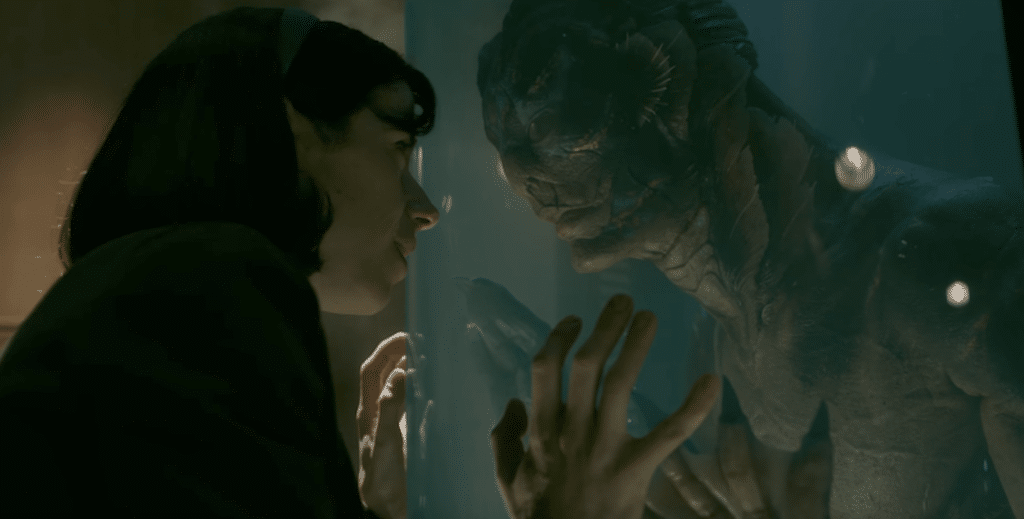
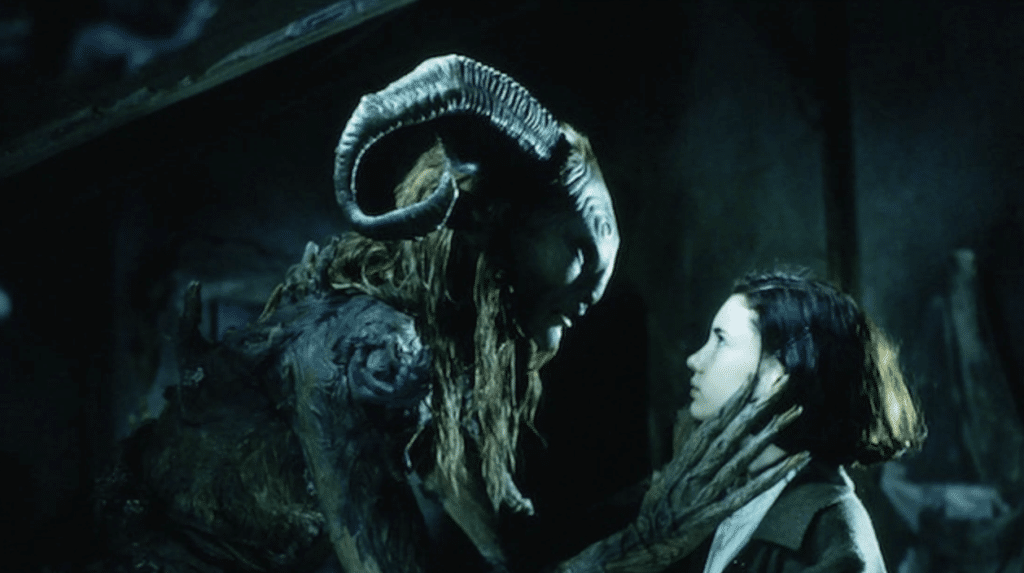
Courtesy of Fox Searchlight/ Guillermo del Toro
In Frankenstein the creature follows this tradition. Designed by Mike Hill, the body is constructed from geometric pieces, emphasising that this being was not formed by accident but assembled with purpose and even a kind of love. Victor, after all, is attempting to create “the perfect man”.
The colouring further reinforces this idea. Some areas appear purple-toned, others yellowish, a visual cue that each section comes from a different corpse, each with a different age, condition and tone. Even each part of his hair grows from a different shade. To bring this to life, the creature makeup consisted of 42 individual silicone prosthetic pieces applied to Elordi’s skin, requiring around nine hours of work each day.
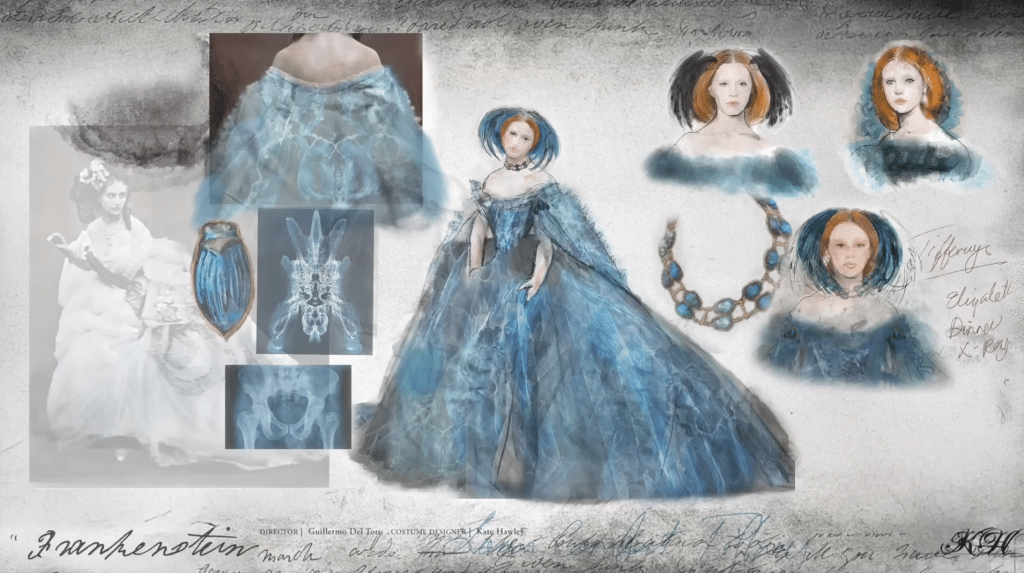
Elizabeth Harlander (played by Mia Goth) becomes a fashion and beauty focal point in the film. Passionate about entomology and botany, she finds beauty in the natural world, even in creatures others might find unsettling like the creature.
Courtesy of Kate Hawley
Del Toro uses the imagery of a butterfly or moth to describe Elizabeth: a figure fluttering through the world, searching for her place. This metaphor reflects the film’s themes of evolution and transformation, while also positioning her as a subtly unsettling modern woman set against the norms of her historical period.
Courtesy of Netflix/ Kate Hawley
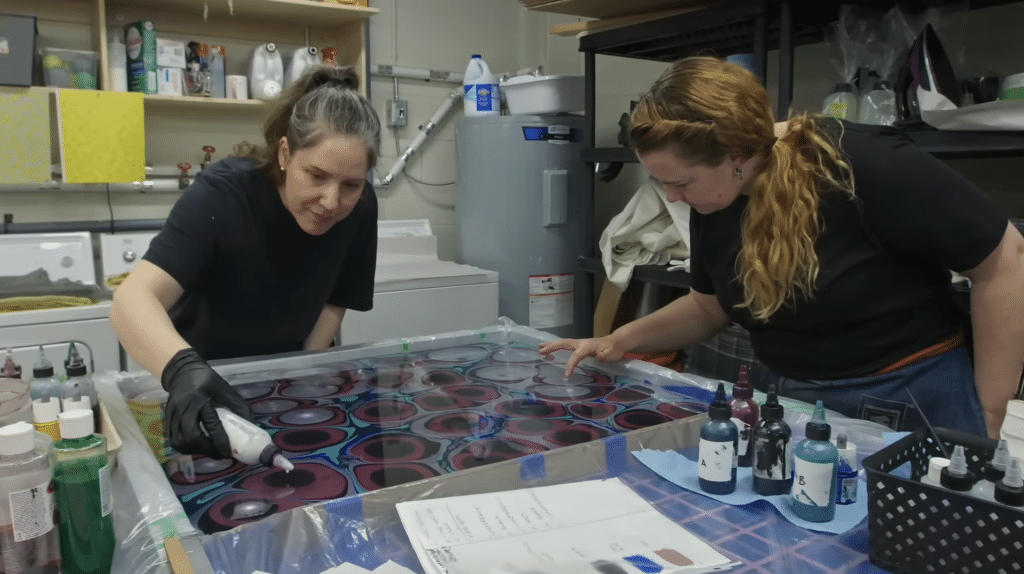
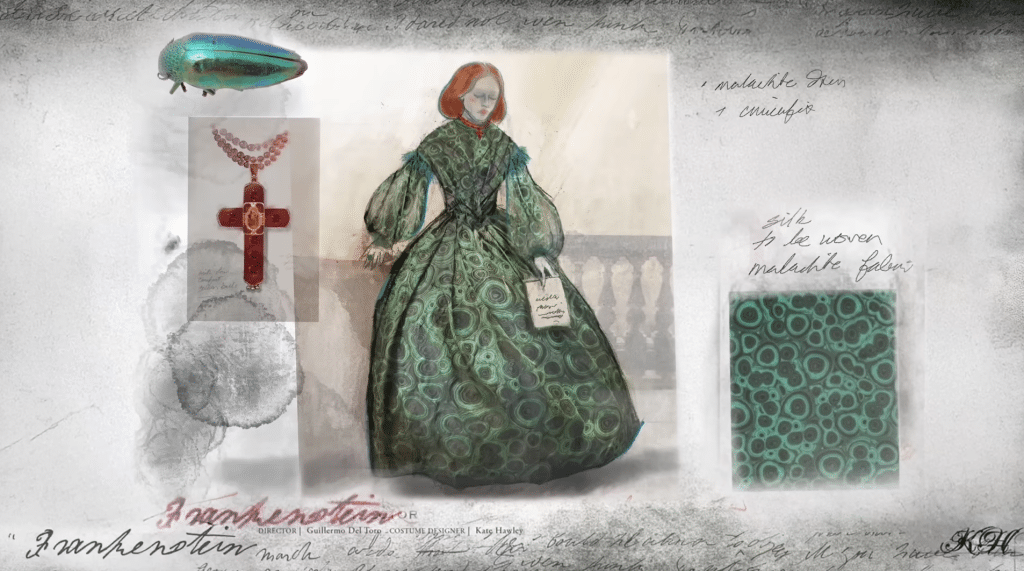
Insect and beetle motifs appear throughout her looks, expressed through bold colours, sheer layers, iridescent and glossy surfaces that echo the wings of beetles and butterflies. One technique also involves using hand-dyed colour methods inspired by the texture of malachite. These elements also emphasise how her style feels modern when set against the traditional fashion of the Regency era.
Early in the film she frequently wears shades of blue and green, colours associated with various beetle and butterfly species. One standout reference is the scarab beetle, a symbol of rebirth and protection in ancient Egypt, fittingly as Elizabeth becomes a source of light and renewal when she enters Victor’s life as a fiancée of his younger brother.
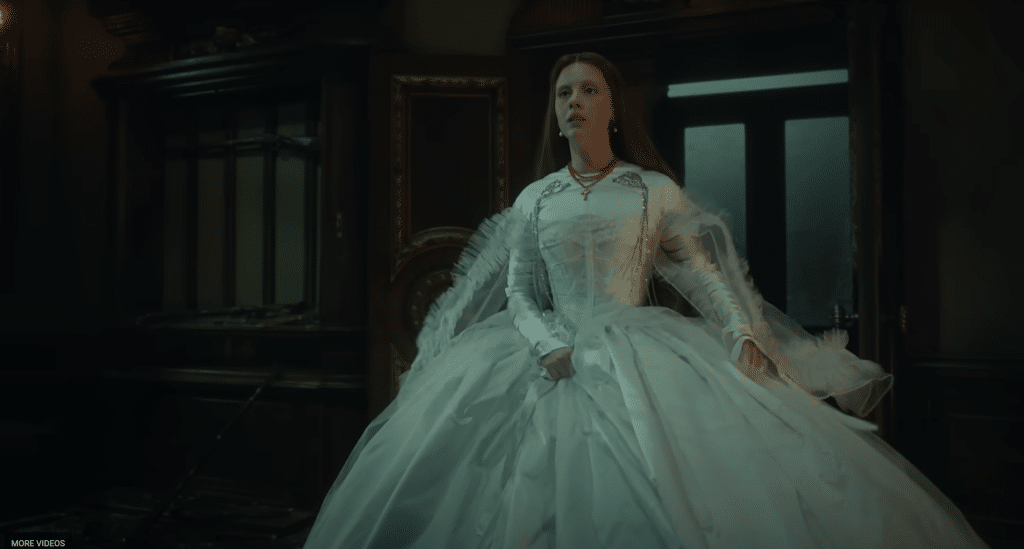
This symbolism culminates in the final sequence. As Elizabeth prepares to marry Victor’s younger brother, her wedding dress draws inspiration from a moth, a creature traditionally associated with death. The design quietly foreshadows her tragic fate.
“When thinking of beauty and elegance… let’s approach Tiffany.”
That’s what Guillermo del Toro revealed in one of his film documentaries in collaboration with Tiffany & Co. For Frankenstein, the jewellery house provided an extraordinary assortment: 10 archival pieces, six historic silver objects, six contemporary creations and five designs made exclusively for the film.
The Tiffany team selected heritage pieces dating back to Mary Shelley’s era for the costume department to study and examine their construction, materials and the design choices of the period. This allowed the designers to recreate jewellery that bridges two worlds.
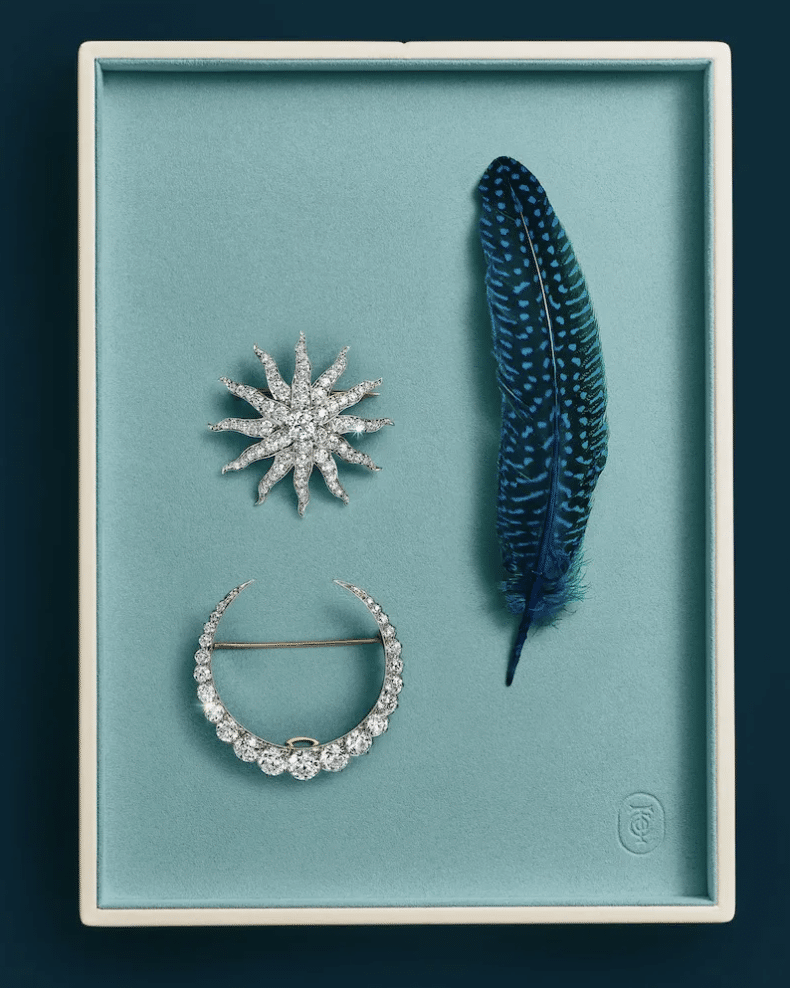
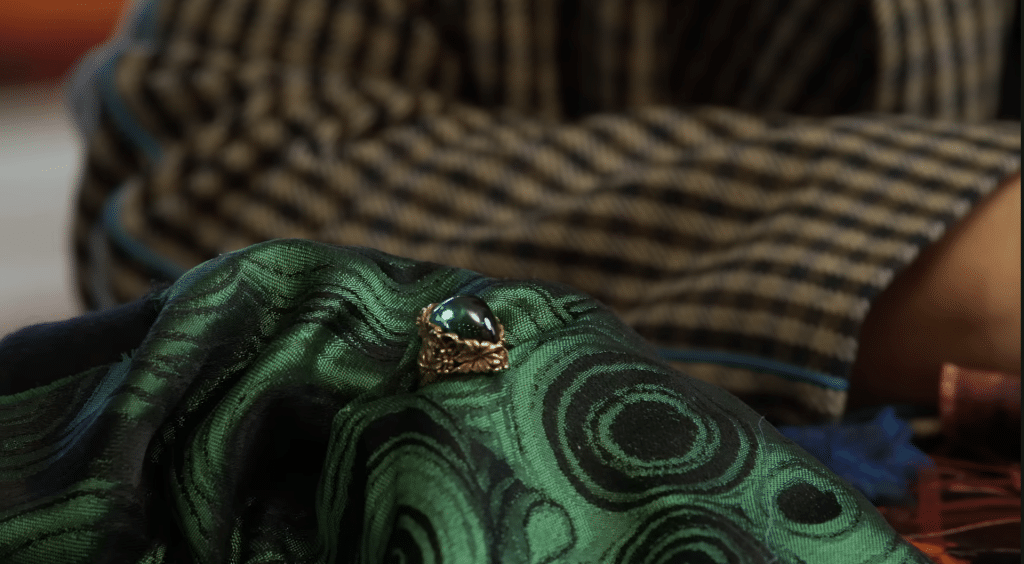
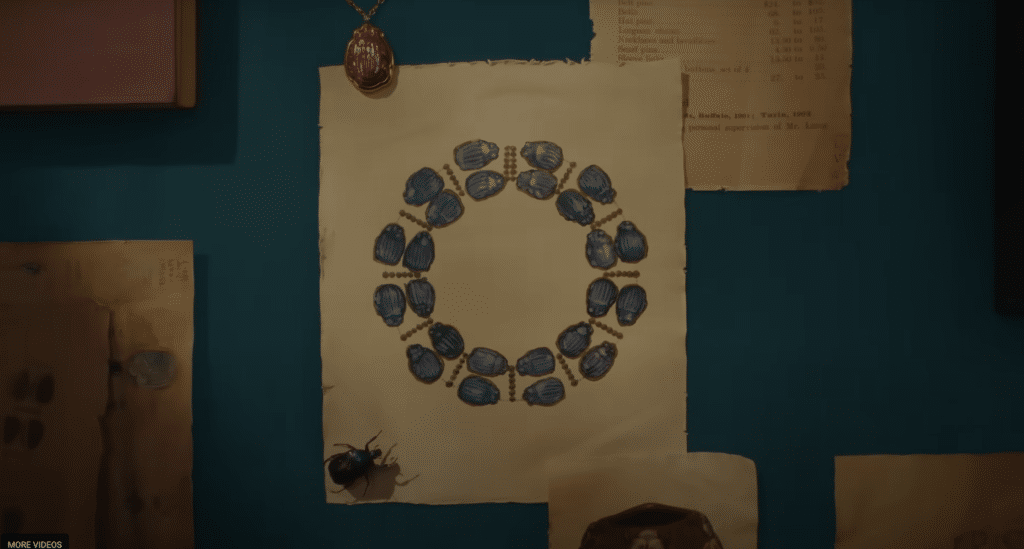
Courtesy of Tiffany & Co.
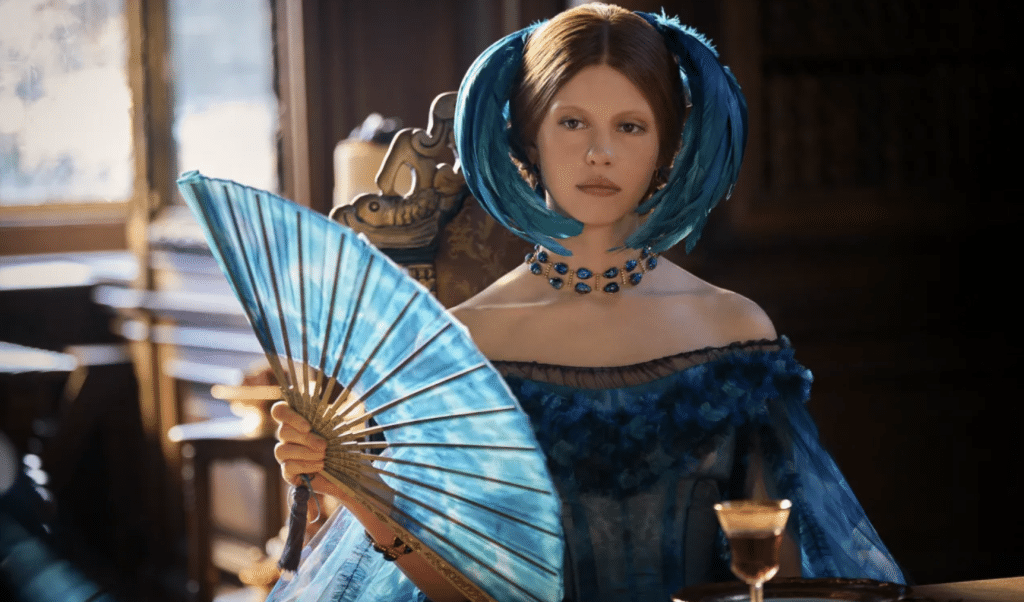
One highlight is the 1914 Archive Scarab necklace designed by Meta Overbeck, crafted in gold and adorned with Favrile glass scarabs. These pressed-glass beetles, produced in varying sizes with a blue-green iridescence, first appeared in Tiffany’s Blue Book in 1909 as a sketch and later as a finished design in 1914. This film marks the first time the necklace has ever been worn in a contemporary setting, and it features prominently on screen.
The piece worn by Elizabeth elevates her appearance with the graceful grandeur expected of a woman of high standing, while also revealing her inner world and her affinity for the natural.
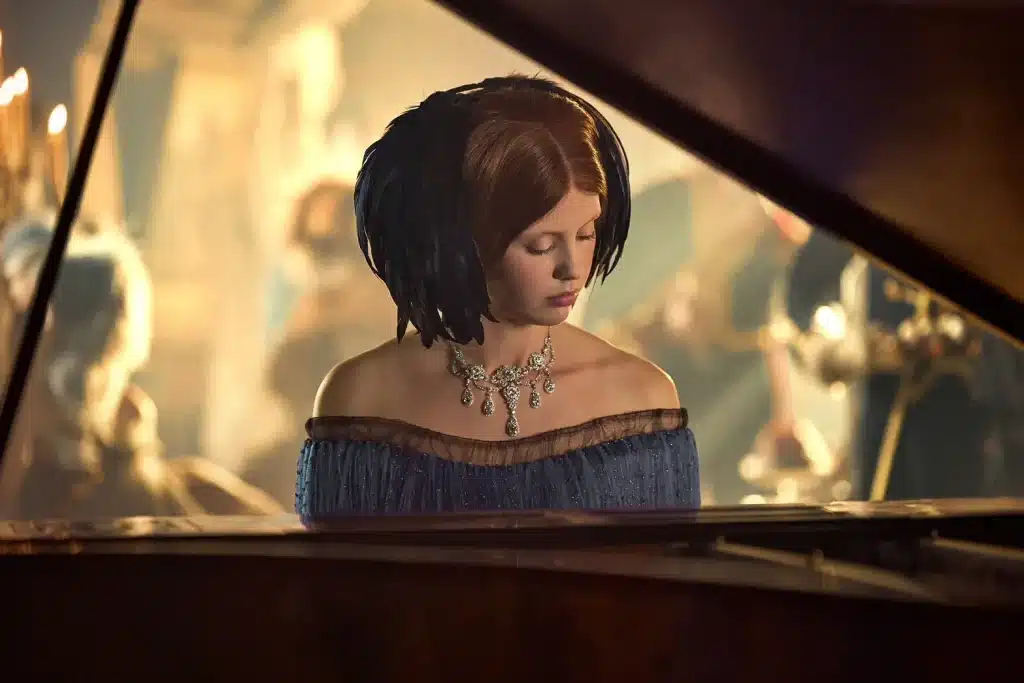
Another highlight is the Wade necklace, designed in 1900 by Paulding Farnham, which has long been kept in Tiffany & Co.’s heritage vaults. Crafted in the classic garland style, it features nature-inspired motifs: flowers, leaves and ribbon-like forms, set with more than 40 carats of European-cut diamonds in platinum and gold.Originally created for the heiress Ellen Garretson Wade and previously seen only in exhibitions and publications, the necklace appears on screen for the first time. Both archival pieces in the film carry this same sense of renewal, treasured works long kept in the vaults, now reawakened to serve the story’s visual language of beauty, memory and transformation. Their return becomes a symbolic act of “revival”, echoing the film’s themes of rebirth and the restoration of life.
Explore the 10 best gelato spots in Bangkok and nearby cities, where ...

Wandering around the globe, try out the signature tastes of cultures across ...
These top 5 barber shops in Bangkok are where gentlemen can elevate ...
Dive into the magic as Starbucks teams up with Warner Bros, offering ...
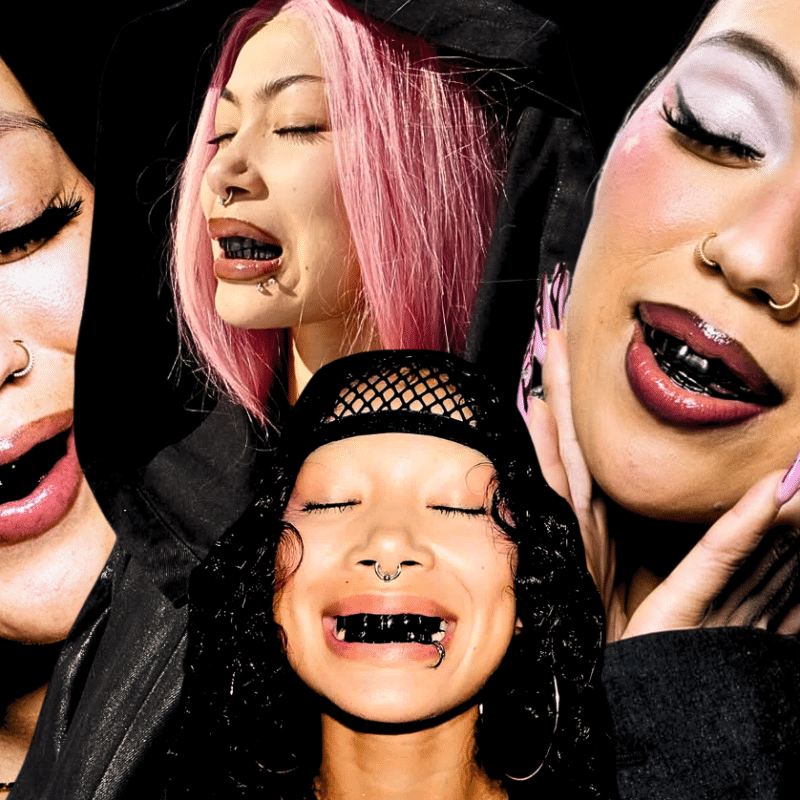
Sailorr and Molly Santana’s black grills fuse hip-hop swagger with homage to ...

Ahead of the launch of its first Bangkok store at Central Embassy, ...
Wee use cookies to deliver your best experience on our website. By using our website, you consent to our cookies in accordance with our cookies policy and privacy policy


