Lifestyle
A Thousand Worlds Within River City Bangkok
Inside River City Bangkok, a thousand worlds emerge through art, antiques, architecture, ...


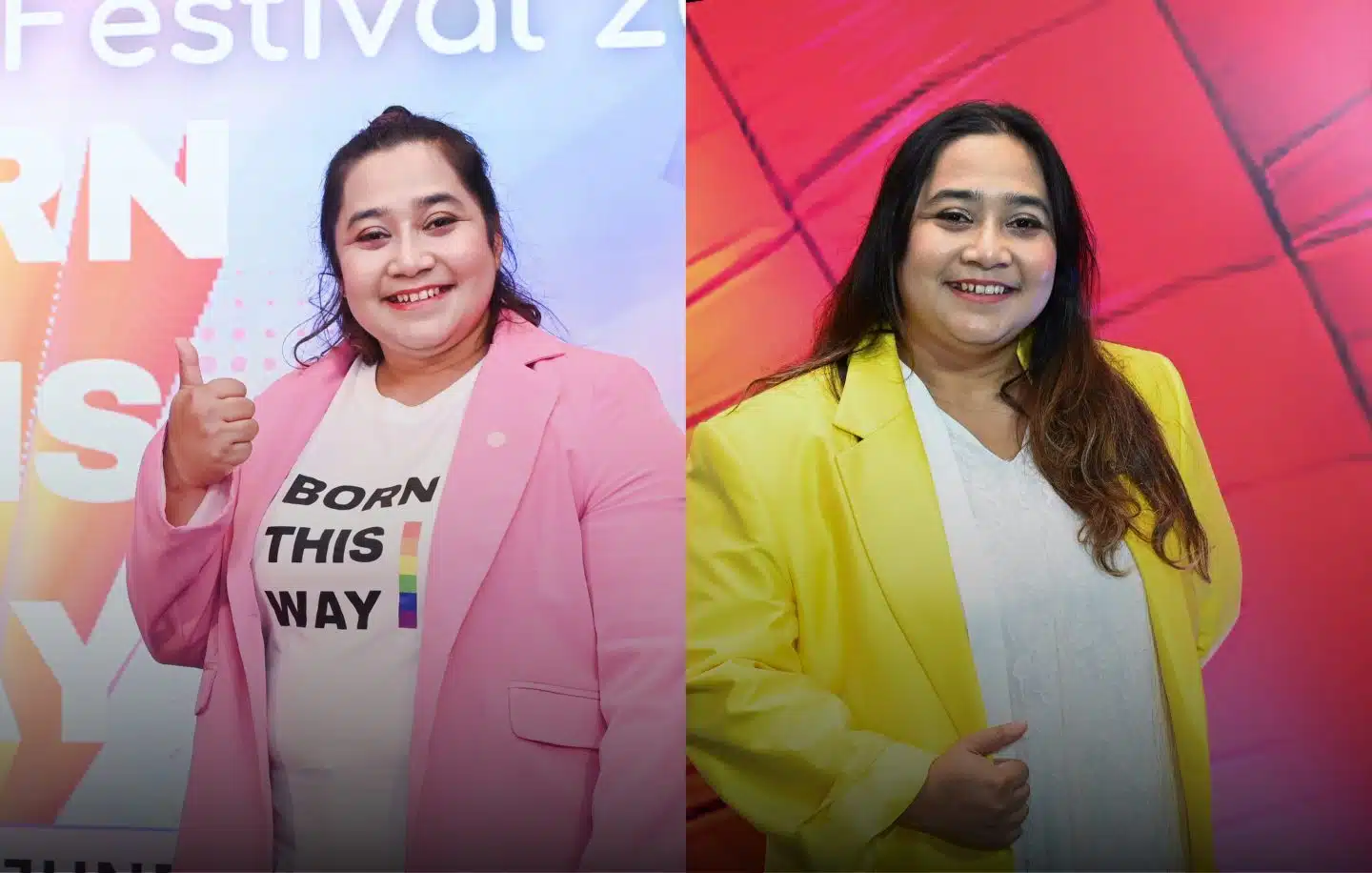

As the year draws to a close many milestones have been reached including the long-awaited legalisation of same-sex marriage in Thailand. Since the beginning of the year it has been a celebrated achievement and one of the most significant victories for which people have fought.
With all the blood, sweat and tears poured in by the community, we turn to one key force behind this progress: the Bangkok Pride Parade. Chumaporn Ann “Waaddao” Taengkliang has played a vital role in organising the event by standing firm in pursuit of her vision.
We sat down with her to discuss the path that led to this moment, and the commitment that has helped shape Thailand’s Pride movement.
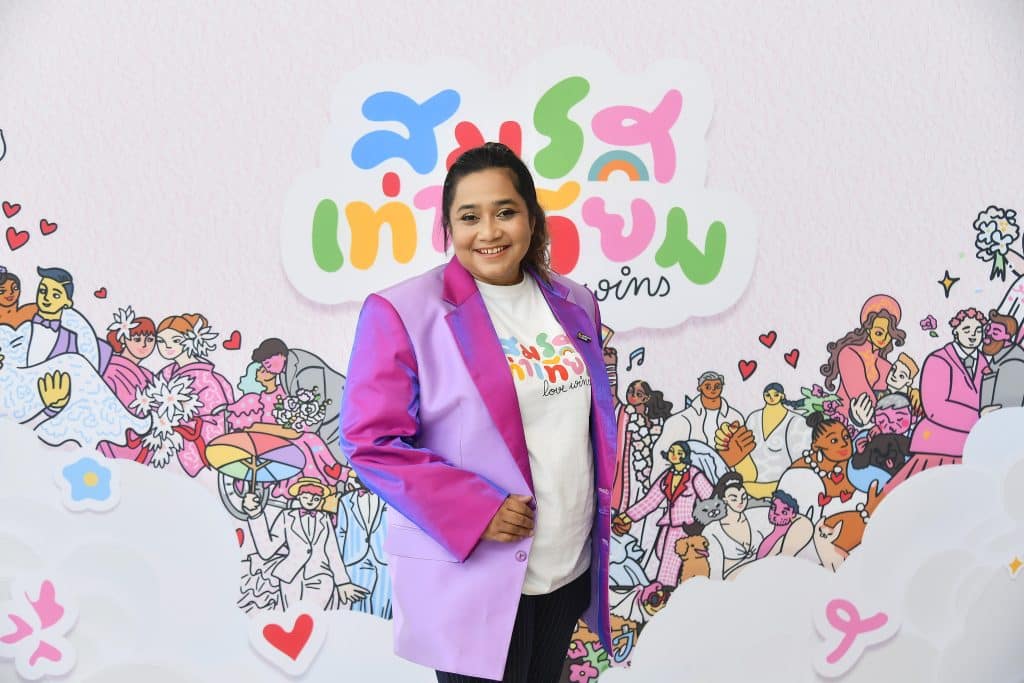
“Many activists are a source of inspiration for me. More broadly, anyone who rises up to challenge oppression, fight for liberation or work to make society better becomes a model for me – experiences from which I’m always willing to learn. They continually inspire me to grow in my work and to spark new ideas.”
From the very beginning since Waaddao was working in the fields of human rights and democracy, she noticed something unmistakable: conversations about gender and sexuality were far too quiet. More than a decade ago there were only a handful of people pushing forward LGBTQ+ rights, and the topic often remained on the margins.
For her as a woman who loves women, she found herself drawn to the work not only out of principle, but out of personal truth. And so she stepped forward, choosing to focus her efforts on gender rights and pursuing this work with unshakeable dedication.
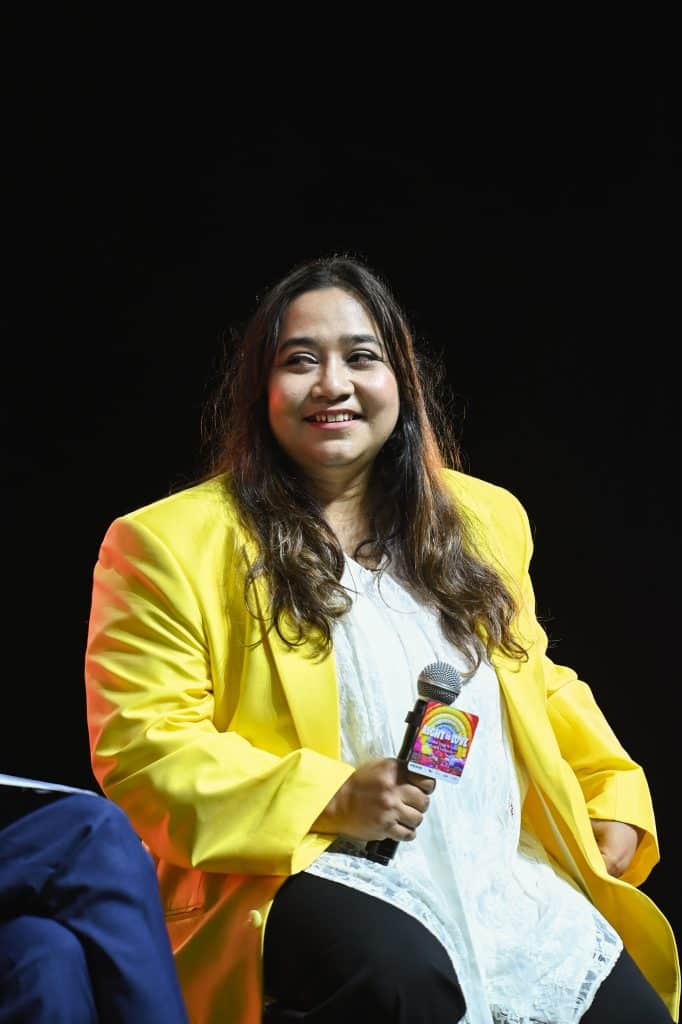
“Organising events around LGBTQ+ issues in Thailand is far from smooth or straightforward, especially compared with many other countries. We constantly have to anticipate backlash, opposition and even forms of violence, whether direct or indirect, and plan around those risks. On top of that we often encounter people who work with us but lack a real understanding of the issues, which creates additional challenges. But we’ve stayed confident, not only in what we’re doing, but in the clear signs and results showing we’re heading in the right direction. That’s what has kept us moving forward and solving problems as they arise.”
For Waaddao the heart of her work has always been clear: to protest, to demand justice and to stand beside those who are silenced. Her activism stretches far beyond the celebration of Pride. It has grown into a map of interconnected struggles: the long fight for marriage equality, the push for legal gender recognition, the demand for sex work to fall under labour law instead of criminal law. She also speaks about women’s rights, the rights over one’s own body and ending sexual violence.
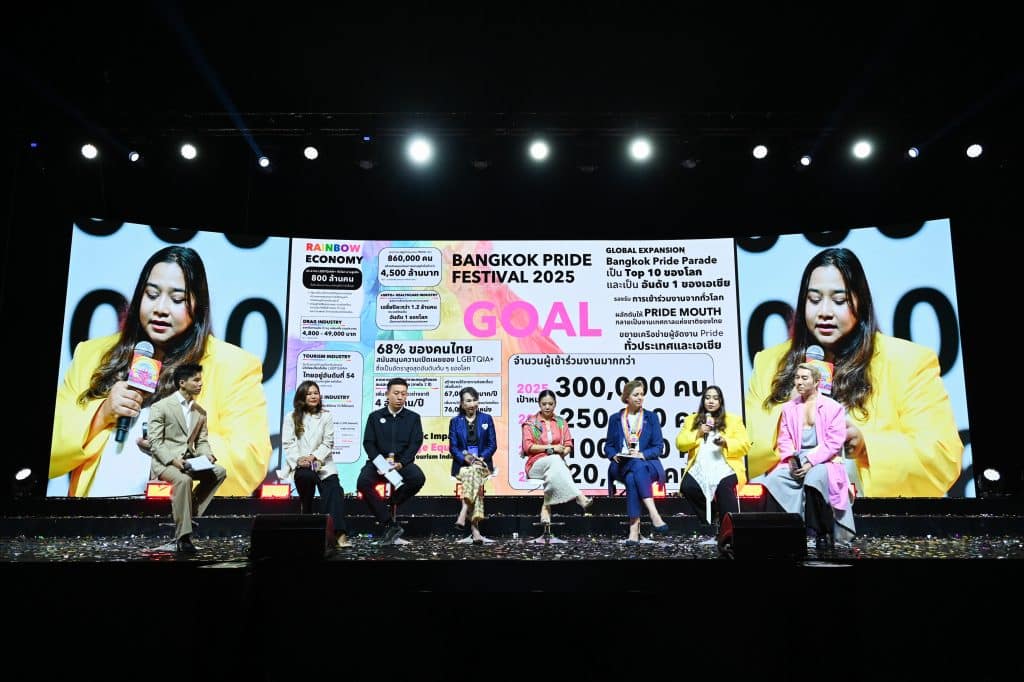
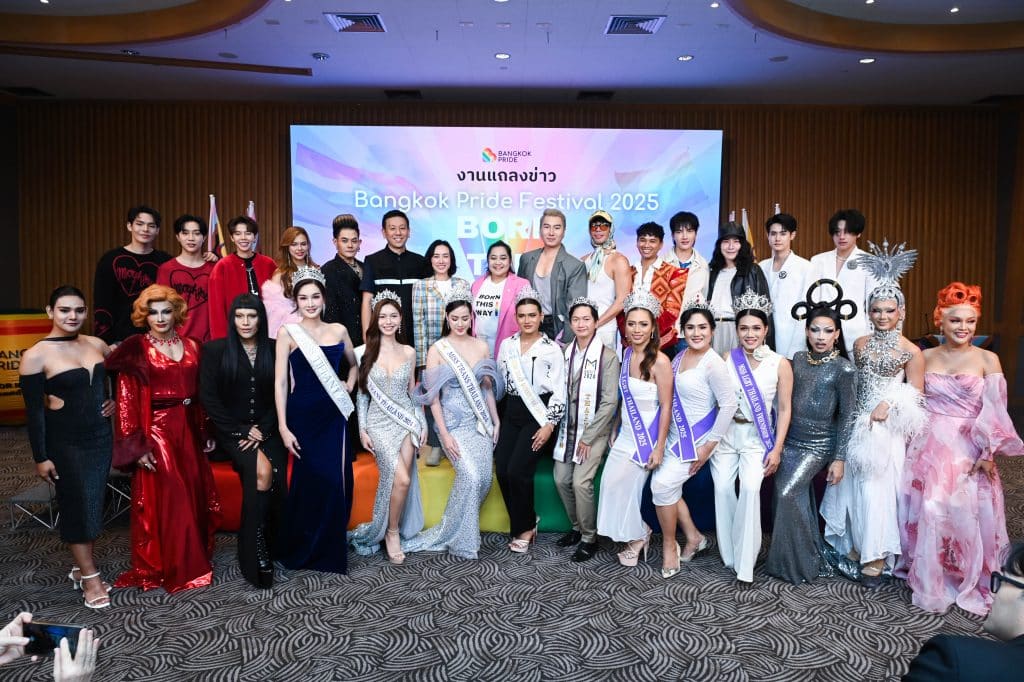
Courtesy of Waaddao
“We use creativity as a set of tools to help us thrive and we draw on several of them – our flags and signs, our music and colours, and the freedom for people to express themselves through what they wear. Everyone has space to show their creativity but our core message always remains at the centre.
Sometimes our approach is abstract, like placing a pole-dancing stage in front of Paragon. Traditionally linked to nightlife and sex work, seeing it in a public space surprised many. But behind it were signs calling for an end to sexual violence and for safer, fairer workplaces for sex workers.”
All of this reflects her way of working: using creativity, symbolism and tools to help society absorb change. She believes in shifting mindsets, not forcing transformation.
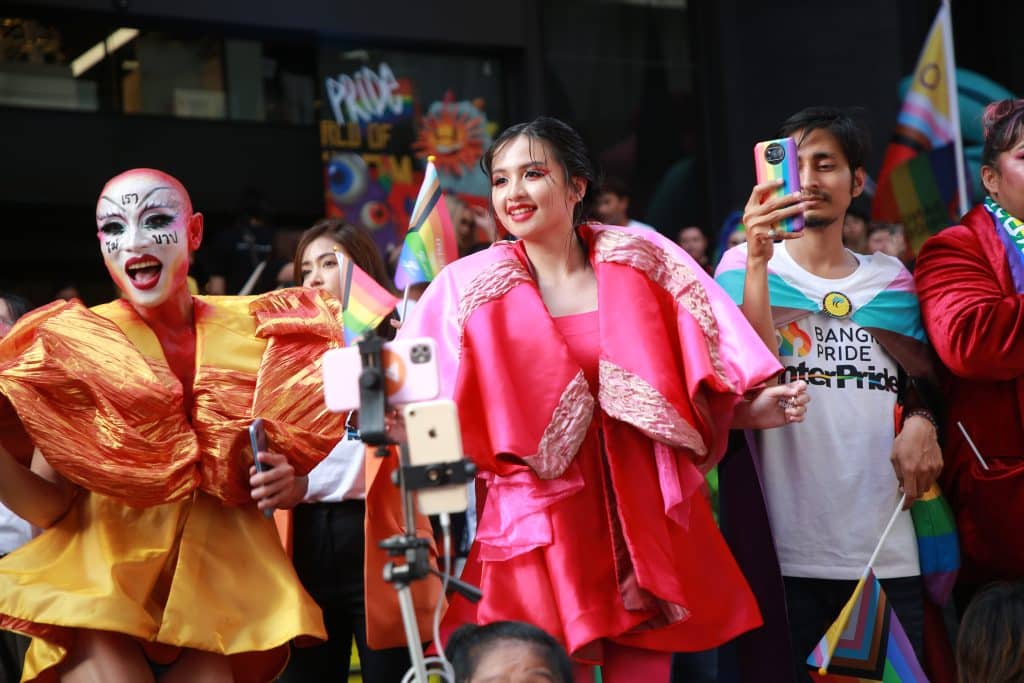
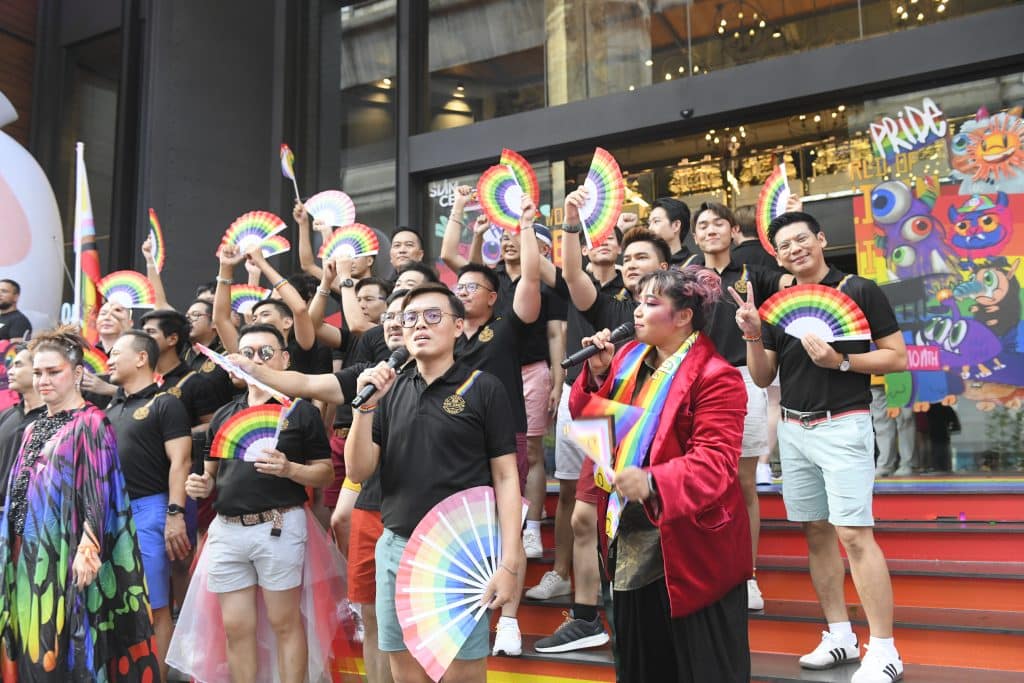
“What has impressed me most is how many people have risen up and joined the movement. When we first organised the Bangkok Pride event on Silom, I thought a hundred participants would already make me happy. But once we announced the time and place, people appeared from everywhere and seeing them take to the streets felt like a new and significant moment for the country.
That experience gave me the passion to keep organising Bangkok Pride every year. The moments that stay with me aren’t the ones on stage, but the small scenes along the parade: a lesbian couple, a gay couple, people in non-binary or queer fashion, creators expressing identities long suppressed. Every year watching these moments unfold fills me with happiness. That, for me, is the lasting impression.”
Same-sex marriage has now been legalised in Thailand, marking a historic milestone for the country. She continues to make her voice heard for others.
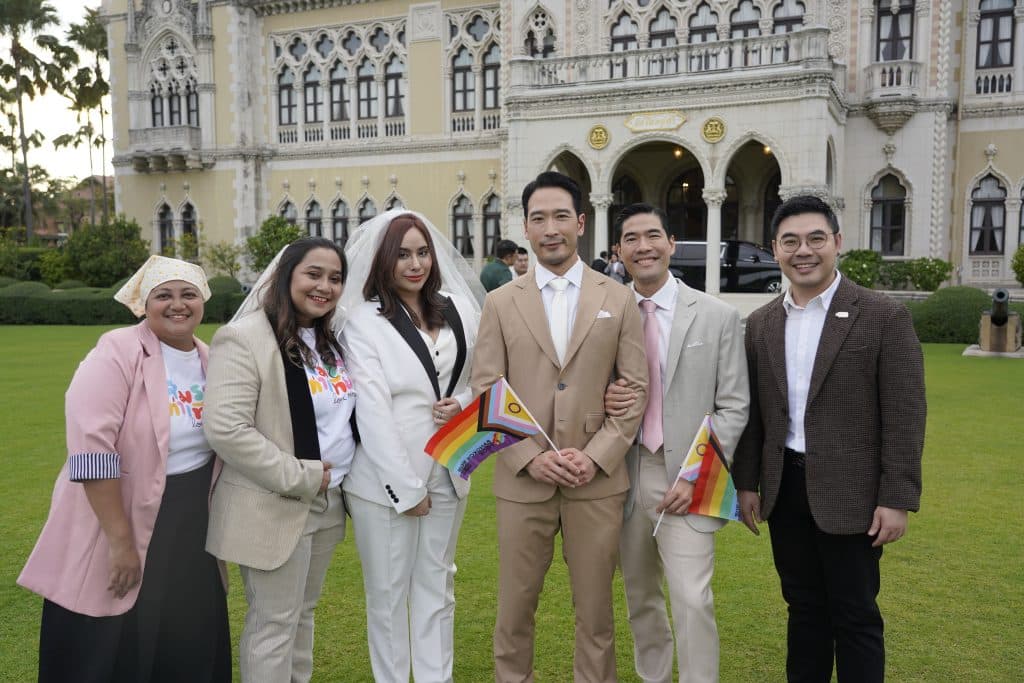
“When we were campaigning for this law, we couldn’t then imagine what it would look like afterwards. But once the rights were won, we began to see so many people able to marry, register their partnership, start families, launch businesses together, plan to have children and simply hold hands freely in public. Seeing these moments appear across my social media feeds has been incredibly uplifting.
I’ve worked in this field for just over a decade but I have immense respect for the couples who were denied recognition for so long. Some have been together 17, 18, even 30 years. They stayed side by side with patience and faith in their love. They fought far more than we ever did and I’m grateful for their endurance until the day the law finally changed.”
Waaddao shares that just a few days ago, she received a message from a foreigner who, being a Muslim, could not come out publicly with the Thai partner. However to register their marriage, they needed a witness, and they said they couldn’t think of anyone else but her. They contacted her even though they had never met Waaddao in person. It was simple, heartfelt and full of trust, and she was more than happy to do it.
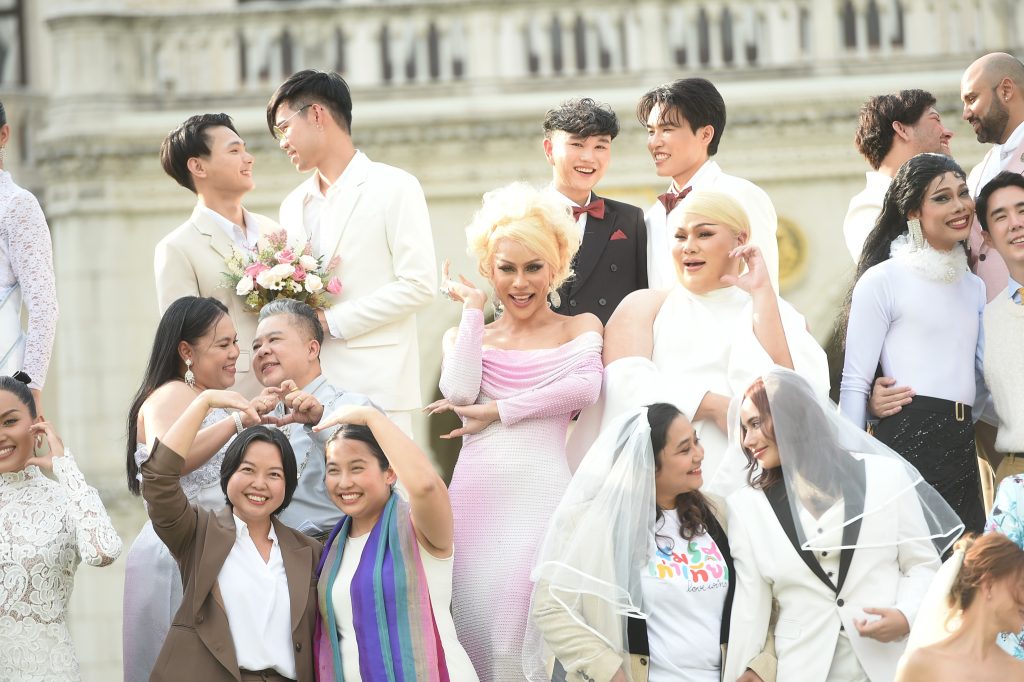
“Now I remain on standby to help anyone who needs support with their marriage registration. Every month I still turn up as a witness at different district offices, as sometimes they need someone who can communicate in English.
And honestly it makes me incredibly happy. A couple even sent me a photo of themselves crying, their faces tucked into their hands, saying how much it meant to have someone there to help them. Moments like that make all of this feel worthwhile.”
Waaddao speaks about the next chapter of her journey, the bid for WorldPride 2030. For her it is a vision to open Thailand’s doors to the whole of Asia. She believes that across the region countless LGBTQ+ communities still live without the level of acceptance found in Thailand. Her hope is that by bringing a global celebration of this scale to Bangkok Thailand can become a beacon, a place where creativity, visibility and pride unfold on a grand stage. Hosting WorldPride, she says, could help amplify those struggles and strengthen the movement for equality.
“I believe that the work I do shows how facts, imagination and bold ideas can genuinely change society and the country. I hope young people live their lives fully, with confidence and courage. And when opportunities arise to support others or help make the world fairer, I hope those chances are taken without hesitation.
I’ve already witnessed the powerful energy of student and youth movements since 2010, and I continue to cheer on this new generation. My wish is for today’s youth to enjoy their lives.”
Inside River City Bangkok, a thousand worlds emerge through art, antiques, architecture, ...
In Emerald Fennell’s adaptation of Wuthering Heights, colour is not decorative. It ...
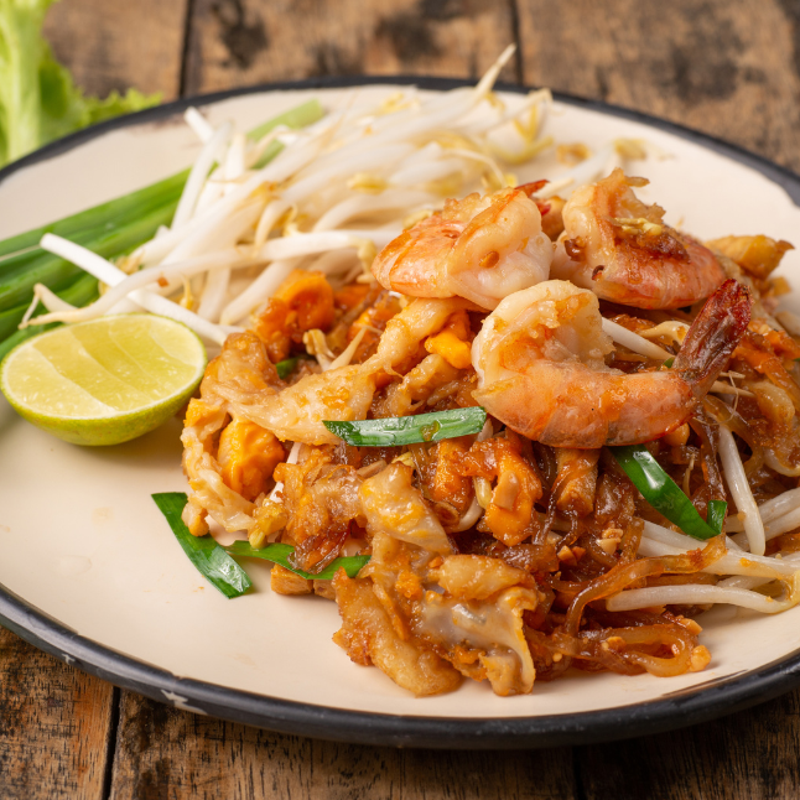
Wandering around the globe, try out the signature tastes of cultures across ...
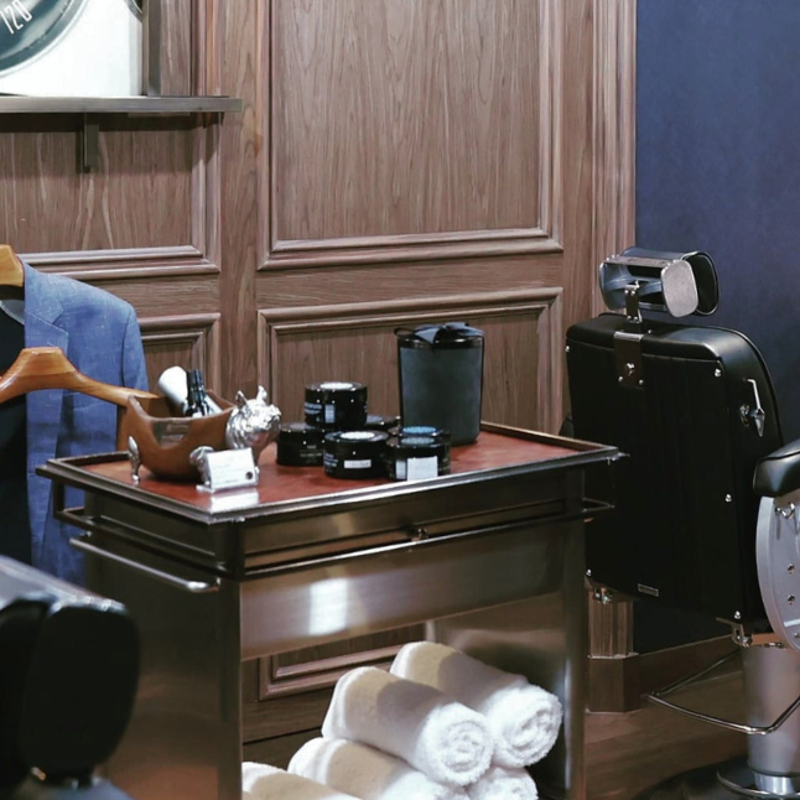
These top 5 barber shops in Bangkok are where gentlemen can elevate ...
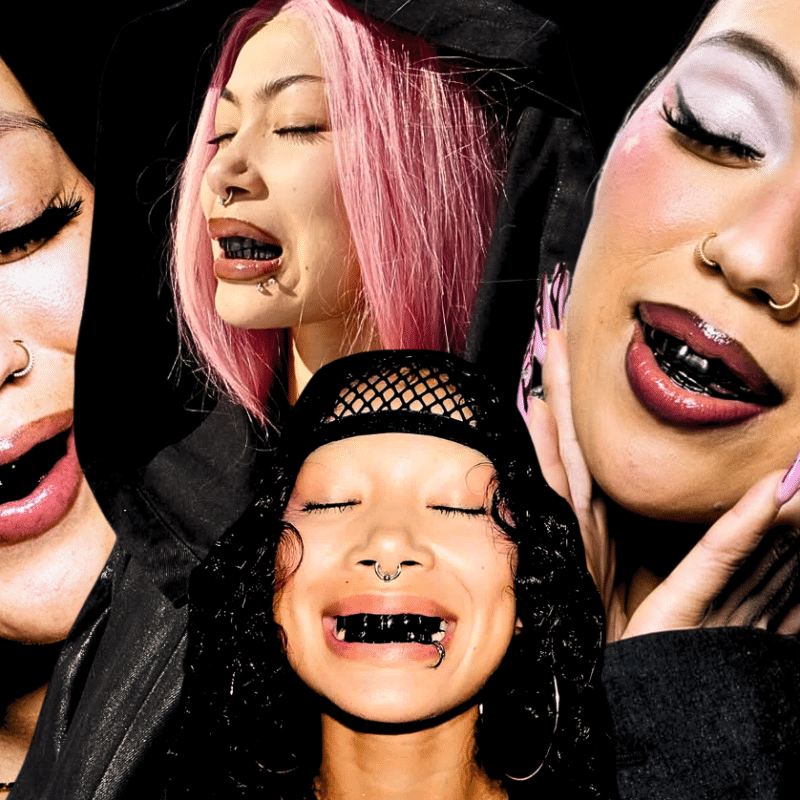
Sailorr and Molly Santana’s black grills fuse hip-hop swagger with homage to ...
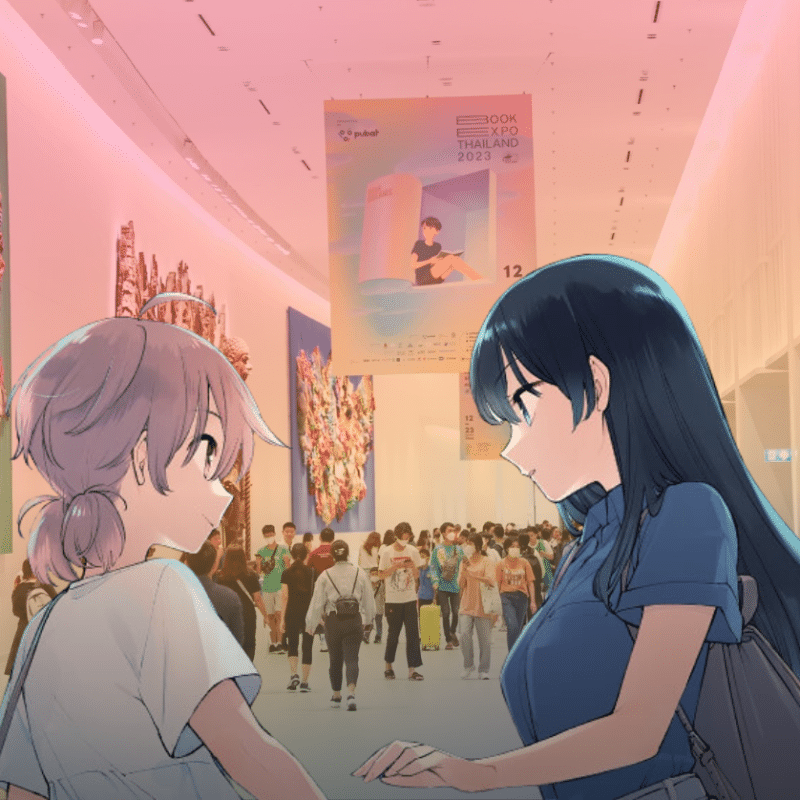
From 26 March to 6 April, the Thai Book Fair is back, ...
Wee use cookies to deliver your best experience on our website. By using our website, you consent to our cookies in accordance with our cookies policy and privacy policy


